
Main Facts: The Stage is Set in Quebec
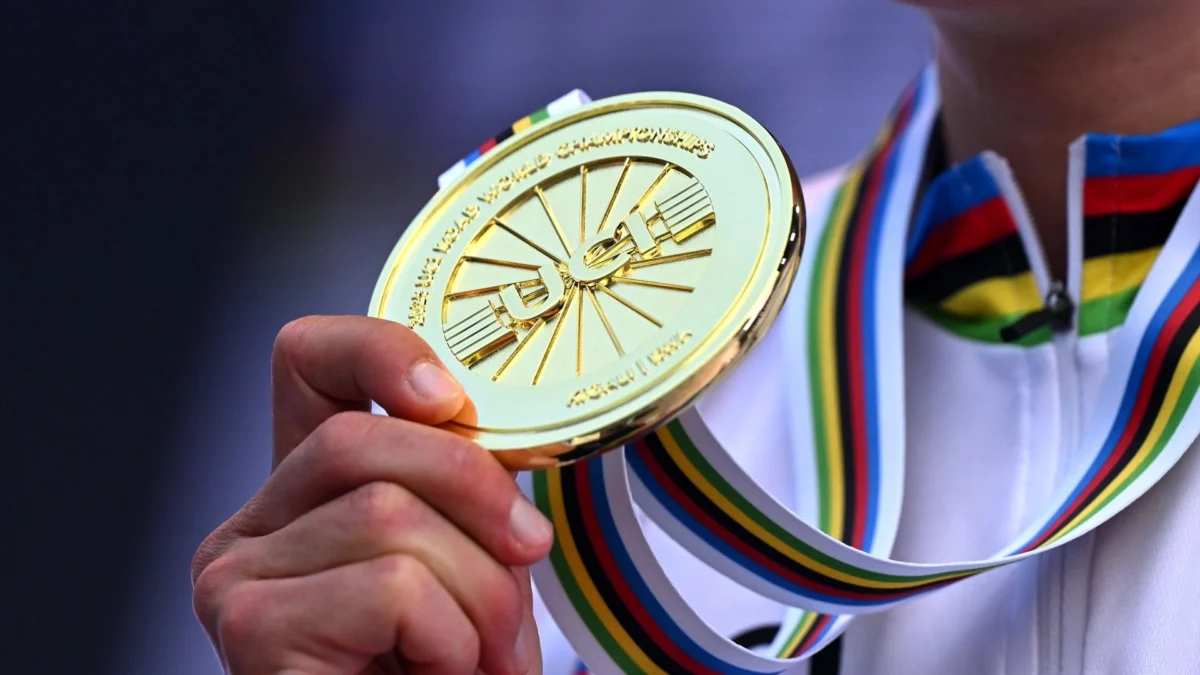
The cycling world has officially turned its gaze toward North America as the historic city of Montreal, Quebec, prepares to host the prestigious 2026 UCI Road World Championships. Running from September 20 to September 27, 2026, this year’s edition promises a week of high-octane racing across demanding, punchy courses designed to test the absolute limits of the world’s elite cyclists.
The championship format kicks off with the individual time trials (ITTs) on Sunday, September 20, and culminates the following weekend with the marquee elite men’s and women’s road races. However, the overarching narrative heading into race week has been dramatically reshaped by high-profile injuries, tactical shifts, and the heavy weight of local expectations.
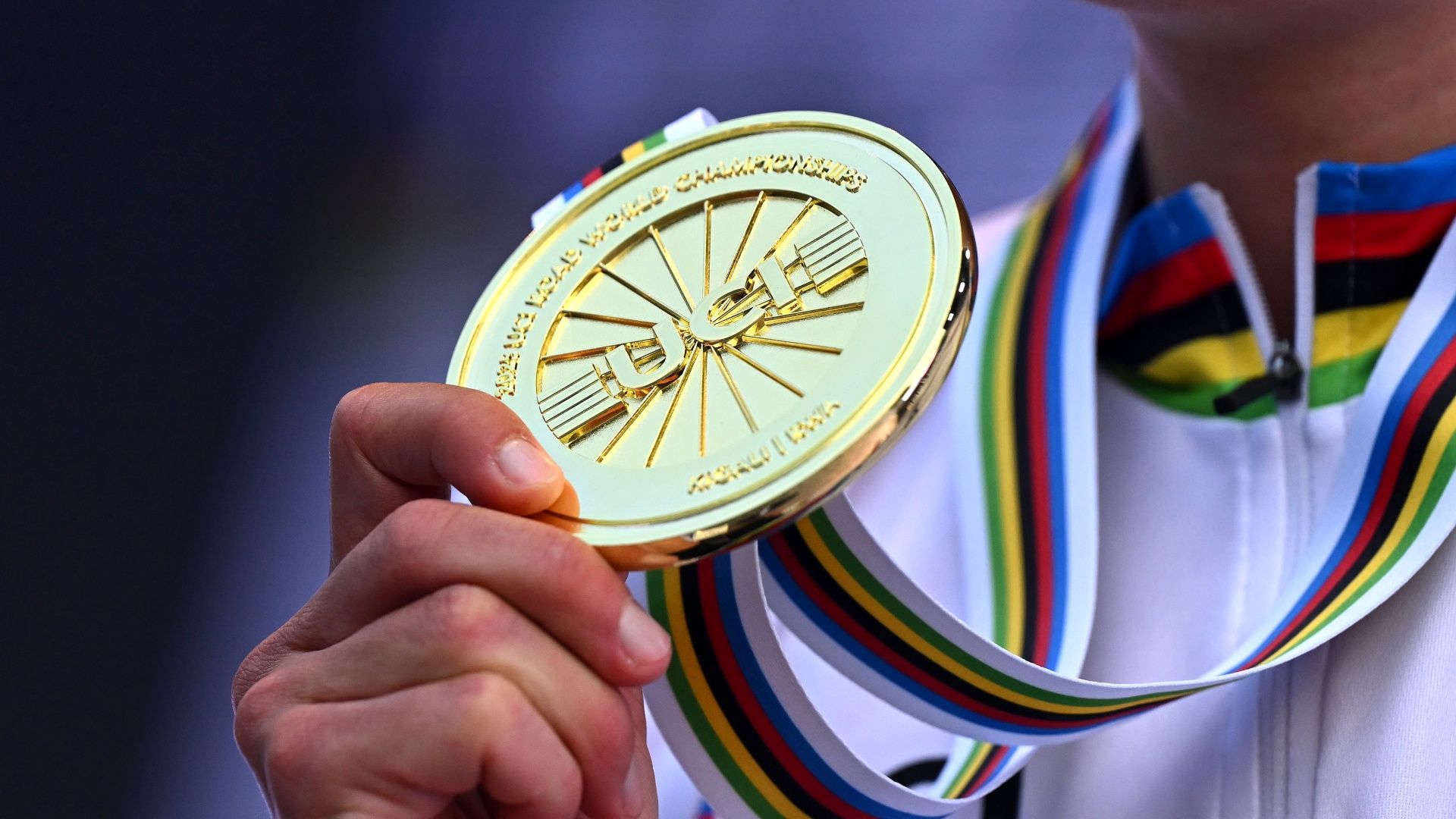
Chief among the pre-race talking points is the absence of Slovenian superstar Tadej Pogačar. A season-ending injury has completely blown the men’s road race wide open, removing the dominant heavyweight from the start list and creating a rare, generational opportunity for a new contender to pull on the coveted rainbow jersey. Meanwhile, the women’s division is experiencing its own compelling storylines, characterized by the fierce rivalry between cycling royalty Demi Vollering, Marlen Reusser, and Zoe Bäckstedt, contrasted against the local heroics and sensational breakthrough of Quebec-native Magdeleine Vallières.
Whether fans are tracking the action from the grueling climbs of Mount Royal or tuning in via global live streams, the 2026 World Championships are shaping up to be one of the most unpredictable and thrilling editions in recent memory.
Chronology of Events: The 2026 Schedule and Course Breakdowns
The 2026 UCI Road World Championships follow a meticulously crafted week-long schedule that tests athletes across various disciplines, age categories, and race formats.
Course Profiles
- The Individual Time Trials (ITT): Both the men’s and women’s elite ITTs will be contested over an identical, challenging 39.2-kilometer course featuring 220 meters of elevation gain. This route favors powerful, aerodynamic specialists who can pace themselves perfectly over rolling terrain.
- The Women’s Road Race: Spanning 180.1 kilometers with a punishing 2,570 meters of climbing, the women’s elite race centers around the iconic Mount Royal circuit before finishing with multiple technical loops through the heart of Montreal.
- The Men’s Road Race: Clocking in at a grueling 273.4 kilometers with 3,803 meters of elevation gain, the elite men’s race is a true endurance test. Like the women’s event, it features repeated ascents of Mount Royal, promising a war of attrition where only the most resilient puncheurs and climbers will survive.
Full Event Schedule (All Times in BST)
- Sunday, September 20
- 2:00 PM – Women’s Elite ITT
- 5:45 PM – Men’s Elite ITT
- Monday, September 21
- 2:00 PM – Women’s U23 ITT
- 5:00 PM – Men’s U23 ITT
- Tuesday, September 22
- 1:30 PM – Mixed Team Relay
- 5:45 PM – Men’s Junior ITT
- 8:15 PM – Women’s Junior ITT
- Thursday, September 24
- 2:00 PM – Women’s U23 Road Race
- 6:30 PM – Men’s Junior Road Race
- Friday, September 25
- 2:00 PM – Men’s U23 Road Race
- 7:15 PM – Women’s Junior Road Race
- Saturday, September 26
- 2:00 PM – Women’s Elite Elite Road Race
- Sunday, September 27
- 2:00 PM – Men’s Elite Road Race
Supporting Data & Contender Analysis: Who Will Wear the Rainbow?
The Men’s Elite: A Wide-Open Field
With Tadej Pogačar sidelined due to his season-ending injury, the battle for the men’s road race crown is up for grabs.
- Remco Evenepoel & Wout van Aert (Belgium): The formidable Belgian duo enters the tactical discussion with immense firepower. While Evenepoel remains the undisputed favorite to defend his crown in the Individual Time Trial—facing stiff competition from Italy’s powerhouse Filippo Ganna—his collaboration (or rivalry) with Wout van Aert in the road race will dictate much of the tactical deployment. If Belgium can manage their dual leadership effectively, they will be hard to stop.
- Tom Pidcock (Great Britain): Pidcock has a unique page of history in his sights. A victory in Montreal would make him the first male rider in history to claim world titles in mountain biking, cyclo-cross, and road racing.
- Isaac del Toro (Mexico): Emerging as one of the sport’s brightest young talents, Del Toro recently pipped Paul Seixas to the line on these exact Montreal streets earlier this month, proving his affinity for the local topography.
The Women’s Elite: Vollering, Reusser, and the Local Hope
The women’s events highlight an extraordinary depth of talent and unpredictable dynamics.
- The ITT Triangle: A fierce rivalry has defined the time-trial discipline between all-time great Demi Vollering, reigning world champion Marlen Reusser, and U23 standout Zoë Bäckstedt. Swiss specialist Reusser claimed their most recent showdown during the Tour de France Femmes time trial, but the fast, technical Montreal course leaves room for an upset.
- Demi Vollering’s Road Race Dilemma: Despite being widely regarded as one of the premier stage racers and one-day riders of her generation, Vollering enters as a heavy road race favorite with an unusual statistic hanging over her: she has failed to make the podium in five of her previous six starts at the Road World Championships.
- Magdeleine Vallières (Canada): Born and raised in Quebec, Vallières captured the imagination of the cycling world with a sensational breakthrough performance. Taking full advantage of two-time champion Lotte Kopecky’s absence a year ago, Vallières returns on home soil, though she will face a fired-up Kopecky who is determined to reclaim her crown.
Official Responses and Global Broadcast Guide
As the championships draw immense international attention, sports broadcasting networks and governing bodies have finalized comprehensive viewing arrangements. The UCI has emphasized its commitment to global accessibility, while local and international networks prepare for blanket coverage.
How to Watch for Free Globally
Fans located in specific regions can access free live streams through public service broadcasters:
- United Kingdom: BBC Two, BBC Three, and BBC iPlayer (requires a valid TV license) provide free coverage of the elite time trials and the elite men’s road race.
- International/No-Broadcaster Regions: Free, geo-unrestricted coverage is available globally via the official UCI YouTube Channel in countries without a dedicated regional rights holder.
- Europe: Free streams are accessible via RTVE Play (Spain), L’Équipe (France), RTBF Auvio (Belgium), and NOS (Netherlands).
Paid Regional Broadcasters
- United States: Live streaming is exclusively available via FloBikes (subscriptions priced at $39.99/month or $155.88/year).
- United Kingdom (Comprehensive Coverage): TNT Sports and HBO Max provide wall-to-wall coverage, with subscriptions starting at £30.99 per month.
- Australia: Stan Sport carries the event for AU$20 per month (requiring an underlying Stan base plan of AU$9.99/month).
Using VPNs While Traveling Abroad
For viewers traveling outside their home countries during the championships, regional geoblocks can restrict access to domestic streaming services. Virtual Private Networks (VPNs)—such as industry-standard services like NordVPN—allow users to securely encrypt their connections and route their traffic through home-country servers, ensuring uninterrupted access to their local broadcasts (subject to individual platform terms and conditions).
Implications: What Montreal 2026 Means for the Sport
The 2026 UCI Road World Championships in Montreal carry profound implications for the professional cycling calendar and individual legacies alike.
First, the North American venue marks a rare departure from traditional European-centric World Championships. Hosting the event in Quebec injects fresh commercial energy into the cycling ecosystem across the Americas, inspiring a new generation of Canadian cyclists—personified by talents like Magdeleine Vallières.
Second, the absence of Tadej Pogačar opens the door for a tectonic shift in the peloton’s hierarchy. For riders like Tom Pidcock or emerging talents like Isaac del Toro, a victory on the streets of Montreal is not merely about securing a rainbow jersey; it is about rewriting the sport’s history books and establishing a new era of dominance ahead of the subsequent grand tour seasons.
Finally, the grueling nature of the Mount Royal circuits will heavily influence how modern one-day classics are raced. With teams forced to adapt to high-altitude-equivalent climbing metres over a relentless distance, direct tactical innovations deployed in Montreal will undoubtedly shape team strategies for the Spring Classics and Grand Tours of 2027.
As the countdown to September 20 ticks away, the stage is set for an unforgettable chapter in cycling history.