As the calendar turns toward the final stretch of 2026, the consumer technology sector finds itself at a fascinating crossroads. The annual cycle of back-to-school routines and changing foliage signals more than just the end of summer; it heralds the culmination of months of industry anticipation. Following major showcases at IFA in Berlin and Apple’s high-profile September keynote event, the audio-visual (AV) and mobile device landscapes are primed for an influx of groundbreaking products.
From fierce format wars in High Dynamic Range (HDR) television to ambitious audio hardware, folding smartphones, and the commercial maturation of revolutionary display panels, the closing months of 2026 promise to redefine what consumers can expect from their home entertainment and personal tech ecosystems. Industry heavyweights like Apple, Sonos, Samsung, Hisense, and Sony are locked in a race for market supremacy, setting the stage for a critical sales season.

Main Facts: What is Driving the Autumn 2026 Tech Wave?
The current wave of consumer technology innovation is defined by a handful of high-stakes product launches and technological rivalries across multiple categories:
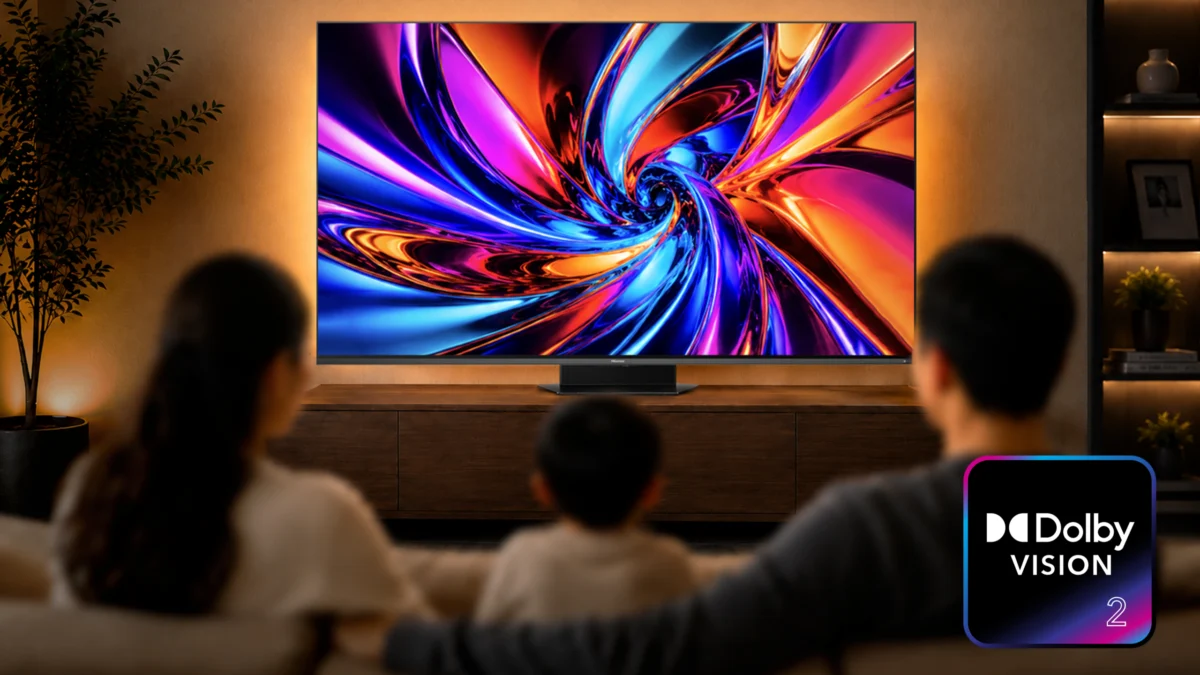
- The Next-Gen HDR Format War: Dolby Vision 2 and HDR10+ Advanced have officially rolled out on select consumer televisions, pitting Dolby against Samsung-backed technologies in a renewed battle for visual supremacy.
- Sonos Expands its Ecosystem: Sonos introduced the Sonos Beam Ultra soundbar and the refined Sonos Ace Ultra wireless headphones, aiming to correct past missteps and capture a larger share of the home theater and personal audio market.
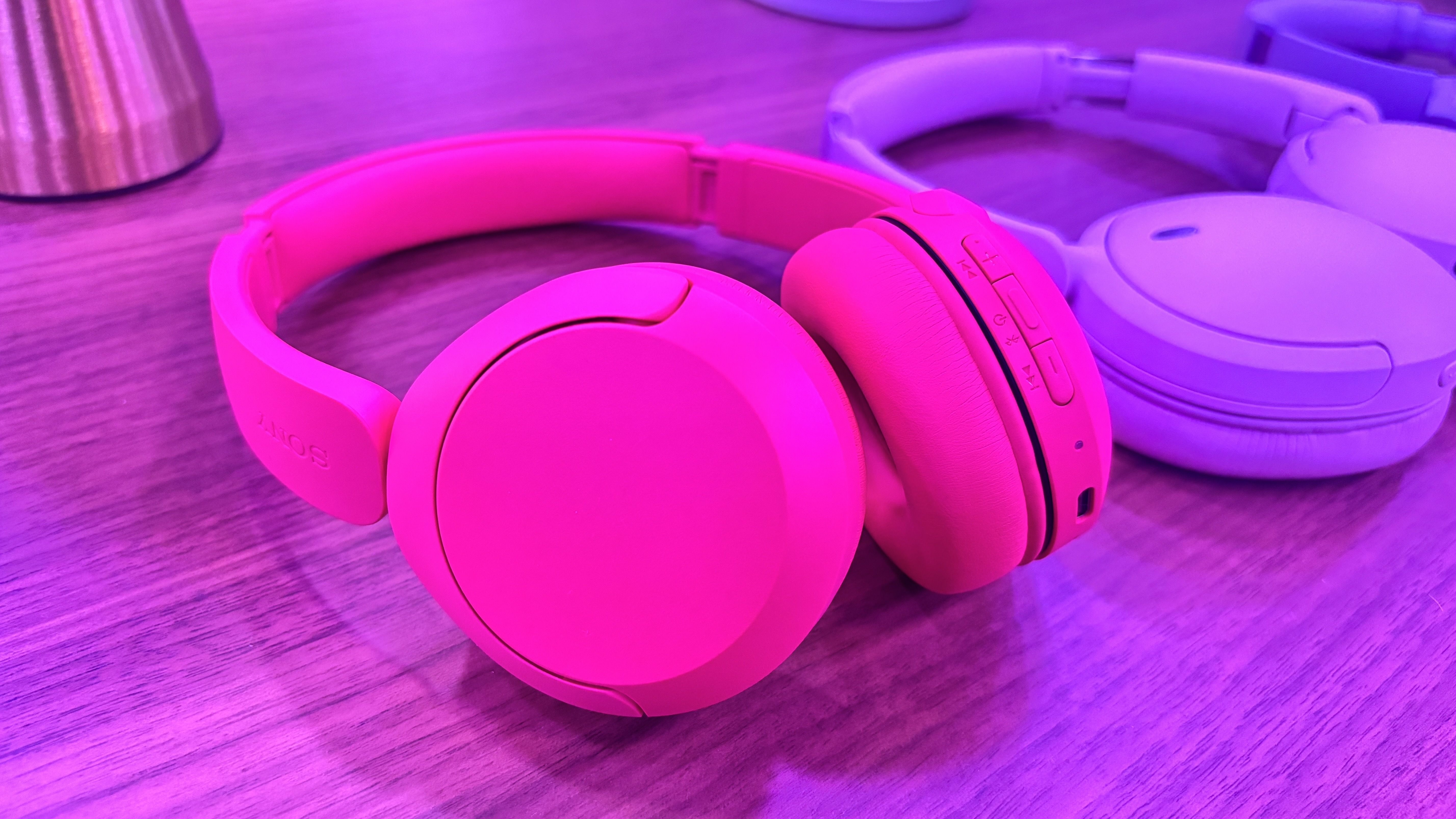
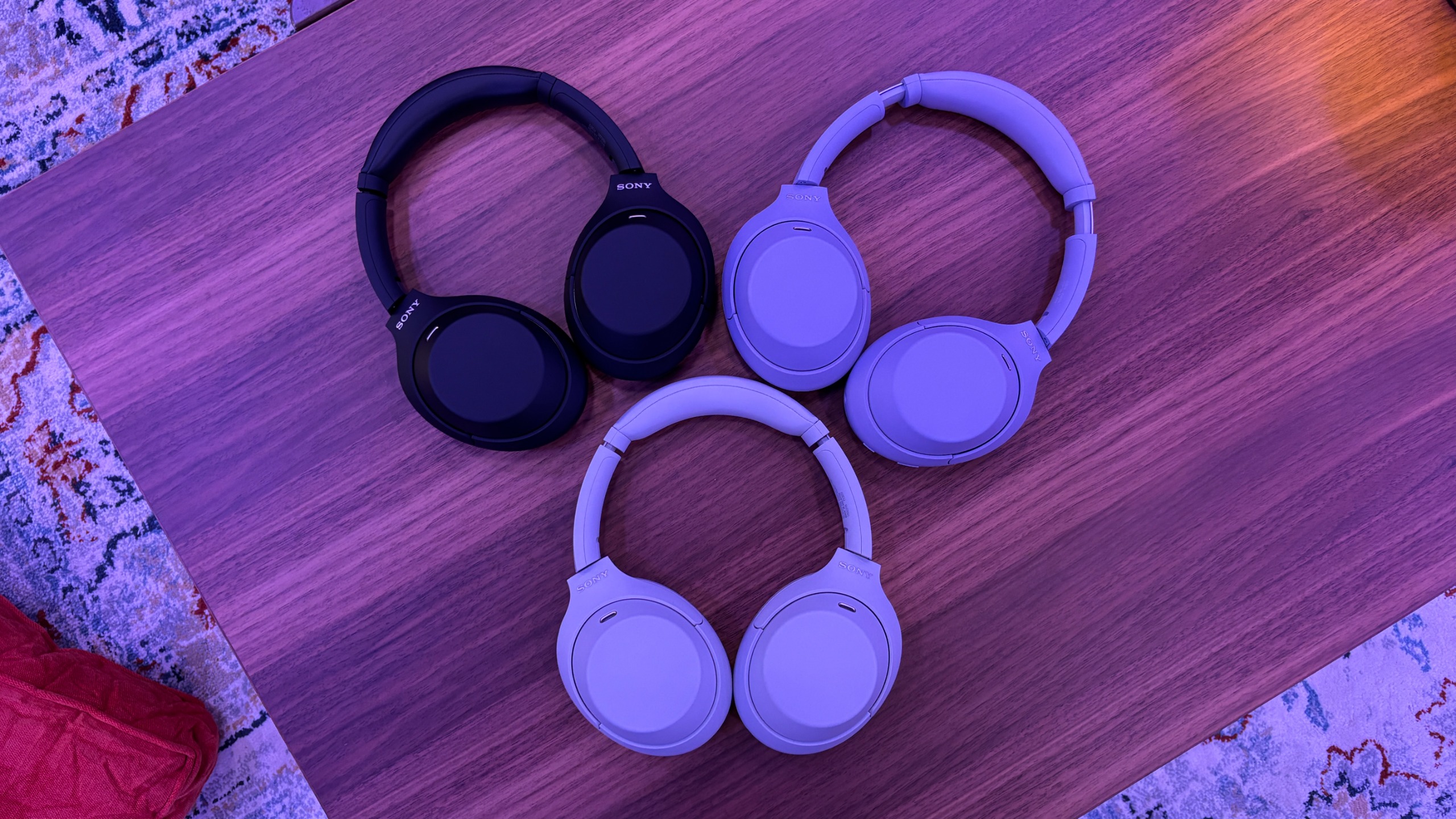
- Sony’s Triple Headphone Drop: Sony refreshed its legendary lineup with the WH-1000XM4C, alongside the value-focused WH-CH530 and the redesigned, highly durable WH-CH730N wireless headphones.
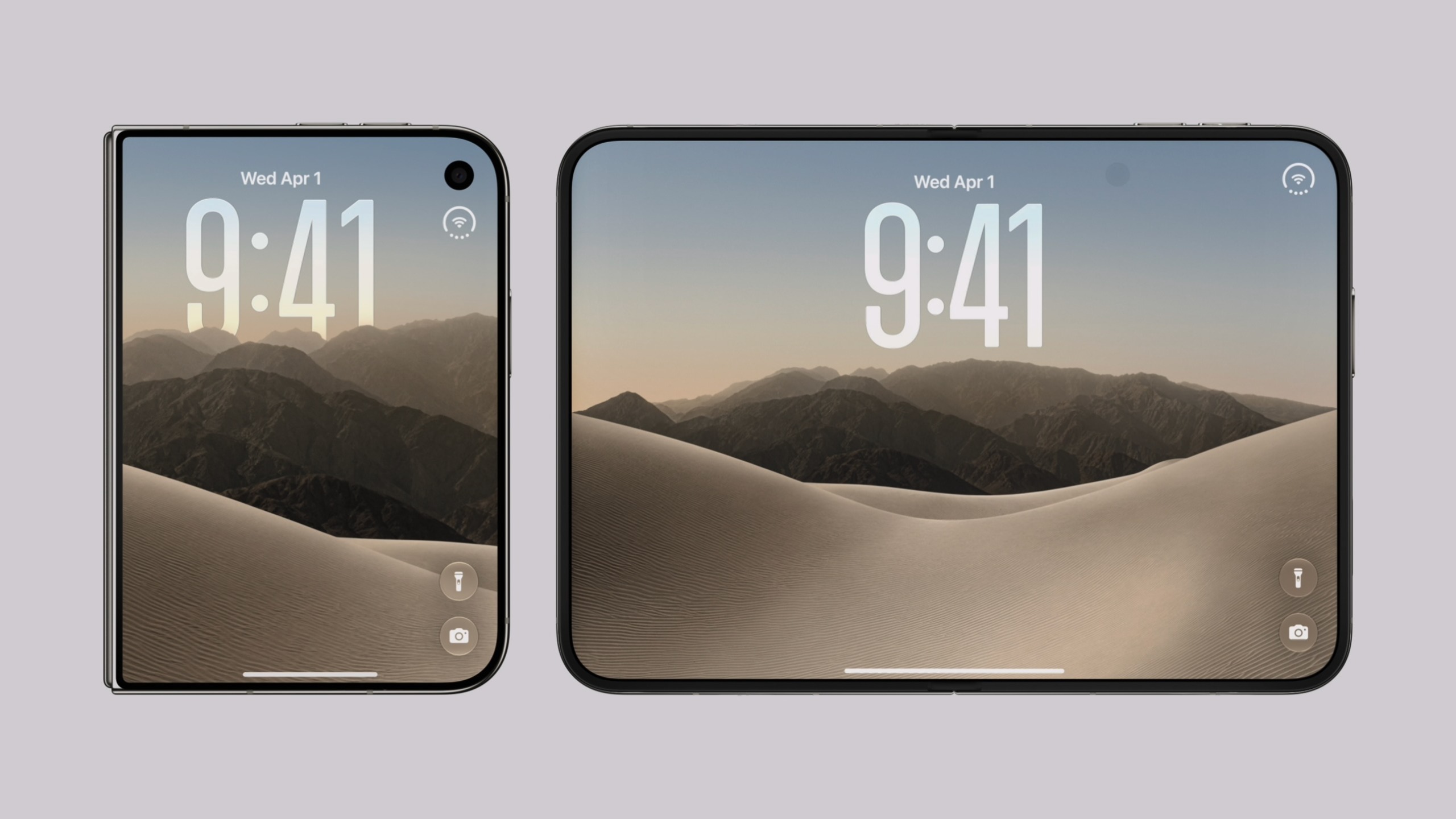
- Apple Enters the Foldable Market: Apple officially unveiled the long-awaited foldable "iPhone Duo," alongside the iPhone 18 lineup and the surprisingly robust AirPods 5.
- RGB Mini LED’s First Major Sales Test: Following its spring debut, RGB Mini LED panel technology faces its first major holiday shopping season, where aggressive Black Friday pricing could challenge OLED’s market dominance.
Chronology of Releases: A Packed Late-Summer and Autumn Schedule
The rollout of these transformative technologies follows a tightly packed schedule that keeps AV enthusiasts and casual consumers alike on high alert:
- August 6, 2026: Dolby Vision 2 officially launches via a firmware update on select Hisense televisions, introducing AI-powered picture optimization and advanced creator controls.
- Late August 2026: Samsung fires back by rolling out HDR10+ Advanced on its flagship displays, coinciding with the conclusion of IFA and Apple’s September event.
- September 18, 2026: Apple releases the iPhone 18 range (featuring two new Pro models with heavy AI and camera upgrades) and the feature-packed AirPods 5.
- September 23, 2026: The highly anticipated foldable iPhone Duo officially hits shelves, aiming to disrupt a market previously dominated by Samsung’s Z Fold series.
- September 29, 2026: Sonos officially releases both the Beam Ultra soundbar and the Sonos Ace Ultra headphones to the global market.
- Ongoing (Autumn/Winter 2026): Sony’s trio of new headphones (WH-1000XM4C, WH-CH730N, and WH-CH530) arrive in retail stores and test rooms worldwide, while RGB Mini LED TVs prepare for their debut holiday sales cycle.
Supporting Data: Specifications, Pricing, and Market Positioning
To understand the weight of these new releases, one must examine the specific hardware adjustments and pricing strategies employed by manufacturers:
1. The HDR Formats
- Dolby Vision 2: Currently supported on select Hisense displays, with streaming availability limited to platforms like Peacock, CANAL+, and iQIYI.
- HDR10+ Advanced: Deployed on select Samsung TVs, currently exclusive to Amazon Prime Video content library expansions.
2. Audio Hardware
- Sonos Beam Ultra: A dedicated step-up model positioned above the five-star Sonos Beam (Gen 2), featuring newly integrated up-firing Dolby Atmos drivers. Release date: September 29.
- Sonos Ace Ultra: Redesigned acoustic architecture, new drivers, and upgraded Active Noise Cancellation (ANC) built to address criticism of the original, three-star Sonos Ace. Release date: September 29.
- Sony WH-1000XM4C: A revised version of the iconic WH-1000XM4, featuring EU-compliant batteries and sound profiles leaning toward the WH-1000XM6. Battery life adjusted to 27 hours (down from 30), countered by a lower retail price of £219 / $300 / AU$449.95.
- Sony WH-CH730N: Budget noise-canceling cans featuring a premium, foldable design reminiscent of the Sonos Ace, boasting a titanic 75-hour battery life.
- Sony WH-CH530: On-ear budget alternative with an extended 55-hour battery life, enhanced digital signal processing, and Dual Noise Sensor technology.
3. Mobile and Wearables
- Apple iPhone Duo: Features a 5.4-inch outer display and a 7.6-inch inner foldable screen, complete with top- and bottom-mounted speakers for immersive spatial audio.
- Apple AirPods 5: Base model now features Active Noise Cancellation (ANC), multi-port acoustic architecture, and transparency mode. Base battery life is rated at 4 hours, drawing scrutiny from critics. Premium tier adds a wireless charging case, volume swipe controls, and an extra hour of battery.
Official Responses and Industry Insights
Industry manufacturers are positioning their 2026 hardware as direct answers to evolving consumer demands for higher fidelity, smarter automation, and expanded form factors.
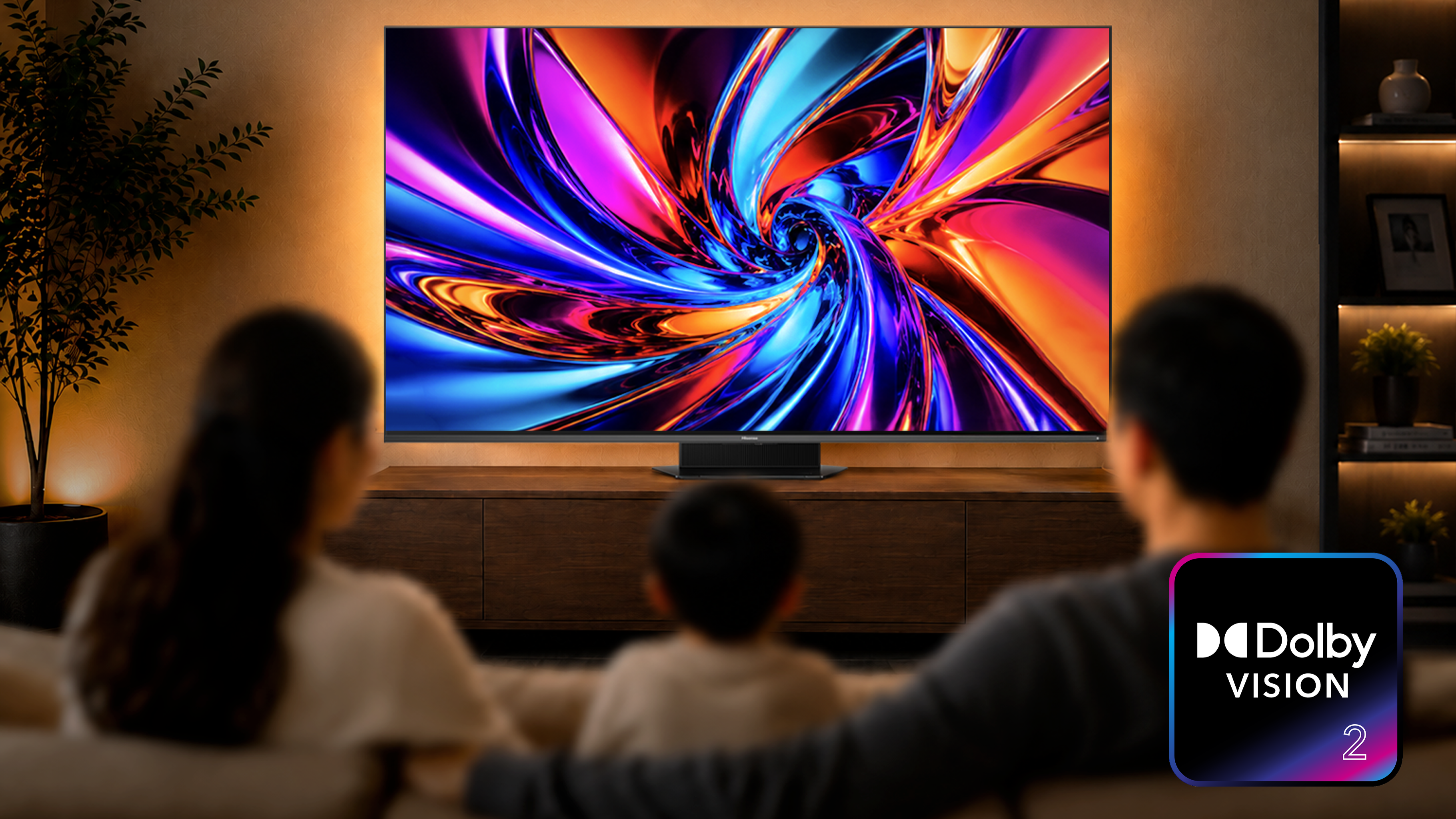
Speaking on the introduction of Dolby Vision 2, representatives from Dolby emphasized the shift toward intelligent, context-aware visual fidelity: "Creators demand precise control over how their vision translates into millions of living rooms, while viewers expect displays to adapt dynamically to their environments without sacrificing artistic intent." Similarly, Samsung’s rollout of HDR10+ Advanced champions an open-standard ecosystem designed to give independent studios and streaming providers greater metadata control over peak brightness and dynamic tone mapping.
In the audio sector, Sonos is banking heavily on the redeemable qualities of its updated hardware. Following lukewarm receptions to some previous iterations, acoustic engineers at Sonos noted that the feedback regarding the original Sonos Ace directly shaped the acoustic tuning and ANC algorithms built into the Ace Ultra.

Sony’s aggressive multi-product headphone launch underscores a strategy of market saturation. By balancing premium legacy updates (WH-1000XM4C) with extreme endurance in budget brackets (WH-CH730N’s 75-hour battery life), Sony continues to capture every tier of the consumer audio market simultaneously.
Implications: What This Means for the Consumer
The implications of this autumn’s technological deluge will ripple through the consumer electronics market well into 2027.
The Format War Dilemma
For home cinema enthusiasts, the heating up of the Dolby Vision 2 versus HDR10+ Advanced rivalry brings both excitement and caution. While next-generation picture optimization promises unprecedented realism, the current fragmentation of streaming support—where viewers must rely on specific hardware brands to access specific HDR formats—risks confusing mainstream consumers. The coming months in professional testing rooms will determine whether these proprietary standards offer a meaningful leap over existing HDR formats or merely complicate purchasing decisions.
Mobile Innovation Meets Practicality
Apple’s entry into the foldable space with the iPhone Duo marks a psychological turning point for the smartphone industry. By challenging established titans like the Samsung Galaxy Z Fold 8, Apple is validating the foldable category for the mainstream consumer. However, questions surrounding durability, crease management, and content aspect ratios will be fiercely debated by early adopters. Meanwhile, the mixed reception to the AirPods 5’s four-hour base battery life highlights a persistent tension in consumer tech: the trade-off between miniaturizing advanced features (like ANC and live translation) and maintaining practical everyday usability.
The Display Market at a Crossroads
Finally, the intersection of RGB Mini LED technology and the upcoming holiday sales season represents a critical test for non-OLED display panels. While RGB Mini LED offers blistering peak brightness and remarkable color volume, its historical stumbling block has been its OLED-comparable price tag. If retailers roll out deep Black Friday discounts on sets like the Sony Bravia 9 II, Bravia 7 II, and Hisense UR9, it could permanently alter the market hierarchy, forcing OLED manufacturers to reconsider their pricing models.
Ultimately, consumers are advised to hold off on premature holiday planning. With critical reviews pending, firmware updates rolling out, and fierce sales competitions on the horizon, the final months of 2026 offer some of the most compelling technology upgrades seen in years.