Introduction: The Invisible Symphony of Built Environments
How we perceive a physical space often depends on the depth and intentionality of its design. Much like a sophisticated piece of classical music, interior architecture can be understood as an intentional composition. It possesses a beat, a tempo, and harmonious elements that must work in concert to evoke a specific emotional response from those who experience it. In this symphony of design, the textures utilized throughout a room act much like the instruments chosen for a score. They are critical to achieving the desired atmosphere, dictating not only how a room looks, but how it feels, breathes, and sounds.
For decades, the mainstream architecture and interior design industries treated visual aesthetics and acoustic performance as two distinct, often competing, disciplines. Designers focused on clean lines, minimalist palettes, and sleek, uninterrupted surfaces like glass, concrete, and polished drywall. Meanwhile, acousticians were brought in reactively—often as an afterthought—to fix echoing boardrooms, noisy open-plan offices, and cacophony-filled restaurants by sticking utilitarian foam panels onto finished walls.
Today, that paradigm is shifting rapidly. Driven by advances in sustainable material science and a deeper understanding of human neurobiology, modern designers are discovering that texture is the ultimate bridge between visual beauty and acoustic comfort. By addressing both sonic and aesthetic impacts early in the design process, architects are transforming passive boundaries into active, multi-sensory canvases.
The Main Facts: The Intersection of Surface Texture and Sound
At its core, the revolution in modern space planning is rooted in physics and human psychology. The tactile feel and visual appearance of textures within a space fundamentally dictate its visual identity—its perceived size, spatial flow, and rhythm—while simultaneously governing its acoustic properties.
When sound waves encounter hard, flat surfaces, they do not dissipate; instead, they bounce off relentlessly. This phenomenon causes echoes and reverberation, which significantly elevate ambient noise levels in a room. Consequently, speech becomes harder to understand, focus becomes difficult to maintain, and occupants experience mental fatigue much faster.

Textured surfaces, by contrast, act as natural acoustic diffusers. Instead of reflecting sound waves back into the room in a single concentrated beam, textured walls and ceilings scatter sound waves in multiple directions, effectively breaking them apart and reducing reverberation.
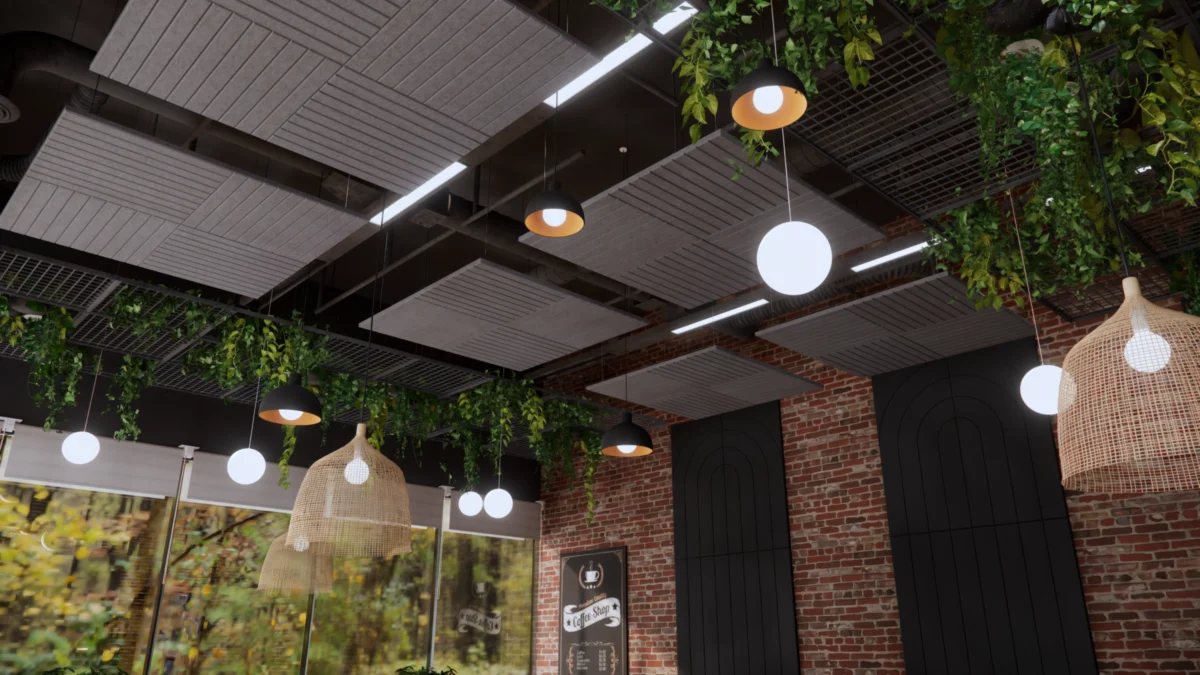
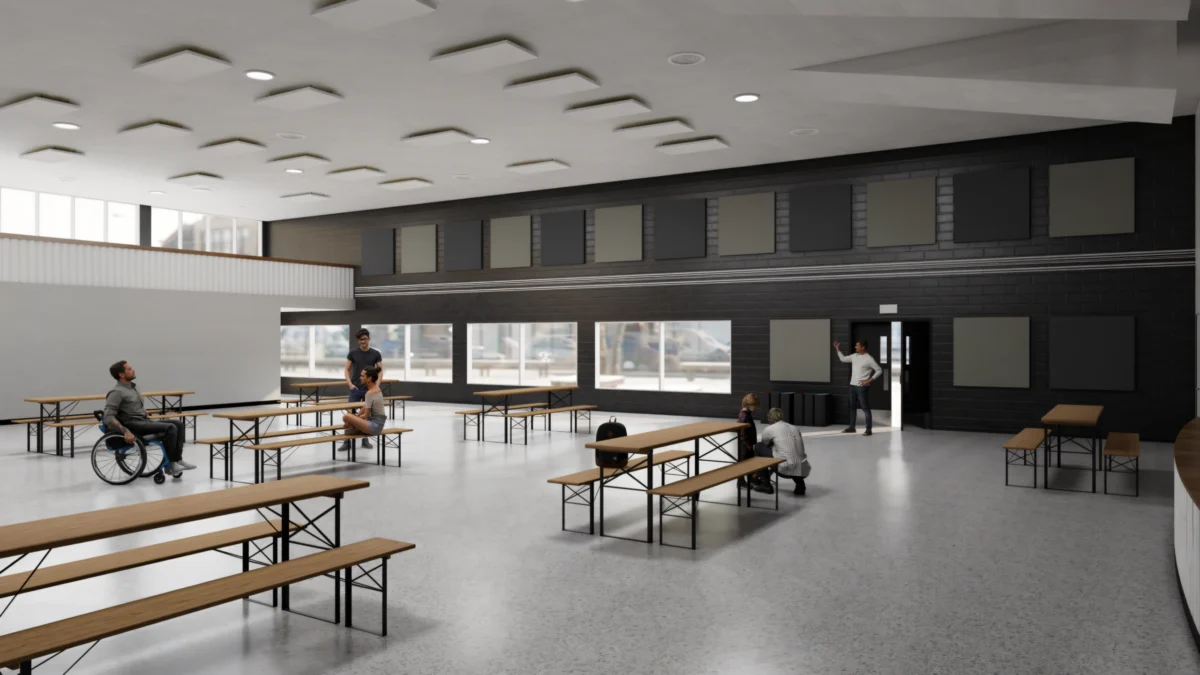
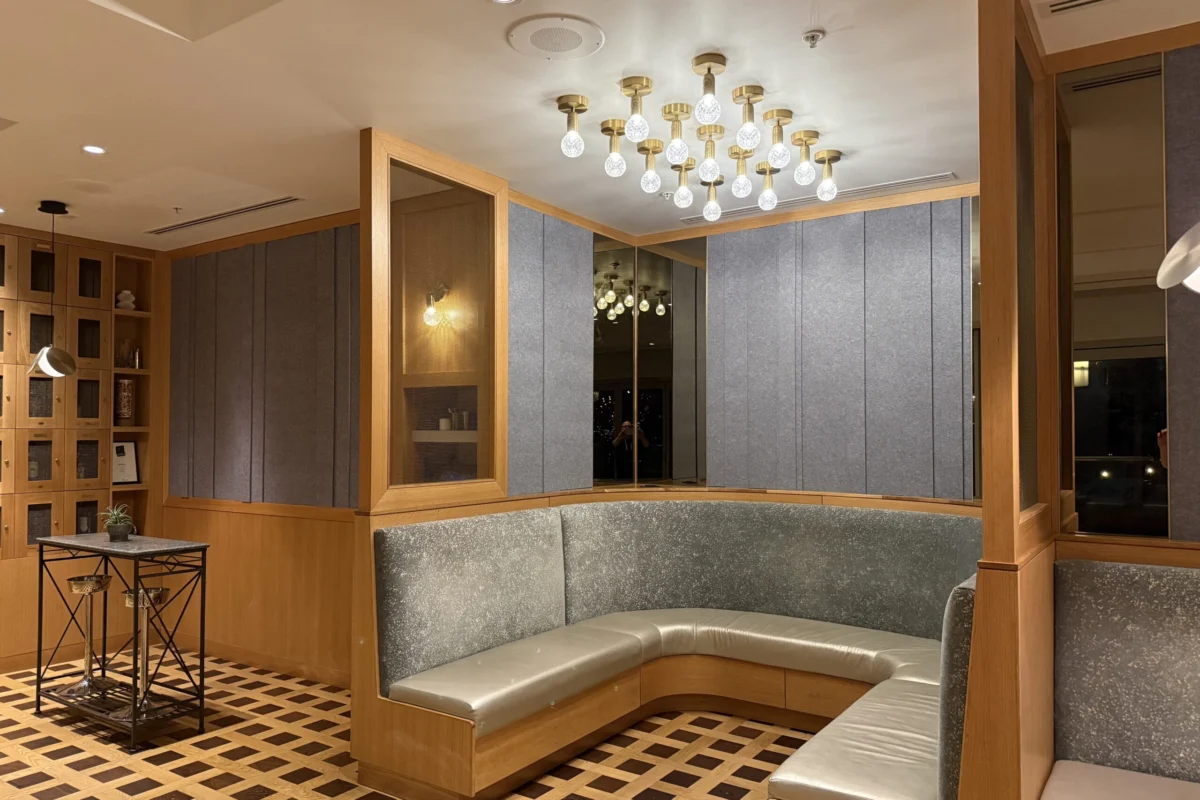
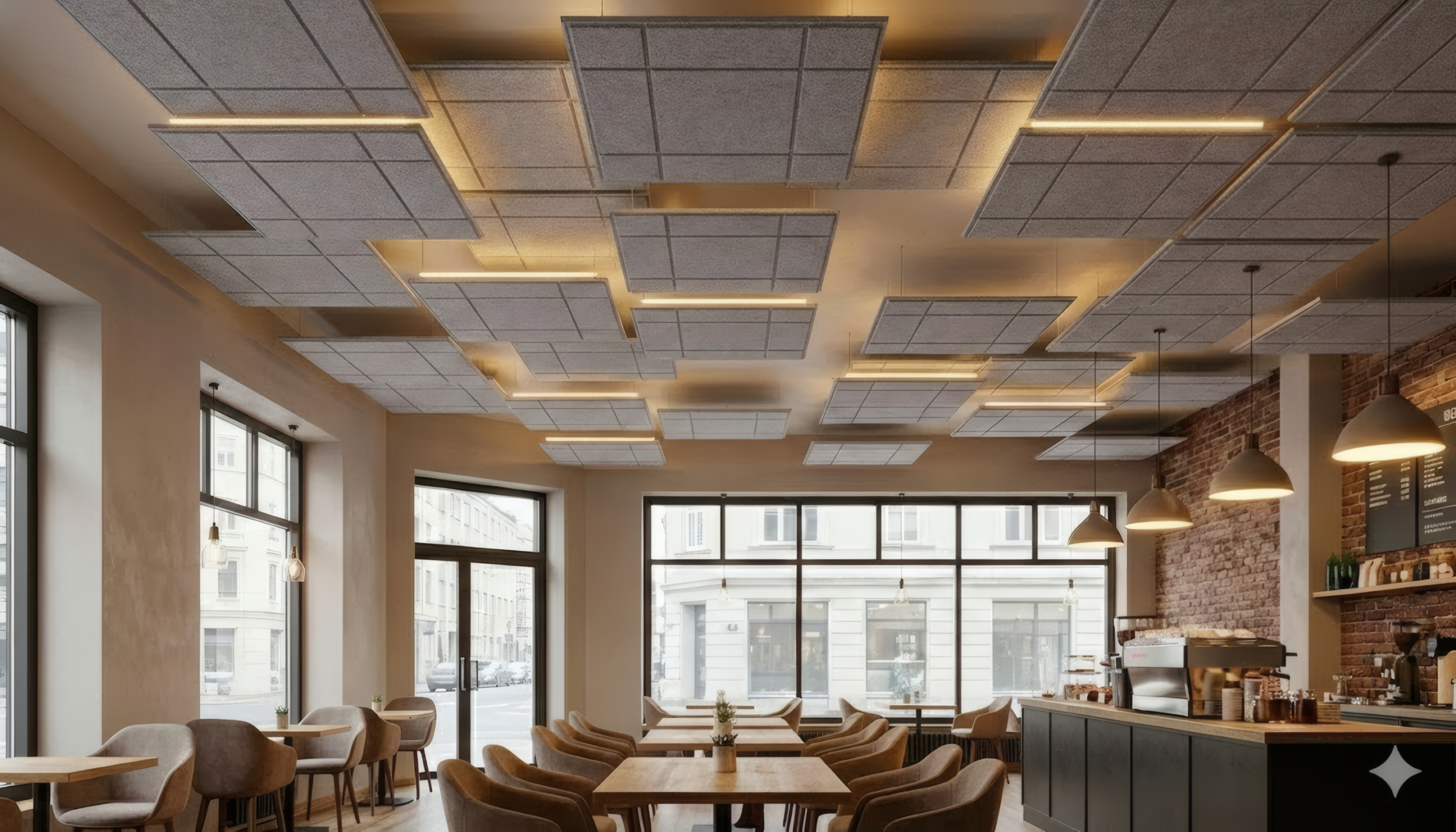
To achieve this without compromising aesthetic integrity, the industry has increasingly turned to Polyethylene Terephthalate (PET) felt—a high-performance material sourced from recycled plastic bottles. PET acoustic panels offer a dual benefit: exceptional sound absorption combined with extreme design flexibility. Because the material can be precisely cut, molded, and custom-carved, it allows designers to create sophisticated feature walls and ceiling clouds that double as high-end art installations while aggressively mitigating indoor noise pollution.
Chronology: The Evolution of Acoustic Integration in Architecture
To understand how the design community arrived at the current integration of texture, sustainability, and sound, it is helpful to trace the evolution of architectural acoustics over the past century.
Era of Functional Segregation (Mid-20th Century)
During the mid-20th century, the rise of the Modernist movement championed minimalism, industrial materials, and unadorned surfaces. While visually striking, these spaces were notoriously difficult acoustically. Sound mitigation was viewed purely through an industrial lens, reserved for recording studios, auditoriums, and heavy manufacturing facilities. Offices and public buildings simply lived with the echo.
The Reactive Fix Era (Late 20th to Early 21st Century)
As corporate environments evolved toward open-plan offices and collaborative workspaces, noise pollution became a chronic workplace hazard. The immediate industry response was reactive. Acoustic tiles, wrapped fiberglass panels, and ugly foam wedges were bolted onto finished walls after construction was complete. These interventions frequently clashed with the interior designer’s original vision, leading to a perennial tug-of-war between visual aesthetics and acoustic functionality.
The Sustainable Material Revolution (2010s)
The introduction of recycled PET felt marked a turning point in sustainable manufacturing. Initially valued strictly for its green credentials and sound-absorption coefficients, designers quickly realized that PET felt possessed unique structural properties. Unlike traditional brittle or fibrous acoustic materials, it could be routed, engraved, and carved with CNC precision.
The Holistic Design Movement (Present Day)
Today, acoustic treatment is no longer a remedial measure applied at the eleventh hour. Forward-thinking architectural and acoustic firms—such as Primacoustic with their EcoScapes Contour line—are engineering acoustic solutions designed to be integrated during the conceptual phase of a project. Walls are no longer viewed merely as structural dividers or flat backgrounds, but as active, breathing surfaces that shape the human experience through engineered texture.
Supporting Data and Technical Insights: Walls as Active Surfaces
Modern architectural research underscores the profound impact that environmental noise and sterile acoustics have on human well-being. According to numerous workplace and educational studies, high reverberation times and elevated background noise directly correlate with increased cortisol levels, reduced productivity, and impaired cognitive communication.
To counteract these effects without sacrificing contemporary design preferences, technical innovations in surface treatments have become essential.
- Material Composition: PET acoustic panels typically utilize a high percentage of post-consumer recycled plastic, making them a cornerstone of sustainable building certifications like LEED and WELL.
- Diffusion vs. Absorption: While traditional acoustic foam primarily absorbs sound, carved PET panels combine absorption with geometric diffusion. By varying the depth, angle, and rhythm of carved grooves, these panels scatter high- and mid-frequency sound waves while absorbing lower frequencies.
- Design Versatility: Modern CNC routing allows PET panels to be manufactured in thicknesses ranging from standard wall applications to deep, three-dimensional architectural reliefs. They can be precision-cut into custom corporate logos, organic topographical maps, or rhythmic geometric patterns that play with ambient light and shadow.
Official Responses and Industry Perspectives
Industry leaders and acoustic engineers emphasize that the future of interior design lies in dissolving the boundaries between technical utility and artistic expression.

Design advocates point out that contemporary spaces often lean heavily on minimalist elements—such as polished concrete floors, exposed glass partitions, and expansive drywall expanses. While these elements impart a sense of visual serenity and order, easing the mental clutter of fast-paced workflows, they are acoustically disastrous.
"When people think of acoustic panels, they often imagine something intrusive that detracts from a clean, uncluttered aesthetic," explains a lead product development specialist in architectural acoustics. "However, the inherent flexibility of materials like PET allows us to create surface solutions that are virtually indistinguishable from high-end architectural millwork or custom wall cladding."
Furthermore, acoustic consultants stress the economic and aesthetic benefits of early integration. When acoustic textures are conceptualized alongside lighting, spatial flow, and finish selections, they deepen the overarching design intent rather than diminishing it.
"Instead of adding pictures, posters, or post-construction hanging baffles in a desperate effort to fix an echoey room, carved acoustic panels allow you to engrave your personality directly into the architecture," industry designers note. "It transforms a plain, functional boundary into an intentional, narrative-driven feature."
Implications: Designing Spaces That Look Good and Feel Right
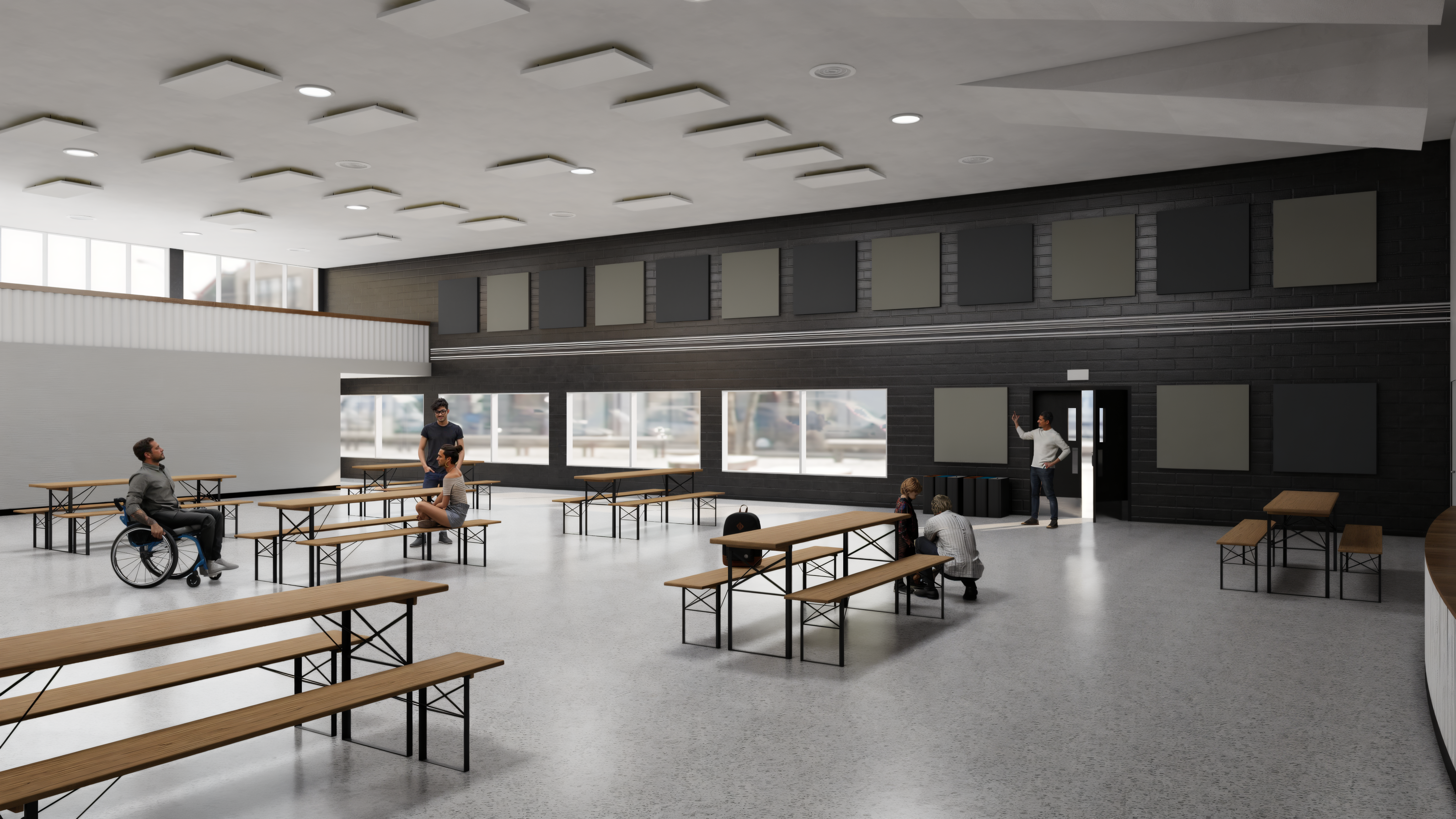
The movement toward textured, acoustically optimized architectural surfaces carries profound implications for multiple sectors, including corporate workplaces, educational institutions, hospitality venues, and healthcare facilities.
1. Enhanced Cognitive Performance and Well-being
In corporate offices and schools, acoustic comfort directly influences concentration and information retention. By controlling reverberation through artfully integrated wall and ceiling textures, organizations can drastically reduce auditory fatigue, creating environments where people can communicate clearly and think deeply without subconscious stress.
2. Streamlined Project Delivery and Cost Efficiency
By considering acoustics early in the architectural programming phase, project teams avoid the costly delays and aesthetic compromises associated with retrofitting acoustic treatments. Wall panels that serve a dual purpose—acting simultaneously as structural interior finishes and high-performance sound dampeners—optimize material usage and reduce labor overhead.
3. Elevating Brand Identity and Emotional Resonance
Interior spaces are powerful storytelling tools for brands, institutions, and cultural hubs. Custom-carved acoustic surfaces offer a medium through which interior designers can manipulate light, shadow, depth, and rhythm. Whether establishing a calming atmosphere for a healthcare clinic or an energetic, dynamic beat for a tech startup, textured surfaces make a space as unique as the human activities taking place within it.
Conclusion
Ultimately, the growing emphasis on texture proves that the most successful interior environments operate on multiple sensory levels. Just as a masterful musical composition relies on a delicate balance of rhythm, harmony, and instrumentation, the built environment requires an intentional orchestration of sight, touch, and sound. By recognizing that acoustic comfort is just as critical to the human experience as visual beauty, modern architecture is entering a new era—one where spaces not only look exceptional, but truly feel right.