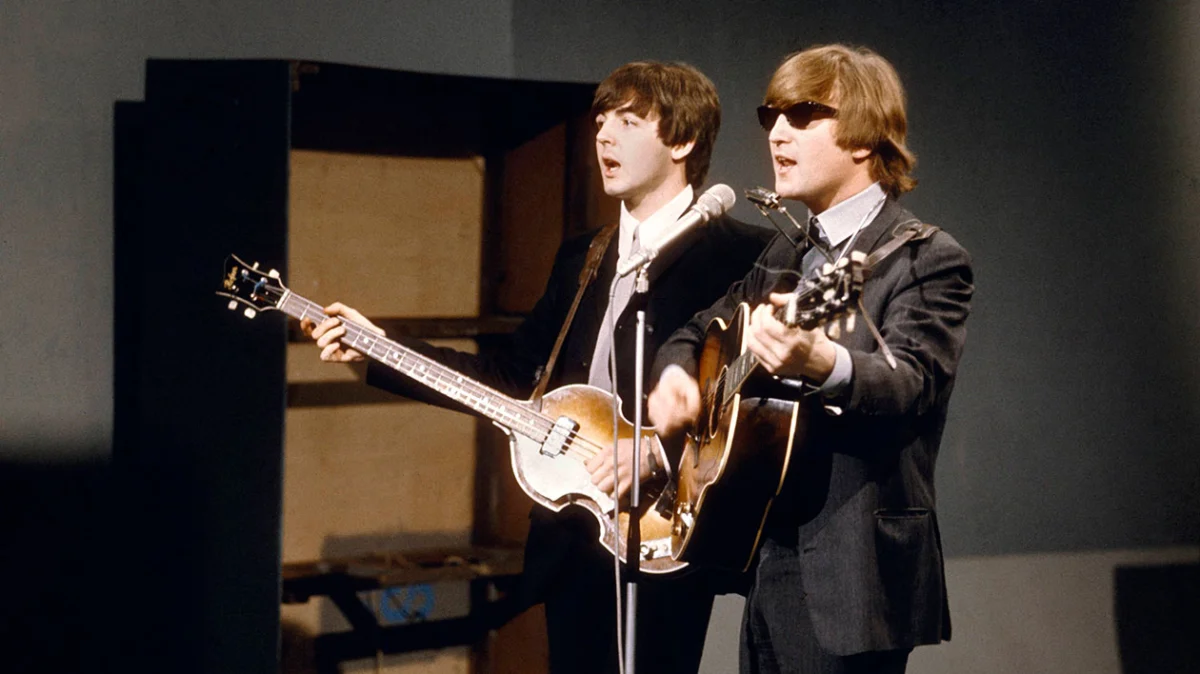
The architecture of a pop hit is often shrouded in mystery, yet the history of the Billboard Hot 100 provides a clear, data-driven map of the architects behind the music that has defined generations. From the raw, melodic genius of the British Invasion to the polished, precision-engineered sound of modern Scandinavian pop, a select group of songwriters and producers have consistently navigated the shifting tides of public taste to claim the top spot on the world’s most significant music chart.
As of the chart dated June 20, 2026, the pantheon of songwriting and production royalty remains dominated by iconic figures whose influence spans decades, styles, and continents. While recording artists like The Beatles and Mariah Carey hold the spotlight for their chart-topping records, the men and women behind the mixing board and the notebook have proven to be the true engine room of the music industry.
The Titans of Composition: The Songwriting Hierarchy
When analyzing the songwriters with the most No. 1 hits, the names at the top are as much about cultural legacy as they are about numerical superiority.
Paul McCartney leads the field with a staggering 32 Hot 100 No. 1 hits. His career, which began with the seismic cultural shift of The Beatles, evolved through his experimental work with Wings and a prolific solo career that has spanned over six decades. McCartney’s ability to pivot between avant-garde pop, rock, and tender ballads has allowed him to maintain a level of commercial relevance that is virtually unmatched in the history of the industry.
In second place sits Max Martin, the Swedish powerhouse whose influence on modern music cannot be overstated. With 30 No. 1 singles to his name, Martin has become the definitive sound of the 21st century. His streak began in 1999 with Britney Spears’ "…Baby One More Time" and continues through to recent successes such as Ariana Grande’s "Hate That I Made You Love Me." Martin’s approach—often referred to as "melodic math"—prioritizes hooks and sonic clarity, a formula that has defined the work of artists ranging from the Backstreet Boys to The Weeknd.
John Lennon, McCartney’s partner in the most successful songwriting duo in history, holds the third position with 26 No. 1 hits. His contributions, characterized by biting wit and raw emotional honesty, provided the perfect counterbalance to McCartney’s melodic optimism. Together, they turned the art of songwriting into a global industry.
The Production Bench: Defining the Sonic Landscape
While songwriting is the blueprint, production is the construction. The producers who guide these songs to the summit of the charts are often the unsung heroes of the studio.
Max Martin has officially surpassed the legendary George Martin for the most Hot 100 No. 1s as a producer, now boasting 28 such hits. George Martin, the "Fifth Beatle," famously produced 19 of The Beatles’ 20 chart-toppers. The only exception during the band’s reign was 1970’s "The Long and Winding Road," which was produced by Phil Spector. George Martin’s legacy is defined by his willingness to experiment, incorporating orchestral arrangements and unconventional studio techniques that changed the trajectory of rock music forever.

Beyond the Martins, the history of production is marked by collaborative duos who defined their respective eras. James "Jimmy Jam" Harris III and Terry Lewis, for instance, were the architects of the "Minneapolis Sound." By blending R&B, funk, and electronic textures, they produced 16 Hot 100 No. 1 hits, including nine for Janet Jackson. Their work on tracks like "U Remind Me" by Usher and "Always Be My Baby" by Mariah Carey demonstrated a versatility that allowed them to transcend genre boundaries.
A Chronological Evolution of the Hitmaker
The evolution of these rankings tells the story of how music consumption has changed over the last 70 years.
The 1960s: The Era of the Collective
The 1960s were defined by the Motown sound, spearheaded by the trio of Brian Holland, Lamont Dozier, and Eddie Holland. Their work with The Supremes remains the gold standard for songwriting and production consistency. They crafted a formula of tight harmonies and infectious melodies that dominated the airwaves, setting the stage for the professionalized songwriting structures we see today.
The 1970s and 80s: The Rise of the Auteur
The 1970s saw the emergence of figures like Barry Gibb. As a key member of the Bee Gees, Gibb navigated the shift from blue-eyed soul to the global dominance of disco. His work, often in collaboration with producers Albhy Galuten and Karl Richardson, proved that self-contained groups could maintain a vice-like grip on the charts for years at a time.
The 1990s to Present: The Professionalization of Pop
The late 1990s marked the transition into the modern era. Max Martin’s emergence brought a level of technical precision to the recording process that favored high-frequency, earworm melodies. This period also saw the ascent of self-writing icons like Mariah Carey, who holds a unique place in history. With 19 No. 1 hits as an artist, she also holds 18 as a writer and 15 as a producer. Her success with "All I Want for Christmas Is You"—a song that took 25 years to reach No. 1—highlights how holiday music and legacy tracks have become a vital part of the chart landscape in the streaming era.
Data Analysis: The Metrics of Success
To understand how these figures reach such lofty heights, one must look at the data provided by Billboard’s research department. The distinction between a writer and a producer is increasingly blurred in the modern era, as artists and creators take on multiple roles in the studio.
However, the sheer volume of output required to reach 20+ No. 1 hits is a feat of endurance. Many of the top-ranking producers and writers achieve this through a "sprint and marathon" approach: they provide a string of hits for a single artist over several years (like Jimmy Jam and Terry Lewis with Janet Jackson), or they serve as a rotating "hit machine" for the industry at large (like Max Martin).
Furthermore, the data underscores the importance of the Billboard Hot 100 as the definitive record of popular culture. Unlike other metrics, which may focus on album sales or streaming volume alone, the Hot 100 combines radio airplay, sales, and streaming data, ensuring that the writers and producers on these lists truly represent the songs that define the zeitgeist.

Implications for the Future of Music
The shift in the rankings over the last decade reveals several key trends for the future of the music industry.
First, the longevity of the songwriter-producer is increasing. As production software becomes more accessible and the global market for music expands, the ability for a single creative team to remain at the top for multiple decades is becoming a defining feature of the business.
Second, the role of the legacy artist is shifting. With the rise of social media and the "TikTok effect," older songs are hitting the charts with newfound momentum. This benefits writers like McCartney, Lennon, and even modern icons like Mariah Carey, whose back catalogs are constantly being rediscovered by new generations.
Third, collaboration is the new currency. While the era of the "lone genius" in a room writing a hit has not disappeared, the most successful tracks are increasingly the result of massive collaborative efforts. Modern hits often credit five, ten, or even more writers and producers. Despite this, the individuals at the top of these rankings remain the "anchors" who provide the vision for these massive collaborative efforts.
Conclusion: The Enduring Legacy of the Creator
The names listed in the Billboard record books—McCartney, Martin, Lennon, Carey, and others—are more than just statistics. They are the individuals who have successfully navigated the transition from vinyl to tape, from CD to the digital download, and finally to the streaming age.
Their success is a testament to the fact that while technology changes, the fundamental human need for a well-crafted melody and a compelling story remains constant. As the industry continues to evolve, these architects of sound will remain the benchmarks against which all future success is measured. The history of the Hot 100 is not merely a list of songs; it is a chronicle of human creativity, proving that the right combination of notes, words, and production techniques can truly change the world.