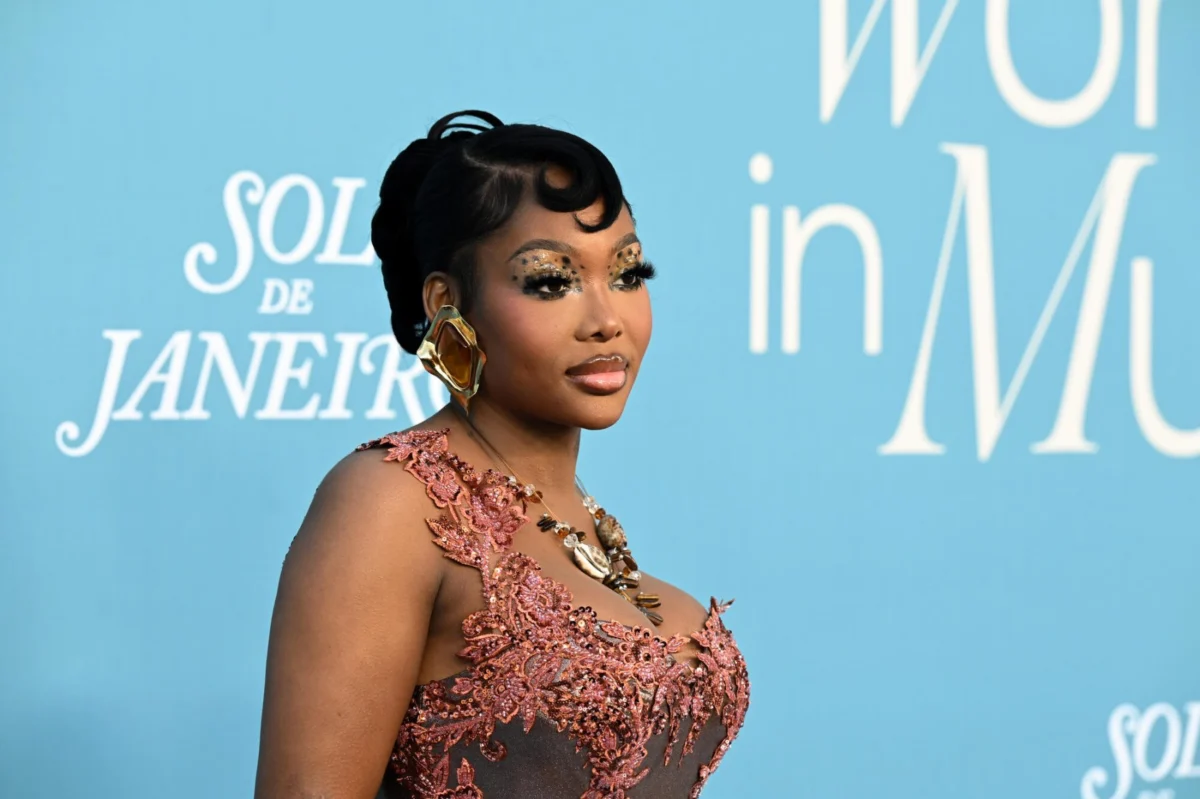
The R&B landscape has been rocked by a high-stakes legal confrontation as Grammy-nominated singer Summer Walker finds herself entangled in a two-front war against the industry’s most prominent power players. While the singer is already locked in a public dispute with Interscope Records over the terms of her recording contract, explosive new details have emerged regarding a separate, aggressive lawsuit filed by Walker against her longtime management firm and label partner, LVRN (Love Renaissance).
The legal filings, which paint a picture of systemic financial exploitation, allege that the singer was subjected to "harsh and oppressive" business practices that effectively siphoned her earnings across music, touring, and merchandising. As the industry watches these proceedings unfold, the cases threaten to set a significant precedent regarding artist rights, the longevity of management deals, and the transparency of accounting in the digital streaming era.
The Genesis of the Dispute: A Complex Web of Agreements
Summer Walker’s rise to superstardom was marked by the 2017 signing of a joint venture agreement between Interscope Records and LVRN. At the time, the deal was viewed as a standard pathway for a burgeoning talent to reach global audiences. However, the litigation filed this past August suggests that the foundation of that partnership was built on questionable legal ground.
In her complaint, Walker asserts that she was never afforded the protection of independent legal counsel when she signed her deal with LVRN. This lack of professional oversight, she argues, allowed the company to secure exclusive, broad-reaching control over her professional life, including her touring revenue, merchandising rights, and her name, image, and likeness (NIL).
The lawsuit characterizes the agreement not as a partnership, but as a predatory arrangement that granted LVRN the power to act in bad faith. By centralizing management and label functions under one umbrella, Walker alleges that LVRN created a conflict of interest that permitted them to "skim" from her various income streams, effectively treating her career as a vehicle for their own capital gain rather than a collaborative effort.
A Chronology of the Legal Escalation
The current legal quagmire did not happen overnight. To understand the gravity of the situation, one must look at the timeline of events that led to this standoff:
- 2017: Summer Walker signs a joint recording and management agreement with Interscope Records and LVRN.
- August 2025: Walker initiates legal action against LVRN, alleging fraud, breach of fiduciary duty, and breach of contract.
- August 2025 (Four days later): Walker sends a formal notice to Interscope, attempting to invoke California’s seven-year statute regarding personal service contracts.
- October 9, 2025: Interscope Records counters with a $50 million lawsuit, claiming Walker has failed to fulfill her five-album contractual commitment.
- October 13, 2025: Public reports confirm the dual-pronged nature of the legal battle as court records from the LVRN case reach the media.
The timing of these filings is critical. By attempting to exit her contract under California’s labor laws, Walker sought to reclaim her autonomy. Interscope’s rapid response suggests that the label is prepared to fight aggressively to protect its investment in one of the most successful R&B artists of the decade.
The Allegations: Financial Mismanagement and Opaque Accounting
At the heart of the LVRN lawsuit is a claim of profound financial betrayal. Walker’s legal team contends that LVRN engaged in widespread misappropriation of funds. Specifically, the complaint alleges that the firm "fraudulently pocketed" money intended for Walker from touring, recording, and marketing budgets.
Perhaps more damaging are the claims regarding operational transparency. Walker alleges that LVRN repeatedly ignored her requests for an accounting of expenses. When an artist is denied a clear look at how their gross income is being allocated—or how their expenses are being calculated—it creates a shroud of mystery that the courts are now being asked to pierce.
Furthermore, the lawsuit highlights specific instances of alleged negligence:

- Merchandising Oversight: Walker claims she received no portion of the revenue from Amazon-hosted merchandise sales that utilized her likeness.
- Unauthorized Digital Presence: The singer alleges that LVRN operated a YouTube channel on her behalf without her knowledge or consent, effectively monetizing her brand without providing the due share of the proceeds.
- Expense Padding: The complaint suggests that LVRN improperly funneled various operating expenses through her personal music and tour budgets, a practice that, if proven, would be a clear violation of their fiduciary responsibilities.
"Plaintiff is informed and believes that Defendant has misappropriated a significant amount of monies that were otherwise due to Plaintiff," the filing reads. The refusal of LVRN to provide a full, transparent audit of their financial dealings with the singer is cited as a primary motivator for the litigation.
The Interscope Counter-Suit: The "Seven-Year" Battle
While the LVRN suit focuses on management ethics, the Interscope battle is a classic industry conflict over contractual fulfillment. Under California law, personal service contracts generally have a seven-year limit. However, the music industry enjoys a unique "carveout" amendment from 1987, which allows labels to sue for damages if an artist attempts to walk away before all album commitments are met.
Interscope’s $50 million claim is based on the assertion that Walker has only delivered three of her five promised albums. They point to her discography: the 2019 debut Over It, the 2021 chart-topper Still Over It, and the 2025 project Finally Over It. The label maintains that two additional albums are owed under the original 2017 agreement.
Walker’s legal team has signaled their intent to file a countersuit, setting the stage for a prolonged discovery process that will likely force both sides to disclose internal communications and financial data that they would otherwise prefer to keep private.
Implications for the Music Industry
This case serves as a high-profile cautionary tale for both artists and management firms. The primary implication is the renewed scrutiny of the "360-degree deal"—a business model where labels and management companies take a percentage of every revenue stream an artist generates. While these deals were designed to align the incentives of the label and the artist, critics have long argued that they create an inherent conflict of interest.
If Walker succeeds in voiding her LVRN contract, it could embolden other artists to challenge their own management agreements, particularly those who, like Walker, feel they were not properly represented by independent counsel during the signing process.
Moreover, the demand for transparent accounting is a growing trend. In an era where digital streaming and social media monetization have made revenue streams more complex than ever, the expectation for granular, real-time financial reporting is increasing. LVRN’s alleged refusal to provide such an accounting could become the focal point of a wider industry movement toward "right-to-audit" clauses that are more accessible to artists.
Official Responses and Future Outlook
As of mid-October 2025, representatives for LVRN have remained silent, failing to return requests for comment. Interscope, while remaining firm in its legal stance, has stated that it remains "hopeful that our ongoing discussions will lead to an amicable resolution."
Whether an "amicable resolution" is possible given the $50 million figure attached to the Interscope suit remains to be seen. Walker’s camp has stated that while they are preparing for a legal fight, they remain "open to a constructive resolution."
For now, the music world is waiting. Summer Walker’s battle is more than just a dispute between a star and her handlers; it is a fundamental test of the power dynamics that define modern music. As the courts prepare to weigh in on issues of fiduciary duty, contract law, and financial transparency, the outcome will likely reshape how artists—and the companies that represent them—navigate the business of sound for years to come.