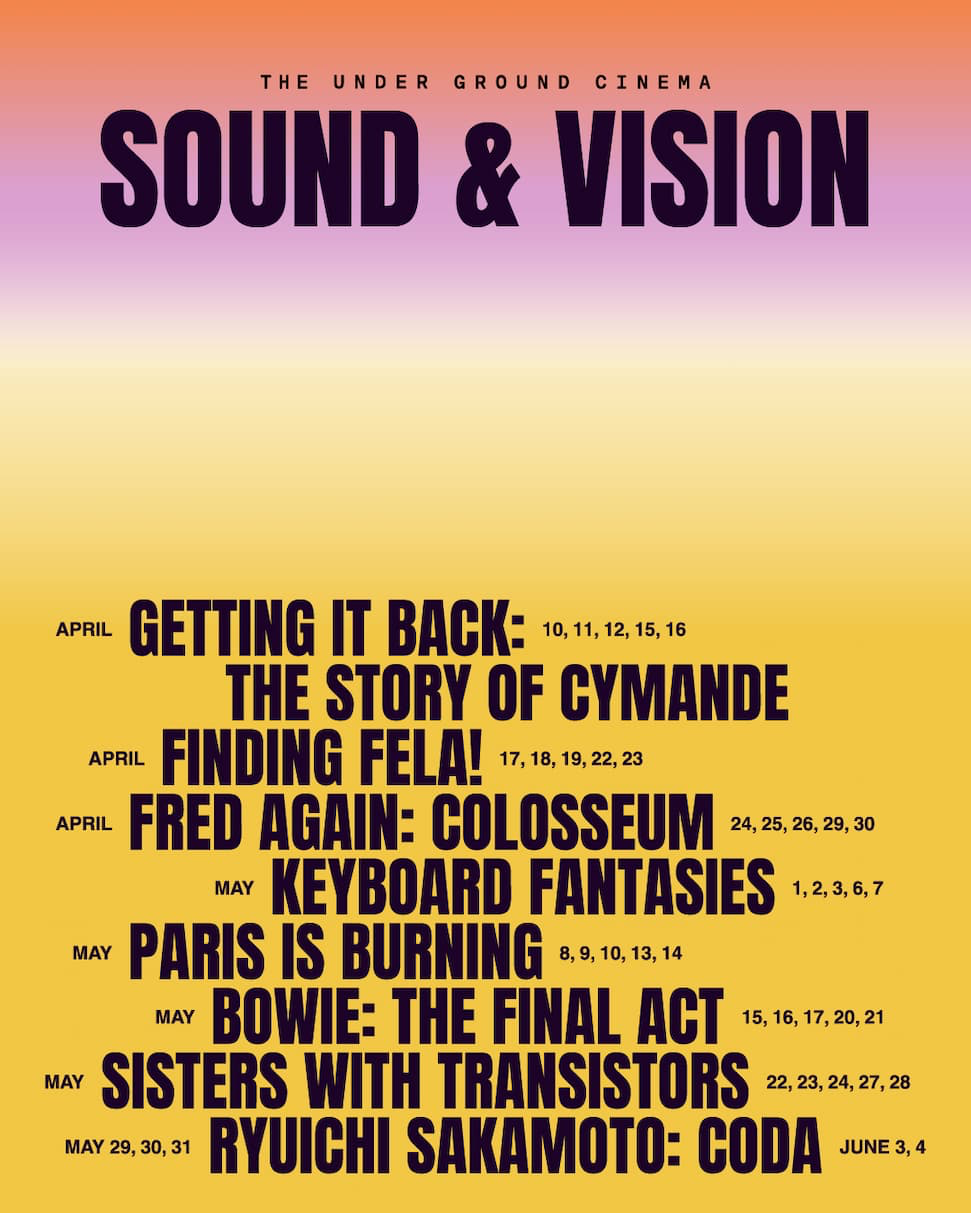
London’s cultural landscape is set for a profound transformation this spring as 180 Studios prepares to launch Sound & Vision, a sprawling, two-month residency dedicated to the intersection of music and the moving image. Following the critical success of its inaugural theatrical programming—specifically the immersive run of Kahlil Joseph’s BLKNWS: Terms & Conditions—the venue is officially cementing its status as a premier destination for cinematic art with "The Underground Cinema," a new permanent space designed to push the boundaries of how we experience music on screen.
Running from April 10 to June 4, 2026, Sound & Vision is more than a mere film series; it is a curated exploration of the artists, subcultures, and technological shifts that have defined the soundscape of the last century. From the raw, improvisational brilliance of UK jazz-fusion to the high-stakes drama of NYC ballroom culture and the intimate electronic meditations of modern-day luminaries, the program promises an eclectic, rigorous, and deeply emotive experience for London’s cinephiles and music enthusiasts alike.
The Genesis of The Underground Cinema
The launch of Sound & Vision marks a pivotal moment for 180 Studios. Located in the heart of London’s creative district, the venue has long been a hub for multidisciplinary art, but the establishment of "The Underground Cinema" signals a structural commitment to film as a primary medium.
By moving away from traditional exhibition models, the venue seeks to foster a communal environment where audiences can engage with long-form music documentaries and archival footage in a space optimized for sonic and visual fidelity. The decision to lead with a season centered on music reflects a growing demand for "living archives"—screenings that do not merely broadcast history but contextualize it within the contemporary cultural discourse.
A Chronological Journey Through Sound
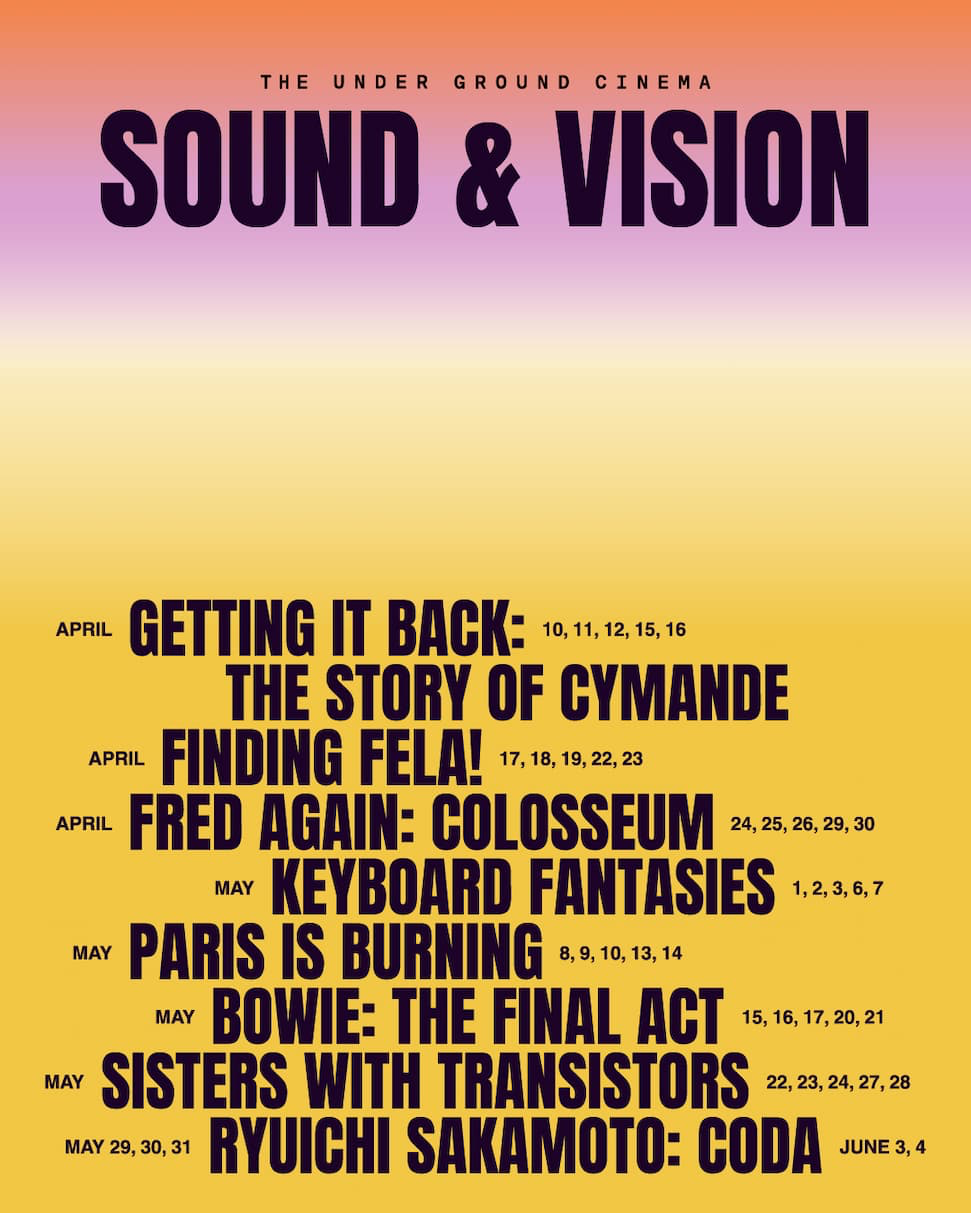
The Sound & Vision schedule is meticulously structured, offering a weekly rotation that tracks the evolution of musical expression. Below is the full itinerary for the season:
April: The Roots of Rhythm and Rebellion
- April 10–16: Getting It Back: The Story of Cymande (2022)
The season opens with the long-overdue spotlight on Cymande. Despite being one of the most influential jazz-funk outfits to emerge from the UK, the band remained largely overlooked by mainstream history until recently. This documentary captures their journey, their irresistible rhythms, and their enduring message of peace. - April 17–23: Finding Fela (2014)
Alex Gibney’s definitive portrait of Fela Kuti serves as the season’s first major deep dive into political activism. The film masterfully weaves together the life of the Afrobeat pioneer, his spiritual struggle, and his role as a lightning rod for social change in Nigeria. - April 24–30: Fred again.. – secret life at the coliseum (2024)
The pace shifts to the ultra-modern with an intimate live set from Fred again… Recorded in June 2024 at the LA Memorial Coliseum, this film strips away the spectacle of stadium touring, capturing a rare, ambient performance for a select group of 100 fans.
May: Innovation, Subculture, and Legacy
- May 1–7: Keyboard Fantasies (2019)
A deeply humanizing portrait of Beverly Glenn-Copeland. Following the musician’s discovery by a new generation of listeners after decades of obscurity, this film chronicles his first international tour at age 74, exploring themes of resilience and the timeless nature of creative genius. - May 8–14: Paris Is Burning (1990)
A cornerstone of queer cinema, Jennie Livingston’s documentary is an essential inclusion. It captures the vibrancy, danger, and fierce survival instincts of the 1980s NYC ballroom scene, serving as both a historical document and a celebration of marginalized excellence. - May 15–21: Bowie: The Final Act (2025)
Marking the ten-year anniversary of the icon’s final creative cycle, this documentary offers an analytical look at the late stages of David Bowie’s career, examining how one of music’s greatest chameleons navigated the end of his own creative arc. - May 22–28: Sisters with Transistors (2020)
Lisa Rovner’s documentary provides a vital re-centering of electronic music history, highlighting the pioneering women—such as Delia Derbyshire and Suzanne Ciani—who used early computing and synthesis technologies to redefine the sonic possibilities of the 20th century.
June: The Final Movement
- May 29–June 4: Ryuichi Sakamoto: Coda (2017)
The season concludes with a meditative look at the late Ryuichi Sakamoto. Focusing on the creation of his final works, the film captures a master confronting his mortality and reflecting on a four-decade career that traversed global boundaries.
The Director’s Cut: A Complementary Exhibition
A defining feature of Sound & Vision is the integration of an exhibition space adjacent to the main cinema. While the theater hosts feature-length documentaries, the gallery will run a rotating program of music videos directed by some of the most prominent names in modern cinema.
This initiative highlights the blurred lines between high-art filmmaking and commercial music videos. The program includes:
- Romain Gavras – Jamie xx’s "Gosh"
- Gabriel Moses – Travis Scott’s "4×4"
- Melina Matsoukas – Beyoncé’s "Formation"
- Kahlil Joseph – Flying Lotus’ "Until the Quiet Comes"
- Chris Cunningham – Aphex Twin’s "Windowlicker"
By placing these works in a gallery setting, 180 Studios invites viewers to analyze the visual grammar of these clips—the pacing, color grading, and narrative density—that often goes unnoticed when viewed on smaller digital screens.
The Significance of the "Music Documentary" Genre
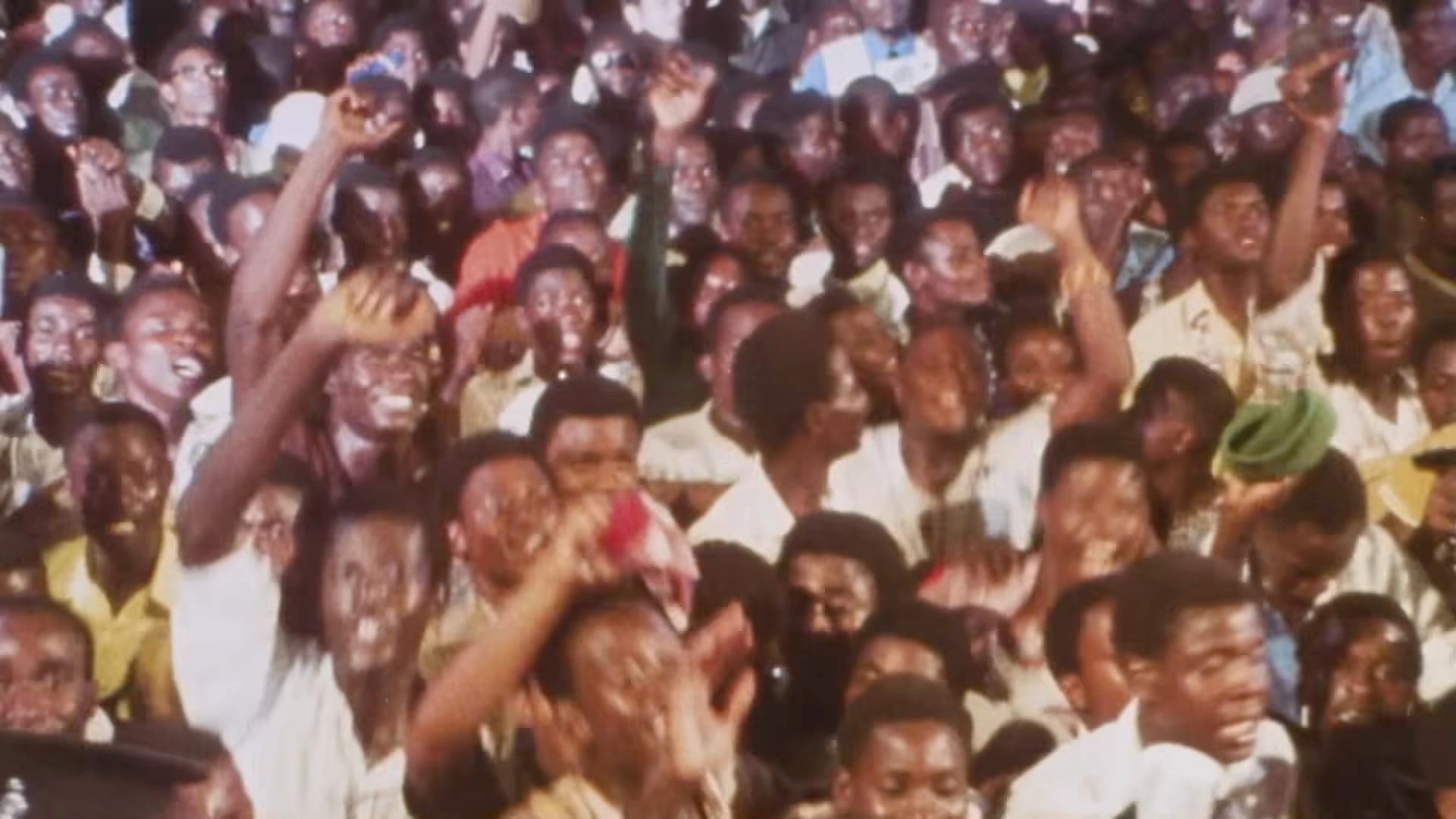
In recent years, the music documentary has transitioned from a niche marketing tool for artists to a significant genre of investigative journalism and cultural preservation. Sound & Vision serves as a case study for this evolution. Films like Finding Fela and Sisters with Transistors perform the essential work of archiving voices that were previously relegated to the margins of pop history.
Furthermore, the inclusion of Fred again.. – secret life at the coliseum represents a new frontier: the "intimate live-documentary." By filming a massive venue like the LA Coliseum but filling it with only 100 people, the production challenges the viewer’s perception of scale, proving that music’s emotional resonance is not necessarily tied to the volume of the audience, but to the focus of the performer.
Implications for the London Arts Scene
The establishment of The Underground Cinema at 180 Studios provides a necessary alternative to the multiplex experience. In a city where independent cinemas are often squeezed by commercial pressures, a dedicated space for experimental, non-fiction, and archival music film fills a critical gap.
For the local creative community, the residency offers a rare opportunity to see these works in a high-fidelity environment. The curation process, which balances cult classics (Paris Is Burning) with contemporary deep-dives (Bowie: The Final Act), suggests a strategy that caters to both the casual music fan and the scholarly cinephile.
How to Attend
The Sound & Vision season is expected to be a high-demand event, given the limited capacity of the newly inaugurated space.
- Dates: April 10, 2026 – June 4, 2026
- Location: 180 Studios, London
- Tickets: Available exclusively through the 180 Studios website.
Prospective attendees are encouraged to book early, particularly for the weekend screenings of Paris Is Burning and the opening run of Getting It Back, as these are likely to attract significant interest from the London arts and music communities.
In conclusion, Sound & Vision is an ambitious project that underscores the vital necessity of music in cinema. By curating a program that respects the history of the art form while embracing the innovations of the present, 180 Studios has positioned itself at the vanguard of London’s cultural resurgence. Whether you are a fan of electronic music, a student of social justice movements, or a devotee of visual storytelling, this two-month season offers a rare chance to see, hear, and feel the history of sound as it was meant to be experienced.