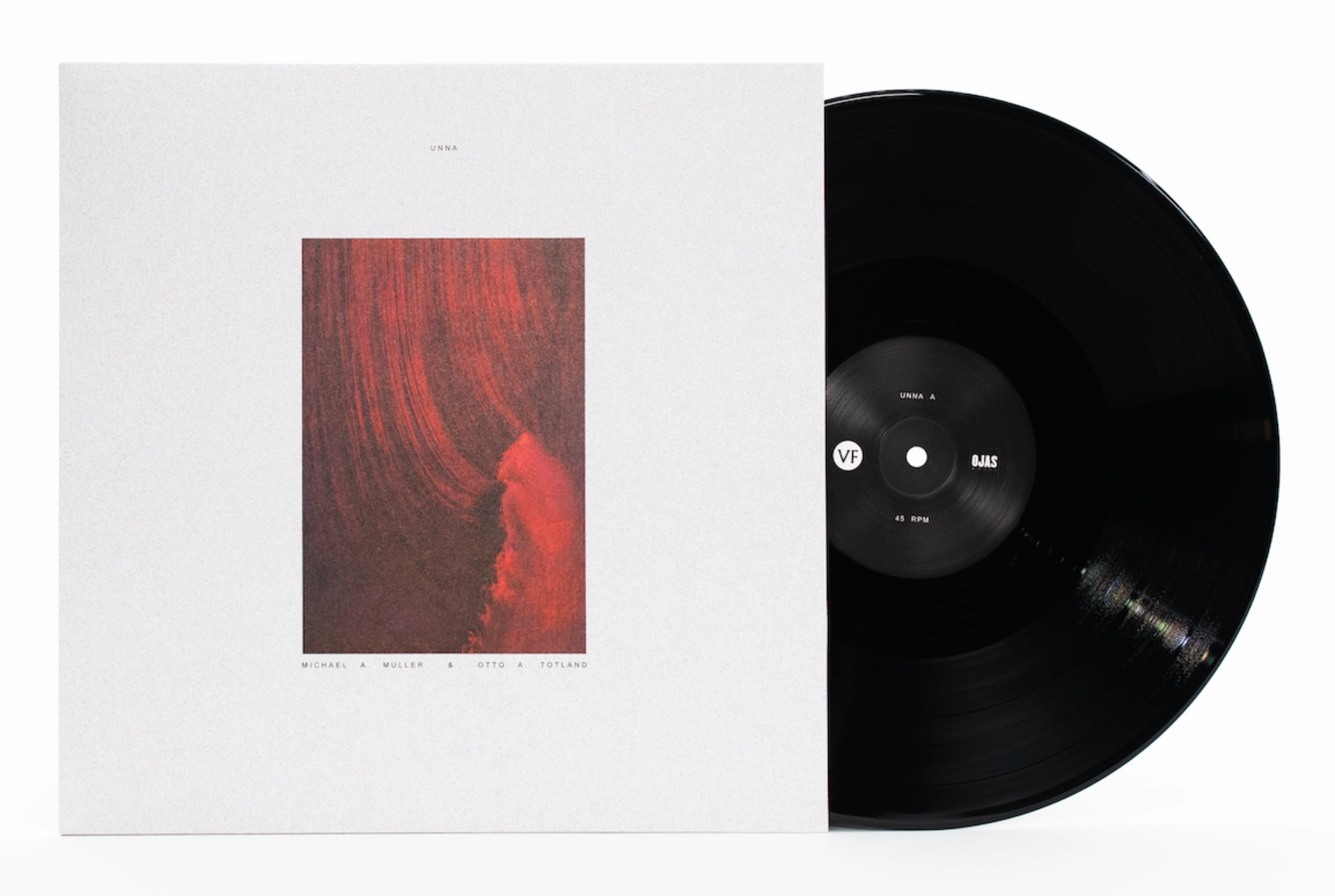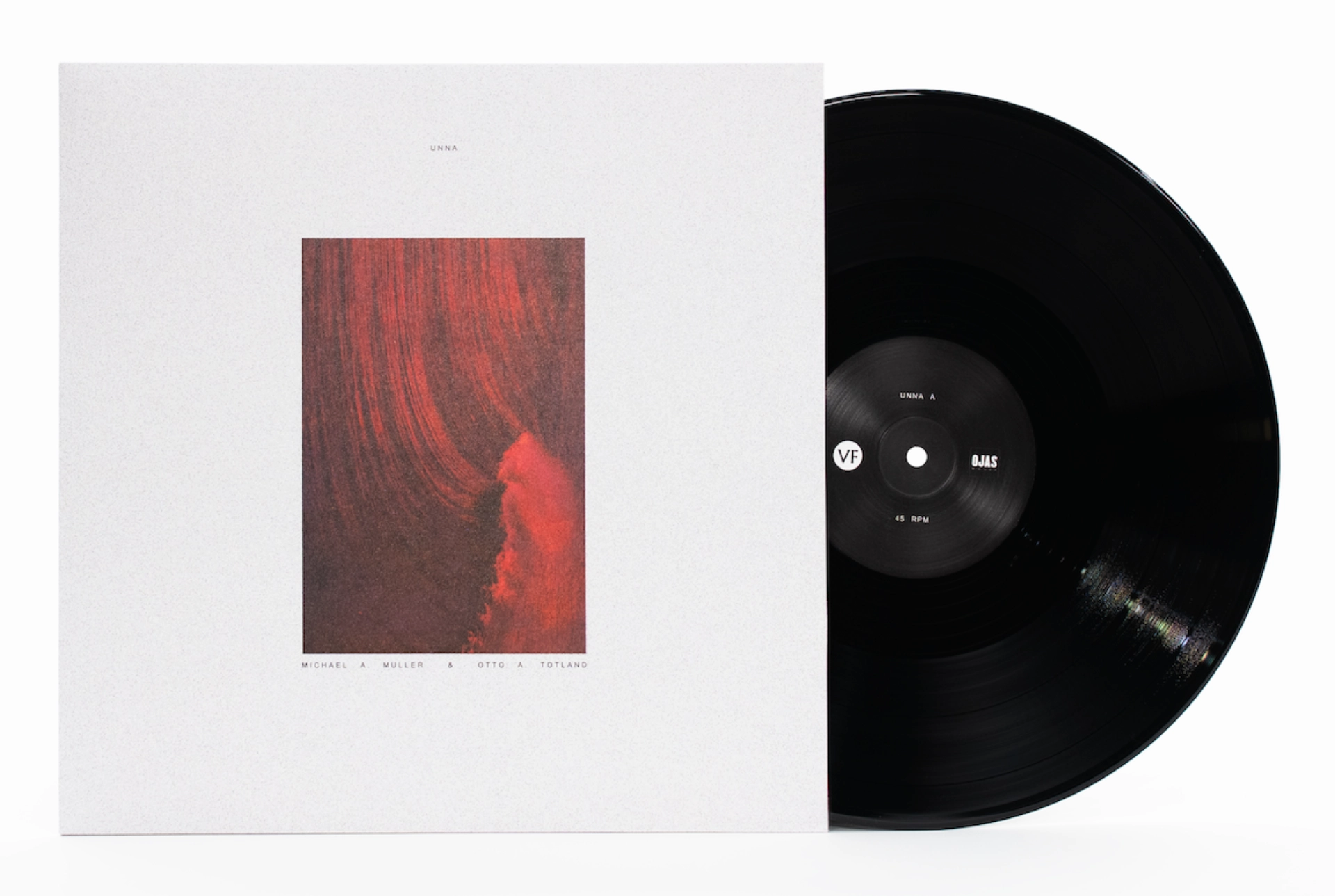
In the realm of high-fidelity audio, few names carry the weight of reverence that Devon Turnbull’s Ojas brand has cultivated over the past decade. Known for his bespoke, hand-built speaker systems and the immersive "HiFi Listening Room Dream No. 1" at 180 Studios, Turnbull has long been a curator of acoustic excellence. Now, he is expanding that vision into the realm of production with the launch of Ojas Music. The label’s inaugural release, Unna, is a collaborative EP that brings together two of the most respected figures in modern ambient and minimalist composition: Michael A. Muller and Otto A. Totland.
The record, released in partnership with The Vinyl Factory, serves as a mission statement for the label—a pursuit of sound that prioritizes texture, emotional depth, and the physical act of listening.
The Genesis of a Collaboration: Main Facts
Unna—a Norwegian term meaning "away"—represents a profound intersection of two distinct, yet complementary, creative trajectories. Michael A. Muller, a co-founder of the minimalist instrumental duo Balmorhea, brings a wealth of experience in cinematic scoring and solo experimentation. His resume reads like a map of modern contemporary classical music, boasting collaborations with industry titans such as Hania Rani, Alva Noto, Víkingur Ólafsson, and Douglas McCombs of Tortoise.
Across the North Sea, Otto A. Totland has spent years defining the aesthetic of the "modern piano" movement. As one half of the seminal Norwegian duo Deaf Center—whose releases on Type Records and Sonic Pieces remain cornerstones of the ambient genre—Totland has a proven ability to distill complex emotions into sparse, evocative melodies. His celebrated solo piano trilogy, produced under the watchful ear of Nils Frahm, solidified his status as a master of the keys.
The collaboration on Unna is not merely a meeting of styles; it is a structural experiment. The EP utilizes Totland’s close-miked, intimate piano work as the skeletal framework, around which Muller weaves a tapestry of double bass, glockenspiel, Mellotron, and Rhodes. The result is a work that feels at once expansive and claustrophobic, mirroring the EP’s titular theme of "away-ness."
A Chronology of Artistic Evolution
To understand the weight of Unna, one must examine the paths that led Muller and Totland to this moment.
The Balmorhea Influence (2006–Present)
Michael A. Muller’s work with Balmorhea was instrumental in popularizing post-classical music in the late 2000s. His progression from that ensemble-heavy environment toward a more singular, textured solo practice on Deutsche Grammophon signaled a shift toward minimalism that allowed for more "room" in the mix. This evolution made him the ideal partner for a project focused on audiophile-grade precision.
The Type Records Era (2005–2010)
Otto A. Totland’s tenure with Deaf Center during the mid-2000s provided the foundational blueprint for much of the modern ambient scene. The duo’s ability to blend organic instrumentation with decaying, tape-saturated electronic textures influenced an entire generation of sound designers. Totland’s pivot toward solo piano work in the late 2010s marked a refinement of this philosophy, moving away from complex layering in favor of "the space between the notes."
The Ojas Connection (2023–2025)
Devon Turnbull’s transition from building speakers to releasing music is a logical progression of the Ojas philosophy. Following the success of the HiFi Listening Room Dream No. 1 at 180 Studios, the label was conceived as a way to ensure that the music played on Ojas systems was mastered with the same intentionality as the hardware itself. Unna is the first official document of this synthesis.
Supporting Data: The Audiophile Perspective
The production of Unna was undertaken with a specific listening environment in mind. Unlike digital-first releases that are compressed for streaming platforms, Unna is a physical-media-first endeavor.
The EP is pressed on 180g vinyl, a weight chosen for its structural stability and reduced resonance, which allows for a deeper, more accurate bass response. With a limited run of 500 copies worldwide, the release is positioned as a collector’s item—a "sonic artifact" rather than a disposable commodity.
Technically, the record benefits from the "Ojas aesthetic": a focus on the frequency range that captures the tactile sensation of a piano hammer hitting a string, or the physical vibration of a double bass wood body. By opting for close-miked recording techniques, Totland and Muller ensure that the listener is not just hearing music, but experiencing the physical reality of the instruments.

Official Responses and Creative Intent
In discussions regarding the EP, the artists have framed Unna as a response to the fragmentation of modern attention.
"The word Unna suggests a movement away from the noise of the world," notes Muller. "It’s a double entendre. It speaks to the physical distance between Otto in Norway and myself, but it also speaks to the internal state of flow—where the creative process happens in a place where time effectively disappears."
Devon Turnbull has emphasized that Ojas Music is not intended to be a traditional label. "We aren’t looking for hits," Turnbull stated in a recent brief on the label’s inception. "We are looking for soundscapes that hold up to rigorous, attentive listening. If you put this on a mediocre system, it will sound good. If you put this on a system that is properly tuned, it will reveal layers of harmonic detail that most people never get to hear."
The visual component of the release, including the visualiser for the track "Rolig," reinforces this commitment to atmosphere. The minimalist, high-contrast imagery mirrors the sonic palette of the EP, stripping away distractions to focus the viewer’s eye on the movement of light and shadow, much like the music strips away melodic clutter to focus the ear on tone.
Implications: The Future of "Slow Music"
The release of Unna arrives at a pivotal moment for the music industry. As streaming platforms continue to favor "background music" playlists—often characterized by high-volume, low-effort production—Muller, Totland, and Ojas are making a counter-cultural play.
Revaluing the Physical Format
By limiting the release to 500 copies and prioritizing the vinyl format, the team is re-establishing the value of the "album as an object." This strategy implies that music should be a dedicated activity, not a background accompaniment.
The Rise of the Audiophile Label
Ojas Music joins a growing cohort of labels—such as Erased Tapes or Erased Tapes’ boutique sub-labels—that view the physical record as a sacred object. If Ojas can succeed in building a brand around the intersection of hardware and software, it may set a new standard for how high-fidelity audio companies interact with the artists they play.
The "Deep Listening" Movement
The success of the HiFi Listening Room at 180 Studios suggests a growing appetite for communal, undistracted listening. Unna provides the perfect fodder for this movement. It is music designed to be played in silence, in a dark room, on speakers that cost as much as a luxury car. It is a challenge to the listener: can you sit still for the duration of this record?
Conclusion: A New Standard
Unna is more than just an EP; it is a manifesto for the power of intentionality. In an era where the average listener spends less than 30 seconds deciding if a song is worth their time, Michael A. Muller and Otto A. Totland have produced a work that demands the opposite. It asks for your time, your patience, and your focus.
By launching Ojas Music with such a nuanced, delicate, and technically precise record, Devon Turnbull has signaled that his label will be a sanctuary for the uncompromising. Whether or not Unna shifts the broader trends of the industry, it stands as a triumph for those who still believe that the act of listening is an art form in itself.
For those who wish to experience the record as intended, the 180g vinyl release via The Vinyl Factory serves as the ultimate medium. It is a rare opportunity to own a piece of history—a snapshot of two masters working in perfect, distant harmony, captured with the clarity and reverence that only the Ojas philosophy can provide.
Unna is available now via The Vinyl Factory. Listeners are encouraged to dim the lights, disconnect their devices, and engage with the record in its entirety.