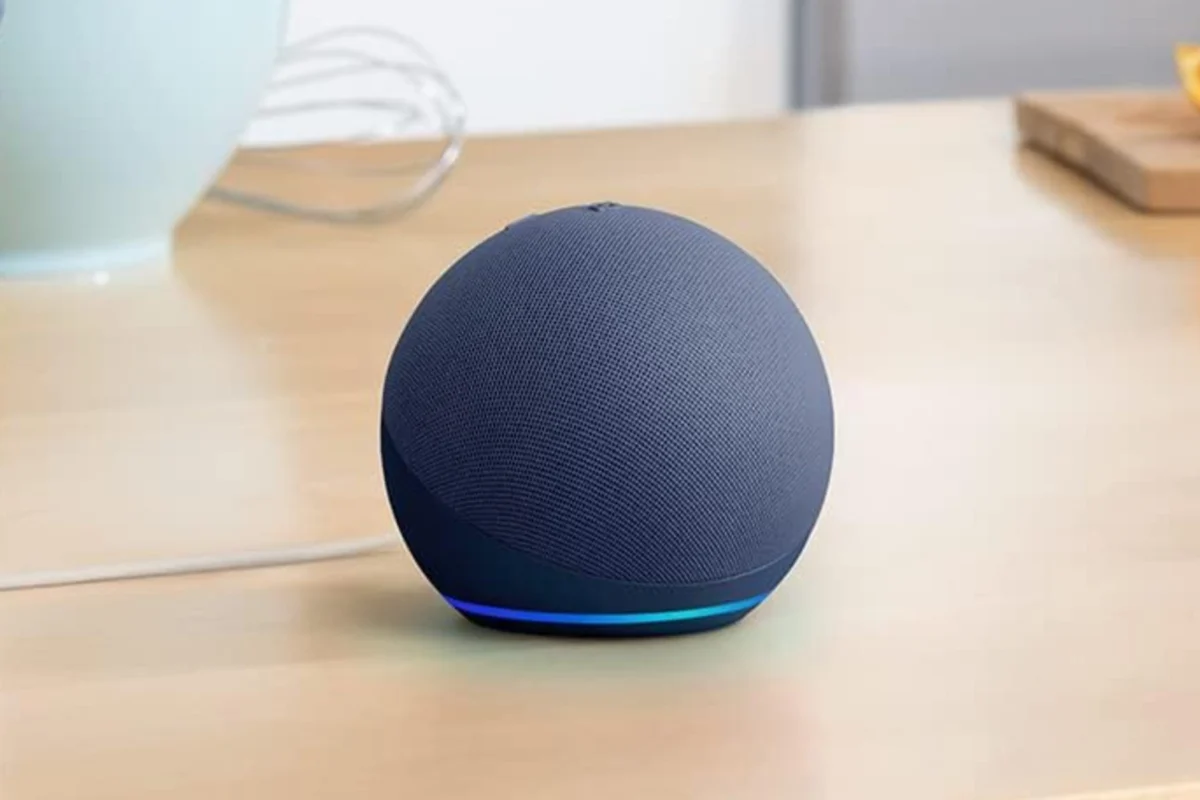
The smart home landscape is undergoing a significant shift as consumer accessibility reaches an all-time high. Amazon has officially ignited its Black Friday promotional season with a headline-grabbing offer: the latest generation Amazon Echo Dot is currently available for just $22.99. This represents a 54% discount from its standard retail price of $49.99, marking the lowest price point in the history of the device. For enthusiasts and newcomers alike, this deal serves as an invitation to expand home automation ecosystems without the traditional cost barrier.
The Core Facts: A New Benchmark for Affordability
The Amazon Echo Dot has long been considered the "gateway device" into the smart home experience. Compact, aesthetically unobtrusive, and remarkably functional, the current iteration of the Dot has evolved well beyond a simple voice-controlled speaker. By bringing the price down to $22.99, Amazon is aggressively targeting the "multi-room" consumer—those who wish to place a virtual assistant in every corner of their living space, from the kitchen to the bedroom and the home office.
Key specifications for the current model include:
- Audio Performance: Compact yet punchy sound output capable of filling medium-sized rooms.
- Connectivity: Wi-Fi and Bluetooth integration.
- Integrated Intelligence: Full support for Alexa, Amazon’s cloud-based voice service.
- Sensor Suite: Built-in motion detection and temperature sensors for sophisticated automation triggers.
- Network Expansion: Eero Built-in, allowing the speaker to function as a Wi-Fi range extender for compatible Eero mesh router systems.
A Chronological Evolution of the Echo Dot
To understand the significance of this Black Friday deal, one must look at the trajectory of the Echo product line.
- The Origins (2014-2016): Amazon introduced the original Echo to a skeptical market. It was a tall, cylindrical device that functioned primarily as a music player and weather reporter. The introduction of the first Echo Dot in 2016 shifted the strategy from "a device" to "an ecosystem," miniaturizing the technology to make it affordable for every room.
- The Expansion Phase (2017-2020): During this period, the Dot received multiple design refreshes. The transition from the "hockey puck" design to the current spherical aesthetic signaled a focus on acoustic fidelity and improved microphone array sensitivity.
- The Automation Era (2021-2023): Amazon began integrating more hardware-level features, such as the Eero mesh extension capabilities and specialized sensors, transforming the Dot from a "speaker" into a "smart home hub component."
- The 2024 Black Friday Milestone: By dropping the price to $22.99, Amazon is signaling a move toward ubiquitous saturation. The company’s goal is clear: ensure that the friction of entering the smart home market is virtually non-existent during the busiest shopping period of the year.
Supporting Data: Why the Echo Dot Remains a Market Leader
Market analysts consistently point to the Echo Dot as the best-selling smart speaker in the world. Its dominance is supported by three primary pillars: ecosystem integration, price-to-performance ratio, and service accessibility.
Ecosystem Depth
The primary driver for purchasing an Echo Dot is the sheer breadth of the Alexa ecosystem. With over 100,000 "Skills" available, the device acts as the central nervous system for thousands of third-party smart home products. Whether it is controlling Philips Hue lighting, adjusting Ecobee thermostats, or managing Ring security feeds, the Dot serves as the bridge between the user and their physical environment.
The "Eero" Advantage
Perhaps the most under-discussed feature of the modern Echo Dot is its ability to extend an Eero mesh network. By integrating Eero technology directly into the speaker, Amazon has effectively solved a major pain point for consumers: dead zones. A home with three or four Echo Dots distributed across different rooms can now enjoy significantly more stable Wi-Fi coverage without the need to purchase dedicated, standalone range extenders. This dual-utility feature provides a tangible return on investment that few other smart speakers at the sub-$30 price point can match.
Official Responses and Strategic Positioning
While Amazon rarely comments on specific profit margins for hardware, the company has historically framed its smart home devices as "service delivery vehicles." By putting Alexa into as many homes as possible, Amazon increases the frequency of interactions with its ecosystem, which in turn drives usage of Amazon Music, Audible, and Prime shopping services.

In a recent press briefing regarding the company’s broader holiday strategy, Amazon representatives emphasized the importance of "frictionless home management." The goal for this year’s holiday season is to demonstrate how AI-driven voice commands—such as setting complex routines—can simplify the lives of consumers during the busy winter months. The decision to lower the price to an all-time low is a calculated move to capture market share from competitors like Google Nest and Apple’s HomePod Mini, which often occupy higher price tiers.
Implications for the Smart Home Market
The aggressive pricing of the Echo Dot carries significant implications for the future of the smart home industry.
1. The Death of the "Single-Speaker" Home
As prices drop, the concept of a single smart speaker in the living room is becoming obsolete. The modern smart home is now expected to be "everywhere." By making the barrier to entry so low, Amazon is essentially training consumers to expect voice control in every environment. This creates a high level of "ecosystem lock-in," as users who invest in four or five Echo Dots are significantly less likely to switch to a competitor’s ecosystem, such as Google Home or Apple HomeKit, in the future.
2. Standardization of Smart Features
The inclusion of temperature and motion sensors in a $22.99 device puts pressure on other manufacturers. Competitors who sell devices at higher prices must now justify why their hardware does not include similar sensor suites. This cycle of competition inevitably benefits the consumer, as the baseline expectations for "entry-level" tech continue to rise.
3. Energy Management and Sustainability
With the integration of temperature sensors and automation routines, the Echo Dot is increasingly being used as a tool for energy efficiency. Users can program their smart thermostats to adjust based on the temperature readings from a Dot located in a specific room, or use motion sensors to turn off lights in unoccupied spaces. As energy costs remain a concern for many households, the utility of the Dot as an energy-management assistant adds significant value beyond mere convenience.
Conclusion: A Strategic Investment
For those who have been hesitant to start their smart home journey, the current $22.99 price point effectively eliminates the risk. Whether you are looking to automate your lighting, improve your home’s Wi-Fi coverage, or simply have a reliable assistant to help manage your daily calendar and shopping lists, the Echo Dot stands as the most efficient entry point available.
As we move through the Black Friday season, the availability of such technology at this price point is a testament to how far consumer electronics have come. What was once considered a luxury—a home that responds to your voice—is now a standard feature of the modern household. If history is any indicator, these units will move quickly; for those looking to outfit multiple rooms, this is likely the most opportune moment of the year to secure the hardware necessary to bring your home into the future.
Be sure to also monitor concurrent deals on essential smart home peripherals, including home security cameras, video doorbells, and smart lighting solutions, as the interoperability between these devices is what truly unlocks the potential of a connected home.