In the high-stakes world of elite private clubs, atmosphere is everything. For the members of Vancouver’s prestigious Terminal City Club (TCC), the environment is expected to be as conducive to high-level business negotiations as it is to intimate social gatherings. However, even the most thoughtfully designed spaces can suffer from "acoustic creep"—a phenomenon where sleek, modern renovations inadvertently turn a sophisticated dining room into an echo chamber.
When the TCC’s restaurant began losing its appeal for business lunches due to an unintended rise in noise levels, the club’s leadership faced a dual challenge: they needed to drastically improve speech intelligibility, but they were strictly prohibited from compromising the room’s award-winning aesthetic. What followed was a masterclass in bespoke acoustic engineering, orchestrated by the collaborative partnership between acoustic specialist Primacoustic and the integrator Paramount Automation.
The Problem: When Design Meets Decibels
Iain Fletcher, the Terminal City Club’s Director of Club Outlets, understands the invisible power of sound better than most. "I’ve been to some places in the city with thoughtful acoustic treatment, and the experience is memorable," he notes. "But there are also restaurants I might not return to because they’re just too loud. And I can’t help but think how often others feel the same—but don’t tell the people running the restaurant."
The TCC, located on Vancouver’s historic West Hastings Street, is an institution. It provides members with a comprehensive suite of amenities, from state-of-the-art fitness facilities to refined banquet halls and private dining rooms. The club’s core demographic—business leaders, executives, and professionals—relies on the dining areas as an extension of their offices.
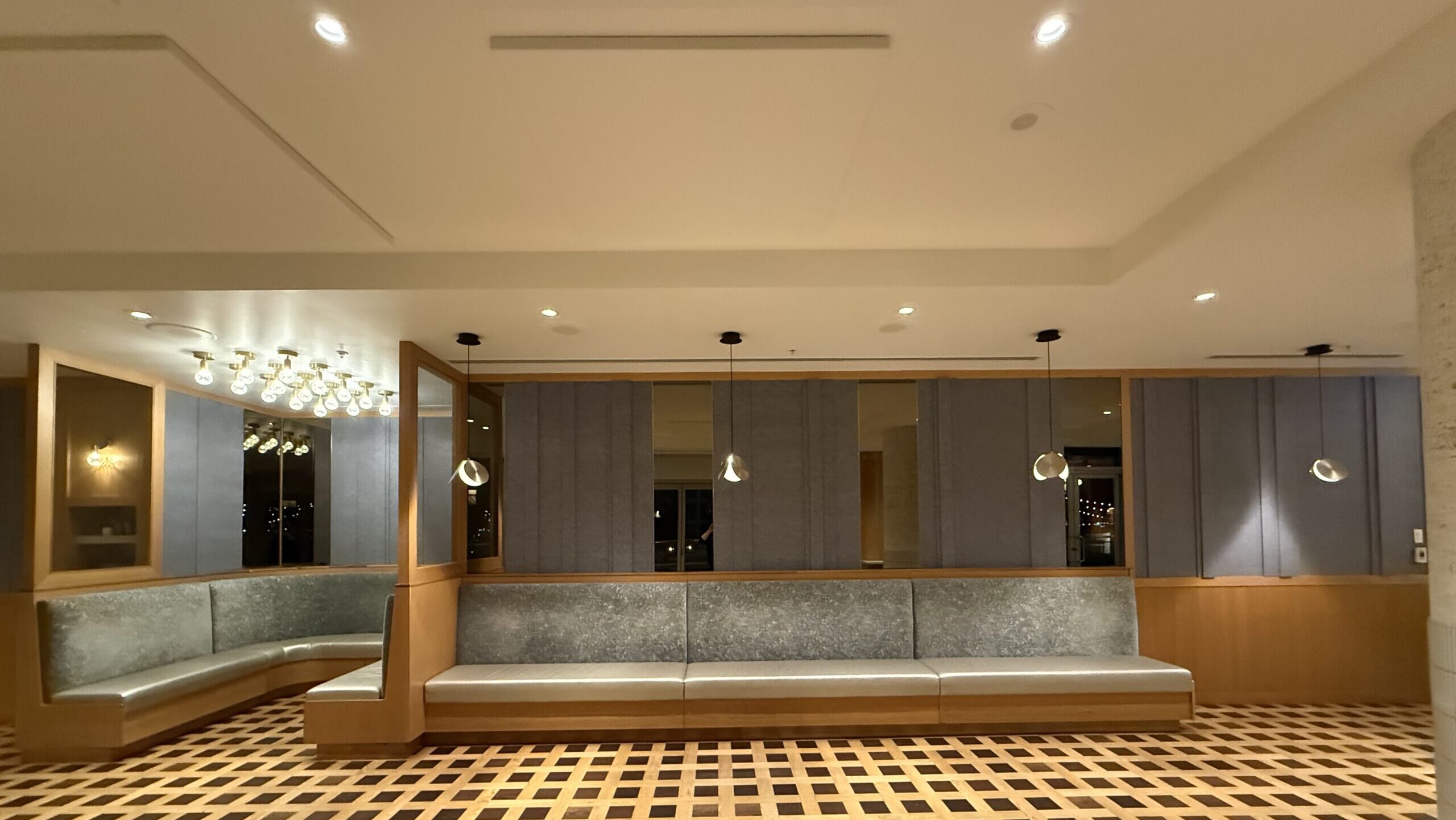
Following a major interior renovation, however, the dining experience shifted. While the aesthetic upgrade was undeniably beautiful, the removal of soft furnishings and carpeting, paired with the introduction of hard, reflective surfaces, created an acoustic environment that hindered conversation. The sound energy had nowhere to dissipate, causing a buildup of background noise that made it difficult for members to hold private or professional discussions. The space was physically stunning, but functionally failing its primary user base.
Chronology of a Restoration
The journey toward a quieter club began with a search for a solution that didn’t look like a "solution." Fletcher, in his search for a fix, discovered the work of Paramount Automation, an AV integrator known for their refined approach to sound control. He was particularly struck by a video case study involving the Piva Restaurant in New Westminster, where Primacoustic and Paramount had solved a similar acoustic issue.
"One of our previous managers had actually started working at Piva," Fletcher explains. "Seeing his comments, and a video showing the before and after, we thought we’d give it a shot."
The project commenced with a site survey by Paramount’s "resident craftsman," Marty Nightingale. Recognizing that the club had won several design awards, the team established a critical constraint: the acoustic treatment had to be entirely invisible to the casual observer. The goal was to "hear the difference, but not see the difference."
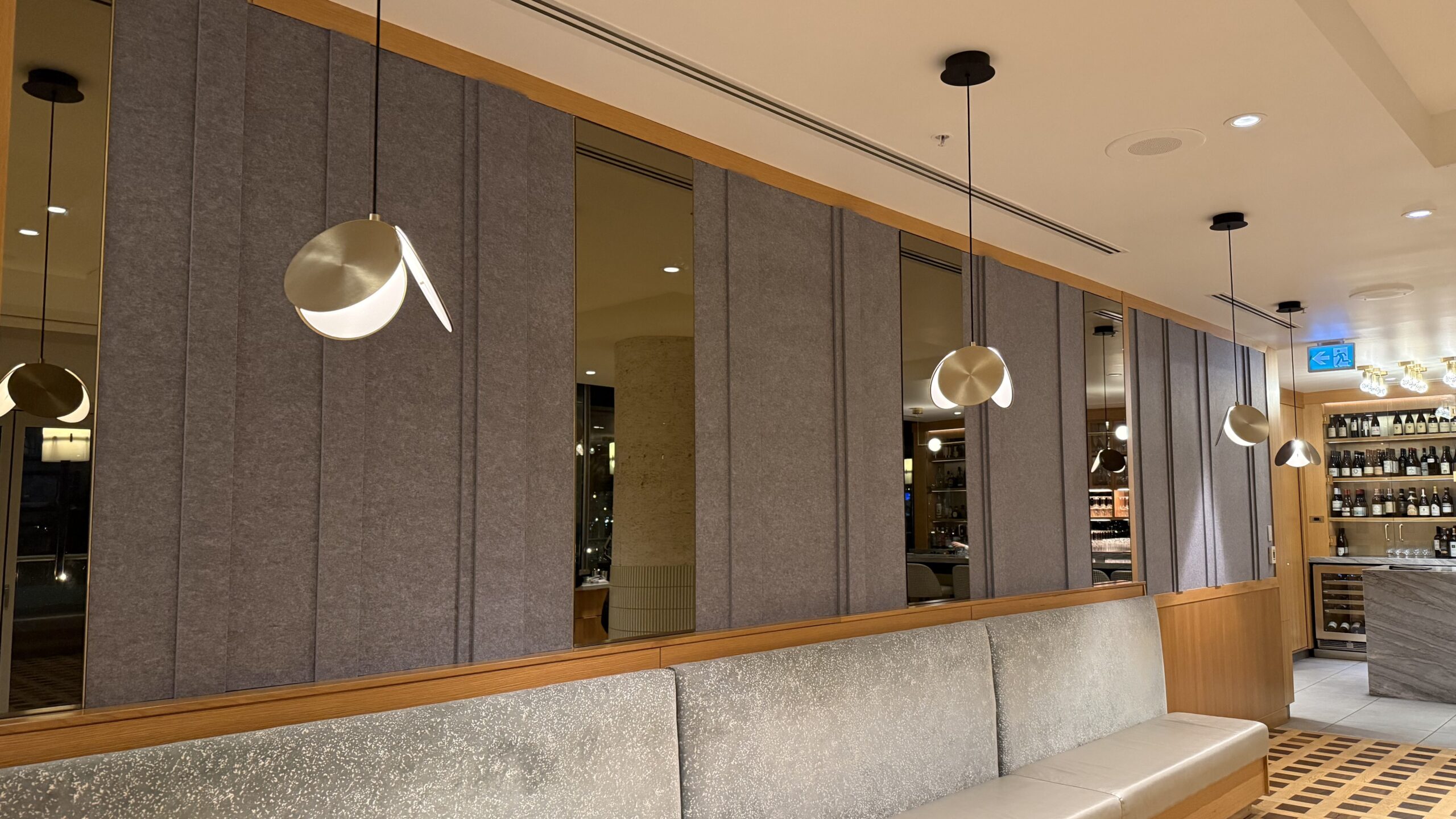
Once the dining room’s needs were assessed, the project expanded to an adjacent private lounge that suffered from similar acoustic fatigue. The installation process required precision engineering. Because the spaces were already fully finished with millwork, lighting, and glass features, the team couldn’t simply hang standard panels. They had to invent a way to integrate sound-absorbing technology into the existing architectural fabric of the rooms.
Supporting Data: The Technical Approach
To achieve the desired results, the team deployed a dual-material strategy, utilizing Primacoustic’s high-performance EcoScapes PET panels and studio-grade Broadway glass wool treatments.
The strategy was dictated by the specific reflections of each room:
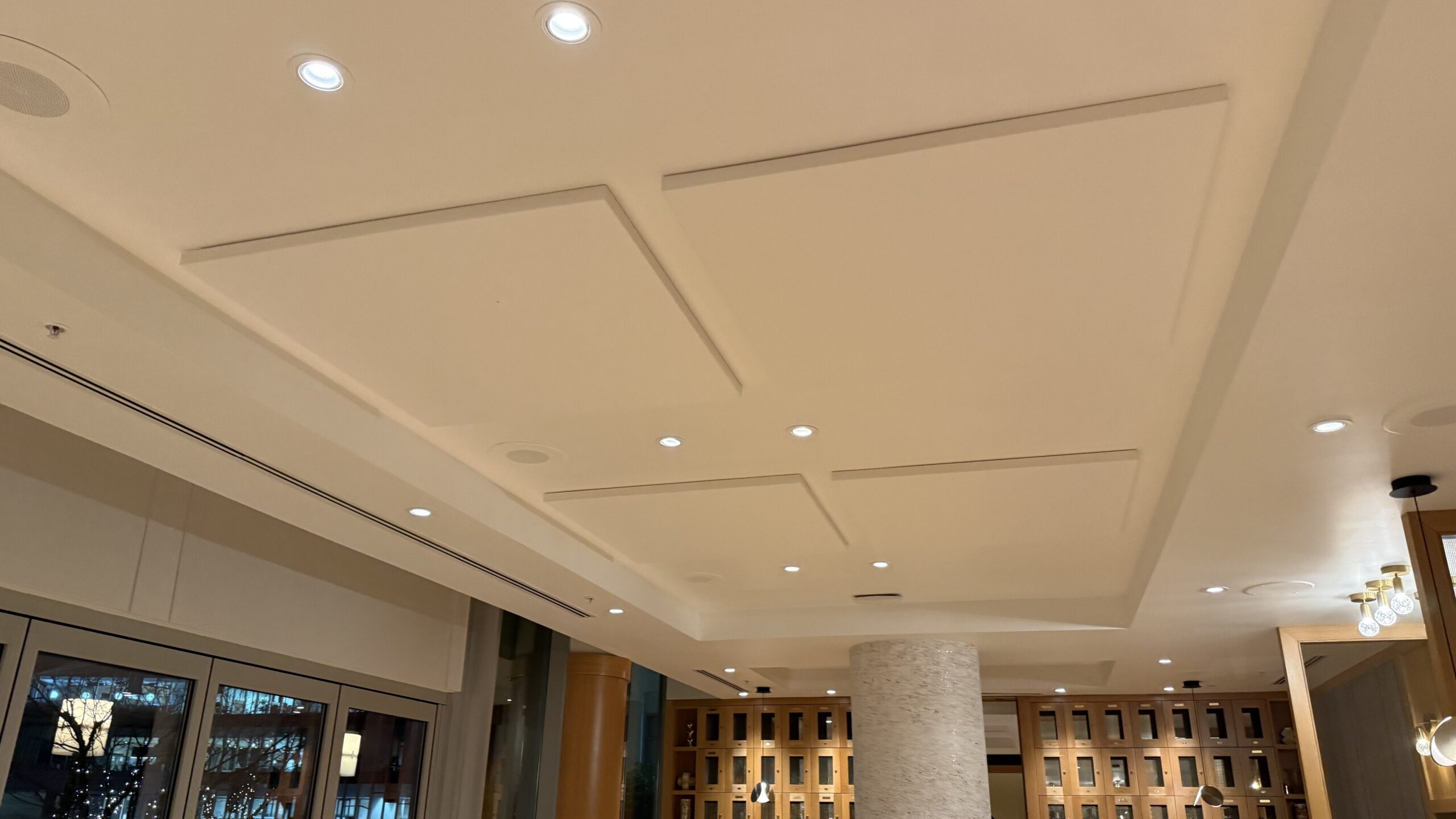
- The Ceiling Strategy: To address floor-to-ceiling sound reflections, Broadway panels were flush-mounted directly onto the dining area ceiling. To maintain the room’s high-end look, the team utilized "Arctic White" panels that blended seamlessly into the existing ceiling color scheme.
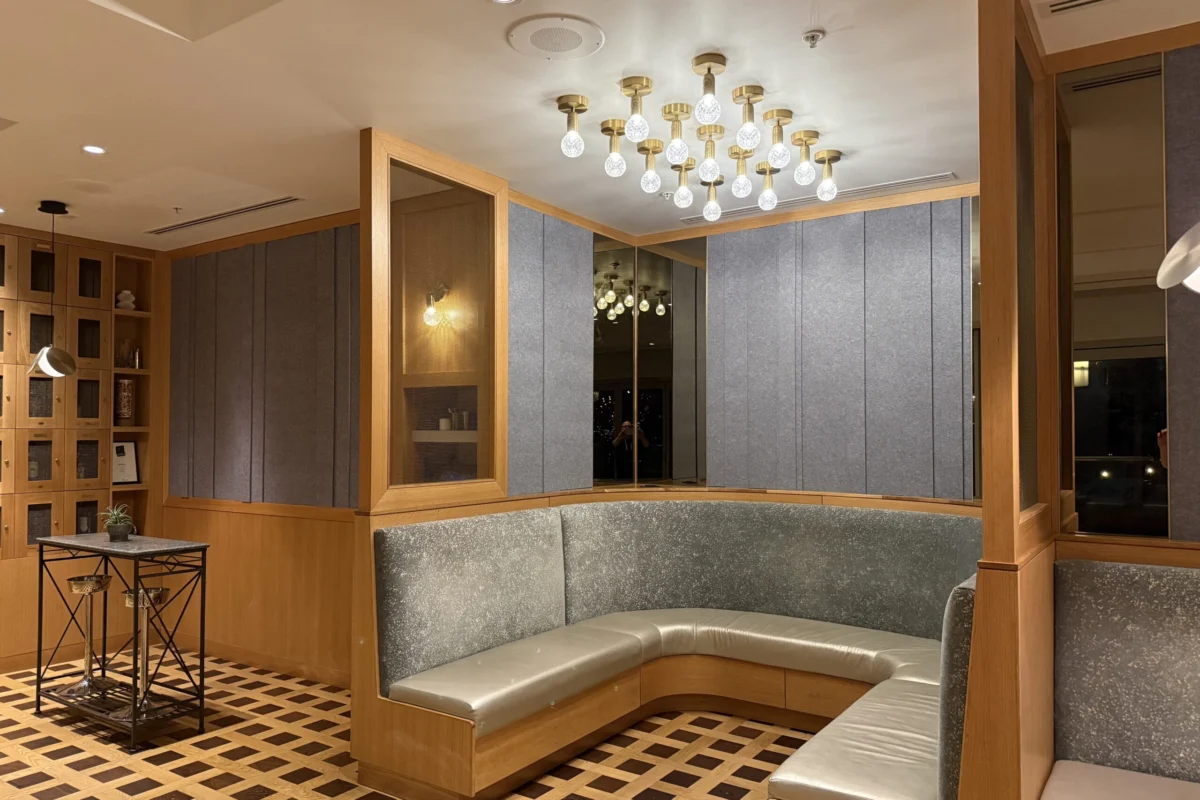
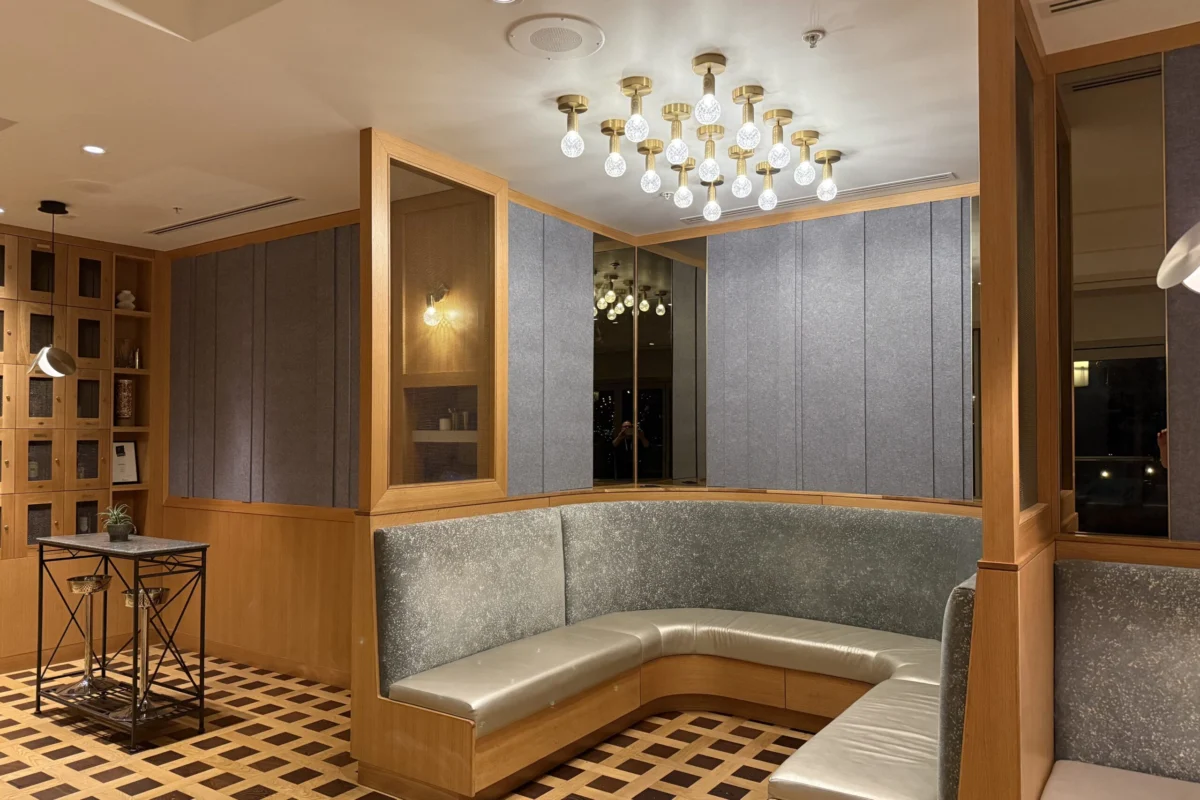
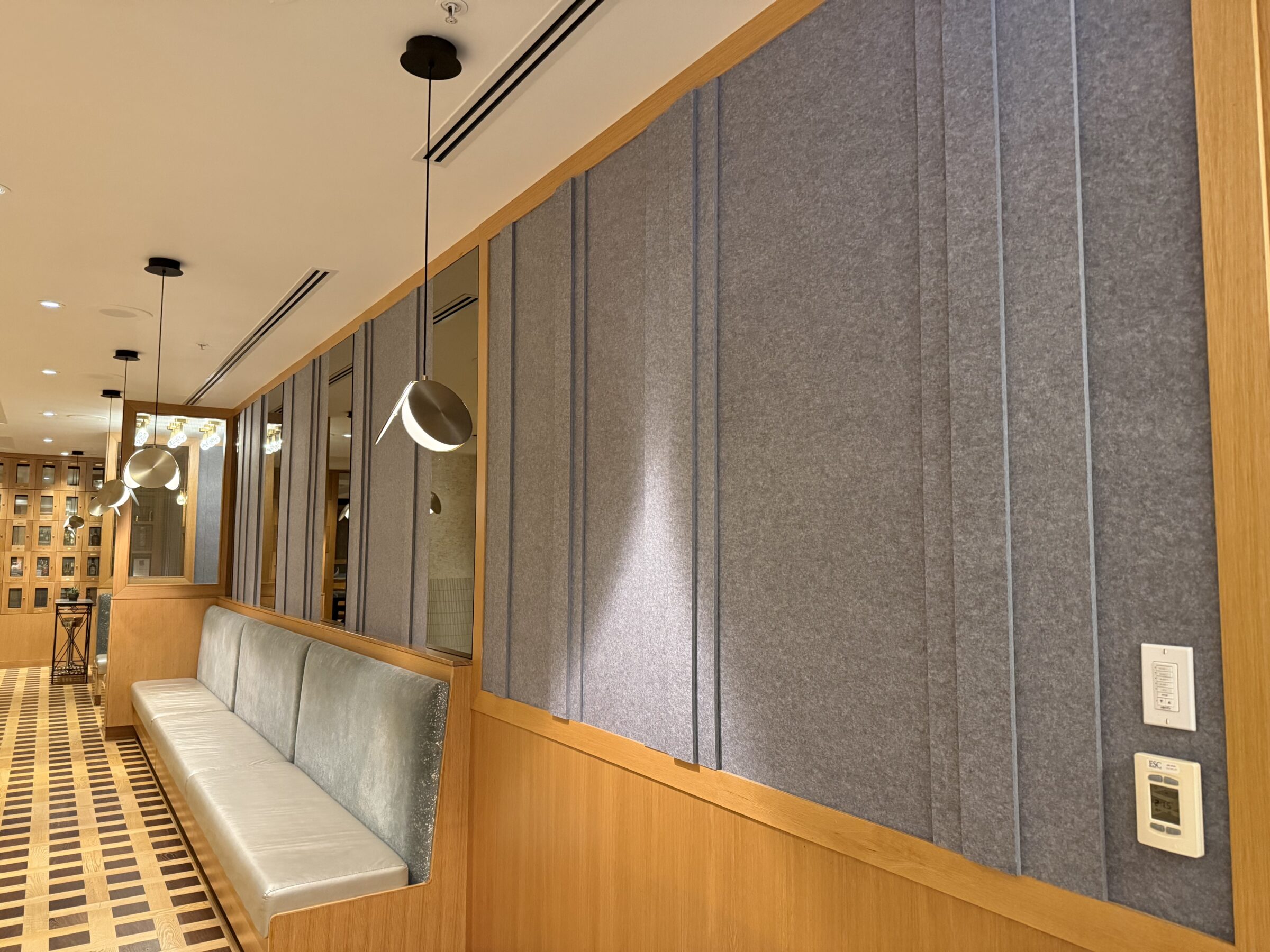
- The Architectural Replication: The most complex portion of the project involved replacing a series of grey, felt wall features. These were located at eye level, meaning any seam or rough edge would be immediately visible. The team removed the existing, non-acoustic material and replaced it with a multi-layered PET system. By using two different thicknesses of "Slate" grey EcoScapes panels, they created a 3D effect that mimicked the original design but added significant sound-absorption surface area.
- The "Coffered" Illusion: In the private lounge, where wall space was restricted by glass doors and large-screen televisions, the team applied "Glacier" white EcoScapes panels to the ceiling. By layering custom-cut strips of PET over a base layer, they successfully replicated the room’s original recessed, "coffered" ceiling design, effectively hiding the acoustic technology in plain sight.
Official Responses: A Shared Ethic
The success of the project is largely attributed to the symbiotic relationship between the integrator and the manufacturer. Marty Nightingale and Dylan Bubel, Primacoustic’s Western Canada Sales Manager, functioned as a single unit, navigating the "many limitations" of the space—including glass walls and structural millwork—to find a solution that honored the club’s architecture.
"At Paramount Automation, we’re outside-the-box thinkers," says Nightingale. "So it’s a perfect fit, because with both Paramount and Primacoustic, it’s like, ‘this is a challenge, not a problem—let’s figure it out.’"
Drew Campbell, founder and owner of Paramount Automation, echoes this sentiment, emphasizing that the project was not just about installing panels, but about a shared philosophy of improvement. "We work well together because we’re like-minded, because we complement each other. And Primacoustic is always open to feedback." This collaborative "how can we do this better" approach allowed the team to push the boundaries of what is possible with PET acoustic materials.
The Implications: Restoring the Club Experience
The result of the project was immediate and profound. The "unbearable echo" that once plagued the dining area was replaced by a controlled, comfortable environment.
"I have had people ask what we did and where the panels are," Fletcher reports. "They’ve noticed a difference, but haven’t seen a difference."
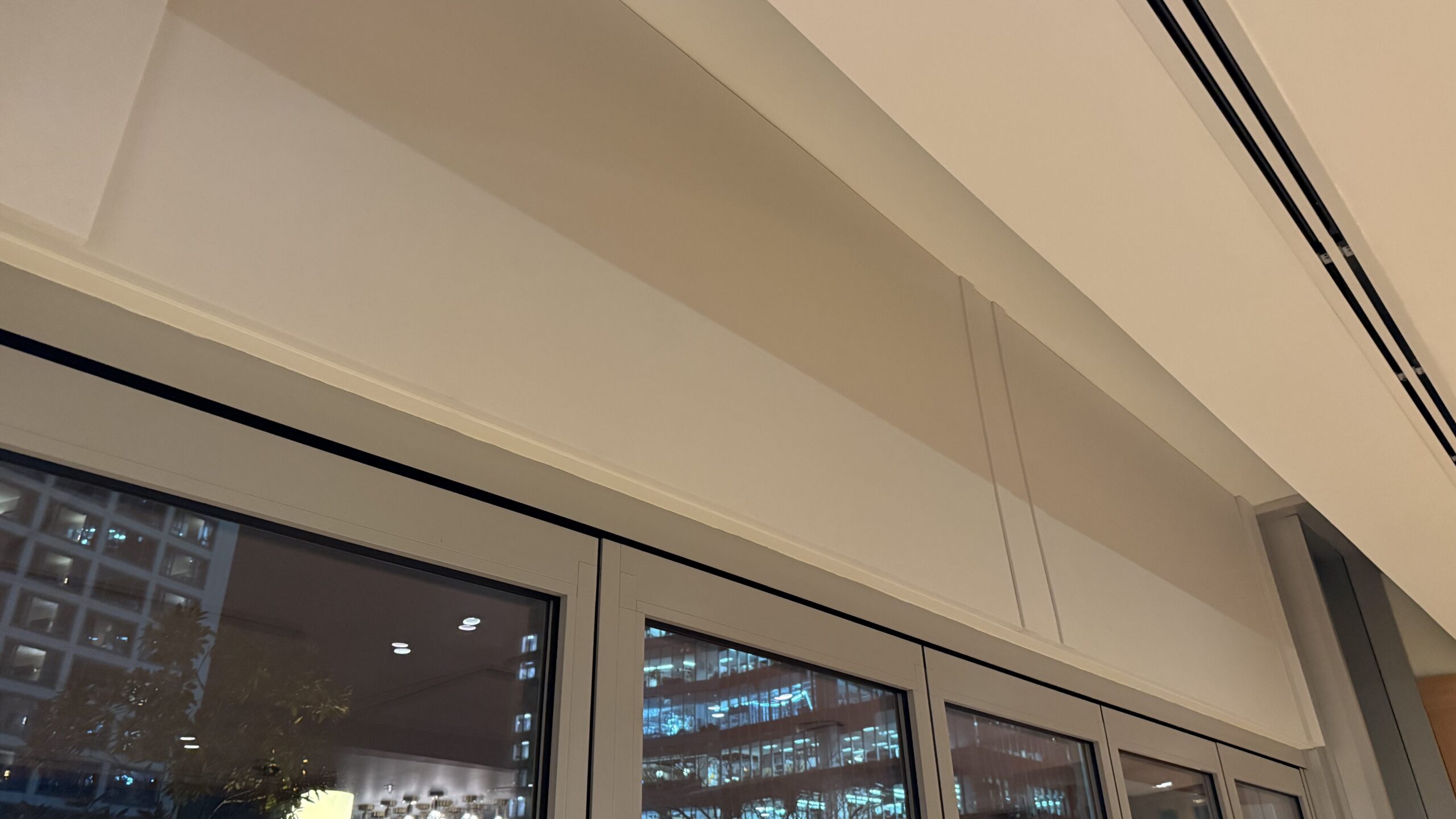
This is the gold standard for interior acoustic treatment: the restoration of human comfort without the sacrifice of architectural integrity. For the Terminal City Club, the impact on member satisfaction has been measurable. The dining room has regained its utility as a venue for professional meetings, with the acoustic environment now supporting, rather than hindering, the flow of conversation.
Furthermore, the club has been able to leverage this new acoustic control to improve the overall ambiance. Fletcher notes that he has been able to increase the music volume to a level that feels warm and inviting, without the sound becoming harsh or overwhelming—a luxury only possible when the room’s reverberation time has been properly managed.
Conclusion: Lessons for Modern Spaces
The Terminal City Club project serves as a compelling case study for any commercial space struggling to balance modern aesthetics with human comfort. As architecture continues to favor hard, minimalist surfaces like glass, metal, and polished stone, acoustic degradation has become a silent epidemic in the hospitality and corporate sectors.
However, the success at TCC demonstrates that this is not an unavoidable trade-off. Through the use of precision-engineered, design-forward materials like Primacoustic’s EcoScapes and Broadway panels, and the application of creative, detail-oriented installation techniques, spaces can be transformed.
For business owners and facility managers, the message is clear: if your patrons or employees are struggling to be heard, the issue is not necessarily the volume of the room, but the management of its sound. With the right partnership and the right technology, the solution is not only effective—it is entirely invisible.
Are you looking to achieve class-leading sound control while maintaining the aesthetic integrity of your project? Visit Primacoustic.com to explore our wide-ranging product lines, including the latest in PET sound control systems, EcoScapes Blades, Dimensional Baffles, and Contour Panels. Contact us directly to book a consultation with one of our expert staff members today.