In the world of live audio production, particularly within the dynamic environment of house of worship, the quality of a mix is often determined long before the faders are pushed. While modern digital consoles offer nearly infinite processing power, the fundamental integrity of an audio signal begins on the stage. In Episode 145 of The Church Sound Podcast, industry veterans James Attaway and Gary Zandstra delve into the critical, often overlooked link between the performance stage and the Front of House (FOH) console.
This episode serves as a masterclass in foundational audio discipline, emphasizing that professional-grade sound is as much about cable management and microphone placement as it is about advanced signal processing. Sponsored by industry leaders DiGiCo and Shure, the discussion provides actionable strategies for technicians seeking to improve their workflow and resolve persistent issues that plague Sunday morning services and live events alike.
Main Facts: The "Clean Stage" Philosophy
The central premise of the episode is that "success starts with a clean stage." Attaway and Zandstra argue that many audio failures—ranging from intermittent signal loss to phase cancellation and ground loops—are preventable through disciplined stage management.
Microphone Placement and Integrity
The hosts emphasize that the transducer is the most important component in the signal chain. If a microphone is improperly placed or poorly maintained, no amount of digital equalization can truly rectify the source signal. They discuss the importance of selecting the right microphone for the specific application, ensuring that stands are stable, and maintaining clear lines of sight for performers, which in turn reduces the likelihood of performers bumping or misaligning microphones during a set.

Cable Management as Troubleshooting
Cable clutter is more than an aesthetic issue; it is a primary source of technical failure. The hosts highlight how improper cable runs can lead to:
- Physical Hazards: Tripping risks that can damage expensive equipment or injure volunteers.
- Signal Interference: Crossing audio cables with power lines can induce unwanted hum and noise.
- Maintenance Efficiency: When cables are properly coiled, labeled, and routed, the time required to troubleshoot a faulty channel is reduced from minutes to seconds.
Chronology: Building the Modern Worship Audio Workflow
The conversation flows through the natural progression of a sound check, starting from the physical setup and moving toward the console.
1. Pre-Service Preparation
The hosts discuss the "Zero Hour" of audio—the moment gear is pulled from storage. They stress that a systematic approach to inventory and cable testing prevents the "last-minute scramble" that characterizes many volunteer-led ministries.
2. Physical Connectivity
Before turning on the console, the team must ensure that every XLR, TRS, and digital snake connection is secure. Attaway notes that many "mysterious" digital errors are actually the result of loose connections or cables that have been kinked, breaking the internal shielding or conductor.

3. Gain Staging and Logic
Once the stage is secure, the transition to the console begins. The hosts emphasize the importance of setting proper input gain (headroom) before applying any processing. By ensuring the "front door" of the console is receiving a clean, optimal signal, engineers avoid the common trap of over-processing a poor source.
Supporting Data and Technical Perspectives
To understand the weight of these recommendations, one must look at the expertise of the hosts. James Attaway, creator of the Live Mixing Field Guide, brings a pedagogical approach to audio, focusing on quick-start methodologies for volunteers. His philosophy is rooted in the idea that if a volunteer can understand the why behind a task, they are more likely to execute it correctly.
Gary Zandstra, with over 35 years of experience as an AV systems integrator and manufacturer’s representative, provides the technical backbone for the discussion. His perspective is informed by decades of witnessing the evolution of audio from analog patch bays to complex Dante-enabled digital networks.
The Role of Industry Partners
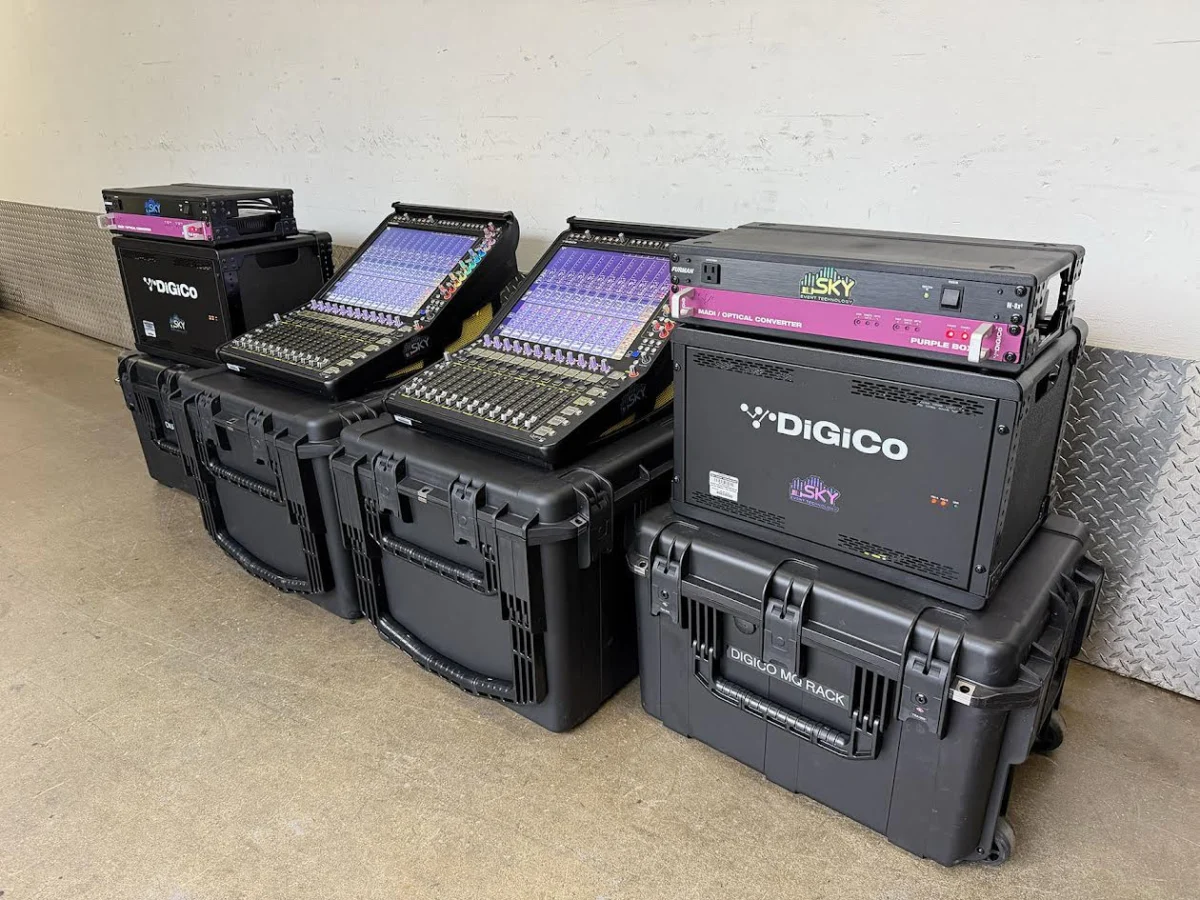
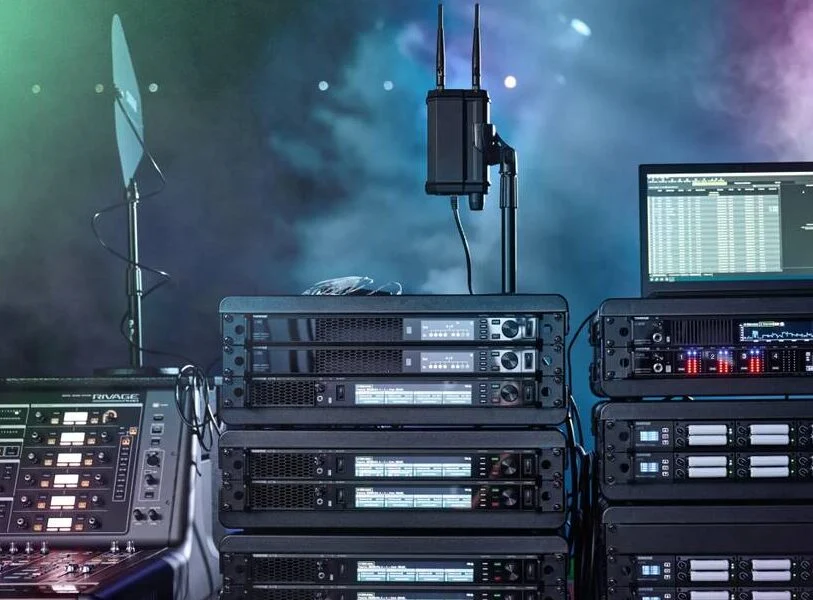
The support from DiGiCo and Shure underscores the episode’s focus on high-fidelity signal paths. DiGiCo, known for its industry-standard digital mixing consoles, provides the control surfaces that require high-quality source signals to truly shine. Shure, as a global leader in microphone technology, provides the tools that Attaway and Zandstra advocate for—emphasizing that even the most expensive wireless system will fail if the gain staging at the stage-box level is not addressed first.

Implications for the Modern Technical Team
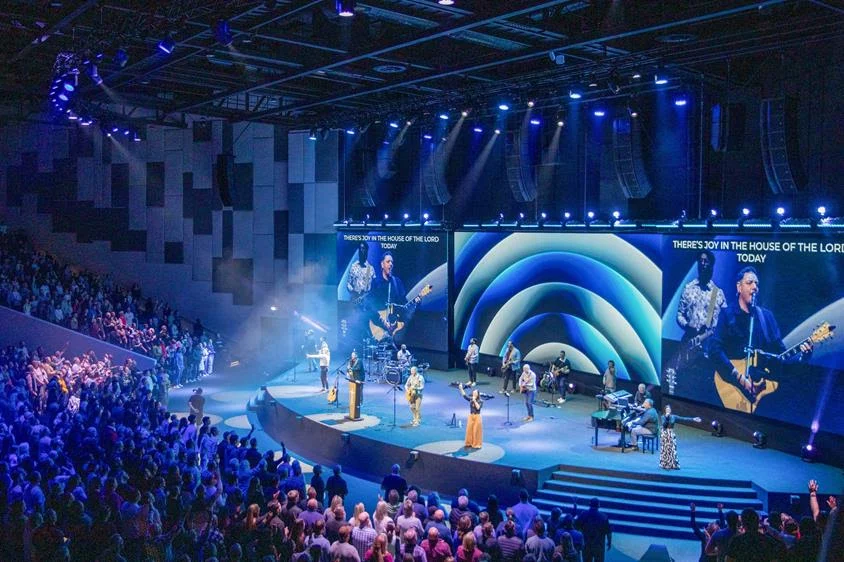
The implications of the practices discussed in Episode 145 extend far beyond the technical. For a church audio team, the "stage-to-console" workflow is a ministry tool. When technical issues are eliminated, the congregation’s focus remains on the message or the music rather than the distraction of feedback or sonic artifacts.
Reducing Volunteer Burnout
One of the most significant implications of a "clean stage" is the reduction of stress for the technical team. By creating a standardized, repeatable system, the team spends less time fighting fires and more time honing their craft. Attaway points out that when the technical infrastructure is sound, volunteers feel more confident and empowered, leading to higher retention rates.
The "Virtual Sound Check" Standard
A recurring theme in Attaway’s broader work, including his "Virtual Sound Check Challenge," is the necessity of utilizing modern console features to prepare for service. By capturing multi-track recordings, engineers can practice their mix, dial in EQ, and refine their compression settings without requiring the musicians to be present. However, as the podcast notes, a virtual sound check is only as effective as the initial signal capture. If the stage setup is flawed, the multi-track recording is flawed, rendering the entire virtual process useless.
Practical Takeaways and Troubleshooting Tips
Throughout the episode, the hosts offer several "pro-tips" for the listener:

- Label Everything: Never rely on memory. Every input and output should be clearly labeled at both ends.
- The "Test-First" Rule: Before a cable is used on stage, it should be tested. A single faulty cable can introduce a "pop" or "crack" that ruins a recording or a broadcast mix.
- Cable Routing: Always keep audio cables separate from power cables. If they must cross, do so at a 90-degree angle to minimize electromagnetic interference.
- The Human Element: Communication between the stage and the console is a two-way street. The FOH engineer should empower the stage crew to act as their eyes and ears, creating a collaborative environment where problems are identified and solved before they reach the main speakers.
Conclusion: A Holistic Approach to Audio
Episode 145 of The Church Sound Podcast serves as a vital reminder that the "latest and greatest" technology cannot fix a fundamental lack of discipline. By focusing on the stage—the point of origin for the signal—engineers can ensure that the audio signal is clean, consistent, and professional.
For those interested in diving deeper into these topics, the resources provided by James Attaway are invaluable. His Live Mixing Field Guide and the Worship Audio Academy offer structured pathways for growth, while Gary Zandstra’s extensive library of articles on ProSoundWeb remains a goldmine of technical wisdom.
Whether you are a seasoned professional or a volunteer just beginning your journey in live audio, the principles discussed in this episode are foundational. A clean stage, proper cable management, and a systematic approach to gain staging are the pillars of a winning mix. By mastering these basics, church technicians can ensure that their technical efforts are not a distraction, but a bridge, allowing the ministry to be heard clearly and effectively.
To listen to the full episode and explore further resources, visit the official Church Sound Podcast page. Remember, the goal is not just to turn knobs, but to steward the sound with excellence and intentionality.