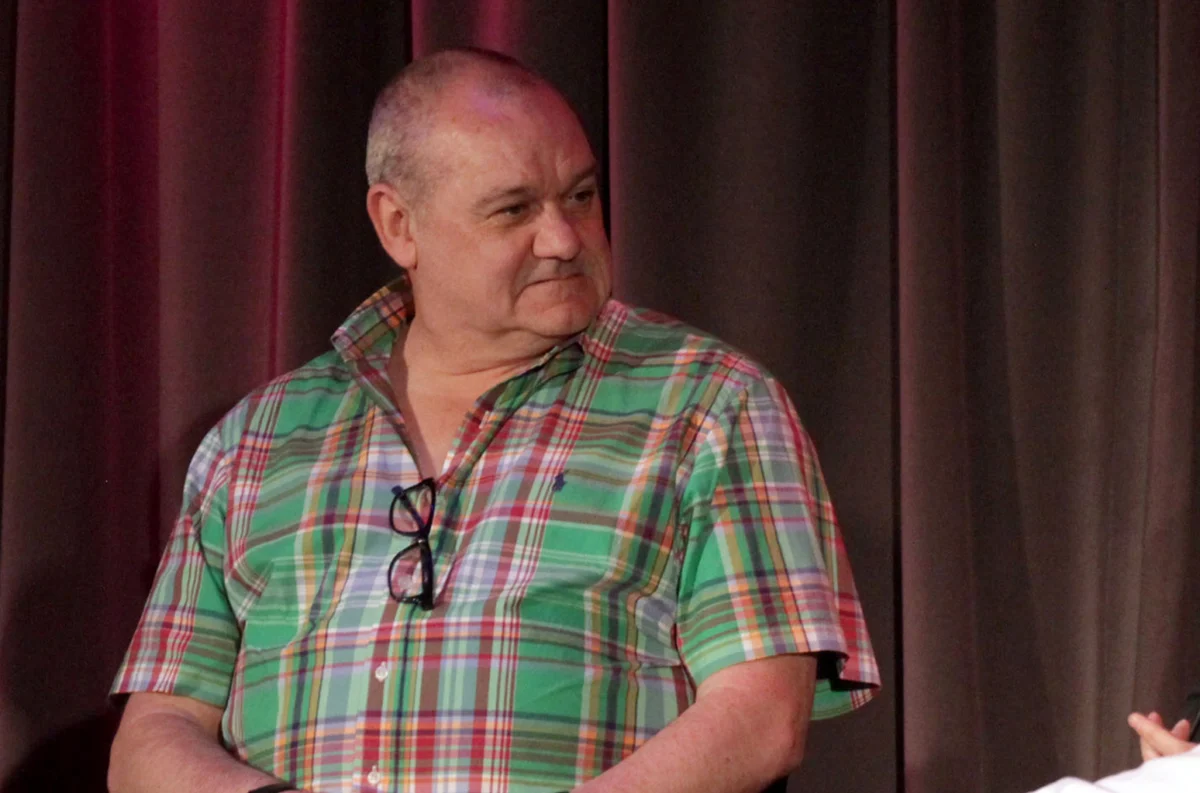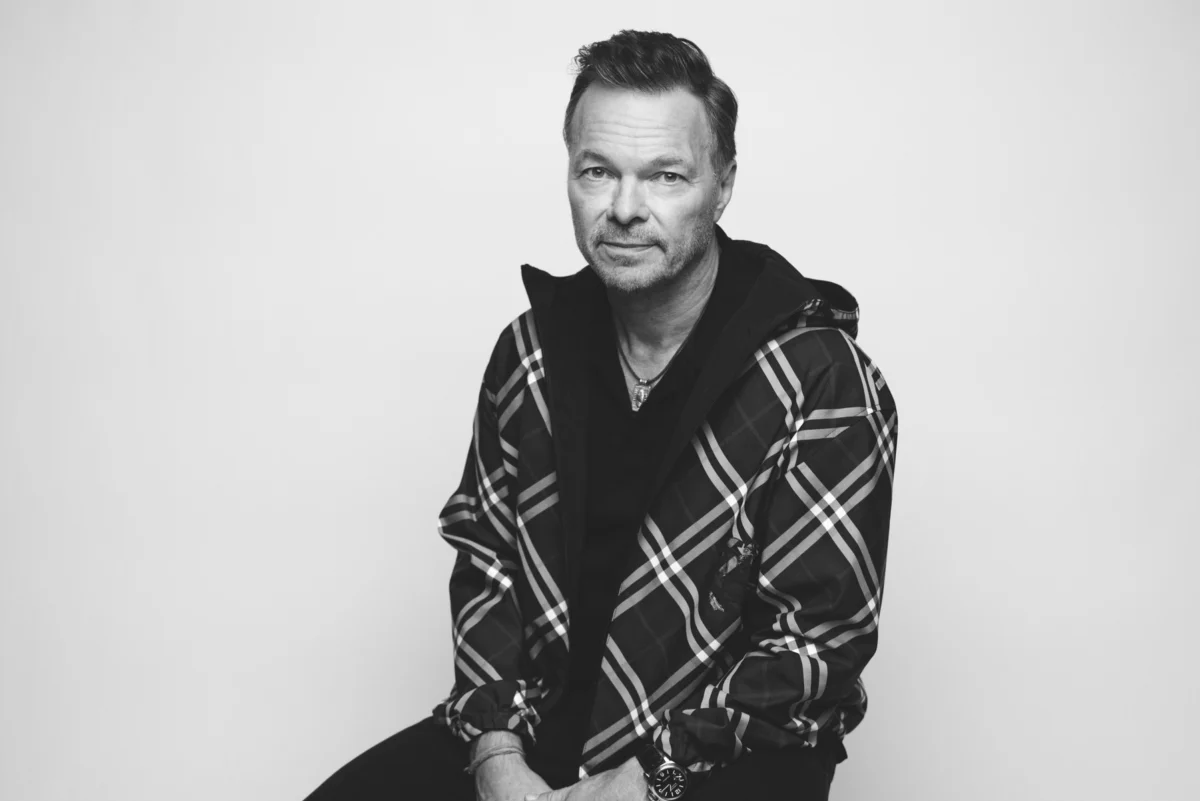
The electronic music industry is currently embroiled in a high-stakes professional dispute that has pitted one of the scene’s most successful modern stars against a legendary institution of dance music. John Summit, the Chicago-born house music titan, recently leveled explosive accusations against veteran broadcaster and DJ Pete Tong, alleging that Tong had "stolen" an unreleased remix of the Everything But The Girl classic "Missing."
What began as a heated exchange on social media has spiraled into a complex debate regarding industry etiquette, the nature of collaborative ownership, and the transparency of professional dealings between established icons and rising superstars. As the dust begins to settle, both parties have presented conflicting narratives, leaving the global dance community to weigh in on a conflict that touches upon the very ethics of artistic production.
The Spark: A Public Accusation
On July 8, the tensions reached a breaking point when John Summit took to X (formerly Twitter) to vent his frustrations. In a pointed post, Summit tagged Pete Tong, writing: “Hey @petetong thanks for promising to release my missing remix with u (while doing nothing in terms of production) then jacking my remix to release with franky rizardo release class act you are. to think i actually looked up to u too.”
The accusation was immediate and severe. By alleging that Tong had “jacked” his work, Summit implied that the veteran DJ had bypassed his creative contributions to release a similar version of the track featuring another artist, Franky Rizardo. The fallout was swift; within hours, the controversy had captured the attention of dance music fans worldwide, prompting widespread speculation about the behind-the-scenes dynamics of record labels, management teams, and the collaborative process.
A Chronology of Conflict
To understand how this situation escalated to a public rupture, it is necessary to examine the timeline of events. The dispute centers on an orchestral rendition of Everything But The Girl’s 1994 hit, "Missing."
According to the accounts provided by both sides, the conversation began with an interest from both parties in revitalizing the track for modern dance floors. Summit, who has been playing a version of the song in his sets for several months, was apparently in dialogue with Tong regarding a collaborative orchestral project.
The chronology, as presented through documentation shared by Tong’s team, suggests the following sequence:
- Mid-May 2026: Communications between Pete Tong’s management and John Summit’s team indicate a proposal to release two separate versions of the song. One, featuring Franky Rizardo, was intended for a faster release cycle. The other, an orchestral collaboration with Summit, was slated for later in the summer.
- May 23, 2026: A follow-up message from Summit’s team noted that they had not yet been able to consult with the DJ regarding the specifics of the proposal.
- Late May – Mid-June 2026: Tong’s team claims they made multiple attempts to follow up with Summit’s management to secure a session or a firm commitment to the project, but received no further engagement.
- July 8, 2026: Summit makes his public accusations on social media, prompting Franky Rizardo to withdraw his involvement from the release, stating, "After learning more today about the background surrounding this release, I’ve come to the conclusion that it no longer feels right for me to be part of it."
The Core of the Dispute: Ownership vs. Influence
The central point of contention lies in the definition of "remix theft." Summit’s initial grievance suggests that he believed his creative work on the "Missing" edit was being exploited by Tong. Conversely, Tong argues that the Franky Rizardo version was a completely independent production—a "newly recorded" version where all elements, including the vocals, were re-recorded from scratch.
Tong maintains that his actions were entirely transparent. In an interview with Alex Tripi, CEO of the Pete Tong DJ Academy, Tong emphasized that it is common practice in the industry to have multiple versions or covers of a classic song. He argues that he was acting in good faith, having sought and received permission from the original artists, Tracey Thorn and Ben Watt of Everything But The Girl, to pursue these interpretations.
Official Responses and Evidence
Pete Tong and his team have mounted a rigorous defense, utilizing both video testimonials and official statements to challenge the allegations. The core of their argument is that no intellectual property belonging to John Summit was used in the Franky Rizardo production.
"Those allegations are simply not supported by the facts," stated Tong’s team in a formal response to Billboard. The statement further clarified that the Franky Rizardo edit, which had been featured on a BBC Radio 1 Essential Mix, was a distinct creative endeavor.

Tong’s frustration was palpable during his video address. "I’m disappointed. I don’t like being accused of things that aren’t true. If you’ve got a problem, pick up the phone. That’s certainly what I would preach. I’ve tried to call John, I’ve tried to text him; he’s chosen to not respond."
The evidentiary support provided by Tong—specifically the screenshots of correspondence between his team and Summit’s management—serves to paint a picture of a stalled negotiation rather than a malicious theft. By presenting these records, Tong aims to restore his reputation, emphasizing his thirty-year history of supporting and breaking new talent in the electronic music scene.
The Implications for the Dance Community
This conflict serves as a microcosm of the pressures inherent in the modern dance music industry. The rise of "remix culture" and the speed at which tracks travel from a festival stage to a viral social media clip have created a landscape where the lines of ownership can easily become blurred.
Professional Etiquette in the Digital Age
The "call-out" culture prevalent on platforms like X has fundamentally changed how artists handle disputes. Rather than relying on private legal channels or management-level mediation, artists are increasingly taking their grievances directly to their fan bases. While this can provide transparency, it often leads to premature judgments and public fallout, as seen in the withdrawal of Franky Rizardo from the project.
The Role of Mentorship and Legacy
Pete Tong is widely regarded as a gatekeeper and a tastemaker. His involvement in the inaugural "Experts Only" festival, curated by John Summit, underscores a previous relationship of mutual respect. The fact that this relationship has soured so publicly is a sobering reminder of the volatility that exists even at the highest levels of the industry. For emerging artists, the situation highlights the necessity of clear, written agreements when discussing collaborative projects, regardless of the level of personal rapport.
The Future of "Missing"
As of now, the fate of the various versions of "Missing" remains in limbo. Summit is preparing his own orchestral rendition for a high-profile show at Tofte Manor, while Tong’s team expresses hope that the Franky Rizardo recording might eventually be released once the controversy subsides.
The incident has effectively frozen a potentially massive musical moment. Both artists are now left to navigate the aftermath—Summit with his reputation for being a staunch defender of his creative rights, and Tong with the challenge of proving that his long-standing legacy as an industry pillar remains untarnished by these claims.
Conclusion: Lessons Learned
The public spat between John Summit and Pete Tong serves as a cautionary tale for the dance music industry. It highlights the importance of open communication, the potential pitfalls of managing artistic expectations, and the dangers of allowing social media narratives to supersede professional dialogue.
As the industry moves forward, this controversy will likely be cited as a case study in the necessity of clear administrative protocols. Whether or not the two artists eventually reconcile remains to be seen, but the event has undeniably left an imprint on the electronic music landscape. For now, fans are left waiting to see if these versions of "Missing" will ever see the light of day, or if this dispute will remain a permanent fixture in the history of the track’s storied life.
The industry is watching, and for those involved, the path to resolution will likely require a return to the very thing Tong advocated for: picking up the phone and settling the matter behind closed doors.