
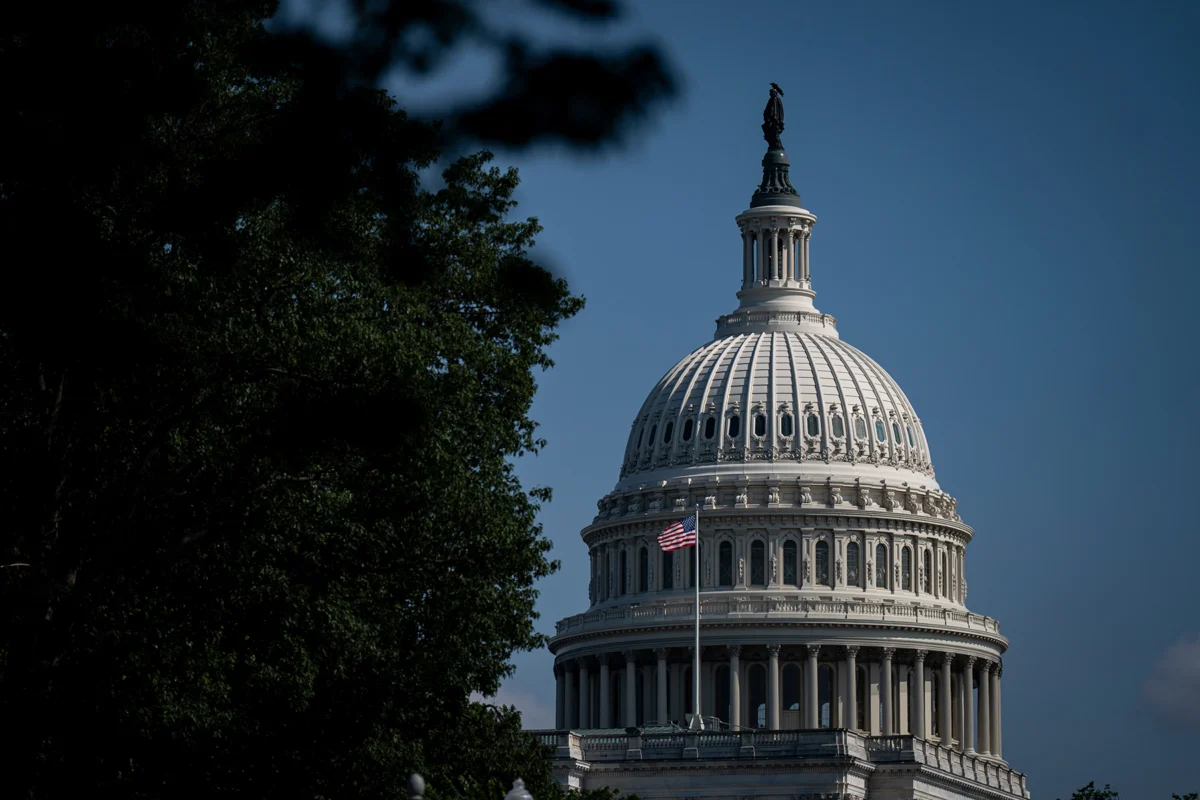
As the 119th Congress settles into its legislative cycle, the music industry finds itself at a critical crossroads. From the rapid evolution of artificial intelligence to the ongoing scrutiny of live event ticketing, federal lawmakers are currently weighing a series of bills that hold the potential to reshape how music is created, distributed, and experienced. For stakeholders—ranging from independent songwriters and touring artists to major record labels and streaming platforms—the legislative activity in Washington, D.C., is more than just procedural; it is a fundamental determinant of the industry’s economic health.
Billboard is committed to monitoring these developments, providing a comprehensive, rolling tracker of all music-related legislation as it winds its way through committee hearings, floor votes, and eventually, the President’s desk.
The Landscape of Federal Music Policy: Main Facts
The legislative agenda for the 119th Congress is expansive. It touches upon the granular mechanics of copyright law, the broader implications of digital piracy, the transparency of the live music market, and the protections afforded to creators in an increasingly automated world.
Key areas currently under review include:
- AI and Generative Technology: Establishing guardrails for the use of intellectual property in training AI models and protecting the "right of publicity" for artists.
- Ticketing Reform: Addressing the "junk fee" economy, resale price gouging, and the lack of transparency in the primary ticketing market.
- Royalty Structures: Modernizing payment mechanisms to ensure songwriters and performers are adequately compensated in the era of high-volume streaming.
- Broadcasting and Tourism: Protecting the rights of performers in terrestrial radio and ensuring that live performance venues have the federal support needed to thrive post-pandemic.
The complexity of these issues is compounded by the fact that many of these bills are "re-introductions"—legislative efforts that have failed to cross the finish line in previous sessions and are now being refined, rebranded, or bolstered by new data to gain broader traction.
A Chronology of the Legislative Process
The journey of a bill from a draft document to federal law is intentionally arduous, designed by the Founders to ensure consensus and deliberation. For the music industry, this journey typically follows a predictable, albeit often stalled, timeline:
- Introduction: A bill is introduced in either the House or the Senate. At this stage, industry advocacy groups—such as the RIAA or the Recording Academy—often work behind the scenes to secure bipartisan sponsorship.
- Committee Review: The bill is referred to a relevant committee (e.g., the House Judiciary Committee). This is where the "real" work happens. Experts are called to testify, amendments are proposed, and the bill is either "marked up" or effectively killed.
- Floor Vote: If a bill survives committee, it heads to the floor for a full vote. In the current 119th Congress, narrow margins in both chambers mean that every vote is heavily lobbied by industry interests.
- Cross-Chamber Reconciliation: If the House and Senate pass different versions of the same bill, a conference committee must reconcile the text.
- Executive Approval: Once identical versions pass both chambers, the bill moves to the White House. The President may sign it into law or exercise a veto.
For the music industry, the timeline is rarely linear. A bill may sit in committee for months, only to be resurrected suddenly as part of a larger, "must-pass" spending package or omnibus bill.
Supporting Data: Why Advocacy Matters
The heavy involvement of corporate giants—such as Live Nation, Spotify, and major record labels—alongside non-profit advocates like the Recording Academy, underscores the economic stakes. According to industry reports, the music business contributes billions of dollars annually to the U.S. GDP. However, this growth is increasingly threatened by systemic inefficiencies.
- The AI Disruption: With generative AI capable of mimicking an artist’s voice or style in seconds, the potential for copyright infringement has reached a tipping point. Legislative intervention is seen as the only way to prevent a devaluation of human creativity.
- The Ticketing Crisis: Public outcry over high-profile ticketing failures has pushed the issue into the national spotlight. Data suggests that consumer frustration with "junk fees" is at an all-time high, creating rare bipartisan agreement on the need for increased market transparency.
- The Royalty Gap: Despite record-breaking streaming numbers, many songwriters argue that current royalty splits are outdated. Advocacy groups are pushing for legislation that ensures "fair market value" in the digital age.
Official Responses and Industry Stance
The music industry has largely presented a unified front on several of these bills. Organizations like the Recording Academy, the RIAA, and the Music Artists Coalition have been proactive in drafting white papers, meeting with staffers, and testifying before Congress.
"The 119th Congress has a unique opportunity to protect the lifeblood of our industry: the artists," says one prominent industry lobbyist. "We aren’t just asking for subsidies; we are asking for a modernized legal framework that reflects the reality of the 21st-century music economy."
Conversely, some technology firms and platform providers argue that overly restrictive legislation could stifle innovation. They contend that any regulation regarding AI, for instance, must be carefully balanced to allow for technological progress while protecting the rights of creators. This tension between "protecting the past" and "enabling the future" is the central theme of the current congressional session.
Implications for the Future of Music
What happens in Washington over the next two years will have profound implications for the next decade of music consumption and creation.
For the Creator
If successful, these bills could lead to more stable income streams for songwriters and stronger legal protections against unauthorized AI usage. This would provide the necessary security for artists to invest more time in their craft rather than focusing solely on commercial viability.
For the Consumer
Consumers are the primary beneficiaries of ticketing reform. Legislation aimed at eradicating hidden fees and curbing anti-competitive behavior in the live space could lead to a more equitable market, potentially lowering the barrier to entry for live music attendance.
For the Industry at Large
The regulatory environment will define the competitive landscape. If Congress adopts a "hands-off" approach, the industry will likely rely on litigation to solve disputes—a costly and slow process. If, however, Congress provides clear, modern statutes, it will create a more predictable environment for investment, licensing, and technological integration.
Staying Informed: The Tracker
Billboard will continue to maintain this repository of legislative data. We recognize that the legislative process is difficult to decipher, and our goal is to provide the necessary context to understand not just what the bills are, but why they matter.
As new bills are introduced throughout the 119th Congress, we will:
- Analyze the specific text of the legislation.
- Identify the primary sponsors and the opposition.
- Provide regular updates on committee votes and floor progress.
- Explain the potential impact on your specific corner of the music business.
The intersection of law and music is where the future of the industry is written. We invite our readers to return to this page frequently as we track the developments that will shape the sound, the business, and the culture of music for years to come.
For real-time updates and deep dives into the specific bills currently moving through the House and Senate, ensure you are subscribed to our industry newsletters. The legislative process is ongoing; stay ahead of the curve by understanding the policies that govern your livelihood.