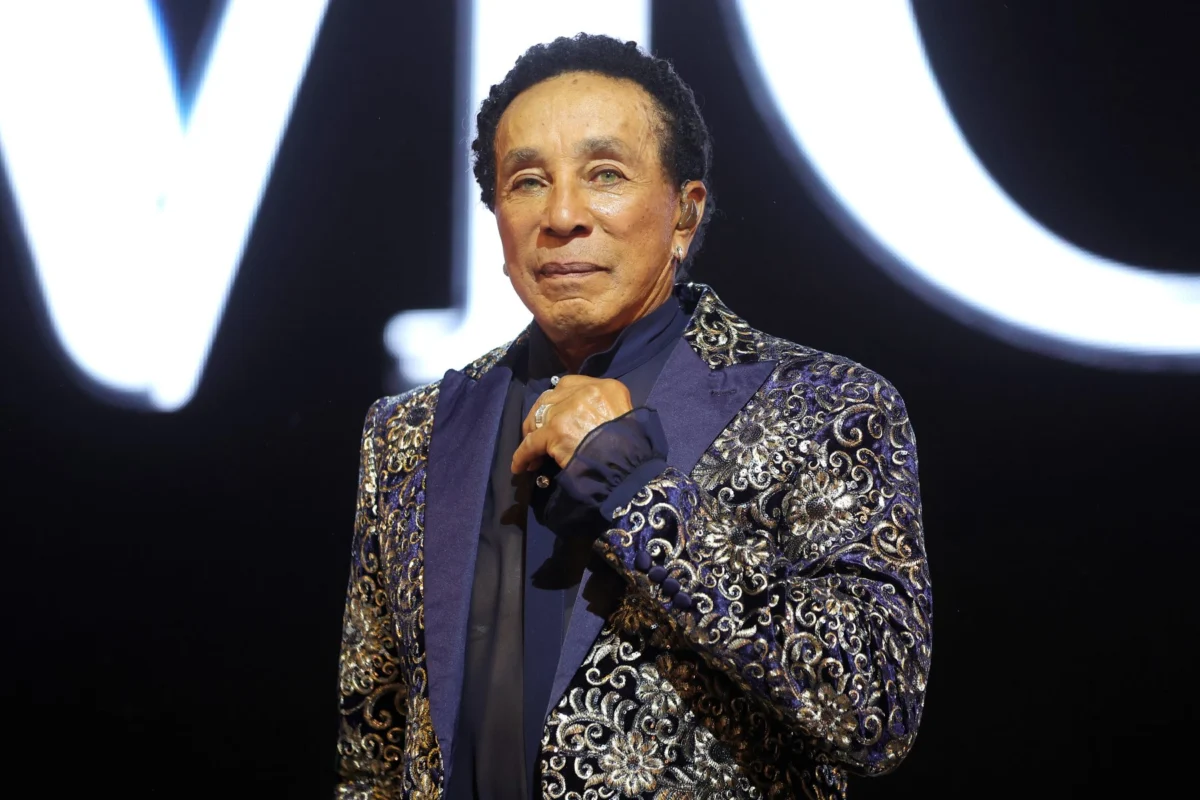
The legal landscape surrounding Motown legend Smokey Robinson has become increasingly volatile. As the 86-year-old music icon prepares to face a $50 million civil lawsuit, his defense team has undergone a series of rapid-fire transitions that have caught the attention of legal observers and industry insiders alike. In the span of just three months, the veteran singer has parted ways with two high-profile attorneys, raising questions about the strategy and stability of his defense as the October 2027 trial date looms.
The Core Allegations: A $50 Million Legal Battle
The legal storm first broke in May 2025, when four former household employees filed a lawsuit in Los Angeles, alleging that Smokey Robinson had sexually assaulted them during their tenure at his residence between 2007 and 2024. The claims, which describe a pattern of predatory behavior and systemic abuse, rocked the music industry, given Robinson’s decades-long reputation as a beloved cultural icon and a pioneer of the Motown sound.
The scope of the case expanded significantly when a fifth housekeeper and a male car mechanic joined the litigation anonymously, bringing additional claims of sexual assault and professional misconduct. The lawsuit also targets Robinson’s wife, Frances, accusing her of acting as an enabler who allegedly facilitated or ignored the abuse occurring within their home.
Robinson has consistently and vehemently denied all allegations. He has characterized the lawsuit as an “ugly method” of extortion, claiming that the accusations are a fabricated “money grab” intended to damage his legacy and deplete his financial resources.
A Chronology of Counsel: The Revolving Door
The most recent indicator of the pressure surrounding the case is the instability within Robinson’s legal representation. The transition of attorneys in high-stakes civil litigation is not unheard of, but the velocity with which Robinson has cycled through legal counsel is notable.
The Departure of Christopher Frost
The case was initially spearheaded by Christopher Frost, a powerhouse litigator known for representing entertainment heavyweights such as Berry Gordy and guitar virtuoso Dave Navarro. Frost, who brought a wealth of experience in managing high-profile celebrity crisis management, served as the primary defense counsel until June 2026. His exit was sudden, and the reasons for his departure remain opaque, with neither Frost nor Robinson’s representatives offering specific commentary on the separation.
The Short Tenure of David Kenner
Following Frost’s departure, Robinson enlisted the services of David Kenner, a formidable attorney famous for his work with controversial figures like Suge Knight and rapper Pras Michel. Kenner’s tenure was brief, lasting only two months. In August 2026, Kenner formally moved to withdraw from the case, citing a “breakdown in the attorney-client relationship.” This specific legal phrasing often points to fundamental disagreements regarding trial strategy, communication, or the management of the case, suggesting a significant rift between the singer and his counsel.
The Arrival of Anahita Sedaghatfar
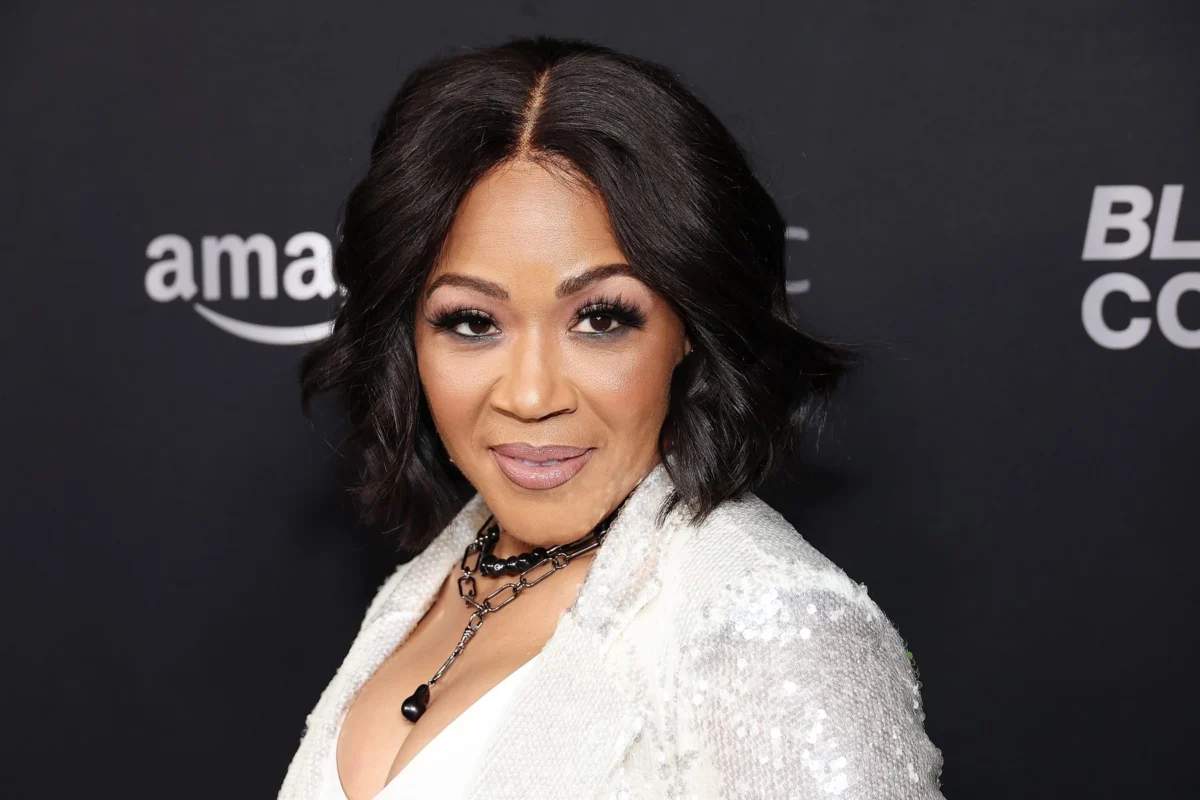
The most recent chapter in this legal saga began on Tuesday, September 15, when attorney Anahita Sedaghatfar entered her appearance on behalf of Robinson and his wife. Sedaghatfar, whose portfolio includes representation for figures such as actress Arianne Zucker, MLB player Royce Clayton, and members of the R&B group New Edition, has stepped into the role with a message of continuity and confidence.
Assessing the Defense Strategy
Anahita Sedaghatfar’s arrival has been marked by a public effort to stabilize the narrative. In a statement provided to Billboard, she minimized the significance of the recent turnover, stating, “Changing attorneys during the course of litigation is not unusual and is in fact common.”
Sedaghatfar’s defense strategy appears to rest on two pillars: a total denial of the plaintiffs’ claims and a aggressive focus on the factual evidence—or, in the defense’s view, the lack thereof. By publicly confirming her commitment to represent both Smokey and Frances Robinson, she is signaling a unified front against the allegations of complicity leveled against the singer’s wife.

“My clients unequivocally deny the allegations,” Sedaghatfar stated. “I look forward to presenting the facts, addressing the evidence, and vigorously advocating on their behalf.”
The Wider Legal Context: Countersuits and Criminal Inquiries
The civil lawsuit is merely one front in a broader conflict. Shortly after the initial filing, Robinson launched a retaliatory legal strike, countersuing the accusers for defamation and elder abuse. He alleged that the group had engaged in a conspiracy to steal from his family and destroy his reputation.
However, the courts have not been entirely receptive to his counterclaims. A judge previously dismissed his defamation claims, citing a lack of sufficient evidence to support the assertion that the accusers were intentionally spreading falsehoods. Robinson is currently in the process of appealing that decision. Furthermore, he maintains pending allegations against his former employees, including accusations that they deleted evidence and engaged in the burglary of his storage units.
Adding another layer of complexity is the ongoing criminal investigation by the Los Angeles County Sheriff’s Department. While no criminal charges have been filed against Robinson at this stage, the existence of an active law enforcement inquiry keeps the possibility of criminal liability hanging over the proceedings. The interplay between the civil discovery process and the parallel criminal investigation will likely be a decisive factor in how the 2027 trial unfolds.
Implications for the Motown Icon
The implications of this litigation extend far beyond the courtroom. For Smokey Robinson, an 86-year-old whose career spans the entirety of modern popular music history, the case represents a direct challenge to his legacy.
Reputation and Legacy
The accusations have forced a public re-evaluation of a man who has long been regarded as the "King of Motown." For many fans, reconciling the image of the poetic songwriter behind "The Tracks of My Tears" and "Ooo Baby Baby" with the accusations described in the lawsuit is a difficult task. The legal proceedings have stripped away the veneer of celebrity, leaving behind a grueling, clinical examination of his private life.
The Financial Stakes
Beyond the $50 million at stake in the civil suit, the costs of high-level litigation—especially when involving the frequent rotation of high-priced legal counsel—are immense. Legal fees for cases of this magnitude often run into the millions, representing a significant financial burden even for a star of Robinson’s stature.
The Precedent of Celebrity Litigation
The case also serves as a case study for how the justice system treats aging celebrities in the post-#MeToo era. The willingness of courts to allow such cases to proceed to trial—even when the incidents are alleged to have occurred over a period of many years—reflects a shift in how allegations of workplace misconduct are handled. The fact that the case is scheduled for trial in October 2027 suggests that the legal system is prepared to hold a full evidentiary hearing, regardless of the celebrity status of the defendant.
Conclusion: A Long Road to October 2027
As the legal proceedings grind toward the trial date in late 2027, the primary question for observers is whether Anahita Sedaghatfar will be the attorney to guide Robinson to the conclusion of the case, or if the "breakdown" in the attorney-client relationship that plagued his previous counsel will recur.
The case is a high-stakes collision of celebrity, memory, and the law. With the criminal investigation still looming and the civil case moving through the discovery phase, the coming year will likely bring further revelations. For now, Smokey Robinson remains at the center of a storm that shows no signs of dissipating, as he fights to preserve his legal standing and his place in the history books.