The Main Event: A Cultural Convergence
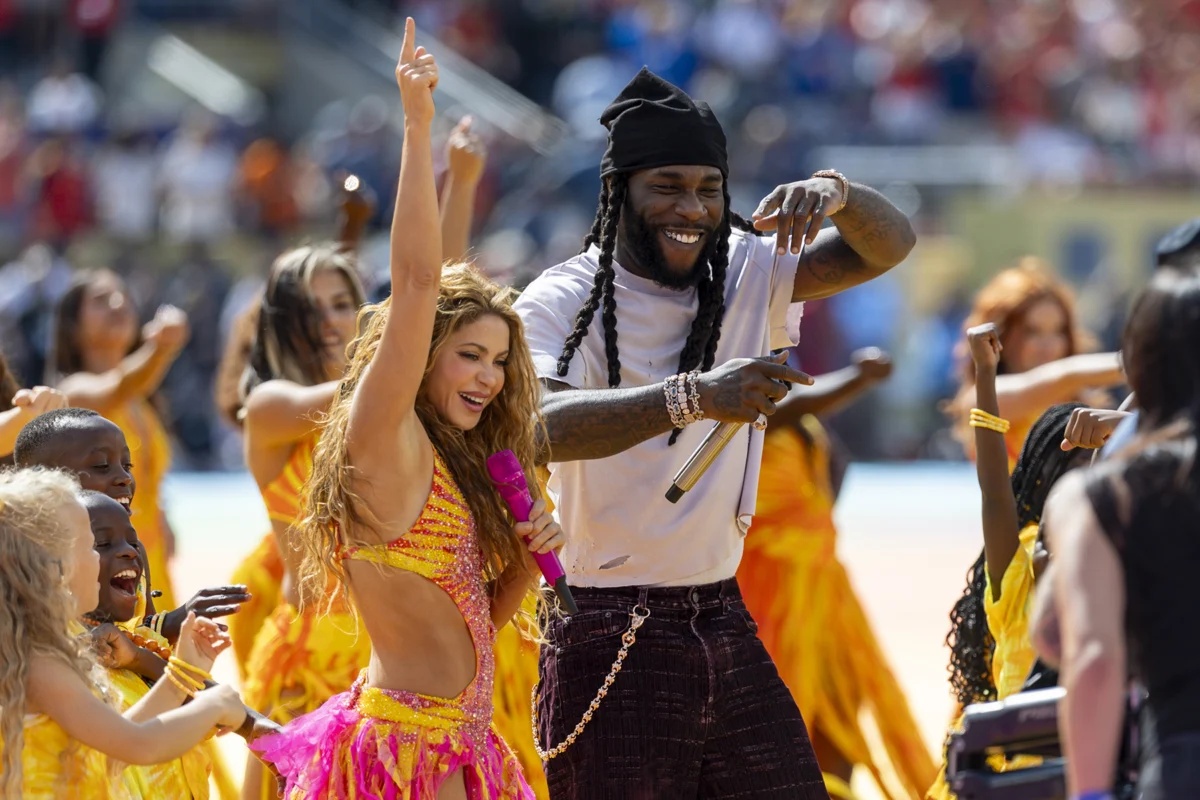
On July 19, 2026, the New York New Jersey Stadium in East Rutherford, New Jersey, transformed into the epicenter of the global cultural zeitgeist. As Spain and Argentina battled for the most coveted trophy in sports, the halftime show provided a spectacle that arguably rivaled the intensity of the match itself. Grammy-winning Afro-fusion titan Burna Boy took center stage, delivering a performance that cemented his status not just as a musician, but as a global icon of the highest order.
In an exclusive "Day in the Life" feature for Billboard, Burna Boy granted fans a rare, all-access glimpse into the meticulously choreographed chaos that defines a world-class production of this magnitude. From the quiet, tense moments of preparation to the euphoric adrenaline of the final curtain call, the footage captures a portrait of an artist at the absolute peak of his creative powers.
A Chronology of a Global Performance
The journey to the MetLife Stadium stage was one defined by high-stakes logistics and artistic precision. Burna Boy’s day began not with the relaxation typically afforded to a celebrity, but with the tactical rigor of a head of state.
Morning: The Arrival
The day commenced with a high-security police escort, cutting through the heavy traffic of the New Jersey/New York corridor. For the artist, the morning was characterized by a focus on mental conditioning. While the exterior world saw the glitz of the FIFA World Cup, the interior reality for the "Last of a Dying Breed" singer was one of total immersion in the setlist and the technical requirements of the stage.
Afternoon: The Networking of Giants
As the afternoon progressed, the artist’s holding area became a crossroads for the world’s elite. The behind-the-scenes footage highlights a seamless blend of professional camaraderie and high-profile socializing. Burna Boy was seen sharing a lighthearted moment with collaborator Shakira. The duo, whose track "Dai Dai" has become the definitive sound of the 2026 tournament, exuded the chemistry that has propelled the song to the top of the global charts for consecutive weeks.
The atmosphere in the green room was palpable. Burna Boy was spotted in a warm embrace with pop icon Justin Bieber, while the legendary British singer-songwriter Chris Martin—who served as the creative curator for the entire halftime production—conducted last-minute sound checks with the poise of a seasoned veteran. In a surprise moment that delighted spectators, actor Jason Sudeikis, channeling the spirit of his Ted Lasso persona, made an unannounced cameo, lending a touch of levity and cultural crossover to the high-pressure environment.
The Final Countdown: Stage Readiness
Minutes before the kickoff of the second half, the footage captures the final, critical transition. Burna Boy utilized the final moments before his entrance for a focused, private practice session, recalibrating his vocal delivery and movement. The shift from the intimate backstage corridor to the blinding lights of the field was a masterclass in professional composure. As he stepped onto the turf, the roar of the stadium served as the final validation of the weeks of preparation that led to this singular, high-octane performance.
Supporting Data: The "Dai Dai" Phenomenon
The significance of the performance cannot be understated, as it was anchored by the most successful song of the 2026 season. "Dai Dai," the official anthem of the FIFA World Cup, has become a statistical juggernaut.
According to Billboard chart data, the track is currently enjoying its second consecutive week at No. 1 on the Billboard Global 200. Furthermore, its dominance on the Billboard Global Excl. U.S. chart is even more pronounced, where it has held the top spot for four consecutive weeks.
The success of "Dai Dai" represents a broader shift in the music industry, where regional sounds—specifically the infectious rhythms of Afro-fusion—have migrated to the very center of Western-led global events. The collaboration between a Colombian global superstar like Shakira and a Nigerian powerhouse like Burna Boy serves as a blueprint for the modern, borderless music industry. It is a synthesis of market reach and artistic authenticity that has proven virtually impossible for competitors to replicate.
Official Responses and Creative Vision
The creative vision behind the performance was led by Chris Martin, whose involvement brought a level of structural sophistication to the halftime show that was noted by critics and industry insiders alike.
In the aftermath of the performance, the mutual respect between the performers was evident. As Burna Boy exited the field through the players’ tunnel, he was greeted by an effusive Chris Martin. The Coldplay frontman, who co-wrote the finale track "We Dance," praised the execution of the show, noting the complexity of balancing live instrumentation with the high-fidelity demands of a stadium-sized broadcast.
Burna Boy himself, reflecting on the experience, expressed a sense of pride that transcended the music. "It’s not just about the song," he noted in a brief interview snippet. "It’s about the bridge we are building. The World Cup is a platform that unites; our music is the soundtrack to that unity."
Implications for the Industry
The success of the 2026 World Cup halftime show has several profound implications for the future of live music and global sports marketing:
- The Globalization of Afro-fusion: Burna Boy’s placement at the center of the world’s most-watched sporting event confirms that African music is no longer a "niche" genre. It is a foundational pillar of global pop music.
- The "Curator" Model: The involvement of Chris Martin as a creative lead suggests a shift away from singular "star-power" performances toward a more collaborative, curated approach. This model allows for thematic cohesion, ensuring that the music, visuals, and narrative of the halftime show are perfectly aligned with the broader sporting event.
- The Power of Cross-Generational and Cross-Genre Appeal: By combining the legacy star power of Shakira with the contemporary dominance of Burna Boy and the creative input of established rock royalty like Chris Martin, the performance reached a demographic spectrum rarely captured by a single artist.
- The Digital Lifecycle of Live Events: The "Day in the Life" content strategy employed by Billboard highlights how the industry is now maximizing the digital afterlife of live events. By capturing the behind-the-scenes narrative, the event becomes more than a 15-minute show; it becomes a piece of serialized content that drives engagement long after the final whistle.
Conclusion: A Moment for the History Books
As the lights dimmed at the New York New Jersey Stadium and the crowd began the slow migration toward the exits, the prevailing sentiment was one of having witnessed a transformative moment in pop culture history. Burna Boy, standing amidst the confetti and the fading echoes of the performance, looked out at the stadium with the calm realization of an artist who has met the moment and exceeded it.
The 2026 FIFA World Cup final will be remembered for the match on the field, but for music fans and industry professionals, it will forever be linked to the day that Afro-fusion commanded the global stage. As the industry looks toward the next major global event, the bar has been set, not just by the quality of the sound, but by the scale of the vision. For Burna Boy, this was more than a performance—it was a definitive statement on the future of global music.