In the sprawling urban tapestry of New York City, few cultural institutions have managed to weave themselves as deeply into the public consciousness as SummerStage. What began forty years ago as a fledgling, ambitious experiment to bring high-caliber performing arts to the masses for free has blossomed into a monumental New York City institution. As the festival celebrates its 40th anniversary this year, it serves as a testament to the vision of its founder, Joe Killian, whose commitment to public access to the arts has defined the city’s summer experience for generations.
To honor this milestone, the City Parks Foundation has announced that Joe Killian will be the recipient of the 2026 SummerStage Icon Award. The presentation is scheduled for September 10, during the Foundation’s annual dinner and concert benefit fundraiser held at Rumsey Playfield, the festival’s historic flagship venue in the heart of Central Park.
The Genesis of an Urban Institution: A Chronology
The story of SummerStage is one of grit, foresight, and a profound belief in the power of public space. In 1986, when Joe Killian first conceived the festival, the landscape of New York City was vastly different from the polished metropolis of today. The city was emerging from a period of significant economic and social turbulence.
1986–1993: The Foundational Years
Killian’s tenure as the founder and executive producer from 1986 to 1993 was defined by "substantial hurdles." Securing funding, navigating city bureaucracy, and convincing skeptics that a free, large-scale concert series could thrive in public parks required a unique blend of tenacity and diplomatic skill. Despite these early obstacles, the festival found its footing, proving that New Yorkers across all five boroughs were hungry for accessible, world-class entertainment.
1994–2020: Expansion and Evolution
Following Killian’s formal leadership, the festival continued to scale. It expanded from a singular focus to a comprehensive program encompassing music, dance, theater, and spoken word. By the early 21st century, SummerStage had cemented its status as a critical platform for both established international stars and emerging local talent, helping to diversify the cultural fabric of the city.
2021–2026: Post-Pandemic Resilience
The COVID-19 pandemic posed the greatest threat to the festival’s existence in four decades. However, the City Parks Foundation demonstrated extraordinary agility, adapting programming to ensure that the spirit of the festival endured. By 2026, SummerStage had not only recovered but flourished, hosting approximately 200,000 attendees annually across parks in every borough, reasserting its role as the heartbeat of New York’s summer season.
Supporting Data: The Scale of Impact
The success of SummerStage is not merely measured in sentiment, but in the sheer scale of its reach and its contribution to the city’s economy and cultural equity.
- Geographic Reach: The festival operates in parks across all five boroughs—Manhattan, Brooklyn, Queens, the Bronx, and Staten Island—ensuring that the "free" promise of the festival reaches neighborhoods often overlooked by major arts presenters.
- Annual Attendance: With an average of 200,000 attendees per season, the festival serves as a massive cultural hub, drawing diverse crowds that reflect the demographic makeup of the city.
- Economic Significance: By providing free programming, the City Parks Foundation effectively subsidizes the cultural life of New York residents, lowering the barrier to entry for the arts. This fosters a vibrant local economy, as neighborhood businesses near the parks often see increased foot traffic and patronage during the summer months.
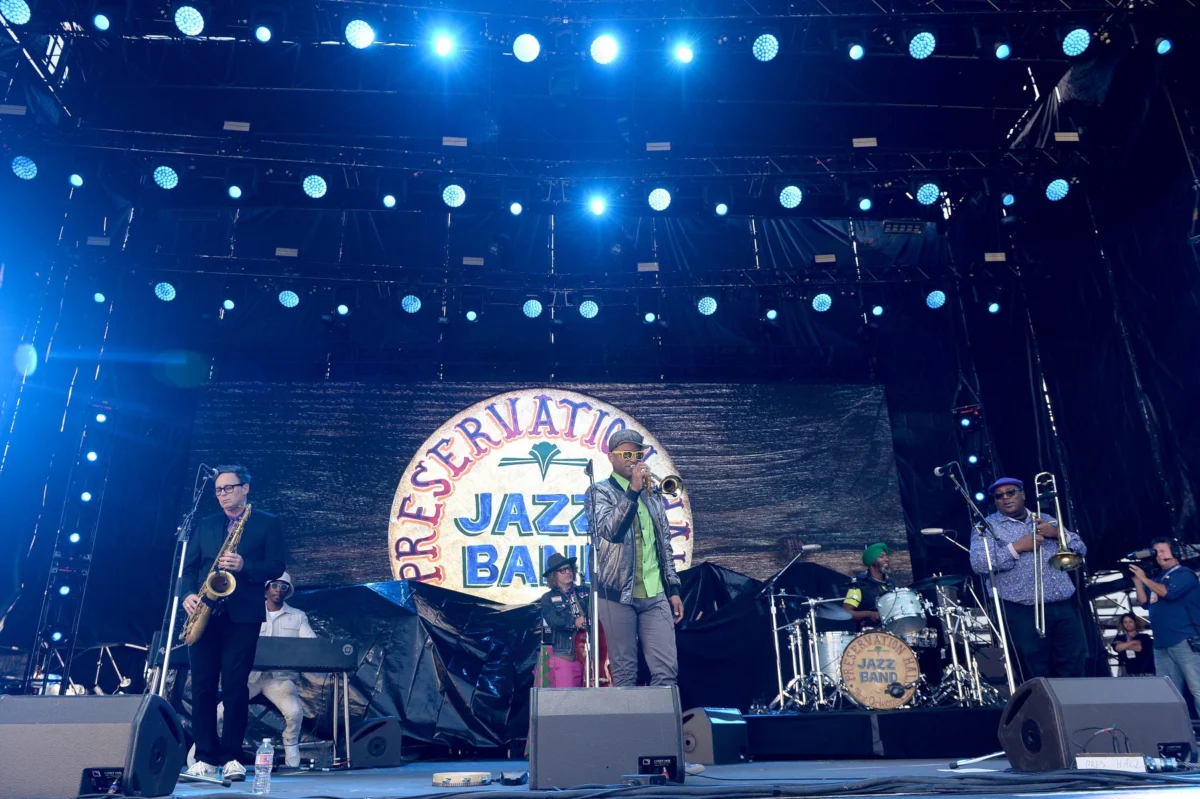
- Artistic Diversity: Over its 40-year history, the festival has presented thousands of artists. The upcoming 2026 gala, which will feature the legendary Preservation Hall Jazz Band, highlights the festival’s commitment to honoring traditional music forms while remaining relevant to contemporary audiences.
Recognizing Philanthropic Leadership
The 2026 benefit fundraiser will also honor Alex Blavatnik, vice chairman of Access Industries and senior advisor to the Blavatnik Family Foundation, with the 2026 City Parks Foundation Icon Award. Blavatnik’s inclusion acknowledges the symbiotic relationship between corporate philanthropy and the arts.
Blavatnik, who served on the Warner Music Group board of directors for 12 years until 2023, has long been a champion of cultural preservation. Beyond his work in the music industry, he oversees the Blavatnik Archive, a nonprofit organization dedicated to preserving materials related to 20th-century Jewish and world history. His recognition by the City Parks Foundation underscores the importance of private support in maintaining public assets. By supporting the Foundation, donors like Blavatnik ensure that the archives of our history and the stages of our present remain accessible to the public.

Official Responses and Future Outlook
The atmosphere surrounding the 40th anniversary is one of reflection and renewed purpose. Heather Lubov, executive director of the City Parks Foundation, expressed the organization’s gratitude for the vision that started it all.
"As we celebrate SummerStage’s 40th anniversary this year, we are truly honored to be presenting our trailblazing festival founder Joe Killian with this year’s SummerStage Icon Award," Lubov stated. "Joe had a groundbreaking vision to bring free, world-class performing arts programming to New Yorkers, and we are so proud to be continuing his mission across the city to this day."
Lubov also emphasized the dual nature of the celebration, adding, "We are also equally excited to present Alex Blavatnik with the City Parks Foundation Icon Award and shine a spotlight on the longtime commitment and philanthropic support that he and his Foundation have provided to preserving cultural history and making it freely accessible to all—something we strongly believe in."
Implications for the Future of Public Arts
As the City Parks Foundation looks toward the next decade, the legacy of Joe Killian serves as a blueprint for how cities can utilize public space for social cohesion. The "SummerStage Model"—a blend of private funding, philanthropic support, and public-sector partnership—is increasingly seen as the gold standard for urban cultural programming.
Strengthening Community Ties
In an era of increasing digital isolation, the importance of physical, shared spaces cannot be overstated. SummerStage provides a rare "third place" for New Yorkers, where the social barriers of the city are temporarily suspended. Whether it is a jazz performance in a neighborhood park or a headline show in Central Park, the experience of live music in an open, non-commercialized environment fosters a sense of communal ownership of the city’s resources.
The Challenges Ahead
Despite its success, the festival faces the ongoing challenges of urban development and inflation. Maintaining the "free" status of these events requires constant vigilance and a robust donor network. As costs for logistics, security, and talent rise, the role of the Board—which Joe Killian continues to serve on—becomes critical in navigating the financial landscape of the 2020s and beyond.
A Lasting Legacy
Joe Killian’s transition from an executive producer to a board member and icon of the organization he created is a rare trajectory in the world of arts management. It speaks to a legacy that is not static, but evolving. Killian, who also founded Killian + Company, remains a pillar of the New York arts scene, and his presence at the 2026 gala will serve as a bridge between the humble beginnings of 1986 and the expansive, multi-faceted festival that SummerStage has become.
The September 10th fundraiser at Rumsey Playfield will not only be a celebration of past achievements but a rallying cry for the future. With the Preservation Hall Jazz Band providing the soundtrack and the city’s cultural leadership in attendance, the event will underscore the simple yet radical idea that defined the festival four decades ago: that the arts belong to the people, and that the city’s parks are the rightful, democratic stage for that brilliance. As New Yorkers prepare for another summer of music and community, the 40th anniversary stands as a reminder that the best institutions are those that grow alongside the city they serve.