LOS ANGELES — In the rapidly evolving landscape of home recording, podcasting, and content creation, creators often spend thousands of dollars on high-end microphones, precision preamps, and pristine monitoring systems. Yet, a fundamental link in the audio signal chain is frequently overlooked: the room itself.
For decades, the standard initiation rite for budding audio engineers involved a trip to the local hardware store, a carpet knife, a hot glue gun, and a mountain of cheap polyurethane foam. However, as the industry matures and the demand for broadcast-quality audio surges across home studios, project spaces, and streaming setups, creators are ditching makeshift solutions. The shift toward professional-grade, all-inclusive acoustic treatment systems—exemplified by products like Primacoustic’s London Room Kits—marks a paradigm change in how modern creators approach space management, sonic accuracy, and workflow efficiency.
The Evolution of the Home Studio: From Guesswork to Precision
Main Facts
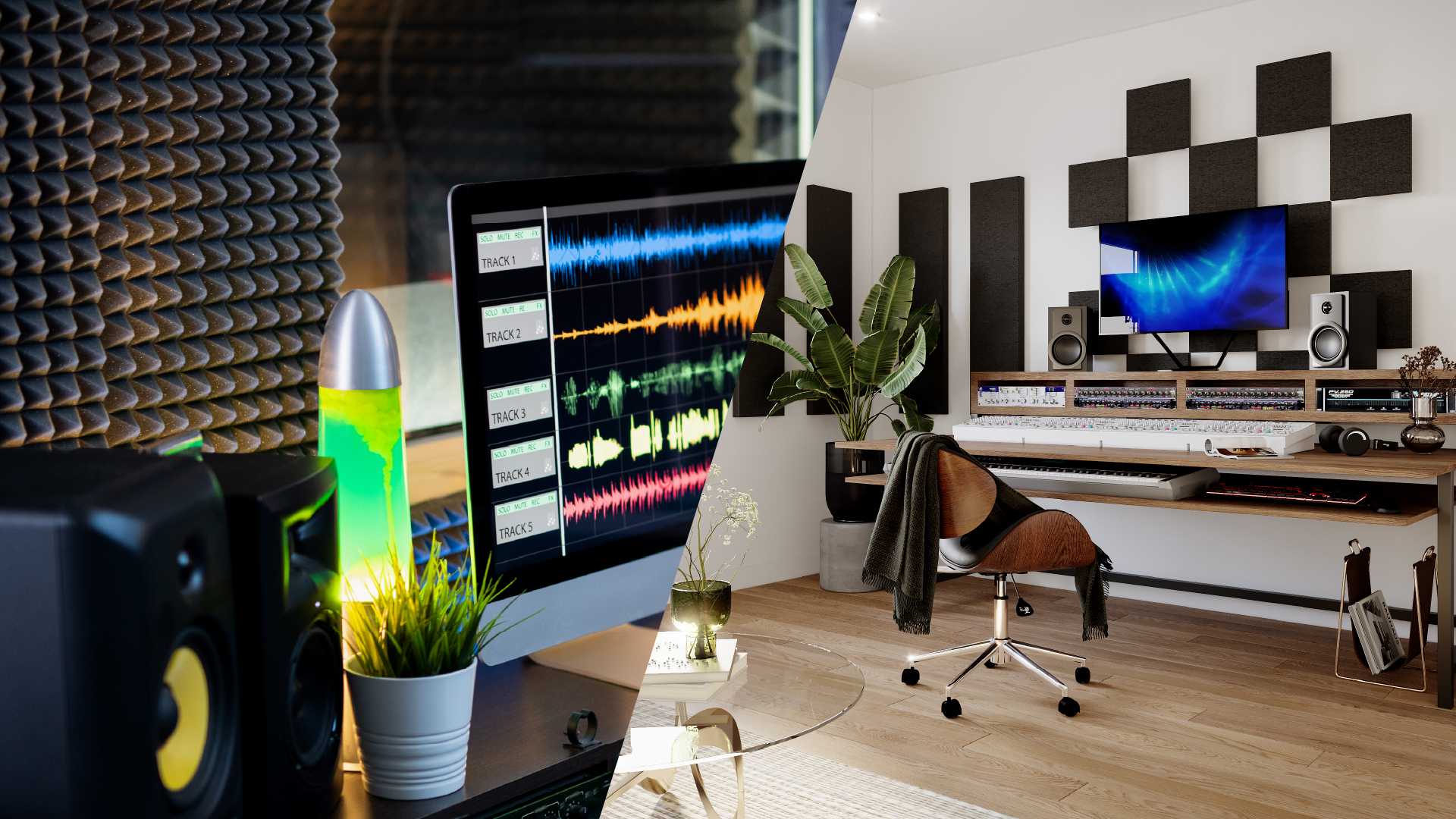
The modern digital audio workstation (DAW) has democratized music production, enabling Grammy-winning tracks to be mixed inside spare bedrooms. However, raw architecture remains hostile to sound. Untreated parallel walls, hard flooring, and bare ceilings create a chaotic acoustic environment characterized by flutter echoes, phase cancellation, and exaggerated low-frequency resonance.
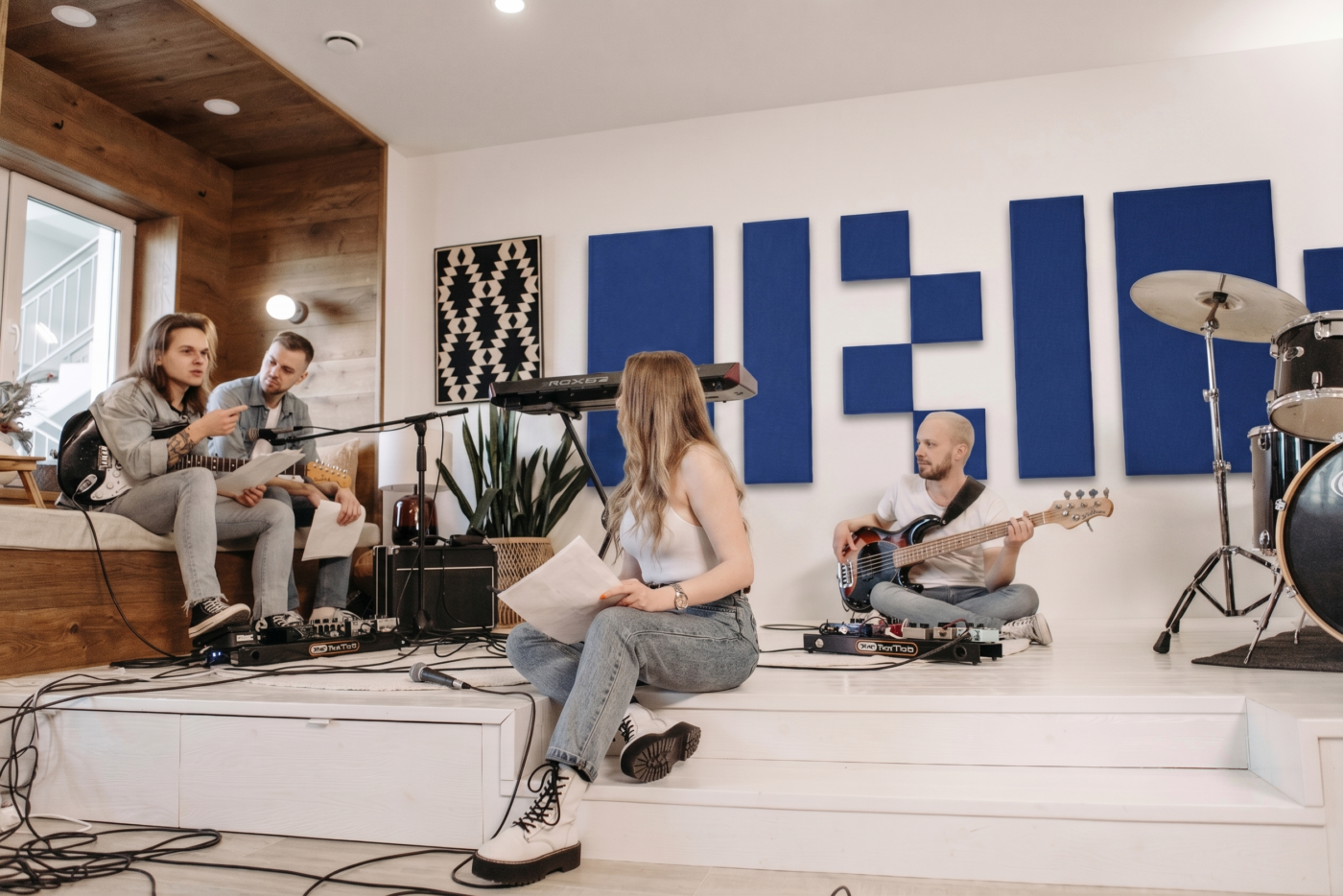
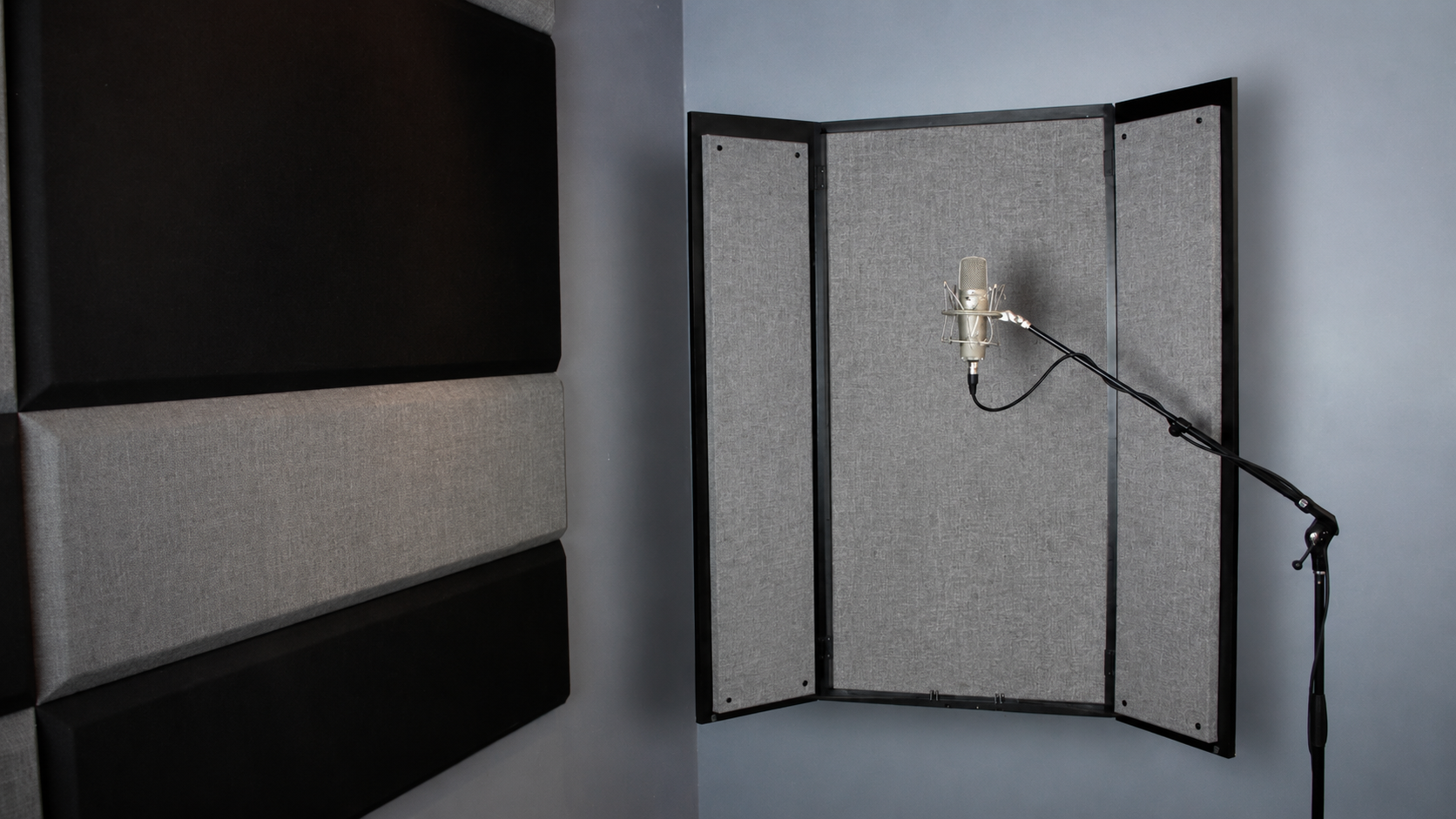
While entry-level creators have long relied on improvised fixes, industry standards are shifting. Professional-grade acoustic treatments—specifically high-density glass wool panels—are replacing flimsy foam wedges. Unlike lightweight polyurethane foam, which only dampens extreme high frequencies, high-density glass wool absorbs up to four times more acoustic energy across a much broader, balanced frequency spectrum. Furthermore, these professional panels feature resin-hardened edges, meet strict Class-A fire safety ratings, and resist the structural degradation, crumbling, and dust collection common to cheap foam alternatives.
Chronology: The Journey of Room Treatment
- The Early Era (The DIY Boom): As home recording exploded in the late 1990s and 2000s, creators turned to cheap mattress foam, egg cartons, and hardware store acoustic tiles. These quick fixes offered immediate, albeit superficial, high-frequency dampening, creating a false sense of security.
- The Realization Phase: Over time, producers realized that mixes crafted in foam-heavy rooms collapsed when played back on external consumer systems. The absence of low-end and low-mid frequency absorption resulted in muddy, boomy recordings that failed to translate to professional environments.
- The Rise of Engineered Systems: Recognizing the need for consistency, acoustic manufacturers began developing comprehensive, mathematically balanced room kits. Rather than forcing creators to guess panel placements and material densities, companies introduced pre-engineered packages tailored to specific room volumes.
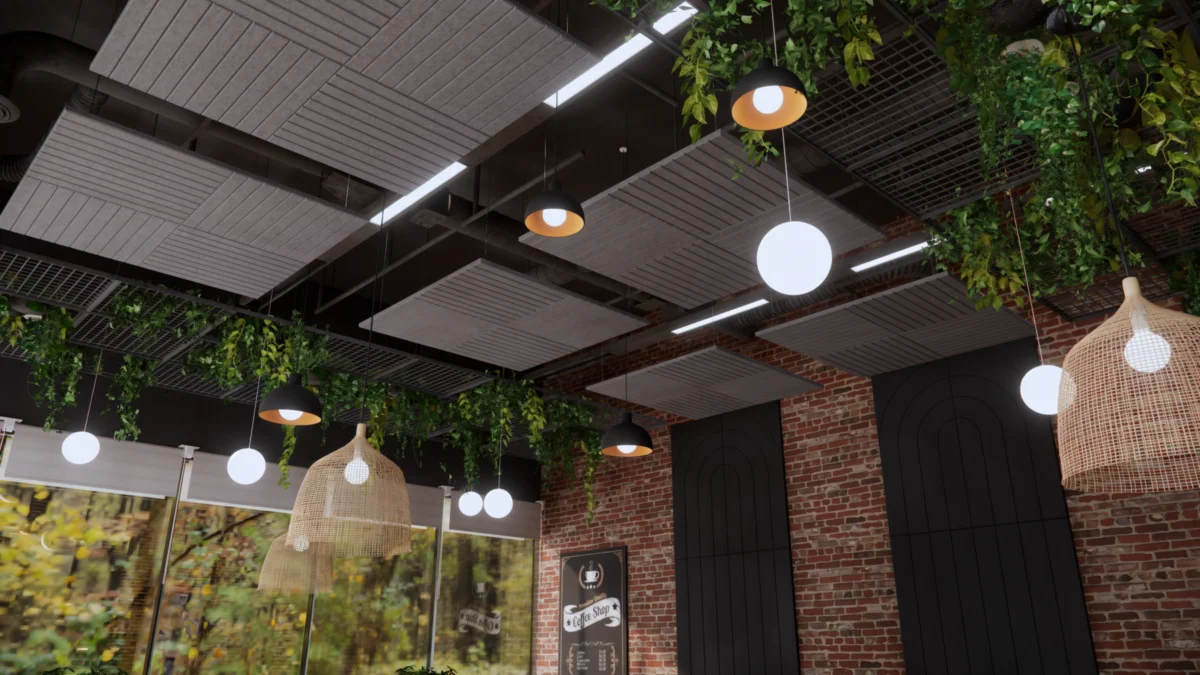
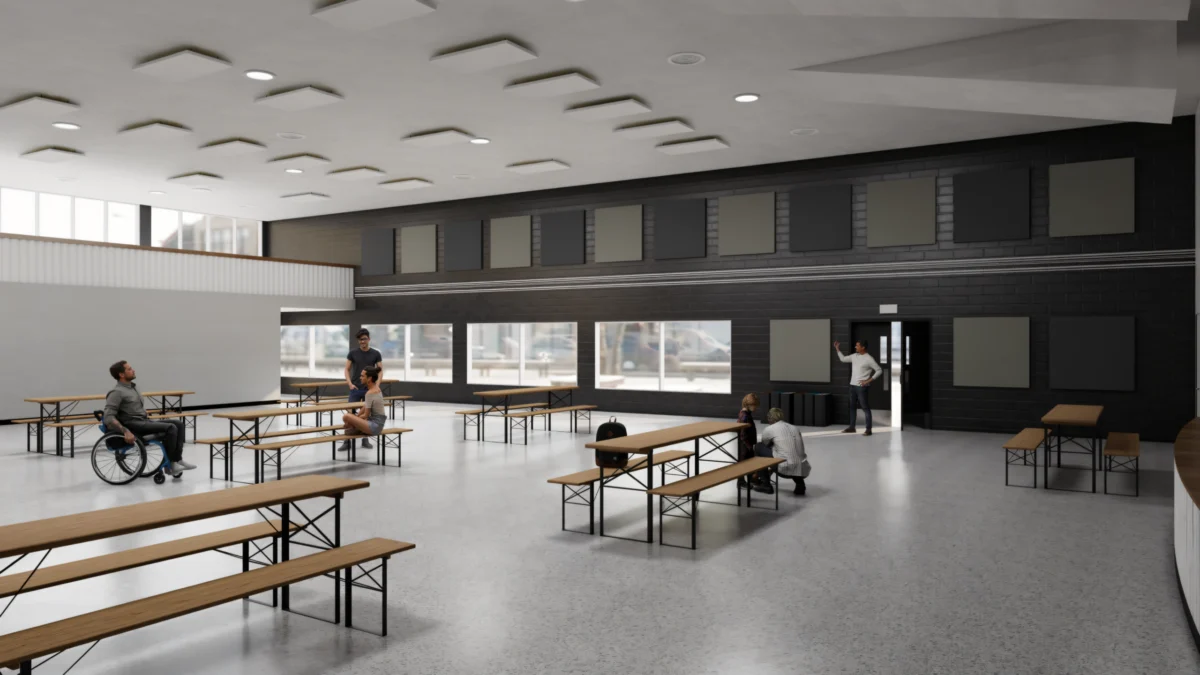
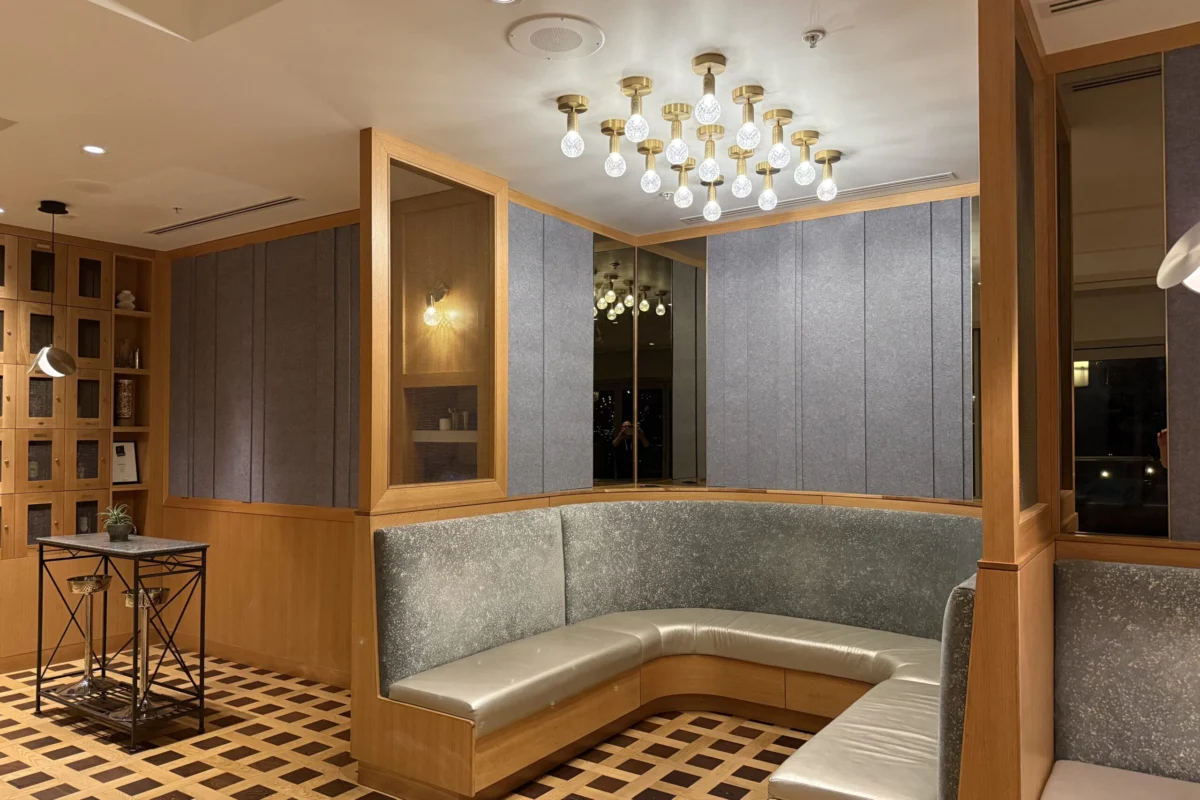
- The Aesthetic Integration (Present Day): Modern acoustic design prioritizes both form and function. Today’s systems incorporate diverse color palettes—such as Primacoustic’s new Waypoint Colour Collection featuring 39 distinct shades—allowing studios to achieve broadcast-ready acoustics without sacrificing visual aesthetics.
Supporting Data: Foam vs. High-Density Glass Wool
To understand why professional kits are taking over the market, one must look at the physics of sound absorption.
- Frequency Response: Standard acoustic foam typically struggles below 500 Hz, leaving low-mid frequencies bouncing unchecked around the room. High-density glass wool panels boast superior broadband absorption coefficients, tackling problematic bass build-up and muddy low-mids effectively.
- Safety and Durability: Cheap polyurethane foams are highly flammable and frequently fail stringent commercial fire codes. Conversely, professional architectural panels meet rigorous Class-A fire safety standards.
- Longevity: Untreated or low-grade foam oxidizes, fades in color, crumbles, and traps airborne dust over time. Resin-hardened glass wool panels maintain their structural integrity and acoustic performance for decades.
- The Cost of Trial and Error: Building DIY frames requires substantial investments in lumber, fabric, staples, and time. Furthermore, working with raw insulation without proper encapsulation risks releasing irritating airborne fibers into the studio space—an issue entirely bypassed by factory-finished, sealed professional panels.
Official Perspectives and Industry Insights
Audio engineers and acoustic designers emphasize that treating a room is fundamentally different from swapping out a faulty microphone or upgrading a plugin.

"Think of your room as the final, unavoidable link in your audio chain," notes leading acoustic literature from Primacoustic. "Like all the other elements in that chain, its characteristics and quirks have a direct impact on what you hear when tracking and mixing. Chances are you’ve chosen every device in your chain to ensure the sounds you capture are exactly what you want. Obviously, accuracy matters as much for tracking as it does for mixing."
Industry professionals point out that when tracking in an untreated space, sound waves bounce off hard surfaces and bleed back into the microphone at delayed intervals, introducing phase anomalies. When monitoring playbacks, these same reflections interfere with studio monitors, masking critical details in the high-mids and lows. This forces creators into endless cycles of re-tracking and corrective EQing—frustrations that vanish once a room is properly balanced.
"There are very few things more frustrating than spending the time and energy getting just the right take, only to discover you have to go through the whole process again because of some sonic anomaly you failed to notice during tracking," industry experts state. Comprehensive systems like the London Room Kits eliminate this guesswork by providing a verified, lab-tested acoustic blueprint straight out of the box.
Implications for Creators, Producers, and Facilities
The shift toward dedicated studio acoustic kits carries profound implications for the creator economy:
1. Translation and Client Confidence
When a mix translates accurately from a home studio to car speakers, club sound systems, and mobile earbuds, the creator’s confidence skyrockets. Furthermore, a professionally treated and visually striking room commands respect from visiting artists, vocalists, and paying clients, establishing immediate credibility.
2. Reduction of Aural Fatigue
Constant, chaotic room reflections force the human brain to work overtime to parse desired sounds from ambient phase cancellation. This phenomenon, known as listener fatigue, leads to poor decision-making during long mixing sessions. Taming early reflections with high-density panels creates a calm, focused sonic environment.
3. Streamlined Workflows
By investing in pre-engineered kits that include all necessary mounting hardware and mathematically calculated panel distributions, creators bypass the steep learning curve of acoustic physics. They spend less time troubleshooting room modes and more time producing art.
Conclusion: An Investment in Long-Term Professionalism
Ultimately, upgrading a studio’s acoustics extends far beyond aesthetic improvements or minor sonic tweaks. It is an investment in professional integrity, workflow efficiency, and creative longevity. Whether outfitting a dedicated commercial facility, a bedroom production suite, a livestreaming booth, or a home theater, transitioning from DIY guesswork to a proven, all-in-one acoustic system is the definitive way to elevate production value.
As the boundaries between professional and home recording continue to blur, the rooms where magic is made must rise to meet the challenge—proving that great sound truly starts at the sketch.