June 18, 2026 — In a move set to reshape the landscape of edge computing, Efinix® Inc., a trailblazer in FPGA architecture, has officially launched the Titanium Edge™ family of FPGAs. Engineered specifically to tackle the compounding pressures of power, space, and security in the artificial intelligence sector, the new suite of devices represents a significant milestone in silicon engineering. By integrating post-quantum cryptography, advanced System-in-Package (SiP) capabilities, and high-speed I/O, Efinix is positioning its latest hardware as the foundational backbone for the next generation of mission-critical AI applications.
The Core Mandate: Bridging the Gap in Edge AI
The proliferation of edge AI—where processing occurs on the device rather than in the cloud—has hit a technological bottleneck. Designers are increasingly tasked with packing high-performance neural network inference into environments that lack cooling, have limited power budgets, and face escalating cybersecurity threats.
The Titanium Edge family arrives as a direct answer to these constraints. Built upon Efinix’s proven Titanium architecture, the platform is designed to maintain high computational throughput while minimizing the physical and thermal footprint. By focusing on five critical pillars—power efficiency, SiP integration, high-speed MIPI I/O, SEU (Single Event Upset) scrubbing, and post-quantum security—Efinix is addressing the "impossible triangle" of edge design: performance, power, and protection.
Chronology of Innovation: The Road to Titanium Edge
The development of Titanium Edge did not occur in a vacuum; it is the result of a multi-year collaborative effort between Efinix’s engineering teams and its strategic partners in the automotive, industrial, and robotics sectors.
- 2023–2024 (Foundational Research): Efinix identified that the industry was moving toward "Physical AI"—machines that interact with the physical world through sensor fusion. This necessitated a shift from generic FPGAs to purpose-built, hardened AI-centric architectures.
- Early 2025 (Development Phase): The company finalized the architecture for the Titanium Edge, incorporating feedback from major customers who requested deeper integration of security features to combat the rising threat of quantum-based cyberattacks.
- Late 2025 (Prototyping): Silicon validation confirmed that the new SiP packaging could successfully accommodate high-speed MIPI interfaces without introducing thermal instability, a common issue in dense edge deployments.
- June 2026 (Launch): Official announcement of the product line, setting the stage for wide-scale deployment in high-growth markets.
Technical Architecture: Solving the Five Key Challenges
Titanium Edge is not merely a component upgrade; it is an architectural overhaul aimed at solving the most pervasive challenges in modern system design.
1. Ultra-Low Power Consumption
By optimizing the logic fabric for AI-specific workloads, Titanium Edge significantly reduces the energy required for inference. For developers in remote or battery-constrained environments, this translates to longer field life and lower heat dissipation, which is critical for fanless industrial systems.
2. System-in-Package (SiP) Integration
The SiP approach allows Efinix to integrate more functionality into a smaller footprint. By combining the FPGA fabric with essential peripheral components within a single package, designers can reduce PCB complexity, save board space, and improve signal integrity—all while reducing the total Bill of Materials (BOM) cost.
3. High-Speed MIPI I/O
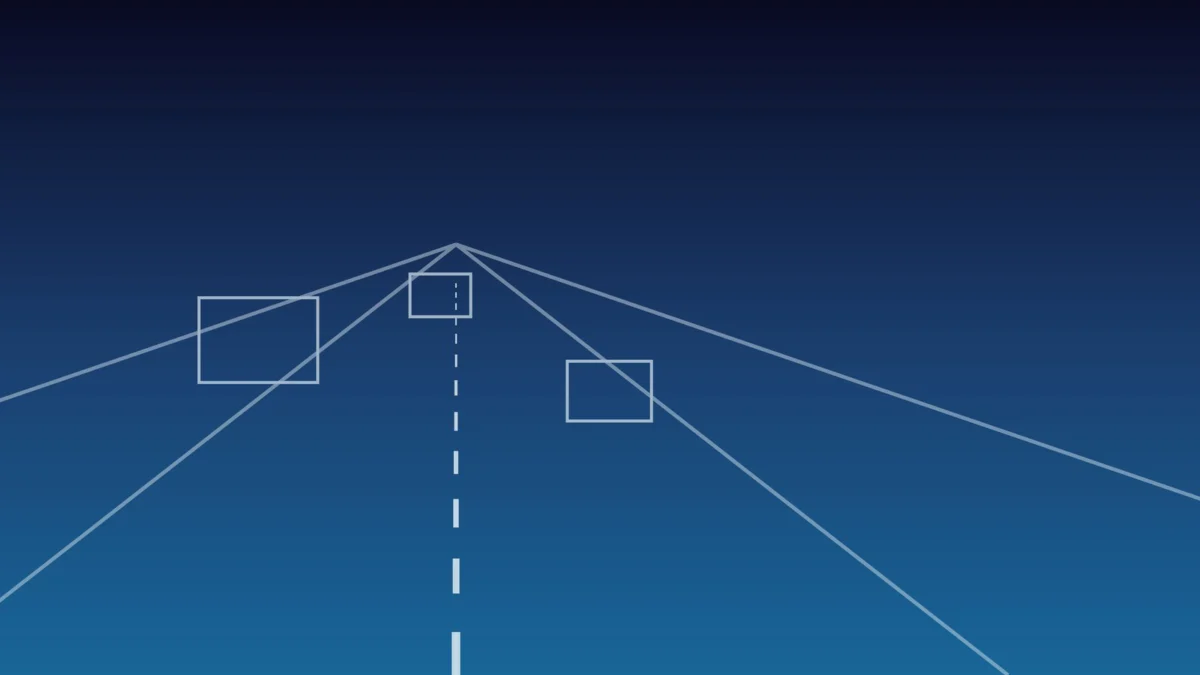
Edge AI relies heavily on vision systems. The Titanium Edge features advanced MIPI I/O capabilities, allowing for direct, low-latency interfacing with high-resolution image sensors. This is a game-changer for autonomous systems and machine vision applications that require real-time processing of visual data.
4. Advanced SEU Scrubbing
In environments where radiation or electrical noise can cause bit-flips (Single Event Upsets), the reliability of AI hardware is paramount. Titanium Edge features proactive SEU scrubbing, ensuring that data integrity is maintained throughout the entire product lifecycle—a necessity for sectors like automotive and aerospace where "failure is not an option."
5. Post-Quantum Security
Perhaps the most forward-thinking aspect of the announcement is the integration of post-quantum cryptography. As quantum computing threats loom on the horizon, Efinix has baked hardware-level support for algorithms like ML-DSA, ML-KEM, SHA-3, and SHAKE directly into the silicon. This future-proofs hardware, ensuring that devices deployed today remain secure for the next decade.
Official Perspectives: The Vision from Leadership
The leadership at Efinix emphasizes that the Titanium Edge is a direct response to the "real-world" challenges shared by their clientele.
Sammy Cheung, Co-founder and CEO of Efinix:
"In edge AI applications, every milliwatt, every square millimeter, and every potential attack surface matters. Titanium Edge reflects years of co-development with customers, pushing the limits of what is achievable in constrained deployments. We are giving designers the performance they need without forcing them to compromise on power, footprint, or security."
Tony Ngai, Co-founder, Co-President, and CTO of Efinix:
"Titanium Edge is the culmination of close collaboration with customers building next-generation edge AI systems in sectors where failure is not an option. The integration of post-quantum security directly into silicon, combined with hardware SEU scrubbing and SiP packaging, gives our customers a platform they can design once and trust for the full product lifecycle—from certification through decade-long field deployment."
Implications for the Market and Future Roadmap
The introduction of the Titanium Edge is expected to have immediate repercussions in several high-growth sectors:
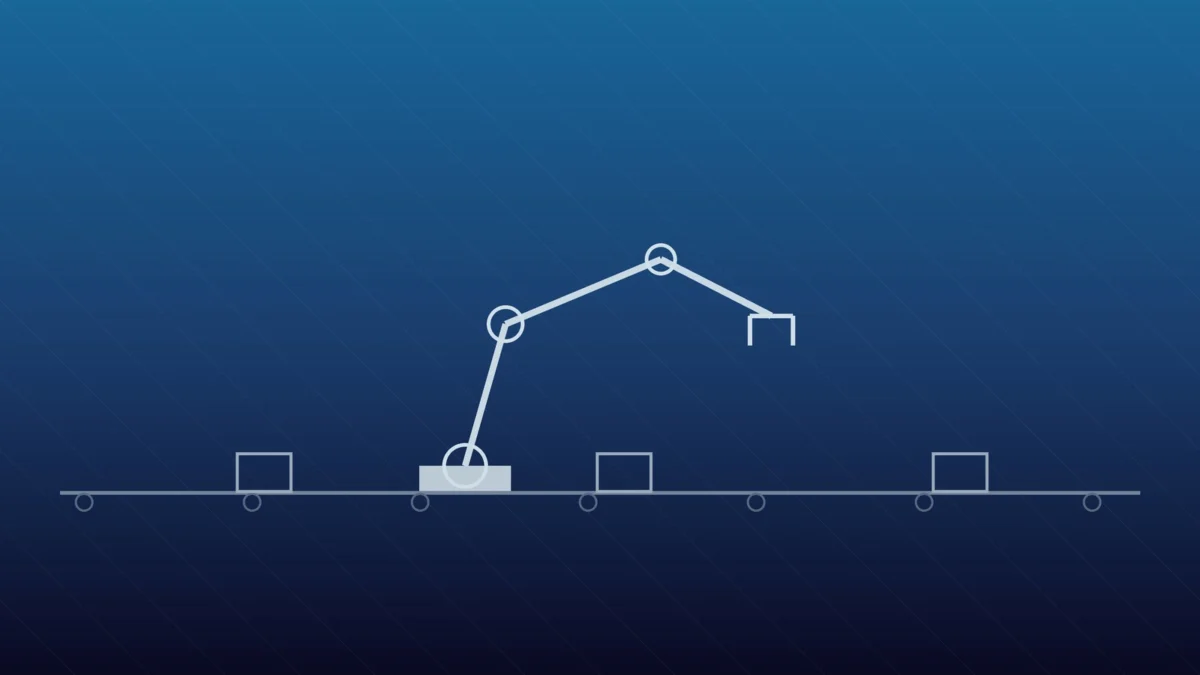
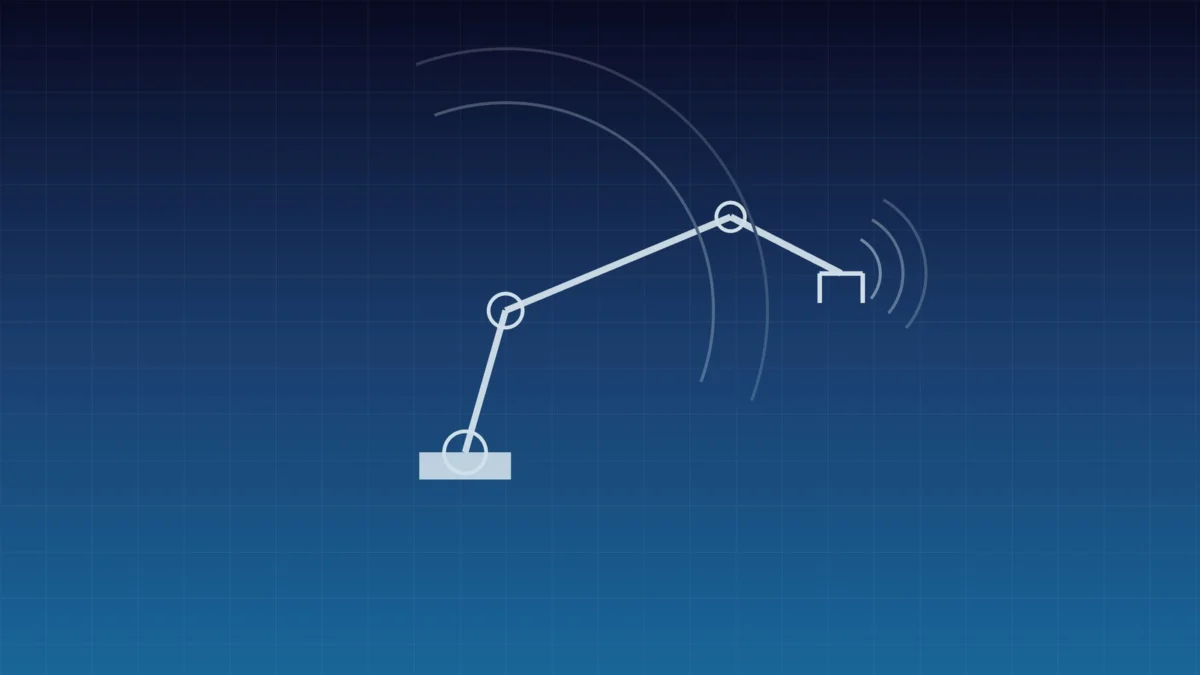
- Industrial Automation: With the ability to perform complex inference at the edge, industrial robots will become more autonomous and responsive, reducing the reliance on central network controllers.
- Automotive Systems: The focus on SEU scrubbing and security makes the platform an ideal candidate for ADAS (Advanced Driver Assistance Systems) and vehicle-to-everything (V2X) communication modules.
- Physical AI: The integration of vision-ready MIPI I/O and high-performance fabric enables a new class of robots and drones that can process visual environments in real-time without cloud latency.
Deployment Ecosystem
Efinix is not releasing the hardware in a vacuum. The Titanium Edge family is supported by the Efinity® Integrated Development Environment (IDE), which provides a seamless path from RTL to bitstream. Furthermore, the ecosystem includes Sapphire SoC solutions, which facilitate the integration of RISC-V processors. This allows developers to offload AI tasks to the FPGA fabric while maintaining a familiar C/C++ development flow for general-purpose processing.
Looking ahead, the roadmap is clear. Efinix has confirmed that security-hardened variants of the Ti125 and Ti95 devices are scheduled for sampling in Q4 2026. This staggered rollout ensures that initial adopters can begin prototyping immediately, while those requiring the highest levels of security will have access to the full suite of post-quantum features by the end of the year.
Conclusion
As the AI revolution moves from the cloud to the edge, the hardware requirements are becoming increasingly stringent. Efinix’s Titanium Edge family arrives as a comprehensive, security-conscious, and power-efficient solution designed to meet these challenges head-on. By focusing on the intersection of hardware performance and future-proof security, Efinix has solidified its position as a key architect of the intelligent, edge-connected future. For engineers and system architects, the Titanium Edge offers more than just silicon—it offers the reliability and versatility needed to build the systems of tomorrow.