Introduction: A Multimedia Odyssey
In the world of live entertainment, few challenges are as daunting as recreating the sonic legacy of a titan like Phil Collins. From his genre-defining tenure with Genesis to his unparalleled solo career, Collins’ work is characterized by intricate arrangements, high-fidelity production, and, perhaps most famously, the colossal, gated-reverb drum sound that defined the 1980s.
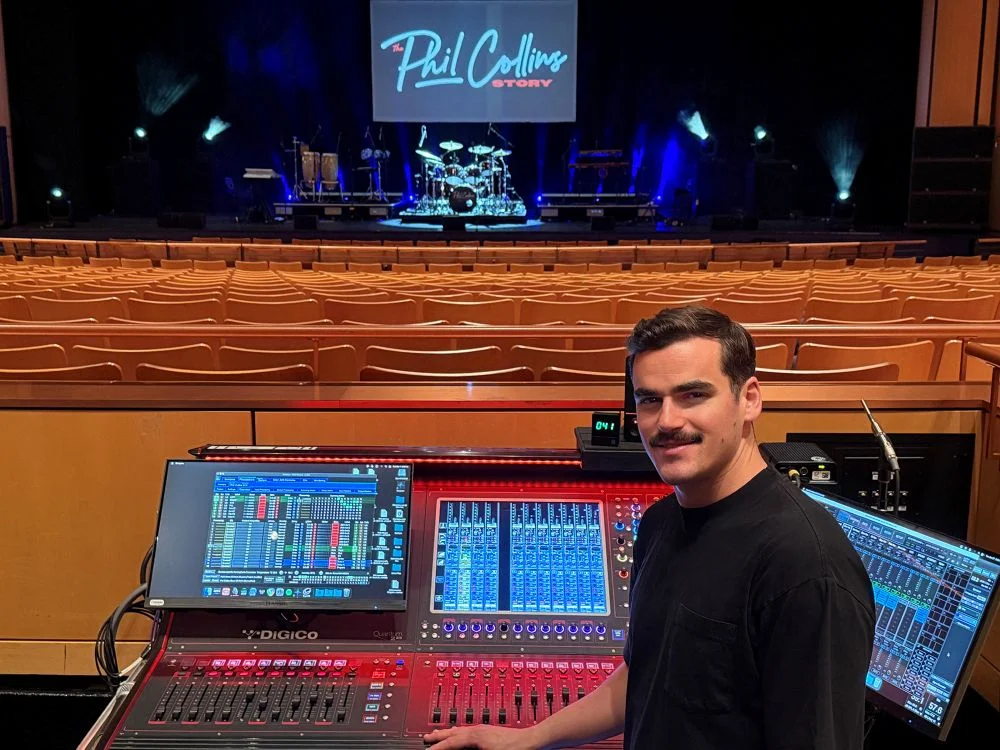
"The Phil Collins Story," a sprawling 50-city North American docu-concert, is not merely a tribute; it is a meticulously crafted multimedia experience. Debuting at the Landmark Theatre in Syracuse, New York, this production blends documentary-style storytelling, high-definition projections, and a live band to provide a visceral look at the life and music of the Academy Award, Grammy, and Golden Globe-winning artist. To achieve the level of audio precision required to honor such a catalog, the production team turned to the cutting edge of digital signal processing: the DiGiCo Quantum225 console and the immersive power of KLANG:technologies.
The Technical Architecture: Powering the Legacy
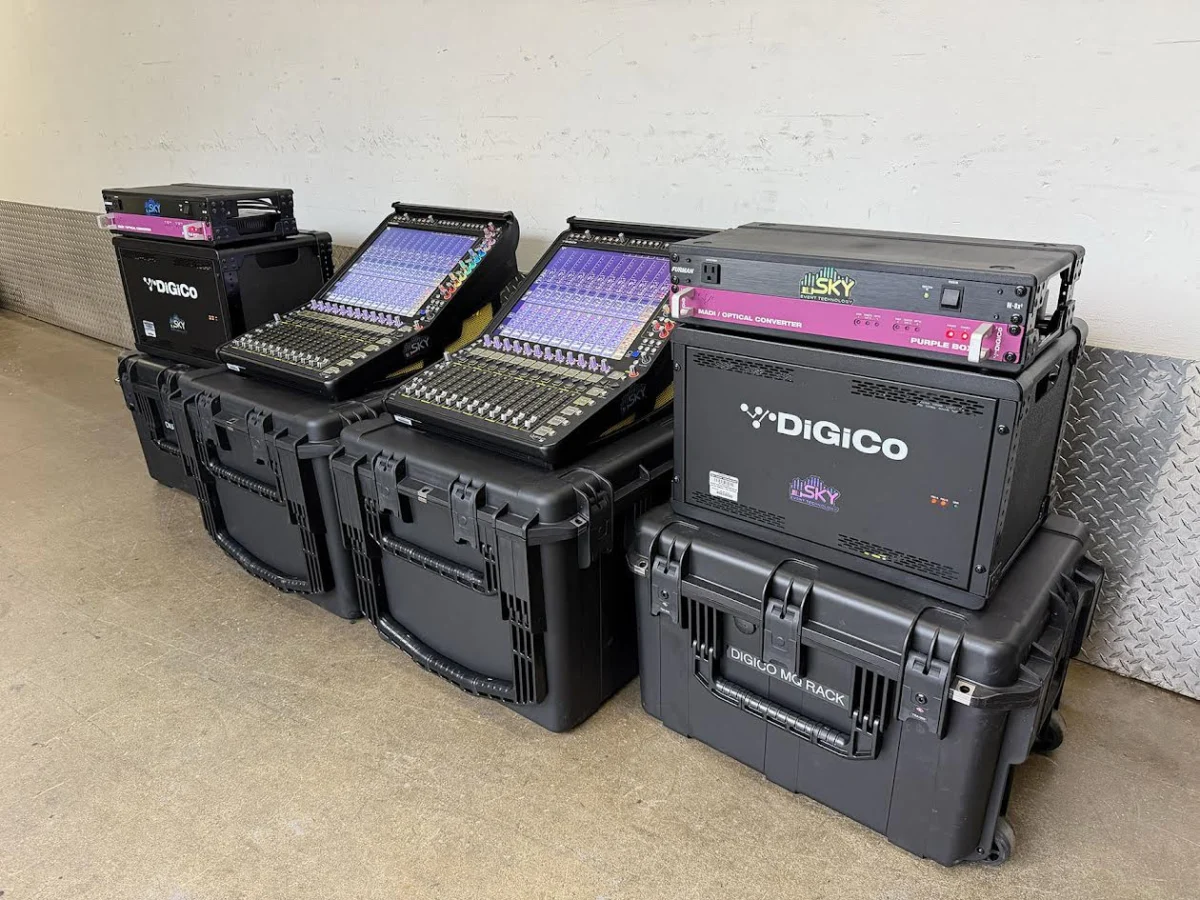
The backbone of "The Phil Collins Story" is a sophisticated, streamlined audio ecosystem provided by Clair Global. At the heart of the operation sits the DiGiCo Quantum225, a console renowned for its processing power and flexibility. In this unique production, the console serves a dual purpose, simultaneously managing both Front of House (FOH) and monitor duties.
The Role of KLANG
The inclusion of a DiGiCo DMI-KLANG card is the linchpin of the production’s monitor strategy. By integrating this card directly into the console, the team has bypassed the need for traditional, bulky monitor racks. The signal distribution is handled entirely in the digital domain, delivering immersive in-ear monitor (IEM) mixes to the six musicians on stage, as well as the lighting and video operators.
The musicians utilize the KLANG:app on iPads, giving them unprecedented control over their personal monitor mixes. This shift toward artist-driven mixing not only empowers the performers but also allows for a leaner, more efficient crew setup that minimizes the risk of signal failure.
Chronology: From Concept to 50-City Tour
The genesis of "The Phil Collins Story" began with a vision to move beyond the traditional "cover band" format. The goal was to build a show that functioned as a living documentary, where the narrative of Collins’ life could unfold alongside his music.
- Pre-Production and Rehearsals: During the initial rehearsal phase, the team focused on mapping out the show’s sonic footprint. Because the show relies on a hybrid of live performance and recorded narrative elements, precision was paramount. The team programmed complex snapshots into the Quantum225, allowing for automatic adjustments to the musicians’ monitor mixes on a per-song basis.
- The February Debut: The production launched at the historic Landmark Theatre in Syracuse. This venue served as the proving ground for the workflow designed by sound designer Theodore "Ted" Woolsey and A2 Ethan Ginsburg-Margo.
- The North American Circuit: Following the successful debut, the tour expanded to 50 cities. The portability of the Quantum225 and the simplicity of the Cat5-based signal path have proven vital in navigating the logistical challenges of a multi-city tour, allowing for rapid load-ins and consistent sonic performance across varied acoustic environments.
Supporting Data: Engineering the Sound
The production’s commitment to authenticity extends deep into the signal chain. To capture the signature "Phil Collins sound," the engineering team maintains a reverence for the analog tools that defined the original records.
The Analog-Digital Hybrid
While the processing is undeniably modern, the source material remains rooted in tradition. The show utilizes classic Sennheiser 421 microphones on the toms, ensuring that the iconic, heavily-gated drum fills of tracks like "In the Air Tonight" retain their punch and character.
Woolsey has integrated a blend of vintage outboard gear with modern digital tools to bridge the gap between 1980s studio aesthetics and contemporary live sound:
- Outboard Gear: Bricasti reverbs are employed for their legendary depth and transparency.
- Effects: A Yamaha SPX2000 multi-effects processor is used to recreate the specific spatial textures of Collins’ discography.
- Digital Integration: These analog-flavored units work in tandem with Waves plugins, providing the surgical precision required to keep the mix clean and punchy in large arenas and theaters.
The Signal Path Efficiency
Perhaps the most impressive feat of the tour’s technical design is the elimination of the "split snake." In traditional setups, dividing audio between FOH and monitors requires a complex, heavy, and failure-prone split-snake rack.
"In this case, the whole system is one Cat5 line," Woolsey explains. By using the DMI-KLANG card, the signal is shared directly off a single SD-Rack. This not only reduces the weight and footprint of the audio rig but also significantly decreases the number of potential failure points in the signal chain, a critical advantage for a tour of this scale.
Official Perspectives: Inside the Design
Theodore "Ted" Woolsey, the lead architect of this sonic experience, views the show as a "multimedia experience with live music" rather than a traditional concert. His philosophy centers on giving the performers autonomy while maintaining a high-fidelity, cohesive mix.
"It’s really cool how I can split up audio in so many different places through so many different ‘languages’—like through MADI, Cat5, and over fiber," says Woolsey. By handing control of the monitor mixes to the musicians via the KLANG:app, Woolsey has essentially created a "virtual monitor engineer" that is present in every song.
The workflow is highly synchronized. A music director runs a Logic session from a laptop, which outputs a click track. This click serves as the heartbeat of the show:
- Musician Monitoring: The click is routed to the musicians’ KLANG mixes.
- Technical Cues: The click is also sent to lighting and video operators, who use it to trigger their respective systems manually.
- Automation: Because the monitor mixes are linked to snapshots on the Quantum225, the musicians’ in-ear experience evolves automatically as the show progresses, allowing them to remain immersed in the music without needing to reach for their consoles or mixers.
Implications: The Future of Tribute Touring
The success of "The Phil Collins Story" serves as a case study for the future of touring tribute acts. It demonstrates that high-end, immersive audio technology is no longer the exclusive domain of top-tier stadium acts.
Scalability and Reliability
The use of the Quantum225 and KLANG technology proves that complex shows can be scaled down for theaters and mid-sized venues without sacrificing quality. The reliance on digital networking—specifically the DMI-KLANG integration—reduces the logistical overhead of touring. For production companies, this means less time spent on cabling and rack management and more time focused on the creative elements of the show.
Empowering the Performer
By moving the monitor mix into the hands of the musicians, the show achieves a level of "intimacy" that is often lost in larger productions. When a musician can adjust their own balance in real-time, they are more connected to the performance and more confident in their execution. This is particularly important for a show that demands such high musical precision, where even a slight deviation in tempo or balance could undermine the nostalgia of the performance.
A New Standard for Tribute Shows
As audience expectations grow, tribute productions are being forced to evolve. The days of simple cover bands playing through house PAs are largely over for premium tours. "The Phil Collins Story" has set a new benchmark, proving that with the right combination of vintage analog warmth and modern digital efficiency, it is possible to create a touring experience that feels both technically innovative and emotionally resonant.
By leveraging the DiGiCo/KLANG ecosystem, Woolsey and his team have not only honored the music of Phil Collins but have also pioneered a workflow that allows for greater artistic freedom and technical reliability. As this 50-city tour continues to travel across North America, it stands as a testament to the idea that, in the world of professional audio, the best technology is that which disappears entirely, leaving only the music to tell the story.