OXFORD, UK – Solid State Logic (SSL), the legendary manufacturer of analog and digital audio consoles, has officially expanded its educational footprint with the launch of the "SSL Music Mixing – Level 1" certification. This new addition to the company’s Certified Training Partner Program represents a strategic shift in how the industry giant approaches the intersection of academic instruction and real-world audio engineering. Developed by SSL’s internal Education team in close collaboration with a global network of industry professionals, the curriculum is designed to standardize the training of the next generation of audio engineers.
The Core Mandate: Setting a Global Standard
For decades, Solid State Logic has defined the sound of the recording industry. From the iconic 4000 series consoles that shaped the pop and rock sound of the 1980s to modern-day digital production tools, the SSL brand is synonymous with professional quality. However, the company has recognized a growing disconnect between traditional academic instruction and the high-pressure, fast-paced workflows of modern commercial studios.
The "SSL Music Mixing – Level 1" certification is designed specifically to bridge this chasm. Rather than focusing solely on the operation of specific hardware, the curriculum emphasizes the philosophy of sound. It introduces students to a holistic view of the mixing process, covering everything from critical listening techniques and session organization to the sophisticated application of dynamics, frequency management, and spatial effects.
Chronology of Development: From Concept to Global Launch
The journey to this certification began long before the October 2, 2026, launch date. SSL’s Education team initiated the project as a response to feedback from top-tier studio managers and educational institutions, who reported that graduates often lacked a standardized vocabulary and workflow methodology.
Phase 1: Curricular Design and Expert Collaboration
The development was spearheaded by producer, engineer, and educator Alex Miller. Miller’s role was pivotal, as he acted as the primary bridge between SSL’s engineering team and the global academic community. His objective was to ensure the course content was not merely "theoretical" but grounded in the creative decision-making processes required in today’s professional landscape.
Phase 2: The Inaugural Train-the-Trainer Program
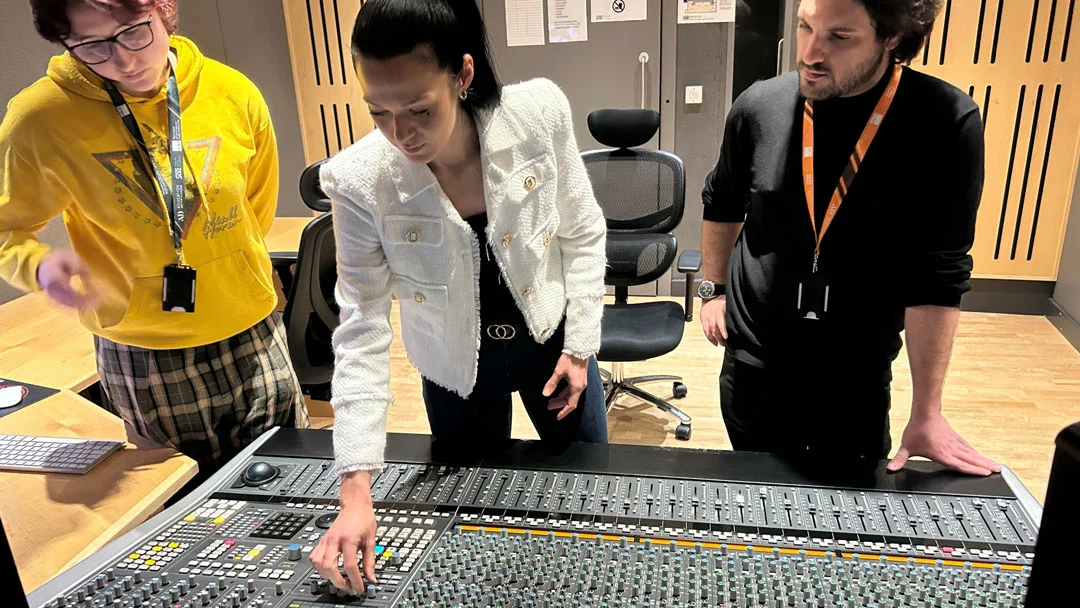
Before the public launch, SSL instituted a rigorous "Train-the-Trainer" program. This phase saw a select group of educators from prestigious audio institutions and global organizations converge to undergo intensive instruction. These individuals were not only taught the material but were also vetted for their ability to convey the "SSL approach" to students. By the end of this pilot phase, these educators became the first globally recognized SSL Certified Instructors, forming the backbone of the program’s quality control.
Phase 3: Global Rollout (October 2026)
With the instructor network primed, the program officially opened for enrollment in October 2026. This phase marked the transition from internal testing to full-scale educational deployment, providing students with a structured pathway that culminates in a formal, verifiable credential.
Supporting Data and Curriculum Breakdown
The SSL Music Mixing – Level 1 certification is not a casual workshop; it is a structured academic module. According to documents released by the company, the course content is divided into six key competencies that every modern engineer must master:
- Session Organization and Workflow: The often-overlooked art of naming, color-coding, and managing digital audio workstations (DAWs) to ensure seamless collaboration in high-stakes environments.
- Critical Listening: Training the ear to identify frequency masking, phase issues, and transient artifacts that differentiate an amateur mix from a professional one.
- Dynamics Processing: Deep dives into compression, gating, and expansion, focusing on how to maintain musicality while achieving loudness and control.
- Balance and Spatial Imaging: Utilizing panning, level automation, and depth manipulation to create a "three-dimensional" soundstage.
- Effects Processing: The creative use of time-based effects (delays, reverbs, modulations) as a musical tool rather than just a corrective measure.
- Mix Evaluation: Learning the ability to objectively critique one’s own work against industry-standard benchmarks.
The program is designed to be hardware-agnostic in its theory but utilizes SSL’s own high-end plugins and software ecosystems to demonstrate these concepts, ensuring that students are proficient in the tools currently dominating the professional market.
Official Responses and Industry Impact
The reception from the professional audio community has been overwhelmingly positive. Industry leaders view this move as a long-overdue legitimization of audio engineering education.
"Solid State Logic has always been the standard for professional audio hardware," said a representative from the company’s Education division during the launch event in Oxford. "By bringing our expertise into the classroom, we are not just teaching students how to move faders. We are teaching them the professional mindset. The ‘Level 1’ designation is the first step in a long-term strategy to ensure that the next generation of engineers enters the industry with a foundational knowledge that is consistent, high-quality, and globally recognized."
Alex Miller, the lead architect of the curriculum, emphasized the balance between technical rigor and creative freedom: "The challenge was creating a course that respects the creative nature of music while providing the technical foundation that is absolutely necessary for professional success. We’ve managed to create a syllabus that forces students to justify every creative decision they make with technical logic."
Implications for the Future of Audio Engineering
The introduction of this certification has significant implications for the future of the recording industry.
Standardizing Professional Expectations
Currently, the audio industry is fragmented. A graduate from a university in London might be taught vastly different mixing philosophies than one from a technical school in Tokyo or New York. The SSL certification acts as a "common language." When a studio manager sees an "SSL Certified" badge on a resume, they immediately know that the candidate understands specific industry protocols, terminology, and workflows.
Empowering Independent Educators
By providing a standardized, high-quality curriculum, SSL is effectively empowering independent instructors and smaller institutions to compete with larger, more established universities. This democratization of high-level knowledge could lead to a more diverse talent pool in the industry.
The Evolution of the "Certified" Engineer
This program is likely just the beginning. The "Level 1" designation implies that advanced levels—perhaps focusing on mixing for film, broadcast, or surround sound—are on the horizon. This suggests that SSL is building an "educational ecosystem" that will support an engineer throughout their entire career, from the basics of mixing a stereo track to the complexities of immersive audio for streaming platforms.
Conclusion: A Milestone for Sonic Excellence
The launch of the SSL Music Mixing – Level 1 Certification is a landmark event for the pro-audio sector. It signals that Solid State Logic is taking a proactive role in the development of the next generation of talent, ensuring that the legacy of high-fidelity, high-impact audio remains at the forefront of the music industry.
As the digital age continues to lower the barrier to entry for music production, the value of formal, expert-vetted certification becomes increasingly important. By codifying the "SSL way" of mixing, the company is providing a beacon of quality in an increasingly noisy landscape. For students, educators, and studio owners alike, this program represents a vital step toward a more professional, more cohesive, and ultimately more creative future in music production.
As the inaugural class of students begins their journey under the guidance of the first cohort of SSL Certified Instructors, the industry will be watching closely. If the success of the Train-the-Trainer program is any indication, the standard for music mixing is about to be raised, and the "SSL Certified" credential may soon become the gold standard for those seeking to make their mark in the world of professional audio.