As the artificial intelligence landscape shifts from text-based LLMs to multimodal, real-world interactions, a critical bottleneck has emerged: the physical environment. While developers have mastered the art of training models on internet-scraped text, the complexities of human speech—echoes, background noise, and varying acoustics—remain a significant barrier to the adoption of voice-driven interfaces.
Enter Treble, an Iceland-based startup that is betting on physics-based simulation to become the foundational infrastructure layer for the next generation of audio-enabled technology. By providing a platform that simulates how sound behaves in the real world, Treble is helping industry giants like Amazon and Logitech refine their hardware and AI models before they ever leave the lab.
The State of Voice AI: Beyond Simple Transcription
The current wave of investment in AI is moving aggressively toward the "edge." From AI-powered smart glasses that act as a persistent concierge to robotics systems that must navigate noisy warehouses, the reliance on voice as a primary interaction surface is growing.
However, the "data challenge" in audio is distinct from that of image or text. Most current AI models are trained on recordings sourced from the internet, which often lack the nuance of real-world acoustic conditions. Whether it is a smart speaker trying to distinguish a user’s voice in a crowded room or a drone attempting to localize a sound, these models require massive amounts of data that represent the chaotic nature of physical spaces.
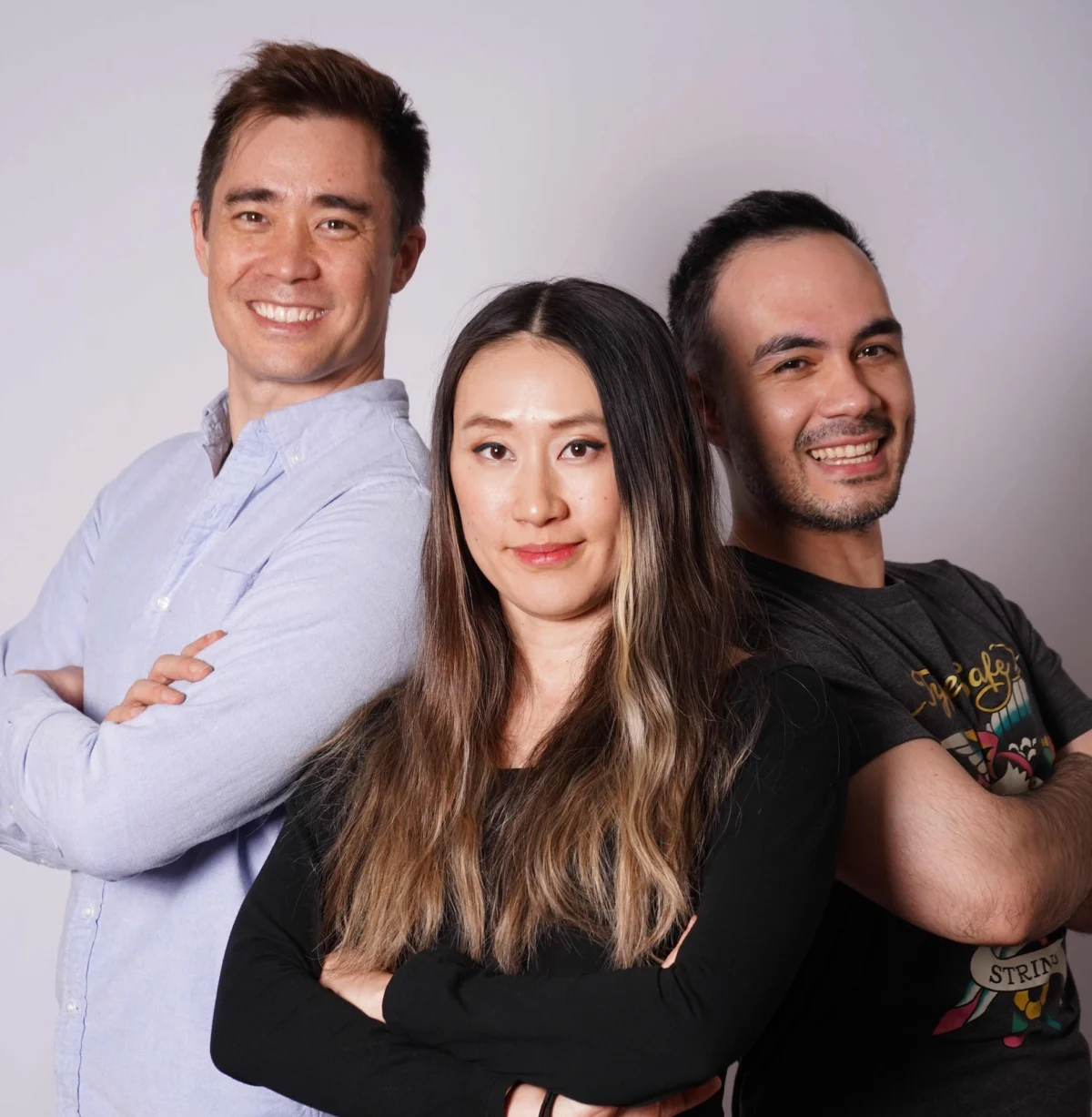
Treble, founded in 2020 by acoustic engineers Finnur Pind and Jesper Pedersen, argues that the solution isn’t just more data, but better, synthetic, physics-based data. By simulating sound waves mathematically, Treble allows companies to "stress-test" their AI models and hardware designs in virtual environments that perfectly mimic real-world settings.
Chronology: From Academic Roots to Industry Standard
The journey of Treble reflects the maturation of the AI hardware sector.
- 2020: Finnur Pind and Jesper Pedersen launch Treble in Iceland, leveraging their deep backgrounds in acoustic engineering to address the lack of high-fidelity simulation tools for the emerging AI market.
- 2024: The company accelerates its growth, securing $12 million in funding to expand its simulation platform capabilities.
- Late 2025/Early 2026: Treble establishes key industry partnerships, most notably with Amazon and Logitech, to assist in the development of consumer hardware and voice-recognition systems.
- September 2026: The company announces a successful $18 million extension to its Series A funding round, led by Paladin Capital Group. This brings the startup’s total funding to over $40 million, signaling strong investor confidence in the "physical AI" space.
- Present: Treble continues to expand its reach, moving beyond simple voice AI into robotics, automotive engineering, and drone technology, positioning itself as the "physics engine" for sound.
The Mechanics of Simulation: How Treble Works
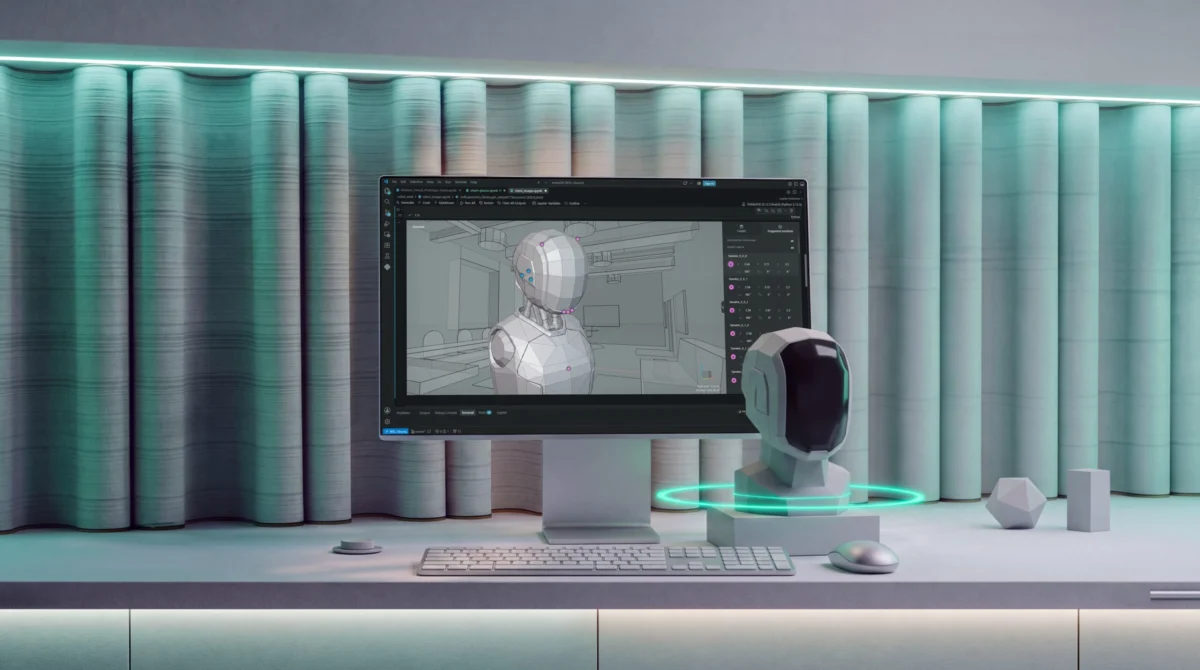
At its core, Treble provides a software-as-a-service (SaaS) platform that functions as a virtual laboratory. For voice AI labs, the platform generates synthetic training data that is used for speech enhancement and noise suppression. Instead of manually recording thousands of hours of audio in different environments, developers can use Treble to simulate how a voice would sound in a subway station, a quiet bedroom, or a bustling cafe.
For hardware manufacturers, the value proposition is equally compelling. Companies like Logitech use the platform for "virtual prototyping." Before a physical headphone or smart speaker is ever manufactured, engineers can test how the product’s microphone placement and casing materials influence sound pickup.
A notable milestone in this trajectory was the collaboration with Hugging Face. The two companies launched a benchmark for speech recognition models, allowing developers to test how well their models perform under varying, realistic acoustic conditions. This shift toward standardized testing is crucial for an industry that has historically struggled with inconsistent benchmarks.
Official Perspectives: Why Simulation Matters
The investment from Paladin Capital Group is not merely a financial transaction; it represents a strategic alignment with the broader "Physical AI" thesis. Francois Ruether, VP at Paladin Capital Group, highlights that as products become more dependent on sound, the infrastructure enabling those products becomes infinitely more valuable.

"Our thesis is that, as more products depend on understanding sound, this infrastructure becomes increasingly valuable across voice AI, wearables, robotics, and physical AI," Ruether noted in a recent interview. "Customers retain ownership of their models, products, and development workflows, while benefiting from a shared foundation of a simulation-native acoustic infrastructure layer."
Finnur Pind, co-founder of Treble, views the current reliance on scraped internet data as an unsustainable model. "Audio AI is really a data challenge," Pind explains. "To date, pretty much all sound-related AI has been made from recordings and data scraped from the internet. We believe that accurate physics simulation can be an alternative way to create data for sound."
Implications for the Future: "Superhuman Hearing"
Perhaps the most ambitious aspect of Treble’s mission lies in the realm of wearable technology. Pind has expressed significant enthusiasm for the next generation of smart glasses and headphones that could effectively grant users "superhuman hearing."
The concept is simple but transformative: by using advanced AI models trained on Treble’s simulation platform, devices could isolate specific sounds in complex environments. Imagine a user in a crowded restaurant who, through the help of AI-enabled glasses or hearing aids, can effectively "mute" the background chatter and focus exclusively on the person sitting directly across from them. This level of acoustic control is only possible if the AI understands the physics of the room—how sound reflects off surfaces, how voices overlap, and how distance affects volume.
This capability extends far beyond consumer convenience. It has profound implications for:
- Robotics: Allowing robots to identify the source of mechanical failure through sound (predictive maintenance) or interact with humans in noisy industrial settings.
- Automotive: Improving voice-activated car interfaces that need to ignore road noise and wind turbulence.
- Drones: Assisting in search and rescue missions where drones must identify human cries for help amidst environmental wind and ambient noise.
Challenges and Market Competition
While Treble has carved out a distinct niche, the field of AI simulation is heating up. Major cloud providers and proprietary AI labs are also investing heavily in synthetic data generation. Treble’s competitive advantage lies in its hyper-focus on acoustic physics. While other simulation platforms focus on visual graphics or general physics, Treble’s depth in wave-based acoustics provides a level of fidelity that generalist models may struggle to replicate.
The challenge for the company will be scaling this infrastructure to meet the demands of diverse industries. As they move from consumer electronics into the more rigorous requirements of the automotive and robotics sectors, the complexity of their simulations will need to increase, requiring constant investment in computational power and algorithmic refinement.
Conclusion: A New Foundation for AI
As we move deeper into the era of ambient computing, the screen will likely become less central than it is today. Voice will be the primary bridge between human intent and machine execution. However, for that bridge to be reliable, it must function in the messy, loud, and unpredictable world of human existence.
Treble’s $40 million war chest is a testament to the fact that the industry recognizes this necessity. By shifting the focus from "more data" to "better, physics-accurate data," Treble is not just building a tool; they are building the acoustic foundations upon which the next generation of intelligent machines will be tested and refined. Whether it is in the smart glasses of tomorrow or the autonomous robots of the next decade, the impact of Treble’s simulation technology is likely to be felt in every sound we interact with.