As the holiday shopping season reaches its fever pitch, savvy consumers are turning their attention toward upgrading their home security infrastructure. Among the most compelling offers currently dominating the marketplace is the second-generation Ring Indoor Cam, which has seen its price slashed by 50% for Black Friday. At just $29.99, this entry-level powerhouse is positioning itself as the quintessential stocking stuffer for tech enthusiasts and homeowners looking to bolster their peace of mind without breaking the bank.
Main Facts: A Budget-Friendly Security Powerhouse
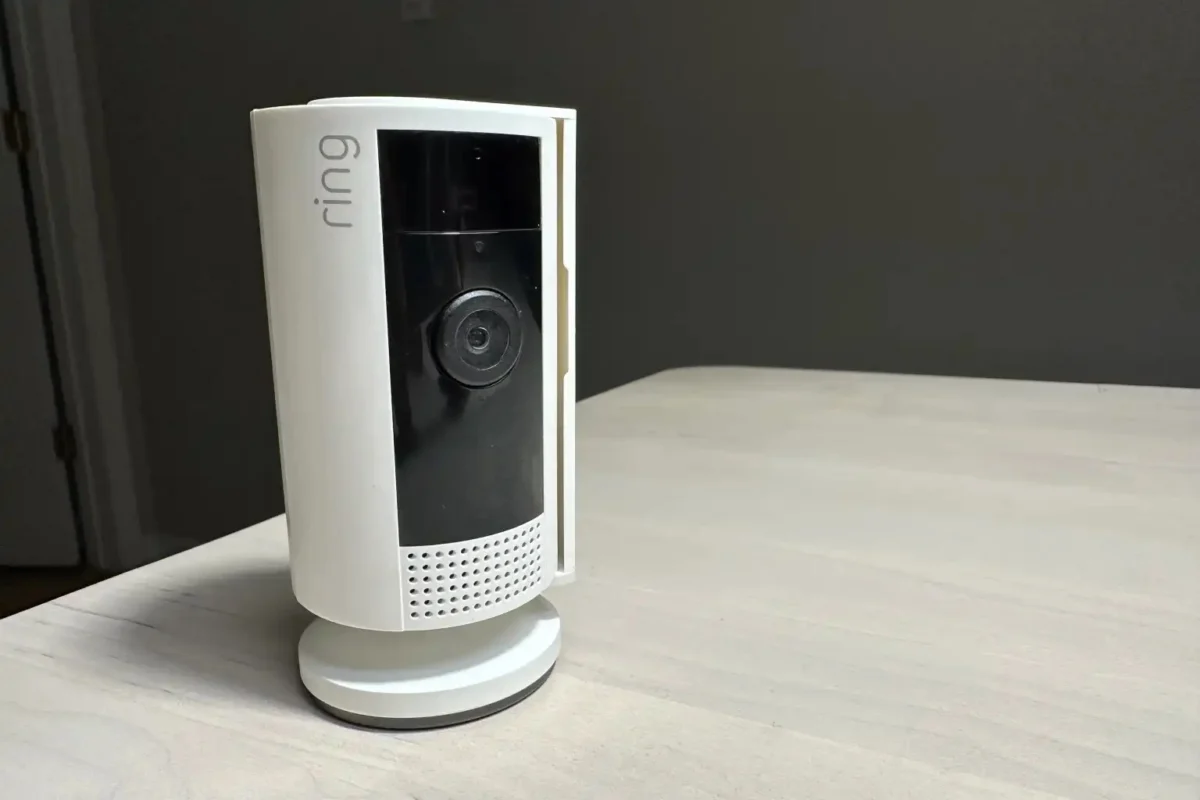
The second-generation Ring Indoor Cam represents a significant evolution in affordable home monitoring. Priced at its promotional Black Friday rate of $29.99, it offers a high-value entry point into the Amazon-owned Ring ecosystem. Despite its compact footprint, the device is engineered to handle the demands of modern home surveillance.
Key technical specifications include:
- High-Definition Resolution: 1080p video quality ensures that users can monitor their spaces with clarity, making it easy to identify faces or small details in a room.
- Expansive Field of View: With a 143-degree diagonal field of view, the camera covers a significant portion of a standard room, minimizing blind spots.
- Enhanced Night Vision: Equipped with color night vision, the camera maintains visibility in low-light conditions, providing consistent security around the clock.
- Smart Features: The device includes motion detection with customizable zones, allowing users to focus on high-traffic areas while ignoring spots that might trigger false alerts.
The most notable hardware update from the original model is the physical privacy shutter. This sliding cover provides a tactile, visual confirmation that the camera is not recording—an essential feature for users who are sensitive to privacy concerns in sensitive areas like living rooms or bedrooms.
Chronology: From Concept to Black Friday Essential
The journey of the Ring Indoor Cam reflects the broader trend of the "democratization of smart home security." When the original Ring Indoor Cam was first introduced, the goal was to provide a plug-and-play solution that removed the complexity of professional hardwired installations.
- The Launch of the First Generation: Years ago, Ring established the "plug-in" category of security cameras, proving that consumers were willing to trade professional installation for convenience.
- The Second-Generation Iteration: Released to address feedback regarding privacy, the second-generation model added the physical privacy shutter, directly answering the call from privacy advocates and users who wanted manual control over their lens.
- The Black Friday 2024 Campaign: As the 2024 holiday season approached, Ring—alongside its parent company, Amazon—decided to utilize the camera as a "gateway" device. By aggressively discounting the unit to $29.99, the strategy is clear: lower the barrier to entry so that users begin building their security infrastructure within the Ring app, eventually leading to subscription plans and additional device purchases.
Supporting Data: Why This Deal Matters
To understand the impact of a $29.99 price point, one must look at the current landscape of the smart home market. Most entry-level cameras from reputable competitors typically hover between $50 and $80. By dropping to the sub-$30 range, the Ring Indoor Cam effectively undercuts a large swath of the competition.
Data regarding consumer behavior during Black Friday shows that "security and convenience" are the two primary drivers for electronics purchases during the holiday season. The integration of the Ring Indoor Cam with the broader Amazon Alexa ecosystem further compounds its value. For households already using Echo Show devices, the ability to view the camera feed via voice command ("Alexa, show me the living room") creates a seamless user experience that competitors often struggle to replicate with the same level of polish.
Furthermore, the optional "Ring Home" subscription plans (starting at $4.99/month) provide the recurring revenue model that allows for such deep hardware discounts. While the camera functions as a standalone device, the ecosystem benefits—such as 180 days of cloud storage and person/package detection—provide the incentive for long-term commitment.
Official Responses and Strategic Positioning
While Ring has remained characteristically quiet regarding specific profit margins on these holiday units, official statements from Amazon’s hardware division emphasize the "connected home" philosophy.

"Our goal is to make safety and security accessible to every household," a spokesperson for the brand noted in recent industry briefings. "By integrating privacy-first features like the manual shutter into our most affordable camera, we are ensuring that security does not come at the expense of comfort or privacy."
Industry analysts have interpreted these moves as a defensive and offensive maneuver. Defensively, it prevents competitors like Wyze or Eufy from capturing the budget-conscious segment. Offensively, it ensures that once a user installs a Ring camera, they are likely to remain within the Amazon ecosystem for smart doorbells, alarms, and exterior lighting.
Implications: The Future of Smart Home Security
The implications of this Black Friday deal extend far beyond a single hardware transaction. As home security becomes an increasingly standard utility—similar to Wi-Fi or electricity—the hardware itself is becoming a commodity.
The Privacy Paradigm Shift
The addition of the privacy shutter is more than just a minor hardware tweak; it is a response to a cultural shift. As smart home adoption reaches mass-market saturation, consumer anxiety regarding privacy has increased. Companies that fail to provide physical, undeniable privacy solutions are finding it harder to compete. The second-gen Indoor Cam sets a new standard: if it’s a smart camera in a private space, it should have a physical disconnect.
The Subscription Economy
The low entry price acts as a "loss leader" strategy. While the camera hardware is sold at a significant discount, the value for Ring lies in the recurring subscription revenue. By getting millions of these devices into homes, the company creates a sticky ecosystem. Users become accustomed to the ease of checking their cloud-stored footage, making them significantly more likely to pay for a monthly subscription to retain those features.
A More Connected Future
Ultimately, this deal signals the end of the era where home security was a luxury item. With a $30 investment, a renter or homeowner can now achieve a level of monitoring that was once reserved for those who could afford professional-grade, custom-installed security systems.
As we look toward the future, the integration of AI-driven detection—such as package monitoring and person detection—will likely become the standard for these entry-level devices. For now, however, the second-generation Ring Indoor Cam stands as the most accessible entry point for anyone looking to secure their home, observe their pets, or simply keep a watchful eye on their property while they are away for the holidays.
Conclusion: Should You Buy?
If you have been waiting for the right moment to start your smart home security journey, the window is open. At $29.99, the second-generation Ring Indoor Cam offers an unmatched blend of build quality, privacy features, and ecosystem integration. Whether you are looking for a standalone monitor for a nursery or the beginning of a whole-home security grid, the current Black Friday pricing represents one of the best technical values of the year. However, as with all major holiday promotions, stock is limited, and these units are expected to move quickly as the holiday shopping rush reaches its peak.