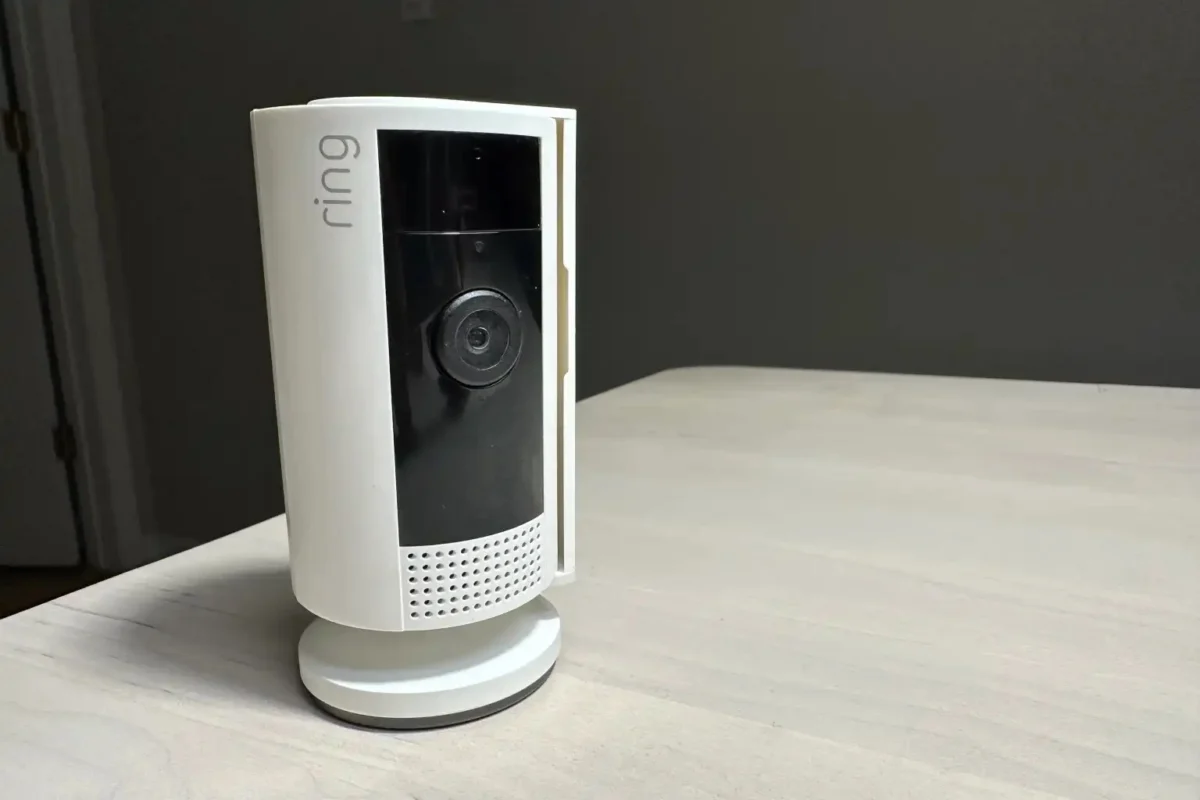
As the holiday shopping season reaches its fever pitch, savvy homeowners and tech enthusiasts are scouring the web for the best deals in home security. This year, the smart home giant Ring has delivered one of the most compelling offers of the Black Friday period: the second-generation Ring Indoor Cam is currently available for just $29.99, a significant 50% discount from its standard retail price.
For those looking to bolster their home monitoring capabilities without breaking the bank, this deal represents a rare opportunity to enter the Ring ecosystem or expand an existing security infrastructure. Whether you are keeping a watchful eye on pets, monitoring entryways, or ensuring the safety of your living spaces while away, this compact device offers a high-value solution at a fraction of the usual cost.
Main Facts: The Hardware at a Glance
The second-generation Ring Indoor Cam is a cornerstone of affordable home monitoring. Despite its diminutive stature, it is packed with features designed to provide peace of mind. The camera captures crisp 1080p HD video, ensuring that users can identify key details even in low-light conditions thanks to integrated color night vision.
Key technical specifications include:
- Resolution: 1080p HD video.
- Field of View: A wide-angle 143-degree lens, minimizing blind spots in standard indoor rooms.
- Privacy Features: A dedicated, manual privacy cover that slides over the lens to physically obstruct the camera and microphone.
- Connectivity: Seamless integration with the Ring app, providing real-time alerts and remote monitoring.
- Customization: Users can define specific motion zones and privacy zones to ignore high-traffic areas or sensitive sections of a room.
The standout feature of this second-generation iteration is undoubtedly the manual privacy shutter. Responding to consumer concerns regarding digital privacy, Ring designed this mechanical cover to provide users with a tangible sense of control. When the cover is slid into place, the camera and microphone are disabled; the device even sends a notification to your smartphone, confirming that the physical shutter has been engaged or disengaged.
Chronology: From Concept to Consumer Staple
The evolution of the Ring Indoor Cam reflects a broader shift in the consumer electronics market toward accessible, DIY home security.
- The Early Years: Ring initially disrupted the market with its video doorbell, changing the way homeowners interacted with visitors. The transition to indoor security cameras was a natural progression, aimed at providing a comprehensive 360-degree security blanket for the modern residence.
- The Launch of Gen 2: The second-generation Indoor Cam was released to address feedback from early adopters. The most requested update was not a higher resolution or a smaller form factor, but rather a physical mechanism to guarantee privacy when the home was occupied.
- The Black Friday Strategy: Over the last decade, Black Friday has transformed from a single-day retail event into a month-long strategic period for tech companies. By pricing the unit at $29.99, Ring is prioritizing market penetration and ecosystem lock-in, knowing that once a user installs their first camera, they are more likely to purchase additional sensors, doorbells, or alarm components.
Supporting Data: Why This Deal Matters
To understand the weight of this $29.99 price point, one must look at the competitive landscape of home security. The average entry-level smart camera often retails between $50 and $70. At half price, the Ring Indoor Cam effectively undercuts most "white-label" budget alternatives while offering the reliability and cloud ecosystem support of an industry leader.
Cost-Benefit Analysis
For $29.99, a user receives hardware that integrates directly with the Amazon Alexa ecosystem. For those who choose to expand their utility, the Ring Home plans—starting at just $4.99 per month—unlock a suite of advanced features. These include:
- 180-day video storage: Allowing users to review past events extensively.
- Person and Package Detection: Reducing false alarms triggered by pets or shifting shadows.
- Rich Notifications: Previewing video clips directly in the app’s notification banner, saving the user the time of opening the full application.
The long-term cost of ownership, including the subscription service, remains highly competitive when compared to traditional alarm monitoring companies, which often require multi-year contracts and professional installation fees.

Official Responses and Industry Context
In statements surrounding their holiday sales, representatives from Amazon—Ring’s parent company—have consistently emphasized the importance of "accessible security." By lowering the barrier to entry, Ring aims to democratize home monitoring, making it an appliance as common as a smart thermostat or a streaming device.
Critics and privacy advocates have previously scrutinized the relationship between smart home companies and law enforcement. However, Ring has responded to these concerns over the years by implementing enhanced end-to-end encryption, multi-factor authentication requirements, and the aforementioned physical privacy shutter. These updates demonstrate a reactive, user-centric approach to product development that balances technological convenience with digital security.
Implications: The Future of Home Monitoring
The ubiquity of affordable smart cameras has profound implications for how we define "home." No longer a luxury for the wealthy, indoor monitoring is becoming a standard feature of modern domestic life.
1. Increased Household Connectivity
As more homes adopt these cameras, the "smart home" is moving from a collection of isolated gadgets to a synchronized ecosystem. When a Ring Indoor Cam detects motion, it can trigger other smart devices, such as turning on lights or adjusting the thermostat, creating an automated environment that reacts to the presence of people.
2. The Shift to Subscription Models
The success of this $29.99 hardware offer highlights the industry’s pivot toward "Hardware as a Service." Companies are increasingly willing to sacrifice profit margins on the initial device sale to secure recurring revenue through cloud storage subscriptions. For the consumer, this means better hardware at lower prices, provided they are comfortable with the ongoing monthly commitment.
3. Privacy-First Design
The introduction of the physical privacy shield is a turning point for the industry. It signals that companies can no longer rely on software-based "off" switches to satisfy consumer demand for privacy. Future devices in the smart home category will likely adopt mechanical safeguards as a baseline expectation, moving away from the "always-on" stigma that plagued earlier smart home iterations.
Conclusion: Is Now the Time to Buy?
For those who have been hesitant to integrate cameras into their private spaces, the $29.99 price point removes the financial risk. The second-generation Ring Indoor Cam is a robust, well-supported piece of technology that offers a tangible privacy solution in an increasingly digital world.
Whether you are looking to keep tabs on a nursery, monitor a vacation home, or simply add a layer of security to your living room, the current Black Friday pricing makes this an optimal time to act. However, as with all major promotional events, inventory is finite. The combination of high demand and deep discounts often leads to rapid stock depletion.
If you are prepared to invest in your home’s security, the path forward is clear: take advantage of the current promotion, familiarize yourself with the Ring app’s customization features, and enjoy the peace of mind that comes with knowing your home is protected by one of the most reliable names in the business. As we move into the winter months and the holiday season, having a watchful eye on your home—and the ability to shutter that eye when you want total privacy—is a technological advantage that is finally within everyone’s reach.