By Joël Chevassus
Originally published via Audiophile-Magazine | Adapted and Expanded
Main Facts: A Paradigm Shift in Cinematic Concert Music
When global audiences hear the names John Williams, Bernard Herrmann, and Hugo Friedhofer, their minds naturally drift to the silver screen. These luminaries defined the emotional architecture of modern cinema, crafting soaring heroic brass motifs, terrifying suspenseful string scritches, and sweeping romantic melodies that have become part of the collective cultural consciousness.
However, a groundbreaking new release from the Singapore Symphony Orchestra (SSO), issued under the prestigious Pentatone label, invites listeners to step away from the popcorn and blockbuster imagery. Instead, it turns its lens toward the purely classical facets of these iconic American film composers.
This meticulously curated album explores four distinct, non-cinematic masterworks:
- John Williams: Concerto for Solo Flute, Strings and Percussion and Essay for Strings
- Bernard Herrmann: Souvenirs de Voyage (arranged for solo clarinet and string orchestra in a world-premiere recording by the late Hans Sørensen)
- Hugo Friedhofer: Suite for 5 Woodwinds (a long-forgotten, world-premiere recording of a rare 1973 chamber piece)
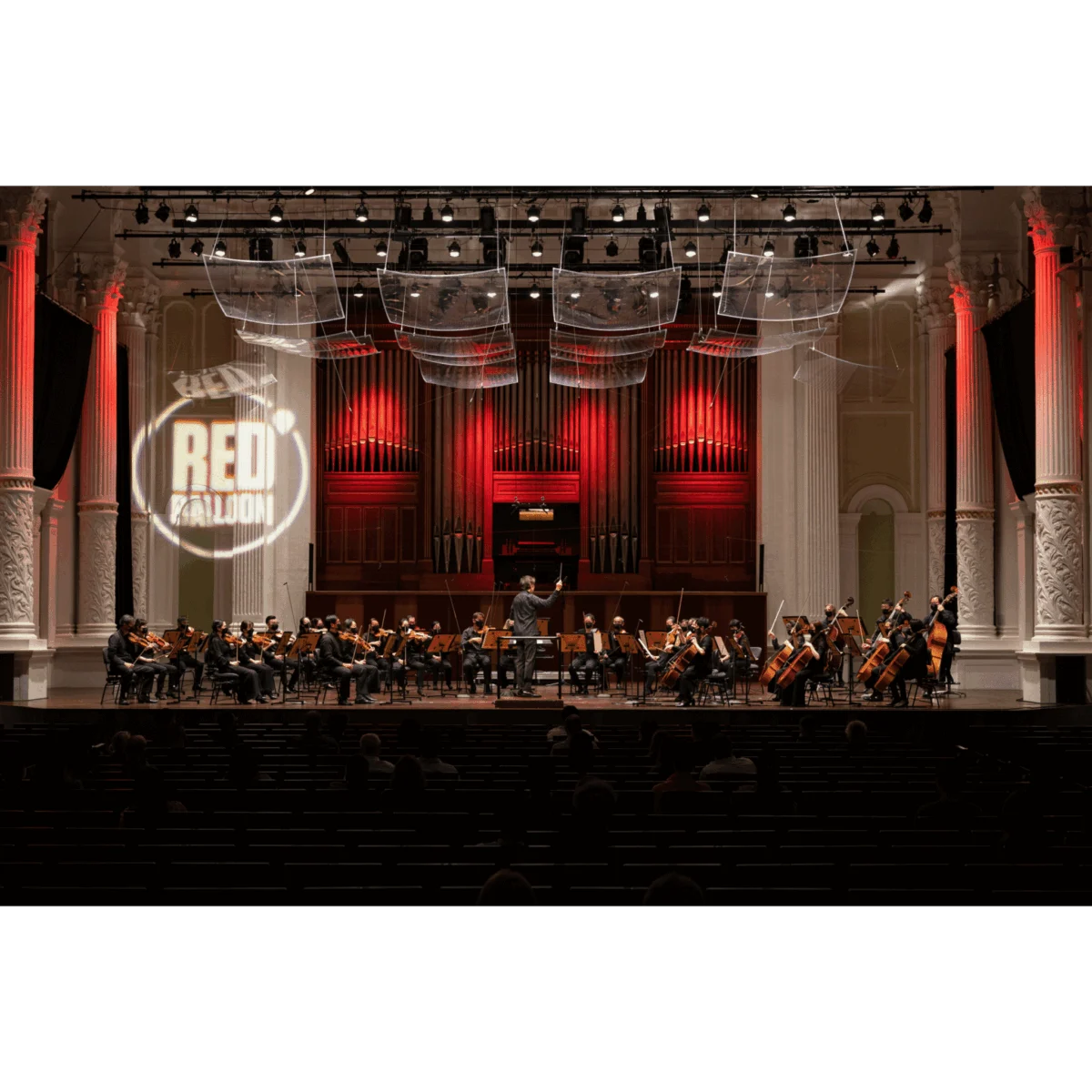
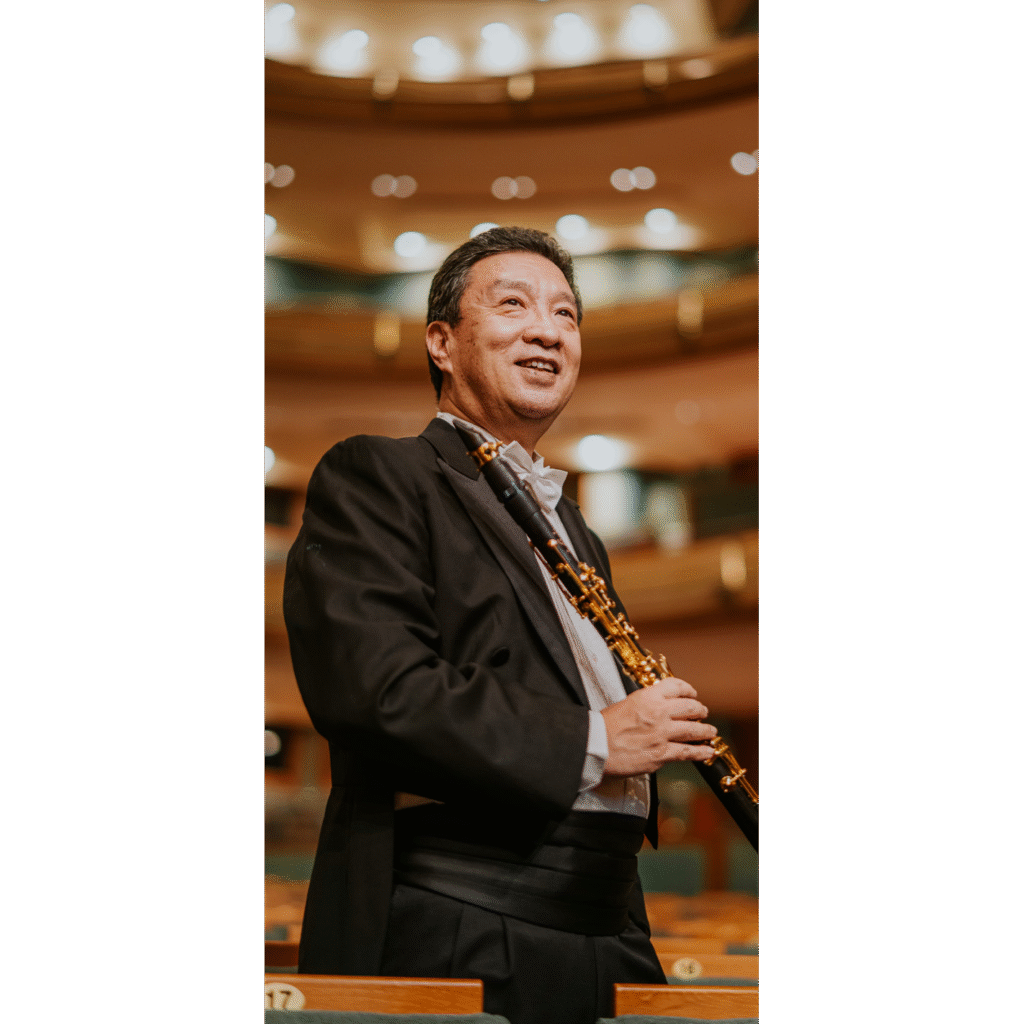
Performed with supreme virtuosity by the Singapore Symphony Orchestra—featuring soloists Jin Ta (flute) and Ma Yue (clarinet)—this release challenges the traditional boundaries of how we perceive film composers when they write strictly for the concert hall.
Chronology and Program Evolution: From Hollywood Soundstages to the Concert Hall
To understand the weight of this recording, one must trace the historical trajectory of these American composers as they balanced the commercial demands of Hollywood with their inner artistic ambitions.
The Mid-20th Century Foundation
During the Golden Age of Hollywood, composers like Bernard Herrmann and Hugo Friedhofer were revolutionary pioneers. Herrmann, famously known for his legendary collaborations with Alfred Hitchcock and Orson Welles, continually sought out psychological depth through unconventional orchestration. Friedhofer, celebrated for his Academy Award-winning score to The Best Years of Our Lives (1946) as well as An Affair to Remember and The Bishop’s Wife, mastered an orchestral transparency that rivaled Europe’s finest modernists. Yet, neither Herrmann nor Friedhofer frequently pursued a parallel career as traditional concert composers. Friedhofer’s Suite for 5 Woodwinds, composed in 1973, remained buried and forgotten for decades—making its modern resurrection a milestone for musicologists.
The Evolution of John Williams’ Concert Voice
John Williams represents a fascinating bridge between commercial longevity and high modernism. Long before writing the iconic themes for Star Wars, Jurassic Park, and Indiana Jones, Williams was already immersing himself in absolute music.
- 1965: Williams composed Essay for Strings—a single-movement early concert piece that foreshadowed his deep fascination with post-tonal experiments.
- Decades Later: Following demonstrations of the traditional Japanese bamboo flute (shakuhachi), Williams conceived his daring Concerto for Flute, Strings, and Percussion, pushing avant-garde textures to the forefront of his catalog.
Supporting Data: Deep Dive into the Repertoire and Instrumentation
The Singapore Symphony Orchestra’s execution of this challenging repertoire highlights technical brilliance, structural sophistication, and acoustic innovation.
John Williams: Concerto for Flute, Strings, and Percussion
Far removed from the lush, romantic orchestration of his film scores, this concerto is arguably one of Williams’ most daring and avant-garde concert works. Influenced by the expressive freedom of the Japanese shakuhachi, Williams instructed soloist Jin Ta to play in an almost improvised manner, utilizing a straight sound virtually devoid of vibrato.
To allow the flute to reign supreme over high, woody frequencies, Williams made a radical compositional choice: he omitted all other traditional wind instruments. The accompanying ensemble consists strictly of:
- A lush string section
- A colorful percussion ensemble (featuring marimba and vibraphone)
- Piano, harp, and celesta
The resulting acoustic landscape evokes a "mythical and imaginary forest," shifting dynamically between a vegetal world and a mineral one. The music relies heavily on timbre rather than standard melodic arcs, juxtaposing the airy sweetness of the flute against the metallic dryness of percussion.
John Williams: Essay for Strings (1965)
Composed early in his career, this single-movement work for string orchestra reveals a composer grappling with modern compositional techniques. While borrowing elements from atonal music and dodecaphony (twelve-tone technique), Williams does not rigidly adhere to their strict dogmas. Instead, he incorporates rhythmic and structural influences from Béla Bartók.
The piece begins with a heavy, dramatic, and menacing adagio, marked by stark dynamic shifts ranging from explosive triple forte down to whispered triple piano. The work culminates in a breathless allegro molto, driven by a repetitive sixteenth-note motif that Williams himself likened to a "musical cyclotron" (a particle accelerator) hurtling toward a frenetic explosion of energy.
Bernard Herrmann: Souvenirs de Voyage
Originally written as a chamber quintet for clarinet and strings, this recording presents a world-premiere arrangement for solo clarinet and string orchestra by Hans Sørensen, performed by clarinetist Ma Yue.
Stripped of the frantic, slashing dramatic tension of his score for Psycho, Souvenirs de Voyage reveals a profoundly lyrical, contemplative, and nostalgic Herrmann. Steeped in the tradition of British chamber music rather than Hollywood bombast, the piece serves as a late-career meditation on the passage of time and accumulated memories. Across its movements—from arid landscapes to mournful introspection—the work transforms lingering tensions into a serene, twilight acceptance of life’s passage.
Hugo Friedhofer: Suite for 5 Woodwinds (1973)
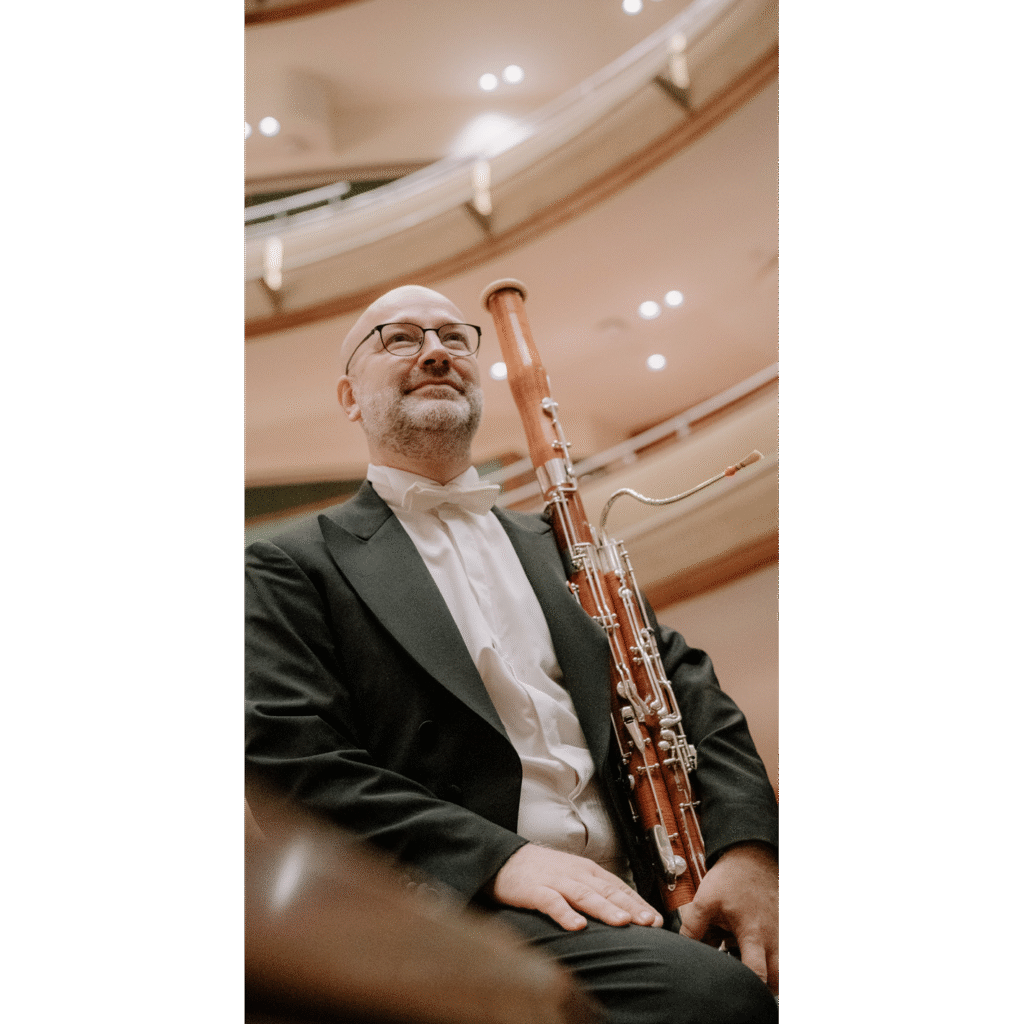
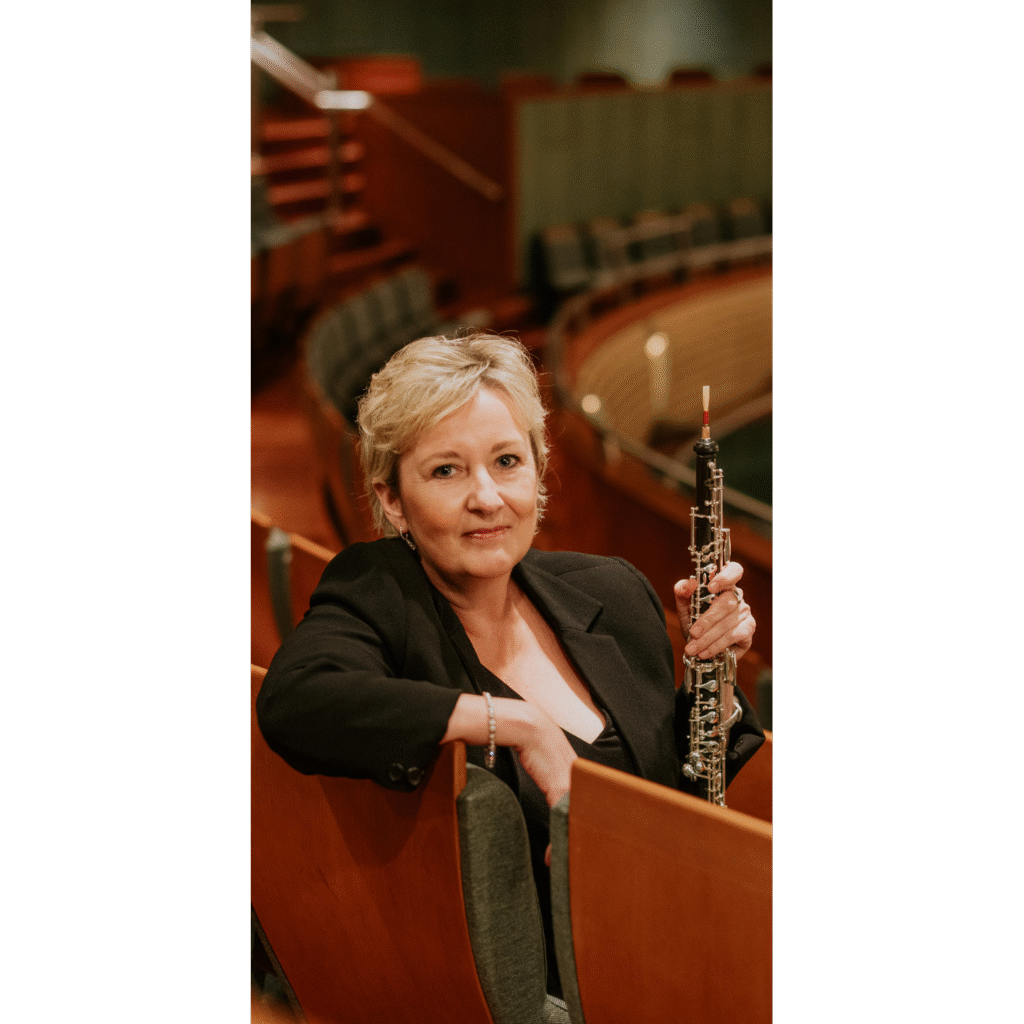
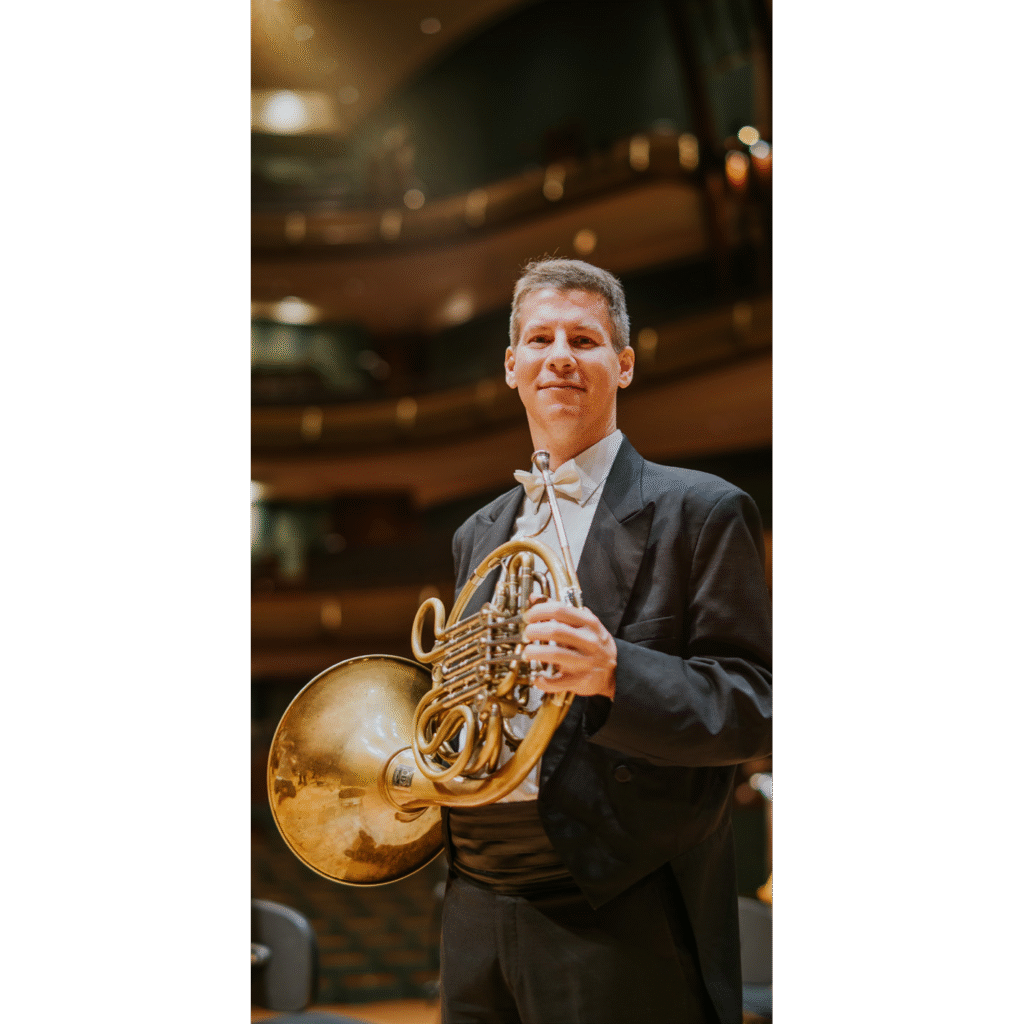
Though Friedhofer never actively sought a concert career, his profound mastery of orchestration made him one of the most sophisticated technicians of Hollywood’s Golden Age. This wind quintet—written for flute, oboe, clarinet, bassoon, and horn—is a world-first recording of a long-lost manuscript.
The suite showcases Friedhofer’s hallmark transparency of texture, harmonic sophistication, and fascination with unique instrumental colors. While each instrument maintains absolute individuality, they weave together a balanced, structurally cohesive fabric bearing stylistic similarities to the modernist works of György Ligeti and Anton Webern.
Official Responses and Critical Reception
Industry critics and musicologists have lauded the Pentatone release for dismantling preconceived notions about Hollywood composers.
In initial reviews for Audiophile-Magazine, music critic Joël Chevassus highlighted the extraordinary depth of the production:
"I greatly appreciated the colors of the Singapore orchestra, revealing at times a vegetal world and then a mineral one… This is a remarkable, captivating, and informative production, more than enough to justify a very thrilling experience."
Representatives from Pentatone noted that bringing forgotten manuscripts—such as Friedhofer’s woodwind suite and Sørensen’s orchestration of Herrmann’s chamber piece—to high-resolution audio formats represents a vital mission for preserving twentieth-century American musical heritage. The collaboration with the Singapore Symphony Orchestra underscores the globalization of top-tier orchestral execution, proving that world-class interpretations of American modernism can originate from dynamic ensembles across the globe.
Implications: Redefining the Legacy of Cinematic Masters
The release of Concert Works by John Williams, Bernard Herrmann, and Hugo Friedhofer carries profound implications for both classical music programming and film music scholarship.
- Dismantling Genre Hierarchies: For decades, academia and traditional classical institutions maintained a strict barrier between "serious" concert music and commercial film scores. Releases of this caliber forcefully demonstrate that brilliant orchestrators do not check their genius at the studio gate; their absolute music is just as texturally rich, avant-garde, and intellectually demanding as that of their European contemporaries.
- Expanding the Concert Repertoire: Orchestras worldwide frequently rely on a safe, familiar canon. By championing works like Williams’ Flute Concerto and Friedhofer’s Wind Suite, the Singapore Symphony Orchestra provides a blueprint for expanding the contemporary orchestral repertoire with accessible yet structurally complex modern American works.
- Audiophile Excellence: Captured with pristine high-resolution sound engineering by Pentatone, the album serves as a masterclass in spatial imaging and transient response. The interplay between Jin Ta’s breathy flute, Ma Yue’s resonant clarinet, and the dynamic range of the SSO’s percussion and strings offers audiophiles a definitive benchmark for evaluating high-end playback systems.
Ultimately, this recording proves that while Williams, Herrmann, and Friedhofer built their reputations making motion pictures unforgettable, their true artistic legacy extends far beyond the screen into the timeless, ethereal spaces of absolute music.