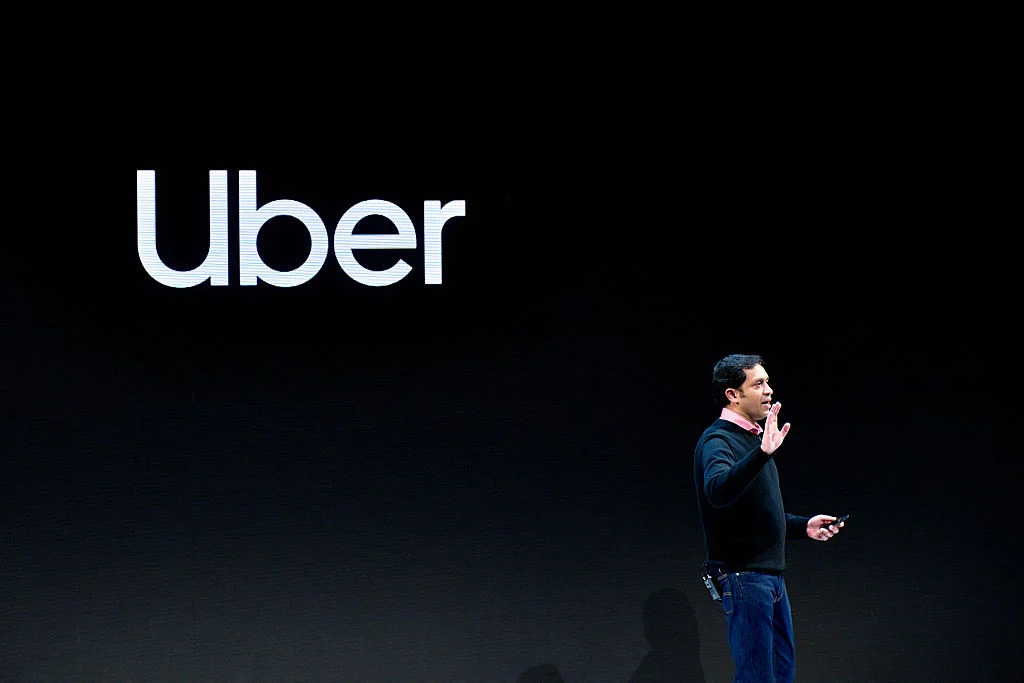
For over a decade, Uber has been synonymous with two things: summoning a ride and ordering dinner. However, a quiet transformation has been unfolding within the company’s digital architecture. Today, the Uber app is rapidly evolving into a comprehensive lifestyle utility, incorporating everything from international hotel bookings to bespoke concierge services. As the company pushes into new verticals, it is simultaneously restructuring its relationship with autonomous vehicle (AV) technology, artificial intelligence, and the global gig economy.
The Strategy: Building the “Everything App”
Uber’s current trajectory suggests a deliberate attempt to emulate the "super-app" model perfected by platforms like Grab in Southeast Asia. By integrating travel, retail, and financial services, Uber is seeking to maximize the lifetime value of its 1.5 billion annual trips.
Chief Product Officer Sachin Kansal characterizes this expansion as a logical evolution. “Travel is the third leg of the stool,” Kansal explains. “We had rides, then we added eats, and now we are adding travel.” By partnering with industry leaders like Expedia for hotel inventory and launching "shop for me" concierge features, Uber is betting that users prefer the convenience of a unified ecosystem over toggling between half a dozen niche applications.
A Chronology of Diversification
Uber’s evolution has been systematic rather than spontaneous. The roadmap, as outlined by company leadership, follows a pattern of high-intent user demand:
- The Foundation (2010s): Establishing dominance in the ride-hailing sector.
- The Second Leg (2016-2020): Aggressive expansion into food delivery via Uber Eats, which has now reached independent profitability.
- The Ecosystem Phase (2023-Present): Integrating travel (hotels/boat rentals), financial services (Uber Pro cards), and advanced AI-driven tools.
- The Data/AV Pivot (2026): The launch of AV Labs, marking a strategic shift toward controlling the data layer of the autonomous future.
Data and Autonomy: The AV Labs Hedge
Perhaps the most significant development is the launch of AV Labs, a six-month-old business unit tasked with developing a proprietary fleet of sensor-equipped vehicles. While Uber maintains strong equity ties to autonomous players like Waymo, the creation of AV Labs serves as a strategic hedge.
By collecting its own massive datasets, Uber is no longer purely reliant on the technology of its partners. “We are laying down the race tracks,” says Kansal, emphasizing that Uber’s value lies in its operational expertise—managing the “long-tail” of edge cases that robotaxi companies struggle to solve. This includes everything from handling passenger behavior to the logistical nightmare of recovering millions of lost items annually. By positioning itself as the operational backbone for multiple AV providers, Uber ensures its relevance regardless of which manufacturer eventually wins the autonomous race.
Supporting Data: The Power of Membership
The engine driving this cross-pollination is Uber One. With 51 million members, the subscription program acts as a powerful funnel. Data shows that once a user subscribes, their behavior shifts significantly. Delivery-first users begin to adopt mobility services, and vice versa.
The financial performance of these segments is equally telling. After years of subsidizing delivery, Uber Eats has turned the corner, generating consistent profits. This newfound financial stability allows the company to reinvest in experimental features, such as merchant-focused financial services and AI-driven assistant tools for drivers.
Official Perspectives: The Role of AI and Labor
During an interview with TechCrunch, Kansal clarified several misconceptions regarding how Uber utilizes its massive workforce and user data:
On Gen AI and Data Monetization
Uber has confirmed it is actively commercializing its data, specifically through “data-labeling” side hustles for its earner base. By utilizing drivers to transcribe audio or perform labeling tasks during their downtime, Uber is tapping into the booming market for Generative AI training data. Kansal was quick to clarify that this process does not involve recording passenger conversations. "When they’re not on a trip… they’re just listening to a piece of audio and transcribing it. They get paid for doing that," he noted.
On Financial Services
While Uber has introduced debit-style "Uber Pro" cards for its earners, the company is cautious about entering the consumer lending space. Regarding "Buy Now, Pay Later" (BNPL) services, Kansal noted that Uber prefers to rely on established experts rather than becoming a bank. "We’re not trying to be everything to everyone," he stated, highlighting a preference for partnerships over vertical integration in highly regulated financial sectors.
On the "Agentic" Future
The next phase of the app is likely to be "agentic"—AI-driven assistants that manage the complexity of travel planning. Imagine a user telling their phone, “Book me a trip to the airport, I have six people and six bags,” and the app handles the rest. While Kansal stopped short of providing a launch date, he acknowledged that AI is the key to managing this level of complexity.
Implications: The Competitive Landscape
Uber’s expansion places it in a state of "coopetition"—a complex mix of cooperation and competition—with nearly every major player in the tech space. It partners with Expedia for hotels, yet competes with travel platforms. It partners with autonomous developers, yet develops its own data-gathering fleet. It competes with Lyft and DoorDash, yet remains focused on its own internal metric: user value.
The most poignant takeaway from the company’s recent strategic moves is the shift in focus from market share to "ecosystem share." By solving for every stage of a user’s journey—from the moment they decide to travel to the moment they return home—Uber is aiming to become the default interface for modern urban life.
Conclusion
As the lines between mobility, retail, and finance continue to blur, Uber’s success will likely depend on its ability to maintain the high-quality, seamless experience its users expect. With 70% to 80% of product focus dedicated to refining existing services and only 20% on "shiny objects," the company appears to be balancing ambition with the harsh realities of operational complexity.
Whether it achieves the status of a true, all-encompassing super-app remains to be seen. However, by weaponizing its data, deepening its membership model, and positioning itself as the indispensable orchestrator of the autonomous era, Uber is clearly signaling that it has no intention of being merely a ride-hailing company for long. The "everything app" may still be a work in progress, but the foundation is firmly in place.