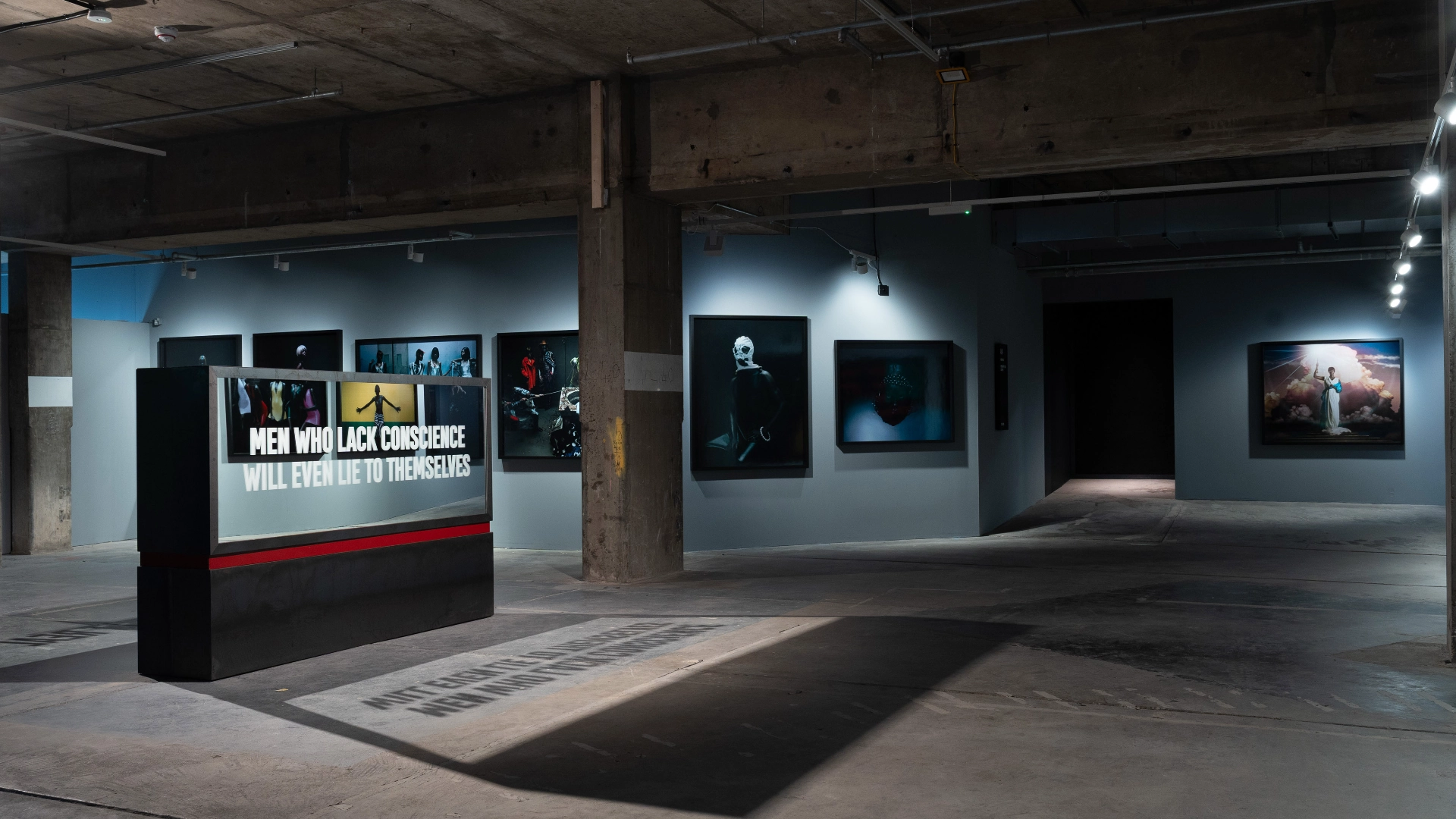
In the sprawling, industrial corridors of London’s 180 Studios, a transformation has taken place. Where once there was empty concrete, there now exists a sensory landscape that bridges the gap between high-fashion editorial, intimate documentary photography, and the avant-garde world of cinematic storytelling. This is Selah, the latest and most ambitious exhibition from London-based creative polymath Gabriel Moses.
Following the critical acclaim of his 2023 debut solo exhibition, Regina, Moses has returned to the heart of the city with a project that demands more than just a passing glance. Spanning two expansive floors, Selah—a Hebrew term often used in the Psalms to signify a pause or a moment of reflection—serves as a literal and metaphorical breath for one of the most exciting visual voices of the contemporary era.
The Main Facts: An Immersive Odyssey
At its core, Selah is a retrospective of a career that has already touched the highest echelons of global culture. The exhibition features a curated selection of over 70 photographs and 10 films, mapping Moses’ trajectory through the interconnected worlds of fashion, music, and sport.
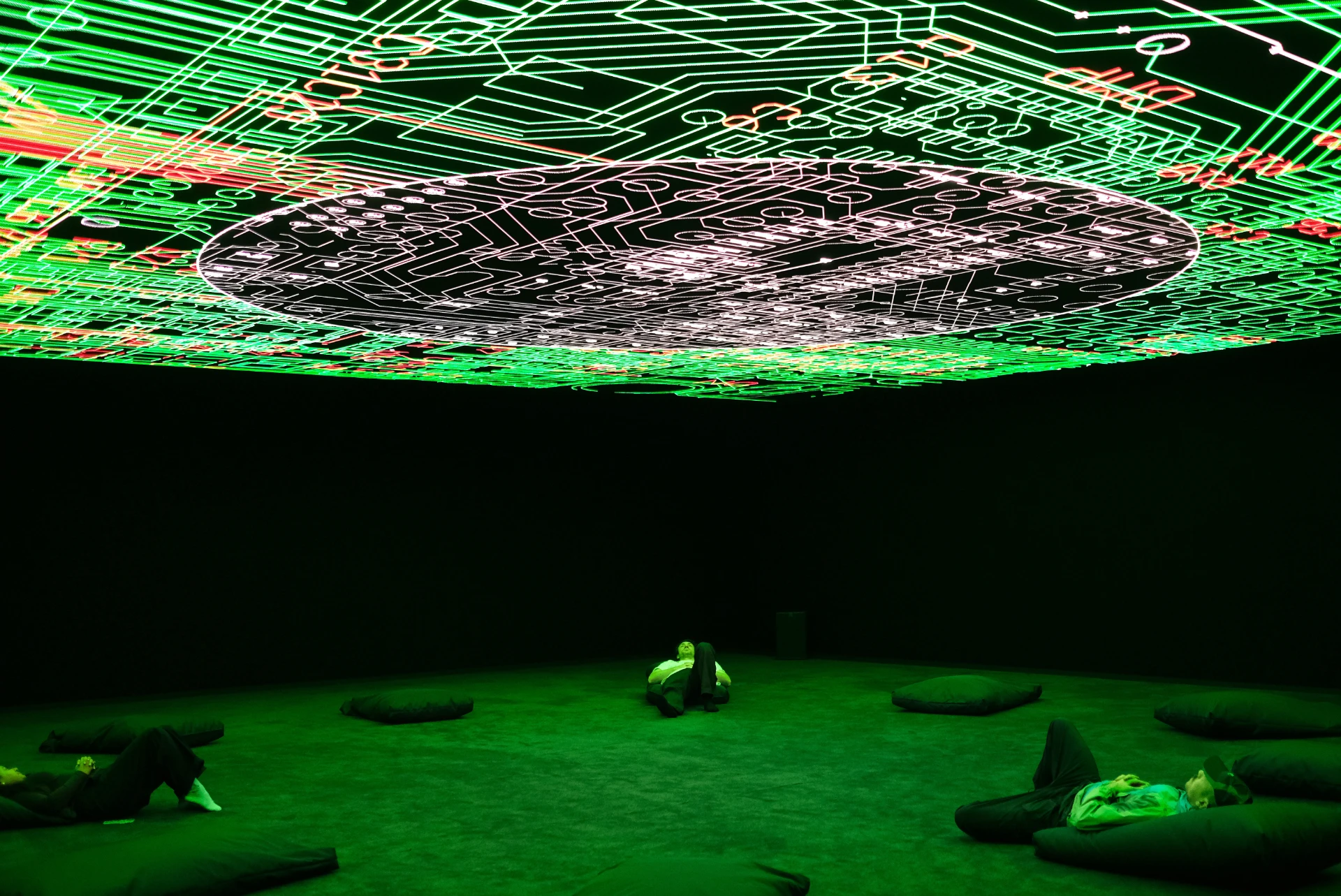
However, to label it a "retrospective" would be to miss the point. Selah is a living, breathing environment. It is not merely a gallery of frames on a wall; it is a collection of installations and sculptures designed to pull the viewer into the specific atmosphere of each shot. The exhibition serves as a physical manifestation of Moses’ evolving artistic philosophy: that an image should not just be seen, but felt.
The crown jewel of the exhibition is the premiere of his latest short film, The Last Hour. A haunting, meditative piece, the film further cements Moses’ move from the static image to the moving frame, exploring themes of time, legacy, and the quiet moments that define a human life.
Chronology: From Prodigy to Powerhouse
To understand the weight of Selah, one must look at the meteoric rise of Gabriel Moses. His career did not follow the traditional route of formal art school training and long-term apprenticeships. Instead, he emerged as part of a new generation of creators who utilized digital platforms to democratize access to the industry.
The Early Spark
Moses first caught the public eye with his visceral, high-contrast imagery that captured the beauty of London’s youth culture. His ability to frame street scenes with the same reverence usually reserved for classical oil paintings quickly drew the attention of high-fashion houses and global publications.
The 2023 Breakthrough: Regina
The catalyst for his current status was the 2023 exhibition Regina, also hosted at 180 Studios. Regina was a deeply personal exploration of his roots, family, and identity. It was a stripped-back, raw look at the people and places that shaped him. The success of Regina was a turning point, not just in terms of visitor numbers, but in the institutional validation of his work. It proved that Moses could hold space in a major London gallery and draw crowds typically reserved for established masters.
The Interim Years
In the two years between Regina and Selah, Moses did not remain stagnant. He collaborated with global athletic brands, shot major editorial spreads for Vogue and i-D, and directed music videos that pushed the boundaries of cinematography. This period was marked by a shift toward more complex, multi-layered visual storytelling.
The Arrival of Selah
Selah represents the culmination of this two-year growth. If Regina was an introduction, Selah is a manifesto. It showcases a technical mastery that has matured; the lighting is more precise, the narratives more ambiguous, and the production scale significantly larger.
Supporting Data: The Scale of the Exhibition
The logistics of Selah highlight the ambition behind the project. Occupying two distinct levels at 180 Studios, the exhibition utilizes a complex floor plan designed to dictate the pacing of the viewer.
- 70+ Photographs: A curated selection covering his work from 2020 to 2025.
- 10 Films: A mix of short-form documentary, fashion film, and experimental cinema.
- 1 Premiere: The Last Hour, a bespoke short film created specifically for this show.
- Spatial Design: Incorporating sculptural elements that reflect the textures found within his photography—concrete, fabric, and raw steel.
The exhibition is open to the public until 31 August 2025, a significant duration that suggests 180 Studios’ commitment to the cultural impact of the work. Tickets, which are currently being sold through the studio’s official portal, have seen high demand, reflecting Moses’ continued relevance among both the art cognoscenti and the broader public.
Official Responses and Reflections
In an exclusive conversation regarding the show, Moses was remarkably candid about his personal evolution. When asked how he perceives the jump from his previous work to the complexity of Selah, he noted:
"I’ve grown a lot in those two years. I’ve developed more as an artist. For me, it was important to create a show that felt so much more immersive and interactive. With Regina, I wanted to tell a story about where I came from. With Selah, I want to invite the viewer into the room where the story is happening."
Curators at 180 Studios have echoed these sentiments, noting that Moses’ ability to bridge the gap between "commercial" photography and "fine art" is what makes his work particularly potent in the 21st century. By refusing to stay in a silo, Moses challenges the outdated notion that fashion photography cannot be profound.
Implications: The Future of the "Artist-Creator"
The success and ambition of Selah carry significant implications for the future of photography as an exhibition medium.
The Death of the Static Gallery
Selah proves that the traditional "white cube" gallery model is becoming obsolete for the younger generation of viewers. In a digital age where high-quality images are consumed in seconds on screens, a physical exhibition must provide an experience that is impossible to replicate online. Moses achieves this through scale, texture, and the introduction of moving image works that demand time—the very thing the title Selah asks of us.
The Hybridization of Media
Moses is at the forefront of a movement that treats the camera as a fluid tool. Whether he is holding a stills camera or directing a film crew, the "eye" remains consistent. This hybridization is becoming the new standard. Commercial photographers are increasingly expected to be directors, and directors are expected to understand the language of high-end editorial stills. Moses is the archetype of this new breed of creator.
Shaping Cultural Legacy
Finally, Selah highlights the power of representation. By placing his subjects—often people of color, often from marginalized communities—in the center of high-fashion and cinematic narratives, Moses is doing more than taking photos; he is building an archive. He is ensuring that the aesthetics of his generation are preserved in a way that is dignified, beautiful, and enduring.
Conclusion: A Pause in the Noise
In a world that prizes the "next big thing" and the rapid fire of social media, Gabriel Moses has chosen a different path. He has chosen to pause.
Selah is not a race to the finish line; it is a deliberate, slow-motion look at the beauty in the everyday, the grace in the movement of an athlete, and the silence found in the final hour of a day. For those who make the journey to 180 Studios, the experience is not just an appreciation of technical skill, but a reminder of the power of the human gaze.
As the exhibition continues its run through August, it serves as a cornerstone of London’s summer cultural calendar. Whether you are a fan of his fashion work, a student of film, or simply someone looking for a moment of reflection in the middle of a bustling city, Selah offers a space to breathe.
In the words of the artist himself, the work is about "the pause." In Selah, Gabriel Moses has successfully created a space where we can all stop, look, and finally, truly see.