This article is a repost of a feature originally published by Positive Feedback, written by Rush Paul. We extend our sincere gratitude to Rush and the Positive Feedback editorial team for granting permission to share this insight into the evolving world of high-resolution audio.
In the world of high-end audio, it is easy to become obsessed with the technical specifications of a recording. As a reviewer, I frequently showcase music captured in ultra-high-resolution formats like DXD or DSD256. These formats offer a unique "aural density" that can be transformative. However, limiting one’s listening habits to only the highest resolution files is a disservice to the art form. There are countless magnificent recordings captured in more modest PCM resolutions that deserve our attention.
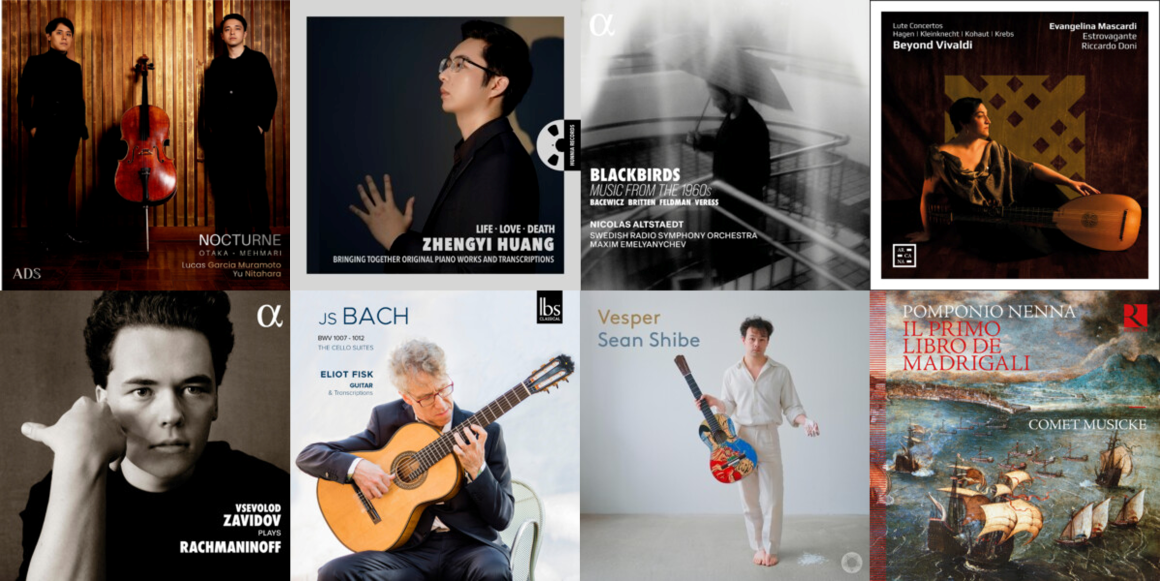
In this collection of recent finds, we explore a diverse array of performances. While only one album features the Pure DSD256 format, the remaining selections are sonically superb, proving that musical excellence transcends technical data.
The Philosophy of the Album Cycle
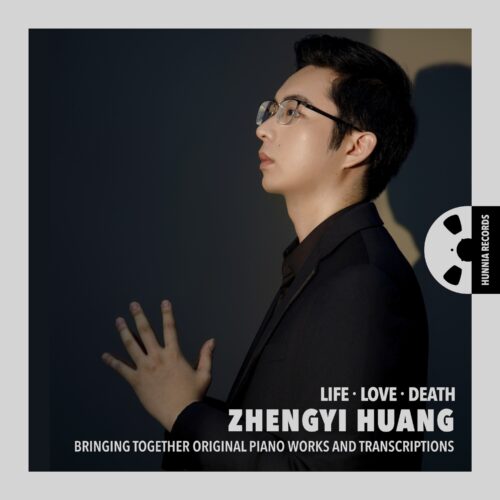
Life, Love, Death – Zhengyi Huang (Piano)
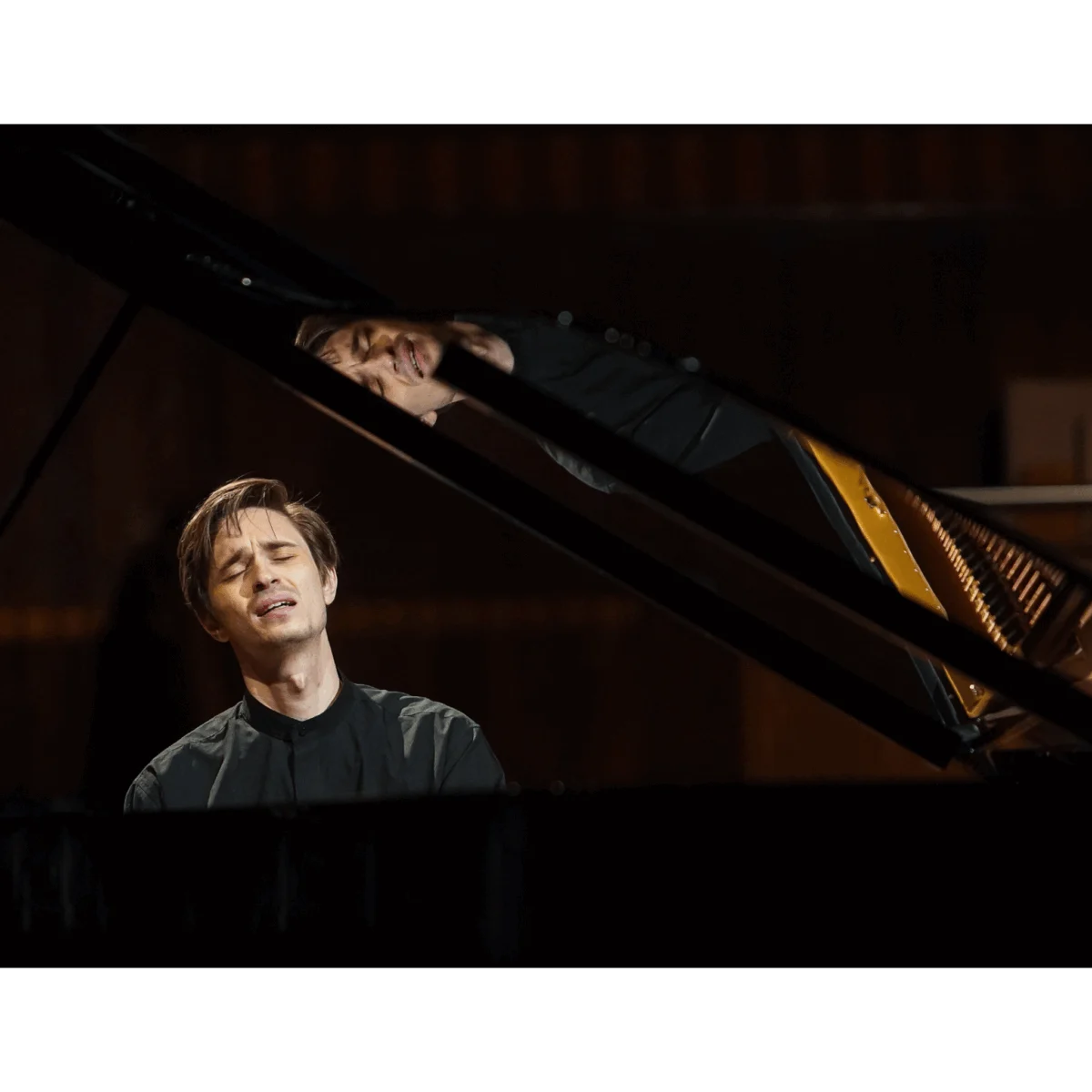
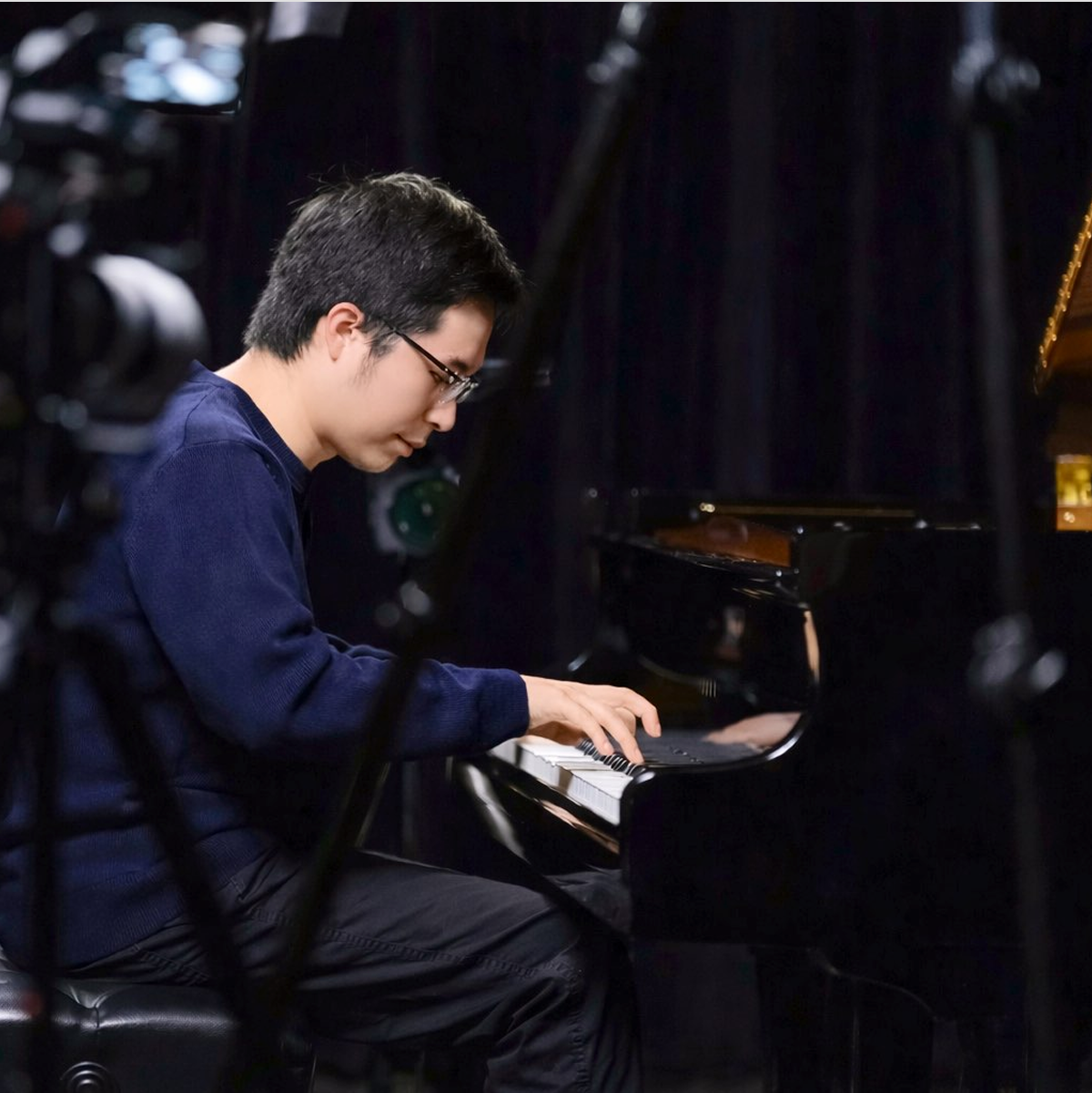
The centerpiece of this month’s discoveries is "Life, Love, Death," an ambitious solo piano recital by the award-winning Chinese pianist Zhengyi Huang (Hunnia Records, 2026). Recorded in Pure DSD256, the album is a thematic exploration of the human experience.
Chronology and Narrative Arc
Huang structures his program as a psychological journey. It opens with Stravinsky’s Three Movements from Petrushka, a work that Huang interprets as the "first metamorphosis"—the awakening of a puppet into a sentient human. From this birth, the album moves into a "Love Cycle."
- The Dream: Liszt’s Liebestraum No. 3 presents love in its most idealized, lyrical state.
- The Transcendence: Liszt’s arrangement of Wagner’s Isolde’s Liebestod serves as the apex, where love and death become indistinguishable.
- The Memory: Kreisler’s Liebesleid and Liebesfreud (arranged by Rachmaninoff) function as fragmented memories, where joy and sorrow are inextricably linked.
- The Interior: Brahms’s Intermezzo in A major, Op. 118, No. 2 shifts the focus from the theatrical to the autumnal and internal.
- The Affirmation: Schumann’s Widmung (arr. Liszt) acts as a conscious, mature choice of devotion.
- The Reckoning: The album concludes with Liszt’s Totentanz. While one might expect a peaceful resolution, Huang chooses the Dies irae-based Totentanz to remind us that all human experience, including love, exists under the shadow of the inevitable.
Huang’s performance is a masterclass in technical prowess and emotional intelligence. By listening to the album as a complete, curated cycle rather than "bleeding chunks" of music, the listener is rewarded with a profound existential narrative.
Reimagining the Russian Tradition
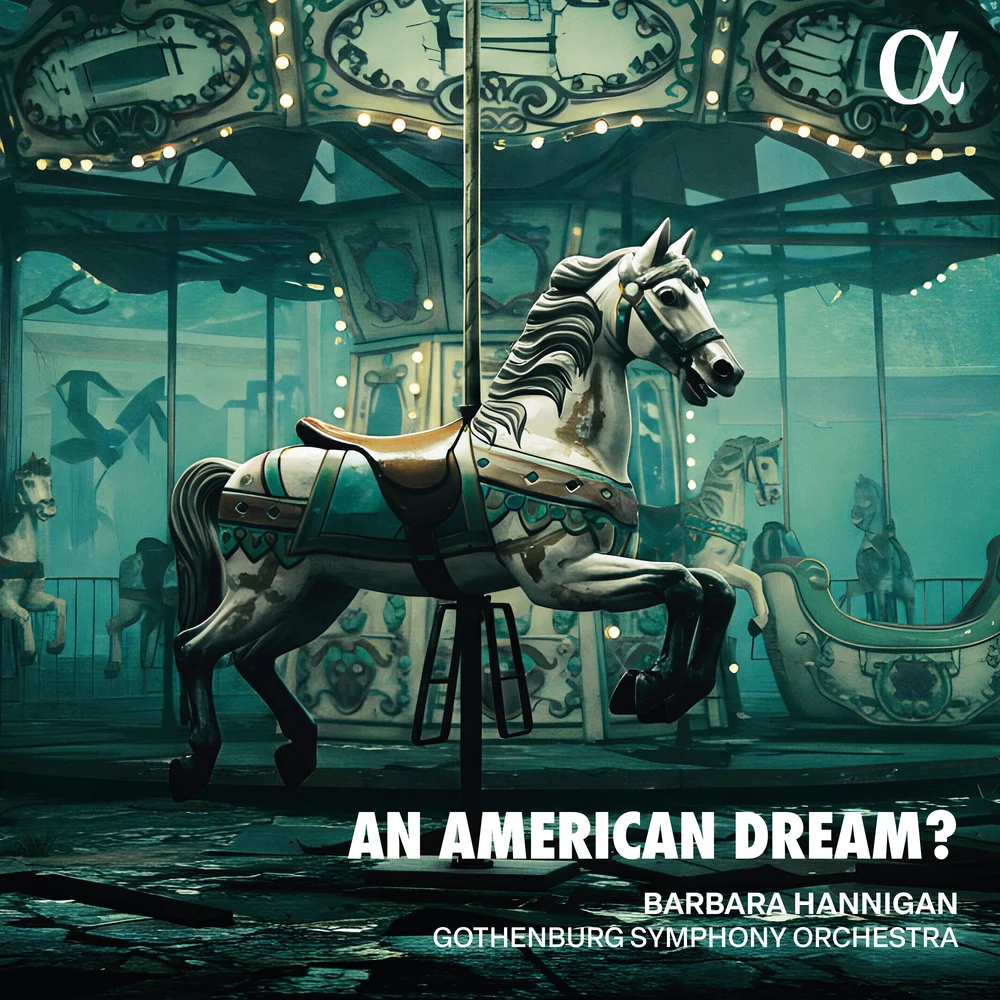
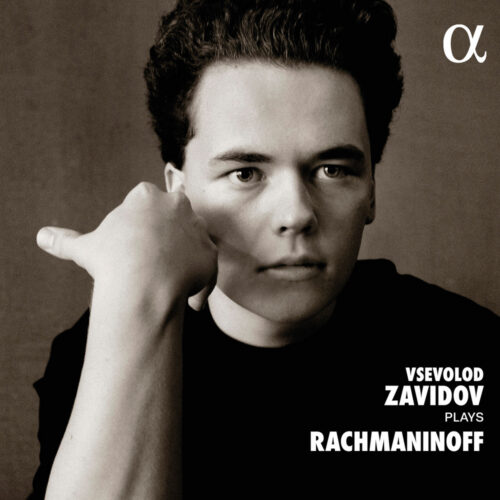
Vsevolod Zavidov Plays Rachmaninoff (Alpha Classics, 2026)
Vsevolod Zavidov is a rising star in the Russian tradition, having claimed the inaugural Radu Lupu Prize (2024) and the UBS Young Soloists Prize (2025). His debut album of Rachmaninoff works challenges the conventional wisdom regarding this composer’s sound.
Technical Analysis
Many listeners associate Rachmaninoff with thick, saturated sonorities—the "big" sound of Horowitz or Ashkenazy. Zavidov offers a departure: a leaner, more agile approach. In the Corelli Variations, he favors mobility and structural clarity over sheer mass. His playing is quicksilver and improvisatory, allowing inner voices to emerge that are often buried in more "romantic" interpretations. This is an analytical, refreshing look at Rachmaninoff that proves restraint can be just as expressive as indulgence.
Early Music and the Art of the Madrigal
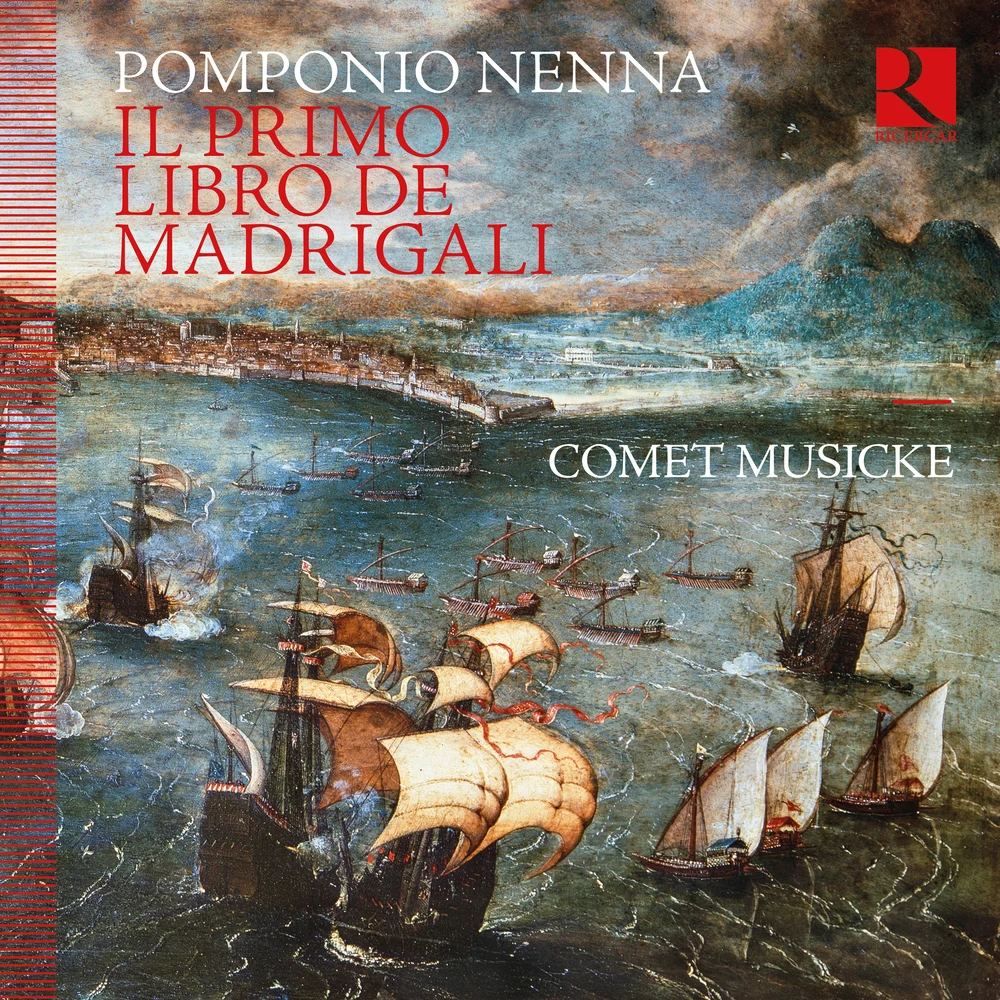
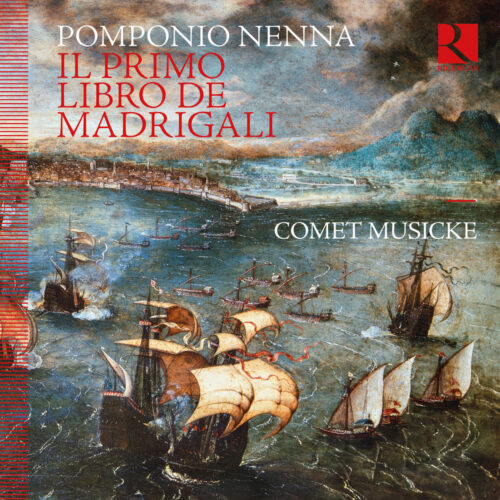
Pomponio Nenna: Il primo libro de madrigali (Ricercar, 2026)
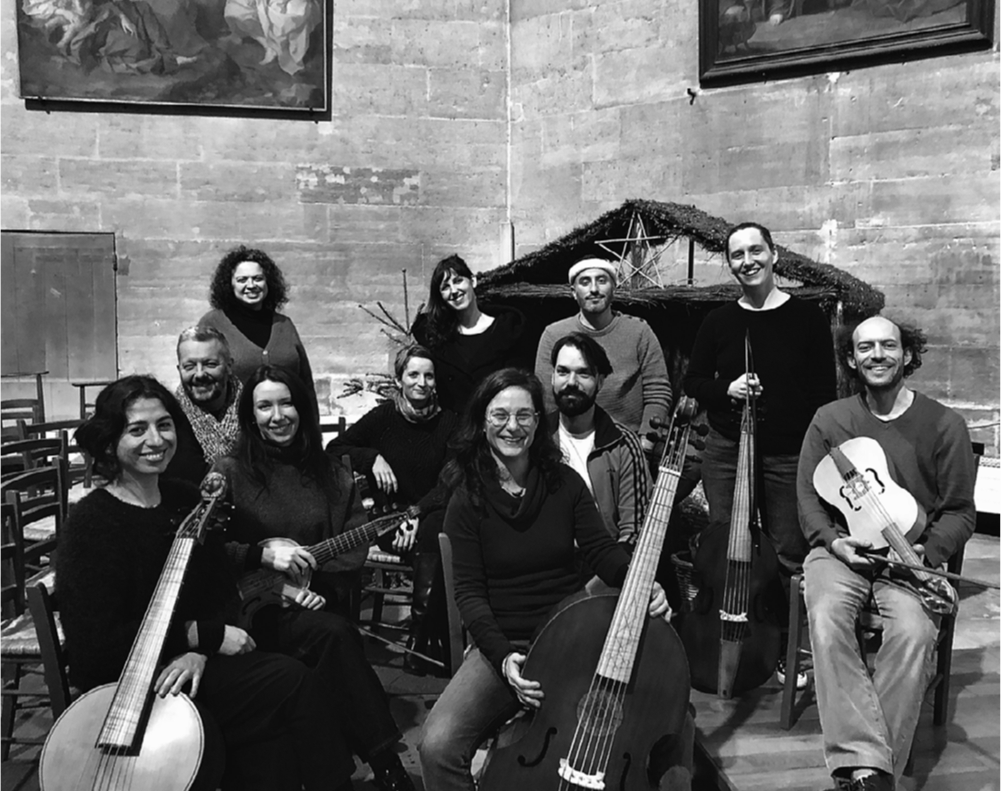
The ensemble Comet Musicke brings long-overdue attention to Pomponio Nenna, a contemporary of the famous Gesualdo. The album presents Nenna’s First Book of Madrigals (1613), skillfully interwoven with instrumental works by Giovanni de Macque and Giovanni Maria Trabaci.
Implications of Performance Style
The album is a fascinating look at the "gentleman composer" class of the 17th century. Nenna’s music is vital, energetic, and surprisingly affirmative. Comet Musicke performs with a measured approach, avoiding the trap of over-dramatization. The result is a coherent, flowing experience. While the 88.2kHz resolution is perfectly adequate, it serves as a reminder of the "aural density" that DSD formats offer; one cannot help but wonder how much more "present" these voices might feel in a higher native resolution.
Contemporary Guitar and Global Connections
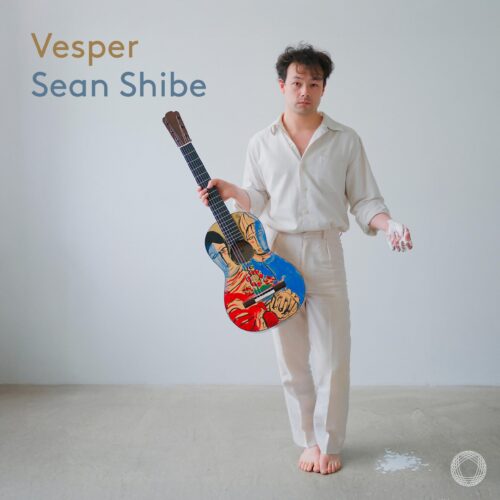
Vesper – Sean Shibe (Pentatone, 2026)
Scottish guitarist Sean Shibe continues to curate some of the most innovative programs in classical music today. Vesper features works by Harrison Birtwistle, James Dillon, and Thomas Adès—none of whom are guitarists, yet all of whom have written masterfully for the instrument.
Supporting Data
Shibe utilizes instruments by luthier Simon Ambridge, widely considered the successor to the Hauser tradition. The repertoire is deeply connected to Spanish culture, referencing figures like Picasso and Lorca. The textural variety on this album is staggering, ranging from the "shivering" qualities of Dillon’s Caprices to the explosive, heartbreaking nature of Adès’s Forgotten Dances. It is an essential listen for any serious guitar enthusiast.
20th-Century Cello: A Study in Contrasts
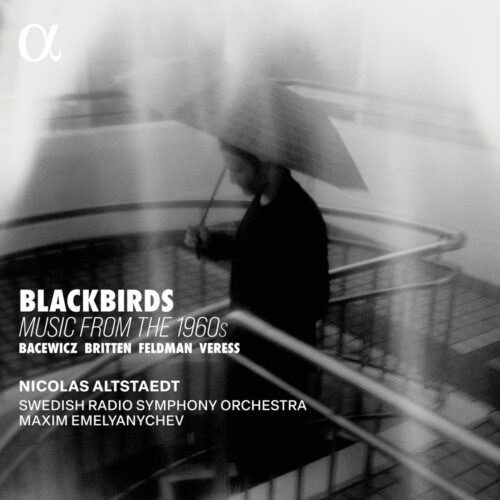
Blackbirds – Nicolas Altstaedt (Alpha Classics, 2026)
Nicolas Altstaedt delivers an evocative program of 1960s cello works. The album features Grażyna Bacewicz’s Second Cello Concerto, a work of dramatic tension that begs the question: why is this music not performed more often?
Altstaedt pairs the rigorous, ironical sonata of Benjamin Britten with the abstract, suspended temporality of Morton Feldman’s Durations II. The program concludes with a surprise: a live recording of Lennon and McCartney’s Blackbird. By stripping the song to its bare essentials—voice, lute, and cello—it transforms from a pop classic into an archaic, folk-like meditation, effectively "de-formalizing" the complex journey that preceded it.
The Resurrected Tradition
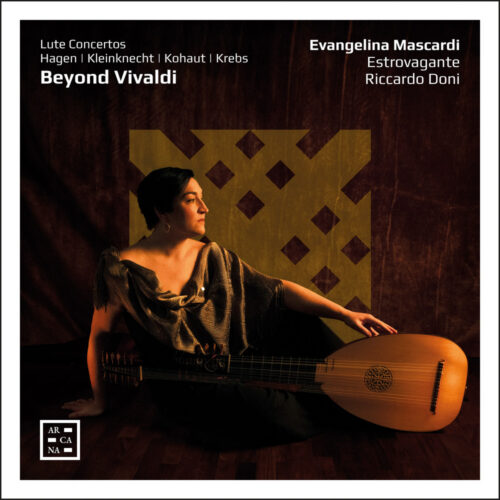
Beyond Vivaldi: Lute Concertos (Arcana, 2026)
Lute concertos were a short-lived tradition in the German late-Baroque, eventually eclipsed by larger, louder instruments. Evangelina Mascardi and the ensemble Estrovagante offer a stunning revival of this music, moving beyond the standard Vivaldi repertoire to explore works by Krebs, Kleinknecht, and Kohaut.
Mascardi’s playing emphasizes rhetorical phrasing over mere virtuosity. She treats the lute as a living voice, engaging in a fluid dialogue with the chamber orchestra. It is an elegant reconstruction of a lost musical landscape.
Bach for the Modern Era
Bach: The Cello Suites – Guitar Transcriptions – Eliot Fisk (IBS Classical, 2026)
Is there a need for another guitar transcription of the Bach Cello Suites? Perhaps not. But when the artist is the eminent Eliot Fisk, the answer is a resounding "yes." Recorded in the intimate acoustics of Gordon Hall, this project captures Fisk in his element. These are not merely transcriptions; they are a deep, personal exploration of Bach’s architecture, re-imagined for the guitar’s unique tonal palette. It is a triumphant, thoughtful release.
Cross-Cultural Dialogue
Nocturne – Lucas Garcia Muramoto & Yu Nitahara (ADS, 2026)
The final discovery is Nocturne, a project featuring music for cello and piano by Hisatada Otaka and André Mehmari. The performance highlights a fascinating intersection of cultures.
Official Reflections
As cellist Lucas Garcia Muramoto notes, Brazil is home to the largest Japanese population outside of Japan. This album acts as a meeting point for these two cultures. The music of Otaka and Mehmari engages with European classical traditions while maintaining a distinct national identity. The recording quality, engineered by Gustavo Cândido, is remarkably transparent. For those equipped for multi-channel listening, this release offers an immersive, world-class experience.
Conclusion
Whether through the high-fidelity density of Pure DSD or the clarity of standard PCM, the common thread in these recordings is the humanity of the performers. Each of these albums, from the existential weight of Zhengyi Huang’s piano cycle to the delicate lutes of Evangelina Mascardi, serves as a reminder that the format should never dictate the music. We invite you to listen to these programs in their entirety and discover the narratives hidden within the sequence of their tracks.