By the Audio Engineering & Production Desk
Published: August 2026
Main Facts: The Acoustic Reality Facing Modern Creators
In the modern landscape of home recording, podcasting, and digital content creation, bedroom producers and project studio owners invest heavily in high-end microphones, pristine preamps, and sophisticated digital audio workstations (DAWs). Yet, a glaring vulnerability often undermines their signal chain: the room itself.
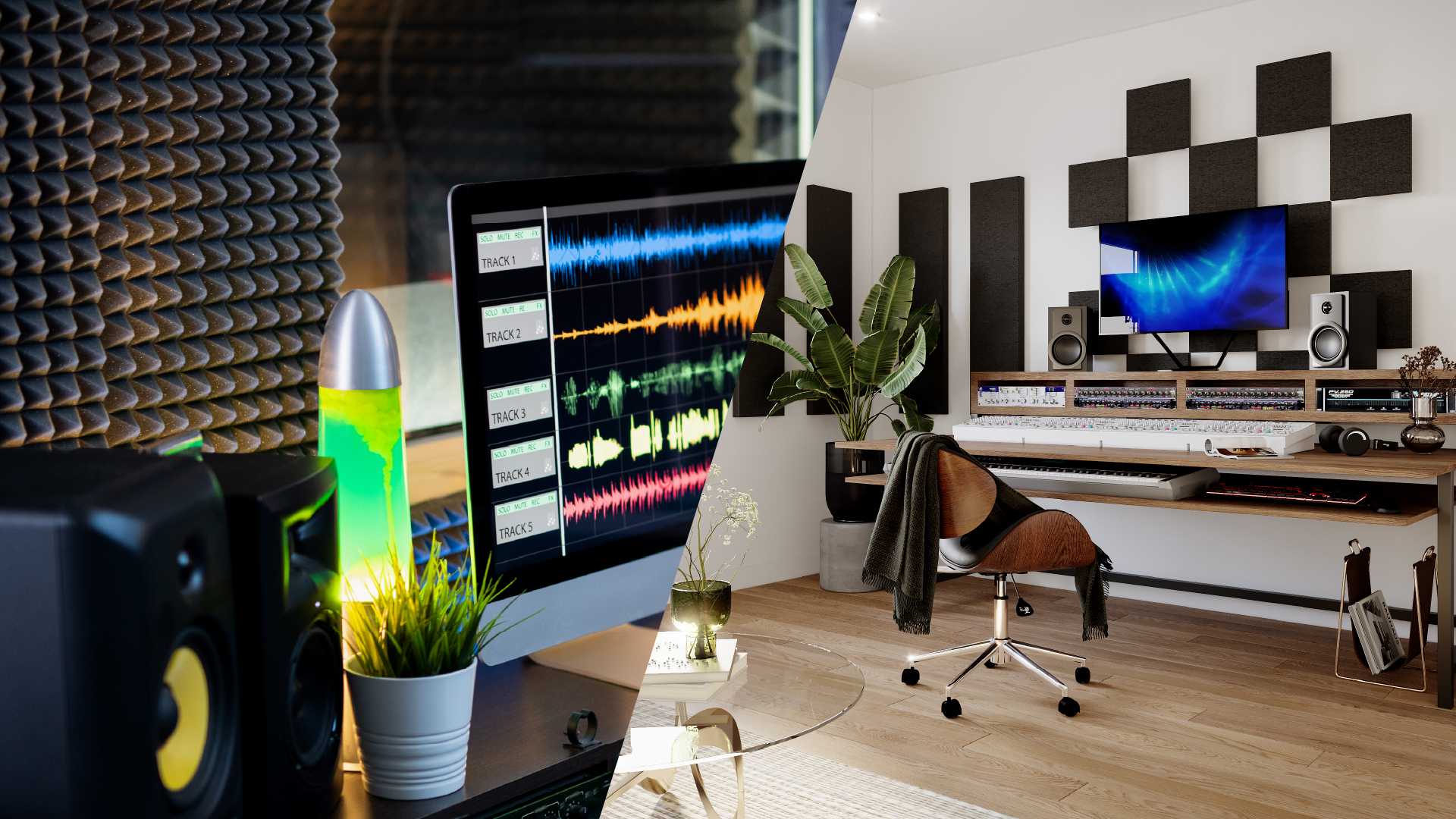
Step away from the carpet knife, put down the hardware store glue gun, and leave the pile of cheap polyurethane foam sheets alone. According to leading acoustic treatment manufacturers and professional audio engineers, untreated or poorly treated rooms remain the single greatest impediment to achieving professional-grade audio.
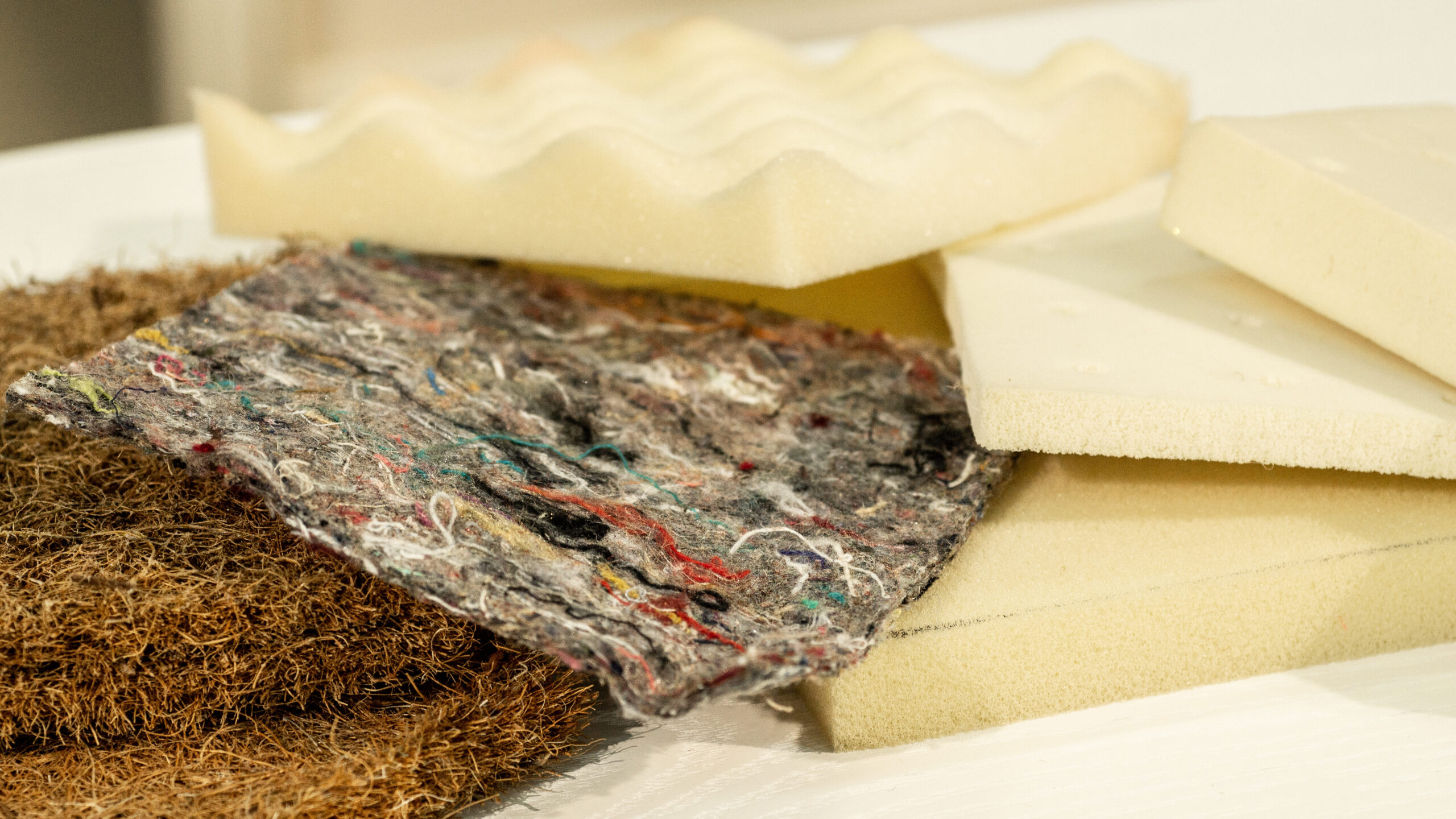
Enter solutions like the Primacoustic London Room Kits and advanced glass-wool paneling systems. These all-in-one studio acoustic treatments aim to eliminate the guesswork of room calibration, replacing amateur trial-and-error with lab-tested, mathematically balanced broadband absorption. Unlike garden-variety foam fixes that merely dampen high frequencies, high-density glass wool panels absorb up to four times more acoustic energy across a much broader, more balanced frequency spectrum.
Chronology: The Evolution of Room Treatment in Project Studios
To understand why the industry is shifting toward comprehensive acoustic kits, it is helpful to look at how creators have historically approached room design.
Phase 1: The Early DIY Era (The 1990s–2000s)
When home recording first became democratized through digital interfaces and affordable multitrack software, bedroom producers faced immediate acoustic hurdles. Untreated spaces suffered from severe flutter echoes and low-end buildup. Lacking commercial budgets, creators turned to improvised solutions: hanging blankets, putting up egg cartons, or buying cheap acoustic foam from packing suppliers. While these methods offered negligible high-frequency taming, they completely ignored low-frequency anomalies.
Phase 2: The Rise of Consumer Foam (2010s)
As online video streaming and podcasting exploded, a massive market for cheap polyurethane foam panels emerged. E-commerce platforms flooded with brightly colored pyramid and wedge tiles. While visually striking to some, these lightweight foams proved problematic. They lacked structural mass, presented severe fire safety hazards due to high flammability, degraded over time, and left users with boomy, muddy low-mids that refused to translate outside the room.
Phase 3: The Integrated Systems Approach (Present Day)
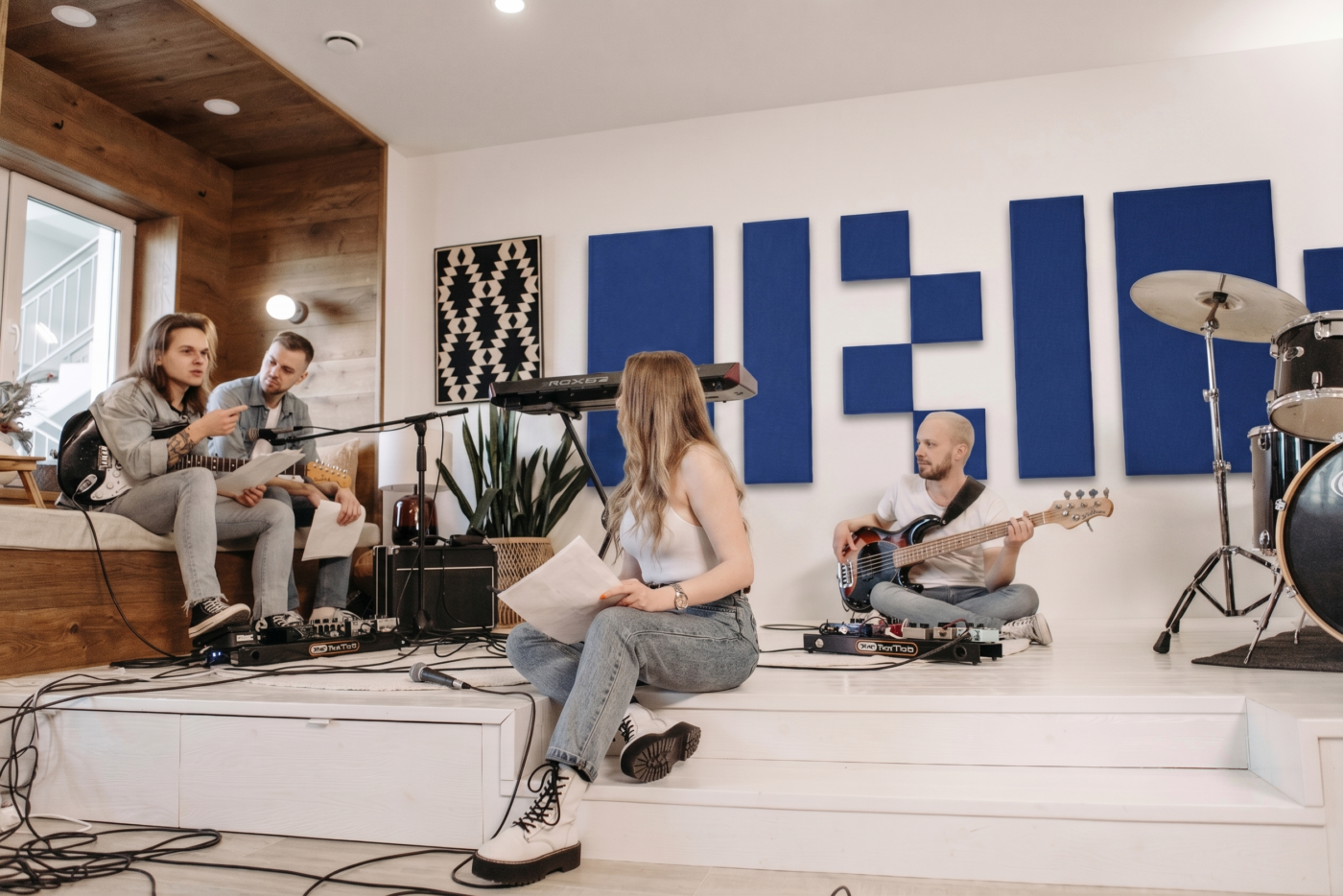
Recognizing the limitations of piecemeal foam fixes and hazardous DIY glass-wool cutting (which risks airborne fiber pollution), modern manufacturers have pivoted toward complete, pre-engineered acoustic systems. Products like Primacoustic’s London Room Kits package precision-engineered Broadway panels, mounting hardware, and expanded color palettes—such as the 39-shade Waypoint Colour Collection—into cohesive "studio sound control in a box" solutions tailored to specific room dimensions.

Supporting Data: Foam vs. Professional-Grade Glass Wool Panels
To appreciate why professional systems "up your game," one must examine the physics of sound absorption.
+---------------------------+-----------------------------------+-----------------------------------+
| Performance Metric        | Cheap DIY Polyurethane Foam       | Professional Glass Wool Panels    |
+---------------------------+-----------------------------------+-----------------------------------+
| Frequency Absorption      | High frequencies only (Limited)   | Broad-spectrum (High, Mid, Low)   |
| Low-Mid / Bass Mitigation | Negligible                        | Up to 4x higher energy absorption |
| Fire Safety Rating        | Highly flammable / Variable       | Strict Class-A fire-rated         |
| Longevity                 | Crumbles, fades, collects dust    | Rigid, resin-hardened, durable    |
| Aesthetic Flexibility     | Fades; limited color choices      | Extensive collections (e.g., Wayway)|
+---------------------------+-----------------------------------+-----------------------------------+
The Physics of Room Interaction
When a sound source—such as a guitar amplifier or a human voice—operates in a room with hard, parallel boundaries, sound waves bounce continuously. This creates flutter echoes, phase cancellation, and prolonged reverberation times. When monitors are introduced to play back audio in the same untreated space, these reflections compound, masking critical sonic details.
Cheap acoustic foam fails to address low frequencies (below 250 Hz). Consequently, mixing decisions made in foam-treated rooms are skewed; producers boost or cut frequencies to compensate for the room’s muddy response, only to find their mixes fall apart completely when played back in a car, on consumer headphones, or on a professional club system.
By contrast, high-density glass wool panels provide the structural mass required to trap rogue bass energy, smooth out frequency response curves, and eliminate primary reflections.
Official Perspectives: Industry Insights on Room Accuracy
Audio professionals frequently emphasize that the room is the final, unavoidable link in the recording chain.
"Think of your room as the final, unavoidable link in your audio chain," notes technical documentation from leading acoustic developers. "Like all the other elements in that chain, its characteristics and quirks have a direct impact on what you hear when tracking and mixing. Chances are you’ve chosen every device in your chain to ensure the sounds you capture are exactly what you want to work with. Obviously, accuracy matters as much for tracking as it does for mixing."
Furthermore, industry experts stress that chasing a good take is a frustrating exercise if sonic anomalies go unnoticed during tracking.
"If an instrument, mic, or any device in your studio isn’t working properly or doesn’t sound the way you want, you’d replace it," acoustic engineers point out. "Changing how your room sounds, by contrast, isn’t nearly as easy. Consequently, getting it right the first time is critical."
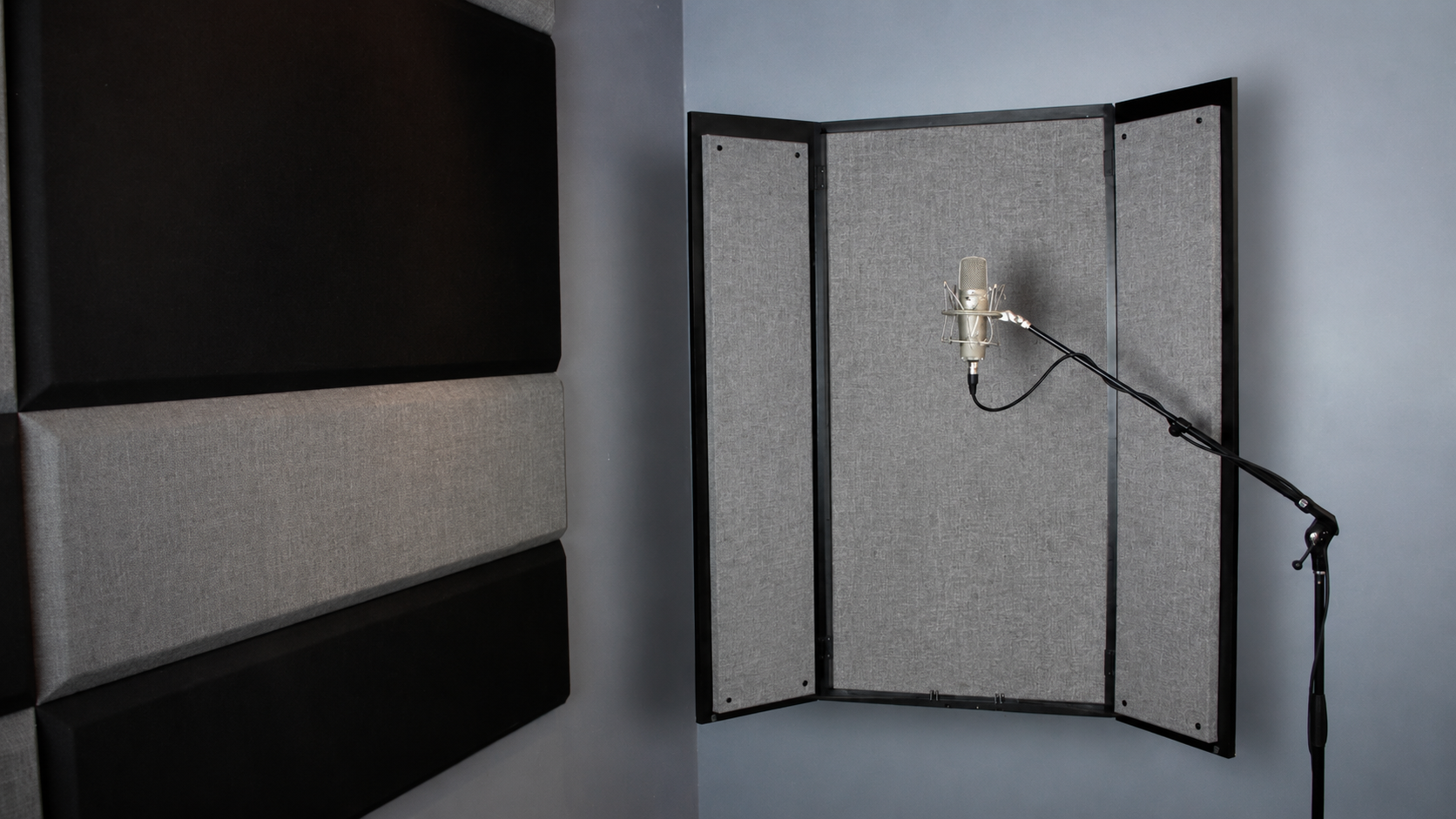
Manufacturers of complete acoustic systems have designed their suites to simplify this exact process. By relying on lab-tested, verified performance metrics, creators no longer have to guess how many panels to buy or where to mount them. The inclusion of comprehensive hardware and step-by-step room sizing guides means that transforming a chaotic space into a controlled acoustic environment can be accomplished over a single weekend.
Implications for Creators, Producers, and Facilities
The transition from DIY guesswork to professional acoustic kits carries profound implications across the entire content creation ecosystem.
1. Enhanced Mix Translation and Accuracy
When a room’s acoustic response is linear and controlled, a producer’s confidence skyrockets. Decisions regarding EQ, compression, and stereo imaging translate reliably across external playback systems. This eliminates hours of frustrating revision work and drastically shortens the mixing timeline.
2. Reduced Aural and Mental Fatigue
Continuous, chaotic room reflections bombard the ears, inducing rapid listening fatigue. By subduing primary reflections and reining in excessive reverberation, treated spaces create a calm, focused listening environment. Creators can work longer hours without experiencing ear strain or spatial disorientation.
3. Professional Perception and Client Confidence
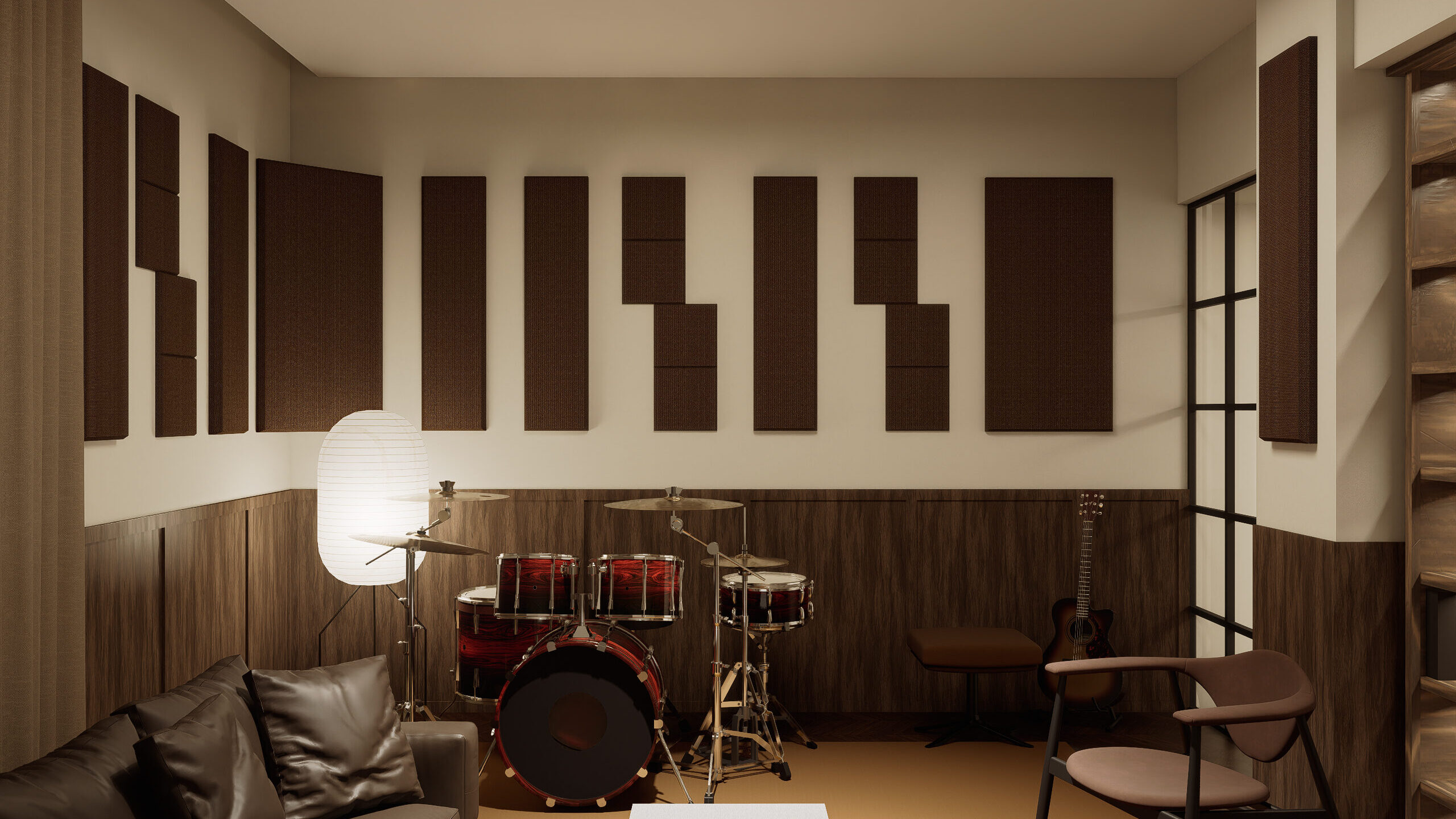
While sound quality remains paramount, visual presentation matters. A studio outfitted with precision-engineered, color-matched panels—such as those in the Waypoint Colour Collection—communicates high-level professionalism. For independent engineers, podcasters, and studio owners hosting paying clients, a polished room fosters immediate trust and credibility.
4. Safety and Durability
Moving away from flammable polyurethane foam and hazardous, unsealed DIY fiberglass cuts mitigates significant health and safety hazards. Class-A fire-rated panels with resin-hardened edges ensure long-term structural integrity without shedding dust, fading, or crumbling over time.
Conclusion
Improving room acoustics is far more than a cosmetic upgrade—it is a foundational investment in the integrity of your art. Whether you are outfitting a dedicated home recording facility, a commercial podcasting suite, or a high-end home theater, the shift toward professional, all-in-one acoustic solutions like Primacoustic London Room Kits represents a turning point for modern creators.
By eliminating low-end muddiness, taming erratic reflections, and ensuring true mix translation, creators can finally trust what they hear. In an industry where precision is everything, investing in your room is investing in your ultimate potential.
Additional Resources
For further reading on integrating acoustic design into your workspace, explore the following resources from industry experts: