By Editorial Staff
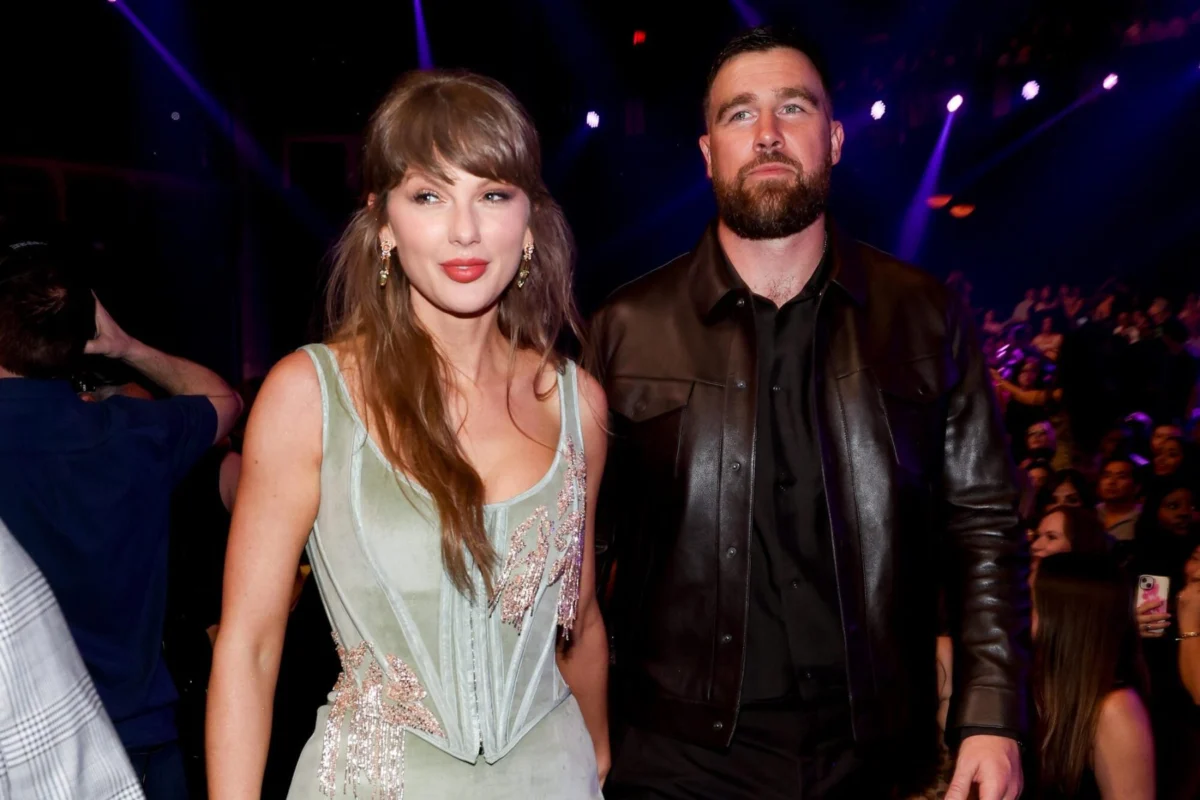
The marriage of global pop icon Taylor Swift and NFL superstar Travis Kelce has been described by cultural commentators as the “wedding of the century.” While the event was shrouded in a level of secrecy rarely seen in the age of social media, new details have emerged regarding the logistical hurdles, municipal cooperation, and the significant financial investment required to host such a high-profile union in the heart of New York City.
On July 3, 2026, Madison Square Garden (MSG) served as the backdrop for the ceremony, transforming the iconic sports and entertainment arena into a private sanctuary for one of the most scrutinized couples in modern history. As the dust settles, public records and official statements from the New York City mayor’s office have provided a rare window into the economics of the event, specifically regarding the city services required to manage the massive security and logistical operation.
The Financial Breakdown: Public Cost and Private Responsibility
The primary question lingering in the weeks following the wedding was whether the city’s resources were being leveraged for a private event at the taxpayers’ expense. During a press conference held on Friday, July 10, New York City Mayor Zohran Mamdani addressed these concerns directly, confirming that the couple had fully reimbursed the city for the extensive security measures required to maintain order in Midtown Manhattan.
"Taylor Swift and Travis Kelce have already paid the cost of the permit that was lodged, which totaled over $160,000 for the event and the city’s response to it," Mayor Mamdani stated. He further noted that the permit was finalized in the final days leading up to the ceremony, a testament to the complex, last-minute coordination required to secure one of the busiest intersections in the world.
This $160,000 figure covers the municipal expenses associated with the event, including police overtime, specialized traffic management, and the logistical burden placed on the New York Police Department (NYPD) to manage the thousands of fans and paparazzi who descended upon the area. For a city that balances public safety with high-profile events daily, the Swift-Kelce wedding represents a unique case study in how the city manages private events of unprecedented public interest.
A Chronology of the Wedding Weekend
The festivities were not limited to the wedding day itself. Planning for the multi-day event required a sophisticated approach to crowd control and privacy maintenance.
- July 2, 2026: The weekend’s activities commenced with an exclusive rehearsal dinner. Security perimeters were established around the vicinity of Madison Square Garden, with traffic diversions and temporary street closures implemented to ensure the safety of the wedding party and the privacy of the guests.
- July 3, 2026: The wedding ceremony took place within the hallowed halls of MSG. The venue was selected for its capacity to host large-scale events while providing the robust security infrastructure necessary for a high-profile couple.
- July 10, 2026: Mayor Mamdani held his press conference, officially putting to rest speculation regarding the funding of the security detail and clarifying that the $160,000 fee had been processed and cleared.
Supporting Data: The Logistics of a Midtown Takeover
Hosting a wedding at Madison Square Garden is an logistical feat of the highest order. Unlike a traditional hotel or banquet hall, MSG is a massive, multi-purpose facility designed for professional sports and stadium-sized concerts. To convert the space into a wedding venue required a specialized production team, custom staging, and an extensive security detail that operated in conjunction with the city’s emergency services.
The $160,000 cost specifically accounts for the public burden. It does not include the exorbitant private costs of venue rental, catering, floral arrangements, security firms, or the high-fashion couture worn by the couple. Reports indicate that Swift and Kelce opted for Christian Dior Haute Couture for their bridal attire, a choice that aligns with the high-profile nature of the celebration.
The decision to avoid traditional bridal parties was another notable detail. Rather than a large group of bridesmaids and groomsmen, the couple streamlined the ceremony: Swift’s brother, Austin, served as the man of honor, while Jason Kelce took on the role of best man. Perhaps most surprising to fans was the selection of comedian and actor Adam Sandler as the officiant, a choice that reportedly added a personal, humorous touch to the proceedings.
Official Responses and Celebrity Participation
The wedding was as much a cultural event as it was a personal milestone. The guest list included a blend of sports legends, music industry heavyweights, and personal friends. The entertainment provided during the reception was of a caliber rarely seen at private ceremonies.
According to Good Morning America co-host Robin Roberts, the legendary Stevie Nicks took the stage to perform, offering a musical tribute to the couple. Furthermore, People magazine reported that Sir Paul McCartney delivered a rare performance of the Beatles’ classic "I Want to Hold Your Hand." The significance of this performance cannot be overstated; it marked the first time the song had been performed live by McCartney in a public or semi-public setting since 1963, underscoring the level of influence the couple wields within the industry.
Mayor Mamdani’s comments during the July 10 press conference served as a firm endorsement of the couple’s compliance with city regulations. "That was a permit that was finalized, I think, in just the days before the event itself," he added, highlighting the professional collaboration between the event organizers and the city’s permit office.
Implications for Future High-Profile Events
The Swift-Kelce wedding sets a new benchmark for how major cities handle celebrity events. By prioritizing transparency regarding the $160,000 permit fee, the Mayor’s office effectively silenced critics who might have argued that public funds were being diverted to support a private party.
This event illustrates the growing need for a clear framework regarding the "taxpayer cost" of celebrity. As cities become increasingly popular destinations for global icons to host milestone celebrations, the public is rightfully demanding accountability. The precedent set by this wedding—whereby the city is fully compensated for police presence and infrastructure management—is likely to become the gold standard for future large-scale private gatherings in urban environments.
Furthermore, the event has highlighted the economic impact that such high-profile figures bring to the city. While the security costs were significant, the indirect economic benefit to local hospitality, transport, and luxury services during the week of the wedding is estimated to be in the millions.
Conclusion: The Finality of the Celebration
As the media cycle eventually moves on from the details of the ceremony, the lasting impression remains one of meticulous organization and mutual respect between the couple and the city that hosted them. Taylor Swift and Travis Kelce managed to curate an event that was deeply personal, yet subject to the rigid demands of public urban logistics.
The marriage, which has dominated headlines globally, was not just a celebration of two individuals, but a masterclass in modern event management. By navigating the complexities of New York City’s bureaucracy with transparency and financial responsibility, the couple ensured that their wedding would be remembered not just for its star-studded guest list and musical performances, but for the seamless integration of a private celebration into the public life of one of the world’s most bustling metropolises.
As the couple embarks on their life together, the record of their union in New York City remains clear: a private commitment made in a public space, fully paid for, and executed with the precision that defines the careers of both the pop superstar and the NFL champion. The $160,000 permit fee is a small footnote in the grand scale of their lives, but it serves as a significant marker in the history of how celebrity and city governance intersect in the 21st century.