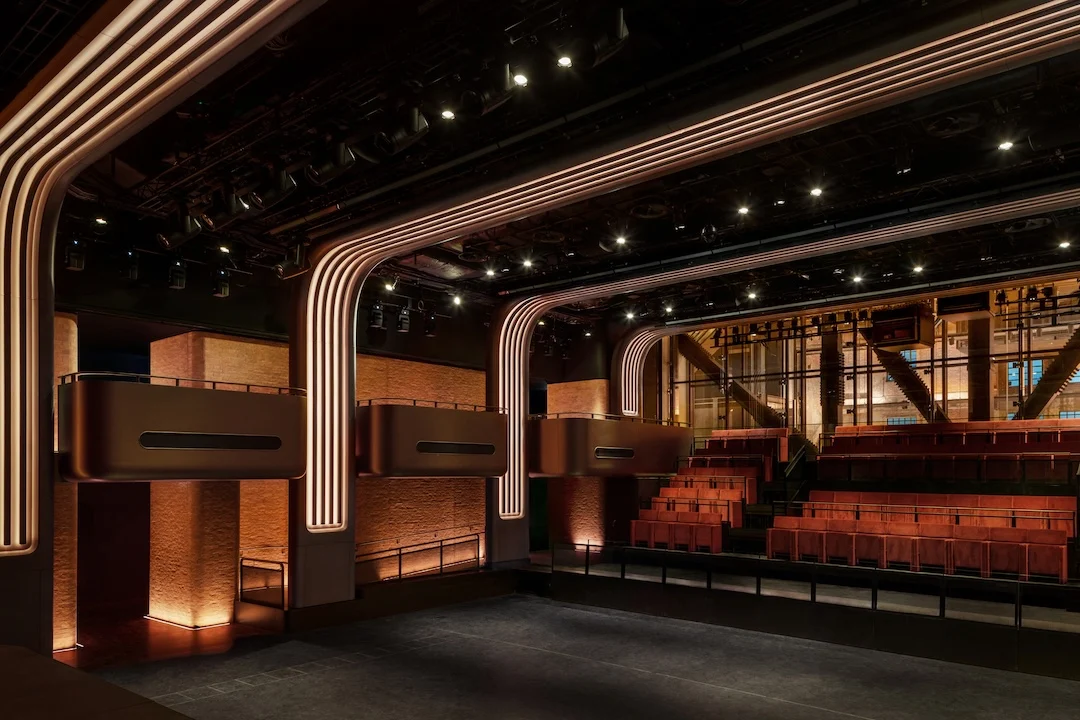
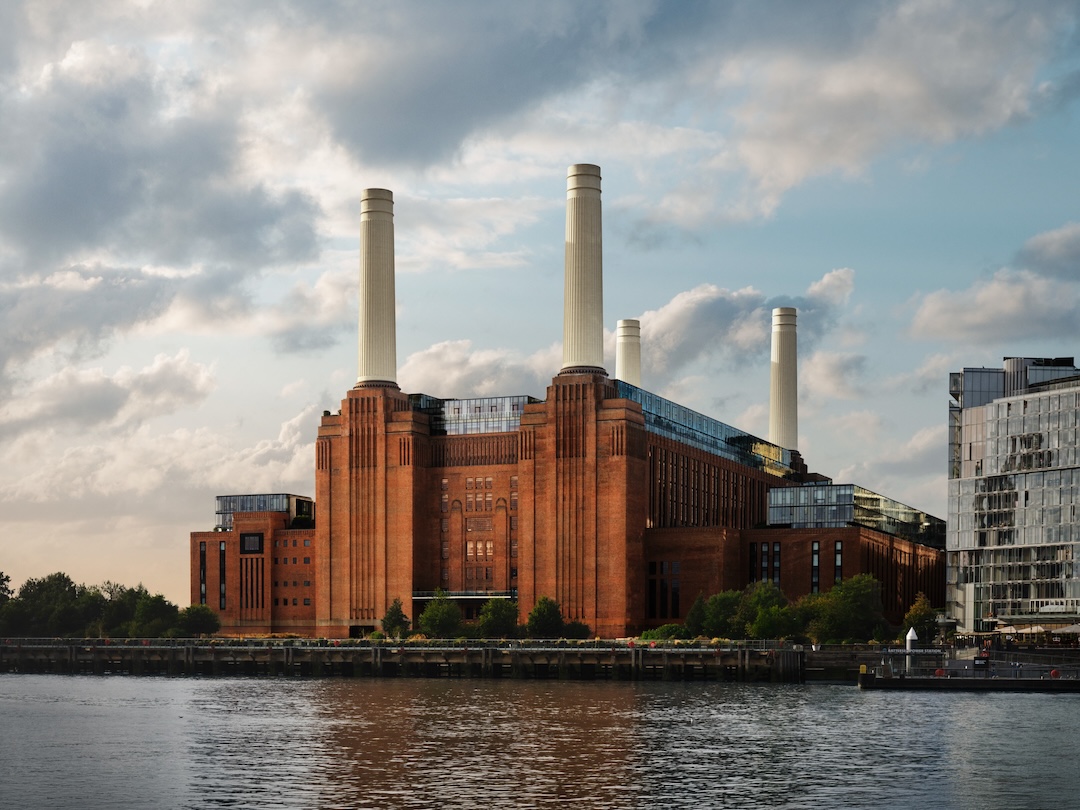
London, UK – For decades, Apple has occupied the role of the ultimate facilitator in the entertainment industry. From the hardware that powers creative suites to the software that enables high-fidelity production and the global platforms that distribute content to billions, the tech giant has been the invisible hand behind modern culture. However, on September 28, 2026, Apple will pivot from facilitator to curator, officially opening the Apple Music Hall—a state-of-the-art, 600-seat performance and production venue located in the historic heart of London’s Battersea Power Station.
This development marks a significant strategic expansion for the company, signaling a move into physical, experiential entertainment that bridges the gap between live performance and digital consumption.
The Genesis of a Landmark Venue
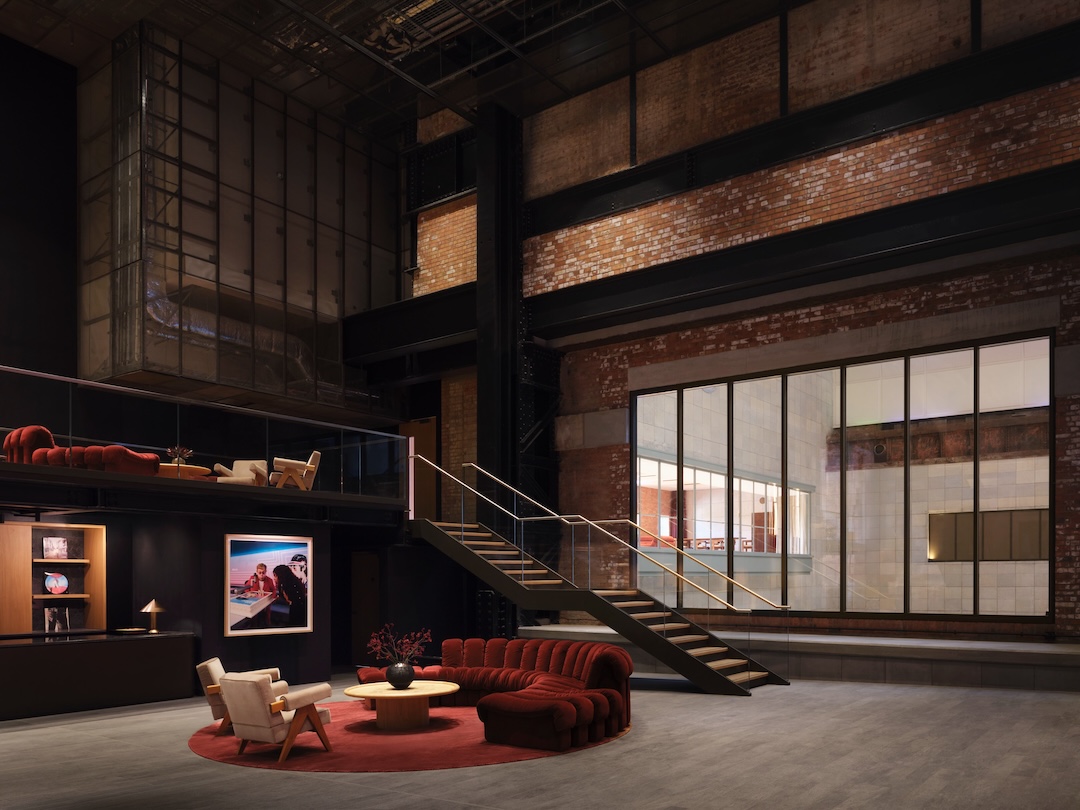
The journey to the Apple Music Hall began years ago, as Apple sought to integrate its ecosystem more deeply with the creators who fuel its platforms. The selection of Battersea Power Station—an architectural icon famously immortalized on the cover of Pink Floyd’s Animals—was no accident. By nesting a hyper-modern venue within a structure that represents the industrial history of the UK, Apple is positioning itself as a bridge between the past of artistic performance and the future of immersive technology.
Chronology of Development
- Late 2023: Early reports surface regarding Apple’s interest in expanding its footprint in London’s creative district.
- Early 2024: Architectural plans are submitted, emphasizing the preservation of the Power Station’s facade while retrofitting the interior for modern acoustic demands.
- Mid-2025: Construction on the internal infrastructure reaches its peak, with specialized teams arriving to install the proprietary spatial audio arrays.
- September 2026: Final testing of the broadcast and streaming integration concludes.
- September 28, 2026: Official opening of the Apple Music Hall.
Architectural and Technical Specifications
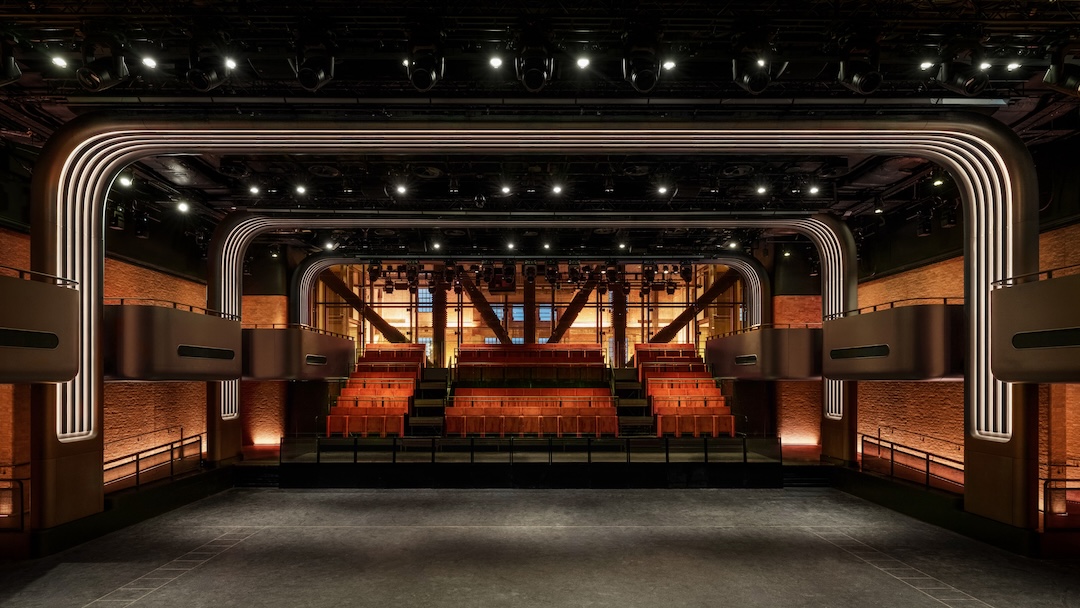
At its core, the Apple Music Hall is designed to be the most technologically advanced venue of its size in the world. The main room, which holds 600 guests, is a masterclass in acoustic flexibility.
The Spatial Audio Array
The centerpiece of the auditorium is a sophisticated 48-speaker spatial audio system. Unlike traditional stereo setups that rely on left-right panning, this system utilizes advanced object-based audio processing. This allows sound engineers to position audio elements anywhere in a 3D space, providing an immersive experience for both in-the-round and traditional proscenium-style configurations.
Visual Capture and Broadcast Integration
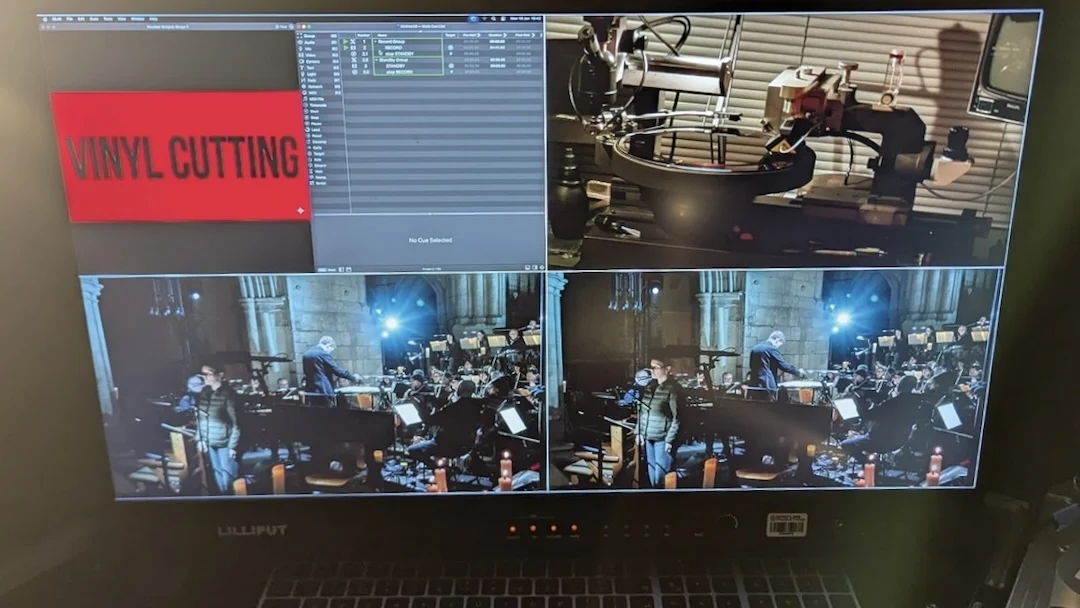
Recognizing that the modern concert experience is as much about digital consumption as it is about live attendance, the venue is "born-digital." It is hard-wired for 16 high-definition cameras, blending professional broadcast cinema equipment with Apple’s own iPhone-based video capture technologies. This hybrid setup feeds directly into an on-site, dedicated broadcast control room, allowing for seamless, high-quality live streaming to the Apple Music and Apple TV+ platforms.
Production Facilities
Beyond the stage, the venue functions as a massive creative hub. It includes two dedicated recording and mixing studios that are interconnected with the main stage. Every performance held at the hall can be multitracked in real-time, allowing artists to record, mix, and master live performances in spatial audio without the need for post-production re-takes.
Expanding the Apple Music Radio Ecosystem
The Apple Music Hall is not merely a concert venue; it serves as a new headquarters for Apple Music Radio. As part of the expansion, the company has integrated new, high-spec radio broadcast studios directly into the Battersea facility. All of the platform’s radio programming will now originate from this location, placing hosts in the same building where the music they feature is being performed and recorded. This consolidation is intended to foster a tighter feedback loop between radio personality, artist, and audience.
Industry Implications: The "Apple-fication" of Live Music
The opening of this venue has sent ripples through the music industry. By controlling the entire pipeline—from the artist’s microphone to the stage’s spatial audio system, to the recording desk, and finally to the consumer’s ears—Apple is creating an "end-to-end" experience that is difficult for competitors to replicate.
The Shift in Creative Agency
Traditionally, live music venues have operated as landlords, renting space to promoters and artists. Apple’s model is different. By providing the recording, mixing, and broadcasting infrastructure as a service, Apple is making a play for exclusive content. If an artist can walk off the stage and have a spatial audio mix ready for streaming within minutes, the value proposition for that artist to partner with Apple becomes immense.
Impact on the Touring Circuit
For the London music scene, the Apple Music Hall provides a boutique, high-end alternative to the massive stadiums and clubs. Its 600-seat capacity positions it perfectly for intimate residencies, album launches, and experimental sets that require technical precision. However, it also sets a new standard for venue operators. Expect to see increased pressure on smaller venues to upgrade their digital capture capabilities to match the expectations set by this new entrant.
Official Responses and Future Outlook
While Apple has remained characteristically tight-lipped about the specific names on its inaugural calendar, the industry expectation is that the first acts will be "Apple-native" artists—those who have already integrated heavily with the platform’s spatial audio and video features.
In a brief statement, an Apple representative noted:
"The Apple Music Hall is an extension of our commitment to the creative community. We wanted to build a space that respects the history of the location while pushing the boundaries of what is possible in live sound. We aren’t just building a venue; we are building a laboratory for the future of music performance."
What to Expect Next
The venue has launched a mailing list on its website, promising that the first wave of bookings will be announced in the coming weeks. Industry analysts predict a focus on "experience-based" events—performances that utilize the venue’s unique spatial audio capabilities to create "one-off" shows that cannot be replicated at home or in other traditional venues.
A New Era of Vertical Integration
The Apple Music Hall is a bold, expensive, and technically ambitious project. It represents the logical conclusion of Apple’s broader strategy: if you own the device, the software, the distribution, and the venue, you own the relationship with the listener.
By rooting itself in London—a global nexus for music production—Apple is signaling that its interest in the entertainment industry is not merely about managing content, but about being the primary engine of its creation. As the doors open at Battersea this September, the music world will be watching closely to see if this high-tech experiment transforms the way we experience music, or if it remains a gilded, exclusive sandbox for the Apple ecosystem.
For the listener, the promise is simple: a clearer, more immersive, and more immediate connection to their favorite artists. For the industry, the reality is a new, formidable competitor that is redefining what it means to be a "venue" in the 21st century.