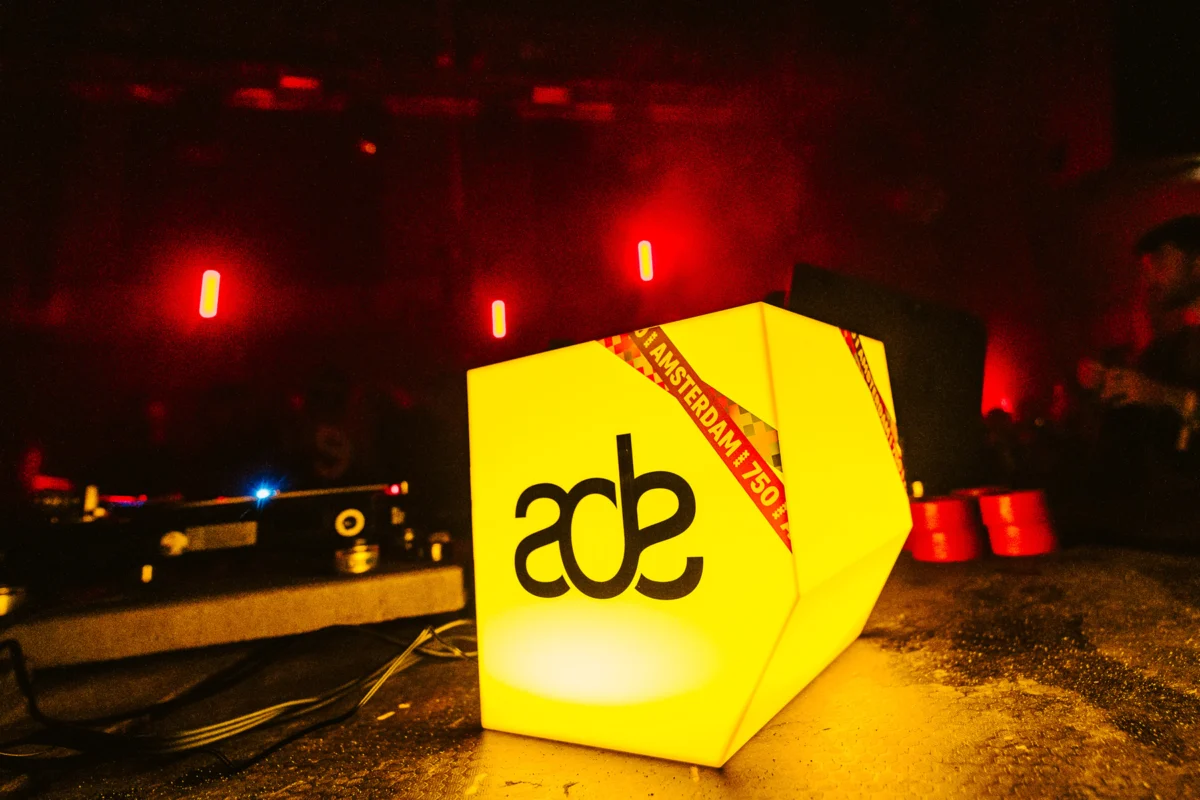
The global electronic music industry is turning its gaze toward the canals of the Netherlands this October, as the Amsterdam Dance Event (ADE) prepares to celebrate its landmark 30th anniversary. Scheduled for October 21–24, 2026, this year’s gathering is poised to be more than just a festival; it is a monumental milestone for an organization that has grown from a modest industry meeting into the heartbeat of the global dance music economy.
The Evolution of a Global Phenomenon
When the Amsterdam Dance Event first opened its doors in 1996, the landscape of electronic music was vastly different. It was a time when dance music was often relegated to the underground, a burgeoning subculture finding its footing in the post-rave era. Over the past three decades, ADE has mirrored the explosive growth of the genre itself. It has evolved into a massive, multi-faceted ecosystem that functions as the central nervous system for DJs, producers, label executives, tech innovators, and fans.
As the 30th edition approaches, organizers are signaling that this year’s program will be the most comprehensive in the event’s history. By blending high-level industry discourse with the sensory overload of world-class nightlife, ADE has managed to maintain its relevance, serving as the definitive barometer for the health and direction of the electronic music industry.
Chronology: From 1996 to the 30th Anniversary
To understand the weight of the 2026 edition, one must look back at the trajectory of the event. In the late 90s, the focus was largely on establishing connections between Dutch promoters and international talent. Throughout the 2000s, as EDM (Electronic Dance Music) began its ascent toward global commercial dominance, ADE expanded its footprint, incorporating the "ADE Pro" conference, which formalized the exchange of business strategies, legal insights, and technological advancements.
The 2010s saw the event solidify its status as a pilgrimage site. Every October, the population of Amsterdam swells as industry professionals and fans from over 100 countries converge on the city. By the 2020s, the event shifted its focus toward sustainability, mental health, and the rapid integration of artificial intelligence, proving that the event could pivot alongside the challenges of a volatile digital era. The 2026 anniversary is being positioned as a "homecoming" of sorts—a moment to reflect on 30 years of history while aggressively mapping out the next decade of musical innovation.
The Pro Conference: Navigating the Future of Music
The backbone of the 30th anniversary is the ADE Pro conference, an intensive series of panels and networking opportunities designed for those shaping the industry. This year, the attendee list reads like a "who’s who" of the music business, with representatives from Spotify, AEG Rocky Mountains, Helix, Sony, Monstercat, Believe, Beatport, and The Orchard leading discussions on the current state of the global market.
Key Program Highlights
- The AI Frontier: A major focus of the 2026 agenda is the intersection of technology and creativity. Google DeepMind is slated to deliver a landmark presentation on the future of music in the AI era. This will be complemented by a high-profile artist roundtable featuring industry veterans like Boys Noize, BT, Dave Clarke, Mathame, and Portrait XO, who will debate the ethical and creative implications of machine learning in production.
- Artist Development: In an era where viral hits often eclipse long-term career growth, Believe founder and CEO Denis Ladegaillerie will offer insights into sustainable artist development. This theme will be further explored by manager Troy Carter, who brings his experience in managing next-generation talent to the table.
- Independent Growth: SoundCloud is spearheading a deep dive into the strategies behind breaking independent talent in a saturated streaming environment, a vital topic for the modern music entrepreneur.
- Reflecting on Three Decades: A special tribute to the history of ADE will feature a series of retrospective panels. Current Managing Director Jan-Willem van de Ven will join figures from the event’s past to discuss the structural shifts they have witnessed over the last 30 years, providing a historical context to the current state of the industry.
Supporting Data and The Economic Impact
The influence of ADE is not merely cultural; it is a significant economic engine. While specific fiscal data for 2026 is yet to be realized, previous editions have consistently contributed tens of millions of euros to the Amsterdam local economy. The sheer volume of participants—1,500 DJs and producers, alongside thousands of delegates—creates a unique economic microcosm.
The ticketing infrastructure, which includes the Pro Pass, has become a hot commodity. To encourage participation, organizers have partnered with Billboard Pro to offer a 15% discount for subscribers using the code ADE26-BILLBOARD15. This reflects the event’s commitment to accessibility for professionals, ensuring that the next generation of industry leaders has a seat at the table.

The Nightlife: A Cultural Explosion
While the conference panels dominate the daylight hours, the nightlife remains the lifeblood of the event. ADE 2026 will feature an exhaustive array of festivals, club nights, and showcase events that permeate every corner of Amsterdam.
This year’s lineup includes some of the most respected names in electronic music, such as Eric Prydz, Jean-Michel Jarre, Âme, Mochakk, Miss Monique, and Armin van Buuren. The diversity of the lineup—ranging from the melodic techno of Âme to the arena-filling trance of Van Buuren—illustrates the vast spectrum of sound that ADE represents. For fans, these performances offer a rare opportunity to witness legendary acts in intimate settings, far removed from the constraints of traditional stadium tours.
Implications: The Road Ahead
What does the 30th anniversary imply for the future of dance music? The focus on AI, independent development, and legacy preservation suggests an industry at a crossroads. As we move further into the late 2020s, the industry is grappling with how to maintain the "human touch" in a world increasingly dominated by algorithms.
By dedicating space to these complex issues, ADE is doing more than just facilitating parties; it is providing a platform for the industry to police itself and set standards for the future. The presence of major labels and publishers alongside tech giants suggests that the lines between traditional music business and Silicon Valley are blurring. For the attendees of the 2026 edition, the implications are clear: those who do not adapt to the technological and structural shifts discussed in the conference rooms risk being left behind in the rapidly changing soundscape.
Official Responses and Industry Sentiment
Industry sentiment heading into the anniversary is one of both celebration and intense scrutiny. Managing Director Jan-Willem van de Ven has emphasized that the 30th year is as much about the future as it is about the past. "We are looking at how far we have come," organizers have hinted, "but the real work begins on the Tuesday after the event ends."
The collaborative spirit of the program, which bridges the gap between independent creators and global conglomerates, is seen as a necessary survival mechanism. In a volatile market, the ability for these disparate groups to meet in a neutral, creative environment like Amsterdam is the primary reason for ADE’s longevity.
Conclusion
As Amsterdam prepares to host the world’s largest dance music gathering once again, the significance of the 30th anniversary cannot be overstated. Whether it is through the technical discourse of the Pro conference or the communal euphoria of the midnight sets, ADE remains the essential pilgrimage for anyone involved in the electronic music industry.
As the industry enters its fourth decade of organized, large-scale cooperation in Amsterdam, the 2026 edition stands as a testament to the resilience of dance music. It is a sector that has survived global shifts, technological disruptions, and economic downturns, only to emerge stronger and more unified. From October 21 to 24, the eyes of the world will be on the Dutch capital, waiting to see what the next 30 years of electronic music will sound like.