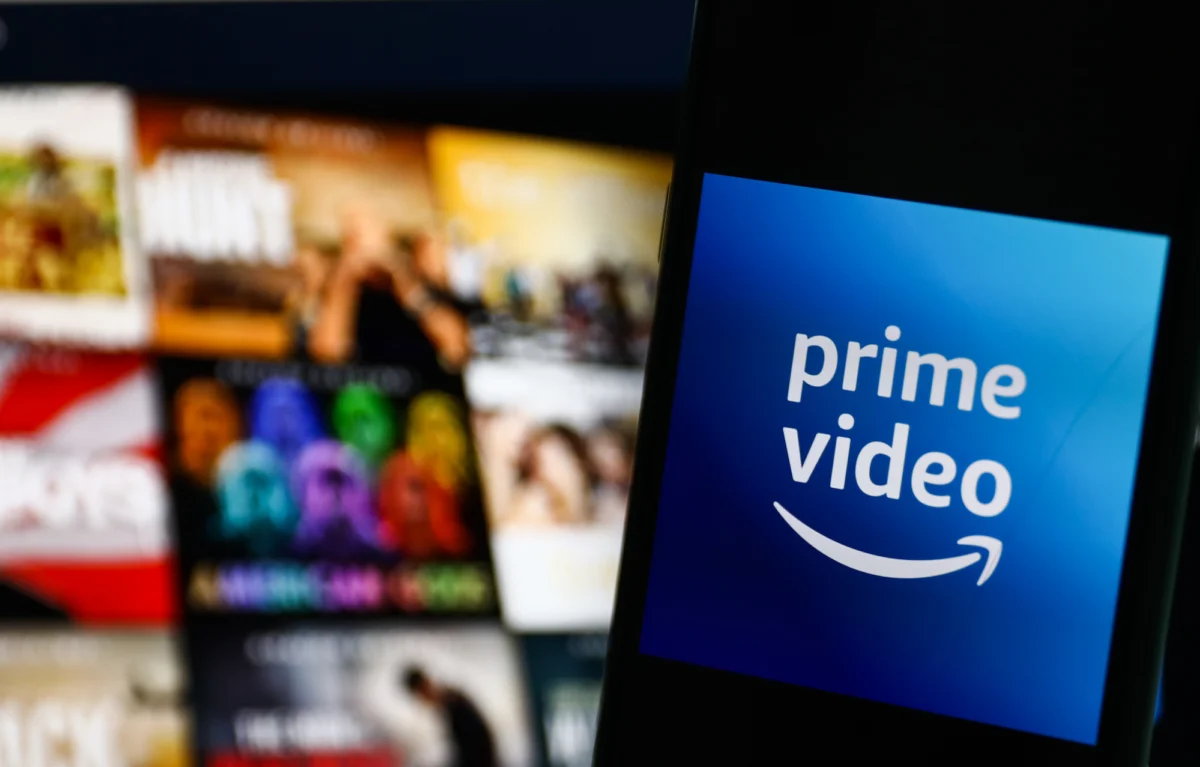
In a significant evolution of its streaming strategy, Amazon Prime Video announced on Monday that it is aggressively expanding its news footprint by integrating short-form, on-demand video clips into its platform. By introducing "Trending Topics" and "Local News" carousels, Amazon is signaling a departure from the traditional long-form streaming model, positioning itself to compete directly with the social media giants that have become the primary news sources for the digital-native generation.
This strategic shift, currently rolling out on living room devices and televisions, will soon extend to web browsers and mobile applications. While Amazon’s news offering was already accessible to U.S. viewers regardless of their Prime subscription status, this new injection of digestible, snackable content suggests a broader ambition: to transform Prime Video from a destination for movies and series into a comprehensive information hub.
The Chronology of a Streaming Pivot
The move to integrate short-form content did not happen in a vacuum. It follows a year of rapid experimentation across the streaming landscape.
- Early 2026: The industry began to shift its gaze toward the "social-first" consumption patterns popularized by TikTok. In March 2026, Peacock became an early mover, integrating AI-driven, mobile-first short-form sports and news clips into its interface.
- Summer 2026: The trend accelerated into a full-blown industry imperative. In July, Netflix announced a series of publisher deals with entities like Variety, integrating shorter video content to maintain user engagement. Simultaneously, HBO Max launched a dedicated "shorts" feed, signaling a transition toward vertical, swipeable video interfaces.
- August 2026: Disney+ joined the fray, leveraging partnerships with prominent TikTok creators to curate fan-centric, short-form content. This move highlighted the necessity for legacy media to court the creators who have already captured the attention of Gen Z.
- October 2026: Amazon Prime Video officially enters the arena, moving beyond its existing library of long-form news providers to include native short-form clips. This deployment is the latest in a series of steps by major platforms to adapt their UI/UX to mimic the addictive, high-velocity nature of social media feeds.
Supporting Data: Why the Shift Matters
The motivation behind this industry-wide pivot is rooted in shifting demographics and consumer behavior. According to data from Pew Research, the way news is consumed has undergone a seismic shift. For Gen Z, platforms like TikTok, Instagram, and YouTube Shorts have effectively supplanted traditional cable news and long-form broadcasts.
The Appeal of the "Unproduced"
The data suggests that length is not the only variable; it is the presentation. Gen Z news consumers have expressed a clear preference for content that feels "organic, not over-produced." Traditional news broadcasts, with their polished anchors and scripted transitions, are increasingly viewed as inaccessible or inauthentic by younger audiences.
The social media giants thrive because they offer a "creator-to-consumer" intimacy that traditional media has struggled to replicate. When a creator breaks down a complex geopolitical event in a 60-second, face-to-camera video, it feels conversational. Streaming services like Prime Video are now attempting to bridge this gap, hoping that by curating short-form clips, they can achieve a similar level of "authenticity" without sacrificing the credibility of their journalistic partnerships.
The Mobile-First Paradox
A critical hurdle for Amazon remains the physical format of these clips. As of now, the company has confirmed the clips will be "short-form" on iOS and Android, but it has remained characteristically opaque regarding whether these will be strictly vertical. In the social media ecosystem, vertical video is the industry standard—a design choice that forces the viewer into a singular, immersive focus. If Amazon fails to adopt a native mobile interface for these clips, it risks appearing as a "second-rate" experience compared to the seamless scroll of TikTok.
Implications: Can Amazon Compete with the Social Giants?
The implications of Amazon’s move are twofold: it represents a defensive play to retain attention and an offensive play to capture the advertising revenue currently flowing into social apps.
The Challenge of the "Social Destination"
Amazon is in a unique, albeit difficult, position. Unlike TikTok or Instagram, Prime Video is not, and has never been, a social destination. It is a utility—a place where one goes to watch a specific title. By inserting a "News" feed, Amazon is attempting to induce "discovery-based" viewing habits—the act of opening an app with no specific goal other than to "see what’s happening."
This is a tall order. TikTok’s algorithm is arguably the most sophisticated discovery engine in the world, built on a feedback loop of likes, shares, and watch-time. Amazon’s recommendation engine, while excellent at predicting purchasing behavior, has historically struggled to emulate the "stickiness" of social media. To succeed, Amazon will need to ensure that its short-form news feed is as intuitive and addictive as the social apps it hopes to disrupt.
The Future of News Distribution
This move also signals the continued decline of the "appointment viewing" model for news. As viewers increasingly look for entertainment in short, digestible bursts, the traditional half-hour nightly news format is becoming an outlier. By meeting viewers "where they are"—which is now often in the moments between other activities—Amazon is effectively acknowledging that in the digital age, news must compete for the same precious seconds of attention as a viral dance challenge or a gaming clip.
The Role of Trust and Editorial Independence
One of the most complex issues surrounding this shift is the maintenance of journalistic integrity. As platforms move toward AI-driven feeds and short-form curation, the risk of misinformation increases. Unlike TikTok, which has faced intense scrutiny over its algorithmic curation of news, Amazon has long-standing partnerships with major, established news providers.
The company maintains that these partnerships are the bedrock of their offering. By focusing on "trending topics" from vetted, professional newsrooms, Amazon is attempting to offer a "curated" alternative to the "wild west" of social media news. The implication is that a user can get the speed of a TikTok-style feed with the credibility of established journalism. Whether the audience will prioritize this credibility over the high-octane engagement of social platforms remains the defining question of the next fiscal year.
Conclusion: A New Era for Prime Video
Amazon’s integration of short-form news clips is a clear signal that the era of the "siloed" streaming service is ending. In the coming years, we can expect the lines between social media, news aggregation, and long-form entertainment to blur further.
For Amazon, the success of this initiative will depend on its ability to transcend its identity as a transactional platform and become a destination for daily engagement. If they can successfully implement a user experience that mimics the organic, fast-paced nature of Gen Z’s favorite apps while maintaining the journalistic standards of their professional partners, they may well carve out a unique space in the digital news ecosystem.
However, the competition is fierce. With HBO Max, Netflix, and Disney+ all racing to capture the same audience, the "short-form" war is only just beginning. For the viewer, this means an unprecedented variety of ways to consume information—but it also raises questions about how we, as a society, will digest the news in a world where the lines between entertainment and reporting are increasingly erased.
As Amazon continues to roll out these updates, the industry will be watching closely to see if the retail and tech giant can truly "TikTok-ify" its service without losing the soul of the premium content that made Prime Video a household name in the first place. The pivot is ambitious, the timing is critical, and the stakes—for both Amazon’s engagement metrics and the future of digital news—could not be higher.