SAUGERTIES, NY — On October 18, 2026, the quiet, creative enclave of Saugerties, New York, will become the epicenter of music production history. Applehead Recording, the esteemed studio facility known for its commitment to sonic excellence, will host an intimate, exclusive evening featuring two of the most influential figures in the evolution of modern recording: Grammy-winning producer and engineer Robert Margouleff and world-renowned studio architect John Storyk.
The event, which is strictly limited to 50 attendees, promises an unprecedented deep dive into the technical and creative milestones that defined the late 20th century’s most iconic records. The evening centers on the release of Margouleff’s highly anticipated memoir, Shaping Sounds: Stevie Wonder, DEVO, The Synth Revolution and My Life Behind the Music.
Main Facts: An Unprecedented Gathering of Icons
The gathering will be moderated by Joe Schick, a veteran of the music industry and former manager of the legendary Bearsville Studios. The session is designed as a masterclass in history, blending personal anecdotes from the golden age of analog production with technical insights into the design of the spaces that housed them.
Attendees will experience a rare, multi-sensory presentation that includes:
- Archival Visuals: A curated exhibition of rare photographs from Margouleff’s personal collection, many of which have never been published.
- High-Fidelity Playback: Audiences will hear master tracks of seminal recordings, including Stevie Wonder’s masterpieces and the genre-bending sound of DEVO’s "Whip It," played through Applehead Recording’s pristine, high-end monitoring system.
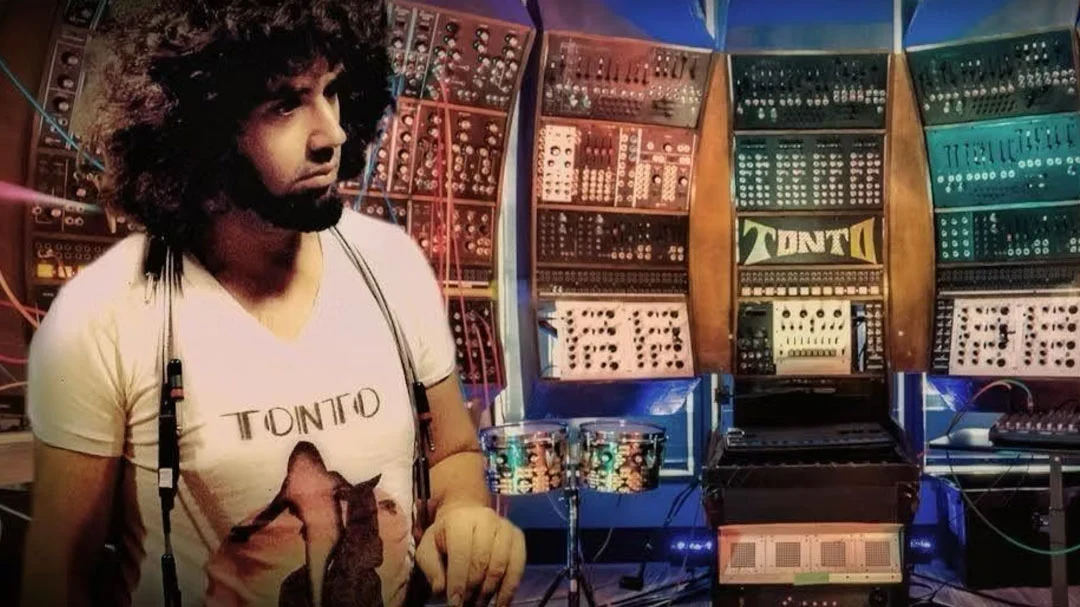
- The TONTO Legacy: A detailed examination of The Original New Timbral Orchestra (TONTO), the world’s first and largest multitimbral polyphonic analog synthesizer, which fundamentally changed how popular music was produced.
Chronology: A Half-Century of Innovation
To understand the weight of this event, one must look at the timeline of the partnership between Margouleff and Storyk, which spans over 55 years of recording history.
The 1970s: The Synth Revolution and Electric Lady
In the early 1970s, the intersection of technology and art was at its most volatile and exciting point. Robert Margouleff, alongside his creative partner Malcolm Cecil, utilized TONTO to reshape the sound of Motown. This period saw the creation of Stevie Wonder’s "classic period" albums—Music of My Mind, Talking Book, Innervisions, and Fulfillingness’ First Finale.
Simultaneously, John Storyk was solidifying his reputation as the premier studio architect. Having cut his teeth by designing the legendary Electric Lady Studios for Jimi Hendrix, Storyk was tasked with creating environments that could accommodate the massive physical footprint and complex power requirements of systems like TONTO. Their collaboration ensured that these technological marvels were not just experimental tools, but viable, high-fidelity instruments for hit-making.
The 1980s: Pushing Boundaries with DEVO
As the music industry pivoted toward New Wave and electronic textures, Margouleff was instrumental in the production of DEVO. His work on their seminal tracks, such as "Whip It," proved that the experimental synthesis of the 70s could translate to massive pop success. This era marked a transition where the recording studio itself became an instrument—a philosophy both Margouleff and Storyk have championed throughout their careers.
2026: Reflecting on the Craft
The upcoming event serves as a bookend to these decades of labor. With the publication of Shaping Sounds, Margouleff is codifying the oral history of an era that is often misunderstood by modern digital-native producers. By holding the event at Applehead Recording, the organizers are placing the history of these giants in a contemporary, working studio context, bridging the gap between analog heritage and modern production needs.
Supporting Data: The Impact of TONTO and Studio Design
The technical legacy of the duo is quantifiable. TONTO remains the largest analog synthesizer in the world, consisting of modules from Moog, ARP, Roland, Yamaha, and EMS. Its presence in the studio changed the standard for what a "keyboardist" could achieve, turning a single player into a one-person orchestra.
Furthermore, the design principles championed by John Storyk—specifically his focus on variable acoustics and psychoacoustics—have become the global industry standard. According to data from the Walters-Storyk Design Group (WSDG), the firm has completed over 3,500 projects worldwide. The collaboration between Margouleff and Storyk represents a symbiotic relationship between the producer’s ear (which demands a certain sonic response) and the architect’s skill (which builds the room to facilitate that response).
Official Perspectives: The Philosophy of Sound
In recent discussions surrounding the book launch, Margouleff has emphasized that the "Shaping of Sounds" was not just about the equipment, but about the human intent behind the faders.
"We were never just pressing buttons," Margouleff noted in a pre-event statement. "We were building architectures of sound that didn’t exist before. John [Storyk] understood that better than anyone—he built the houses that allowed our musical ghosts to live and breathe."
John Storyk, reflecting on the upcoming event, remarked: "It is rare that we get to sit down and actually dissect the ‘why’ behind the ‘how.’ Applehead is a space that respects the history of the signal path. Bringing the story of TONTO into a room that honors the tradition of the studio is a privilege."
Joe Schick, who will guide the conversation, noted that the Q&A segment will be the heart of the night. "The goal is to move beyond the nostalgia and talk about the ‘lost arts’ of signal flow, spatial recording, and the psychological impact of working in a truly world-class, purpose-built space."
Implications: The Future of Analog Heritage
Why does this event matter in 2026, an era dominated by AI-generated audio and cloud-based production? The implications are profound.
Preserving the "Human Factor"
As music production becomes increasingly automated, the industry is witnessing a "retro-modern" surge. Producers are returning to physical hardware, seeking the unpredictable, organic warmth that defined the work of Margouleff and his contemporaries. By documenting these techniques, the event serves as an essential repository of knowledge for the next generation of engineers who seek to master the nuance of physical sound.
The Role of the "Destination Studio"
Applehead Recording’s hosting of this event underscores the continued relevance of the destination studio. In an era where a "studio" can be a laptop in a bedroom, the importance of high-end, acoustically treated, and intentionally designed environments—like those Storyk specializes in—remains a differentiator for artists looking to create timeless, high-fidelity work.
Networking and Community
The limit of 50 attendees is not merely for space; it is designed to foster a community of high-level professionals and students. By gathering the "keepers of the flame," the event ensures that the technical philosophies of the 1970s and 80s are transferred to a new, eager audience.
Event Details and Final Logistics
For those interested in attending, the event is set for October 18, 2026, at Applehead Recording in Saugerties, NY.
- Doors Open: 4:00 p.m.
- Presentation Start: 5:00 p.m.
- Access: Tickets are available via RSVP on a first-come, first-served basis. Due to the extremely limited capacity of 50, interested parties are encouraged to register immediately.
- Audience Participation: The organizers have confirmed that the final portion of the event will be dedicated to an open Q&A, allowing attendees to interact directly with the legends who shaped the sound of modern music.
As the industry continues to navigate the complexities of digital transformation, evenings like this at Applehead serve as a vital reminder: technology changes, but the principles of sonic storytelling remain constant. Robert Margouleff and John Storyk are not just sharing their past; they are providing a blueprint for the future of audio production.