Main Facts: Innovation Meets Affordability in the Single Dynamic Driver Market
The global audiophile landscape is continuously saturated with multi-driver hybrid in-ear monitors (IEMs), yet the purist appeal of a well-engineered single dynamic driver (DD) remains unmatched for tonal cohesion. Enter the ARIA Ear Azuri, an affordable single 10mm lithium-magnesium dynamic driver IEM priced at $135.00.
Developed by ARIA Ear—a boutique audio manufacturer hailing from Vietnam—the Azuri introduces advanced acoustic engineering techniques typically reserved for flagship-tier flagships. At its core, the Azuri utilizes a metal-composite lithium-magnesium diaphragm, which fuses the structural rigidity of magnesium with the high internal damping properties of lithium. This combination successfully mitigates the metallic timbre often associated with rigid metal drivers, yielding an organic and natural sound profile.

Priced competitively in the sub-$150 bracket, the Azuri competes directly with established budget titans from brands like FiiO, TinHiFi, and Kiwi Ears. However, ARIA Ear distinguishes its offering through proprietary acoustic implementations, including dual Helmholtz resonance chambers, a specialized "Ribbon Waveguide System," and a durable metal damping system designed to maintain sonic integrity over years of use regardless of environmental moisture.
Chronology: From Southeast Asian Inspiration to Critical Evaluation
The narrative behind the ARIA Ear Azuri is as culturally rich as it is technologically intriguing. The development and subsequent review cycle span several distinct phases of conceptualization, engineering execution, and rigorous acoustic testing:

- Design & Acoustic Prototyping: ARIA Ear engineers spent months tuning the 10mm lithium-magnesium driver, utilizing dual Helmholtz resonance chambers specifically engineered to flatten unwanted acoustic peaks between 5 kHz and 6.2 kHz.
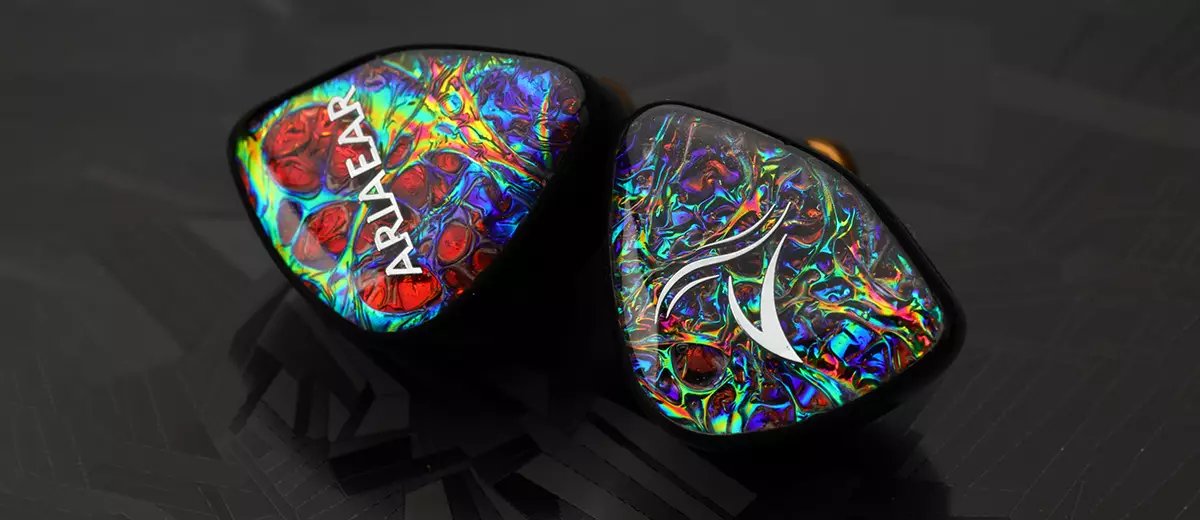
- Manufacturing and Shell Production: Moving away from standard industry practices that rely on fragile paper or cloth dampening materials—which degrade when exposed to ear moisture—ARIA Ear implemented a robust metal damping system to control high-frequency resonance. The 3D-printed resin shell was paired with a visually striking, universe-inspired multi-colored faceplate.
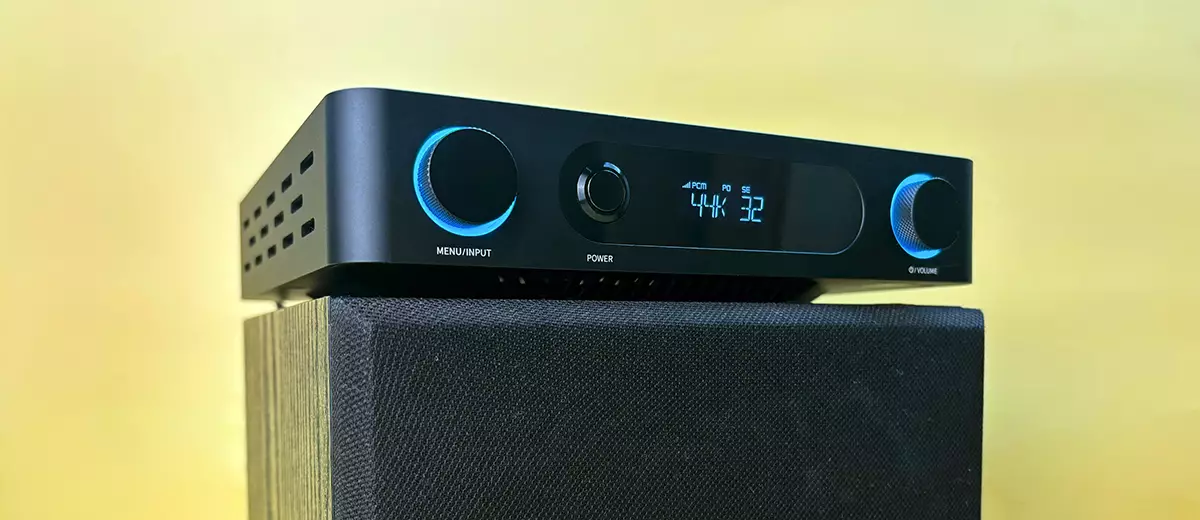
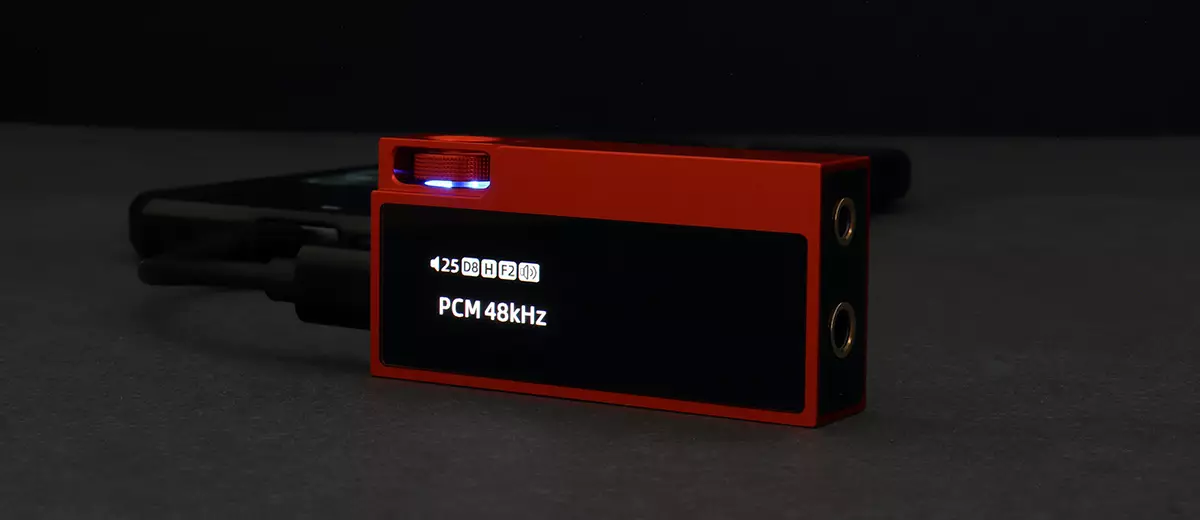
- The Review and Evaluation Phase: Reviewer Marcelo put the Azuri through its paces, conducting a standard 24-hour driver burn-in period. Testing utilized high-end source gear, including the iBasso DC-Elite and MUSE HiFi M6 Double DAC/amps, alongside the FiiO M15S digital audio player (DAP). Playback sources ranged from local high-resolution files via UAPP and PowerAmp to streaming platforms like YouTube Music.
- Formal Release and Market Introduction: The Azuri officially launched on the company’s direct-to-consumer web platform at $135, immediately drawing attention from portable audio enthusiasts seeking a near-neutral, mildly V-shaped acoustic signature.
Supporting Data: Technical Specifications and Acoustic Performance
Acoustic measurements and extended listening sessions reveal an exceptionally well-calibrated device. The Azuri boasts an impedance of 16 ohms and a sensitivity rating of 106 dB/mW at 1 kHz, making it remarkably efficient and easily driven by standard smartphones, dongle DACs, and high-end DAPs alike.
Frequency Response and Channel Matching
Frequency response measurements indicate a near-perfect channel-matched set, highlighting stringent quality control during manufacturing. The target curve exhibits:

- A robust 10 dB sub-bass boost that delivers deep, authoritative low-end impact without bleeding into the lower mids.
- A moderately narrow pinna gain compensation peak at 2.5 kHz, contributing to a mild-to-moderately V-shaped profile.
- Gentle treble decay as frequencies ascend past the upper midrange, free of harshness or artificial sibilance.
Soundstage, Imaging, and Dynamics
Due to the absence of frequency manipulation typically used to artificially bloat soundscapes, the Azuri presents a soundstage defined by accurate proportions. Width, height, and depth exist in balanced equilibrium, delivering a holographic imaging presentation. Separation and layering remain pristine even through complex musical passages. Furthermore, the driver exhibits immense dynamic headroom; testing at maximum comfortable listening thresholds (roughly 65% volume on the iBasso DC-Elite) produced zero audible distortion, underscoring the effectiveness of the back-labyrinth waveguide system.
Build Quality, Accessories, and Ergonomics
The physical unboxing experience matches the acoustic pedigree. The Azuri ships in a substantial, sleeved black presentation box complete with:

- The Azuri IEM earpieces featuring recessed 0.78mm 2-pin connectors and a secure lip-secured metal nozzle.
- A supple, high-purity 6N OCC copper stock cable terminated in a 3.5mm single-ended plug.
- Six pairs of specialized silicone ear tips accompanied by a dedicated tip storage case.
- A premium leather hard carrying case and a branded microfiber cleaning cloth.
The lightweight 3D-printed resin chassis ensures long-term ergonomic comfort during extended listening sessions, while offering balanced passive noise isolation that effectively mutes ambient city noise once music playback begins.
Official Responses and Industry Reception
While ARIA Ear is a relatively young brand on the global stage compared to legacy giants, early reception from independent reviewers and early adopters has been overwhelmingly positive. The Azuri currently holds a stellar user and reviewer rating (averaging 8.4/10 across tracking platforms), praised primarily for its versatility across multiple music genres.

Industry analysts note that independent audio houses in Southeast Asia are increasingly disrupting traditional manufacturing hubs by focusing on proprietary acoustic tuning rather than generic OEM shells. ARIA Ear’s transparent approach—relying on independent reviews with zero affiliate-link monetization—has further cemented its credibility among audiophile communities who value uncompromised, objective assessments.
Implications: What the Azuri Means for the Sub-$150 IEM Market
The introduction of the ARIA Ear Azuri carries significant implications for the portable audio market, particularly within the fiercely contested sub-$150 price category:

- Redefining Single Dynamic Driver Capabilities: For years, multi-driver hybrid configurations (combining dynamic drivers with balanced armatures or planar magnetic drivers) dominated discussions of technical performance. The Azuri proves that a meticulously tuned single dynamic driver can achieve equivalent—and often superior—timbral naturalness and phase coherence without crossover distortion.
- Durability and Longevity Innovations: By replacing moisture-vulnerable paper and cloth dampening filters with advanced metal damping systems, ARIA Ear sets a new durability standard for budget-friendly IEMs. This engineering choice directly addresses common consumer pain points regarding channel imbalance caused by sweat and humidity over time.
- Broadening Geographic Horizons in High-End Audio: Traditionally dominated by Chinese, Japanese, and Western manufacturers, the high-performance IEM market is demonstrating true globalization. The success of Vietnamese-engineered products like the Azuri paves the way for regional boutique brands to capture international market share through pure acoustic merit and innovative design philosophies.
Ultimately, the ARIA Ear Azuri transcends its status as a mere budget alternative. It stands as a masterclass in acoustic design, offering discerning listeners a musically engaging, transparent, and technically accomplished window into their favorite recordings without requiring a multi-thousand-dollar investment.