This article is a reproduction of a feature originally authored by Rush Paul for Positive Feedback. We extend our sincere gratitude to both the author and the editorial team at Positive Feedback for their permission to share this exploration of high-resolution audio excellence.
In the world of high-fidelity audio, the sheer volume of new releases can often be overwhelming. Yet, every so often, a collection of albums emerges that does more than just fill the digital airwaves; these are recordings that command attention, provoke thought, and—most importantly—make the heart sing. Over the past few weeks, I have immersed myself in eight remarkable new releases available on NativeDSD. These albums represent a cross-section of classical rediscovery, contemporary chamber music, and jazz improvisation, all captured with the sonic transparency that audiophiles crave.
The Rediscovery of Santiago de Masarnau
Unearthing Spanish Romanticism
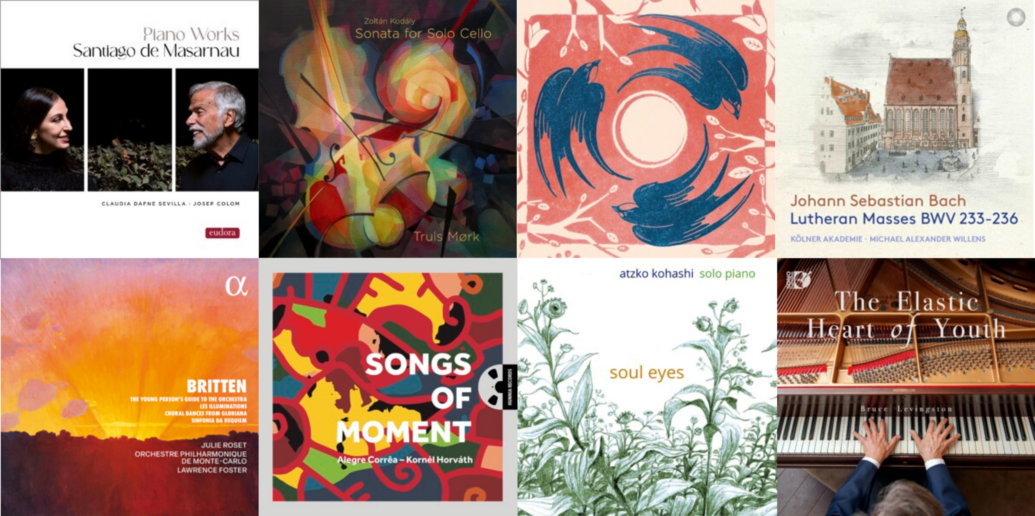
The three-volume set of Santiago de Masarnau: Piano Works (Eudora Records, 2026) is a landmark release. Masarnau (1805–1882) remains a shadow in the history of nineteenth-century Spanish music, yet he was a pivotal figure in transmitting European Romanticism to the Iberian Peninsula. It is nothing short of a musical miracle that these world-premiere recordings exist; the quality of the composition suggests a voice that has been unfairly neglected for nearly two centuries.
Artistic Perspectives and Historical Context
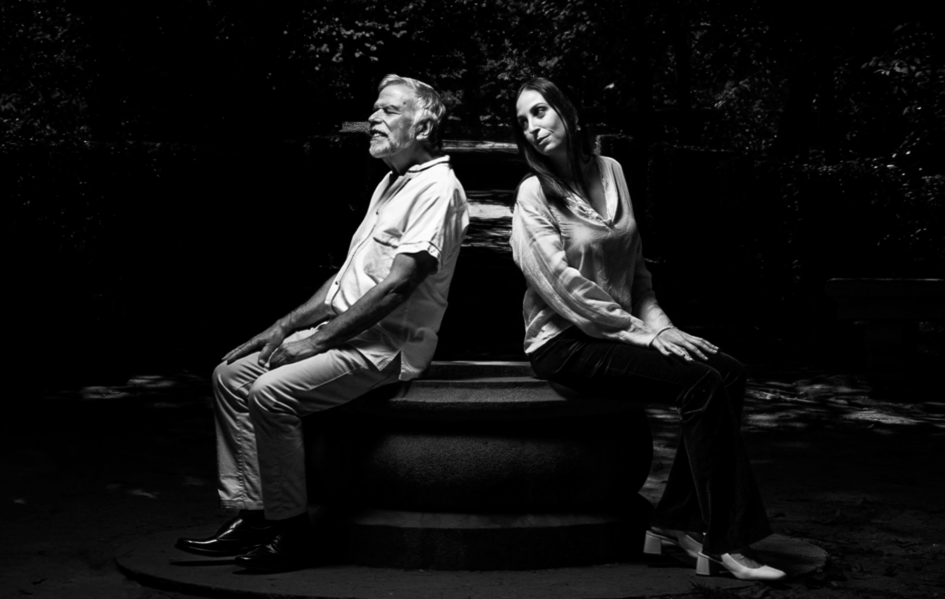
Pianist Josep Colom is joined by Claudia Dafne Sevilla, an artist who brings both technical brilliance and deep musicological insight to the project. As Sevilla notes in the liner notes, Masarnau’s influence was cemented not just by his compositions, but by his rigorous music criticism in the journal El Artista. His aesthetic favored restraint—a departure from the theatrical excess often found in the works of his contemporaries like Liszt. Instead, Masarnau leaned into the inward-looking, lyrical pianism associated with Field and Hummel.
Sonic Craftsmanship
Recorded by Gonzalo Noqué at the Auditorio de Zaragoza, this Pure DSD256 release is a masterclass in acoustic documentation. The 1957 Steinway Model D is rendered with startling naturalness. Noqué’s philosophy—a holistic approach prioritizing microphone placement and venue acoustics over technical artifice—results in a recording that feels unforced and remarkably transparent.
The Monumental Architecture of Kodály
Truls Mørk’s Definitive Account
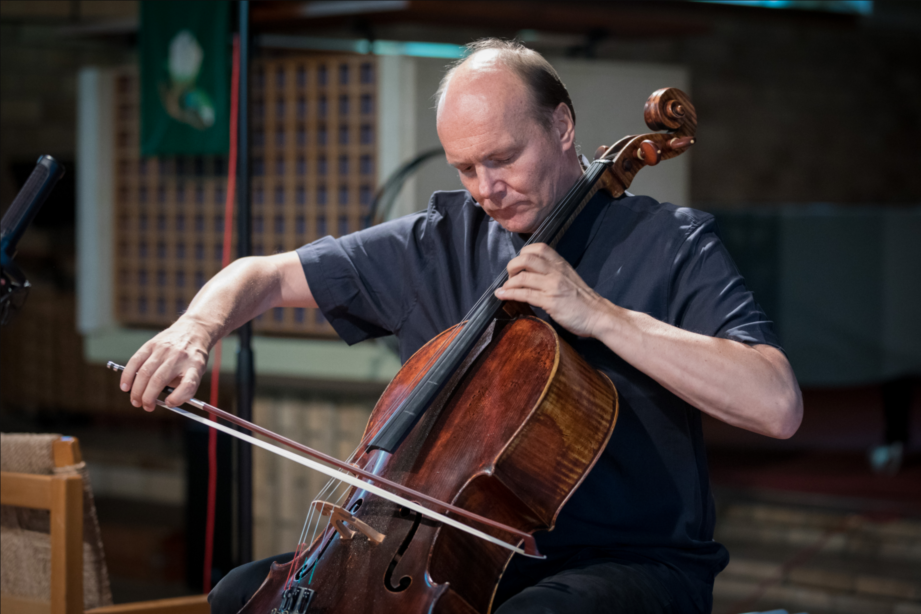
Kodály’s Sonata in B Minor for Solo Cello, Op. 8 is widely considered the most significant work for the instrument since the suites of J.S. Bach. In this 2016 recording (2L), cellist Truls Mørk delivers a performance that transcends mere virtuosity.
Mørk treats the work as a dramatic narrative. Through the use of scordatura (non-standard tuning), he pulls a dark, orchestral resonance from the cello. Whether navigating the fierce double-stops or the haunting, ghostly harmonics, Mørk maintains a narrative thread that feels inevitable. The 2L production, captured by Morten Lindberg, provides a three-dimensional soundscape where the listener can hear the tactile interaction between bow hair and string, decaying into the natural bloom of the Jar Church acoustic.
Reimagining Folk Idioms: The Agathe Ensemble
Bridging the Gap Between Romanticism and Root
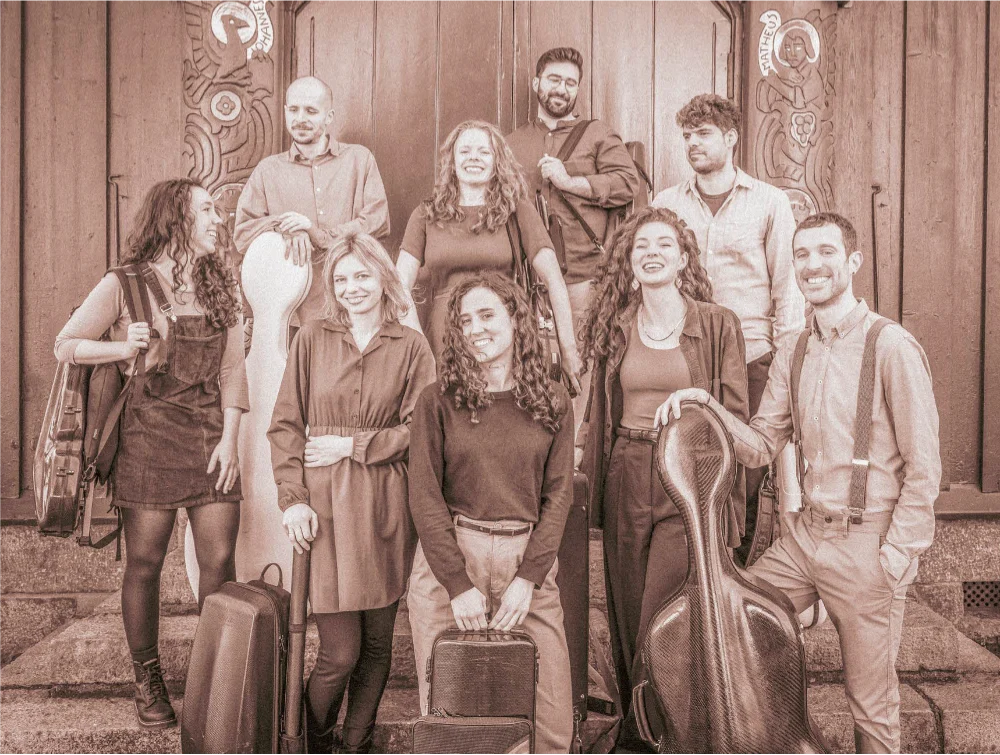
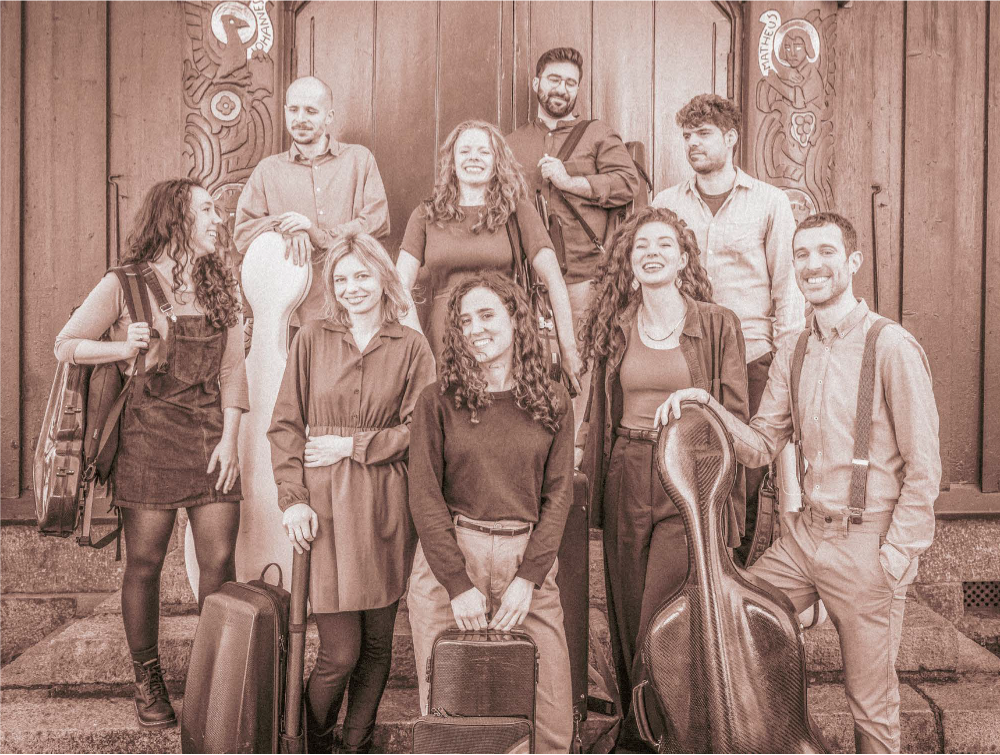
Scenes of a Folk Life (Cobra Records, 2026) offers a refreshing departure from standard repertoire. The Agathe Ensemble takes works by Julius Röntgen, Amanda Maier, and Edvard Grieg—composers who often "polished" folk material to fit classical structures—and strips away the late-Romantic embellishments.
By rearranging these pieces for varied string combinations, the ensemble recovers the rhythmic vitality and "dance impulse" of the original folk tunes. The variety of instrumentation, shifting from duos to septets, keeps the listener engaged while providing a constantly evolving timbral palette.
Bach’s Lutheran Masses: A Study in Reduction
Liturgical Intent and Musical Genius
The Lutheran Masses (BWV 233-236) by the Kölner Akademie (Pentatone, 2026) serve as a reminder that Bach’s genius often lay in his ability to reimagine and transform his own work. While some listeners may be unfamiliar with the concept of a "Lutheran Mass," these Missae breves—consisting only of the Kyrie and Gloria—are deeply moving.
These are not the grandiose structures of the Mass in B Minor; they are distilled, focused expressions of devotion. The Kölner Akademie provides a light, agile reading that highlights the contrapuntal clarity of the writing. While the recording is limited to 96kHz PCM, the quality of the performance remains a highlight of this season.
Reflections on Vitality: Bruce Levingston
A Meditative Journey
Pianist Bruce Levingston’s The Elastic Heart of Youth (Sono Luminus, 2026) is a curated meditation on the cycles of life. The program is an eclectic mix, ranging from the quiet stillness of Sibelius to the volatile grief of Janáček and the luminous clarity of Debussy.
The inclusion of Missy Mazzoli’s The Elastic Heart of Youth adds a vital contemporary anchor to the album. Levingston’s performance is marked by an exquisite control of dynamics, and the Sono Luminus studio—a converted church—provides the perfect acoustic environment to capture the harmonic bloom of his Steinway.
Trans-Atlantic Collaboration: Alegre Corrêa and Kornél Horváth
The Alchemy of Difference
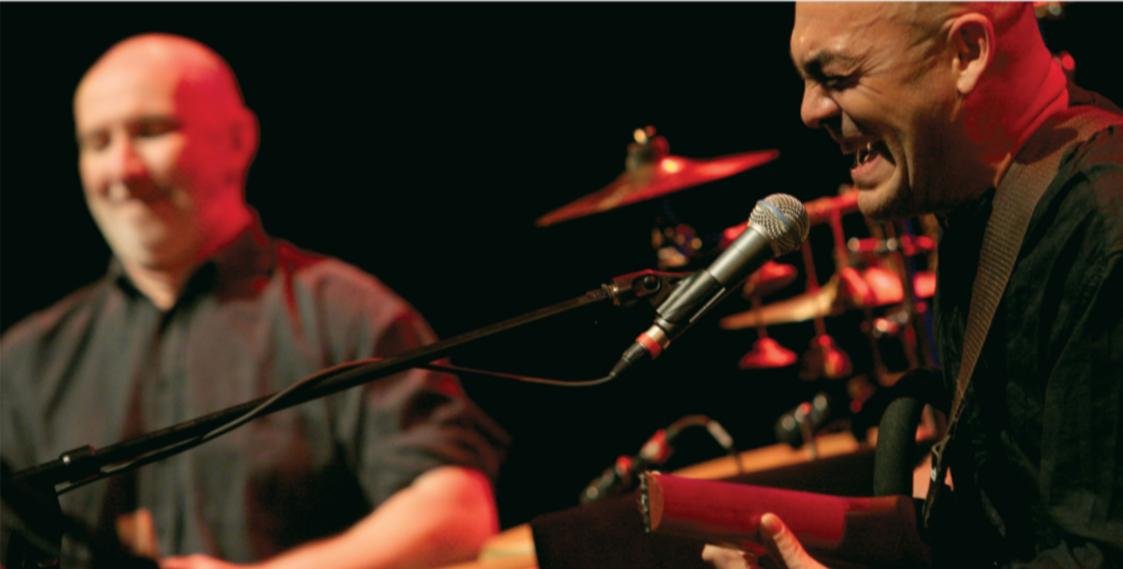
Twenty years after its initial release, Songs of Moment has been remastered by Hunnia Records in DSD256. This collaboration between Brazilian guitarist Alegre Corrêa and Hungarian percussionist Kornél Horváth is, quite simply, "wild."
By blending Brazilian folk rhythms with European sensibilities and American jazz improvisation, the duo creates a sound that defies simple categorization. The remastering process, utilizing an analog Studer 962 console, preserves the raw energy of the original sessions while adding a level of dynamic clarity that feels thoroughly modern.
Jazz at Its Most Direct: Atzko Kohashi
The Philosophy of "Letting It Be"
Atzko Kohashi’s Soul Eyes (Sound Liaison, 2026) is a testament to the power of patience. Recorded in 2014 and only now seeing the light of day, the album captures a solo piano performance that feels like a conversation.
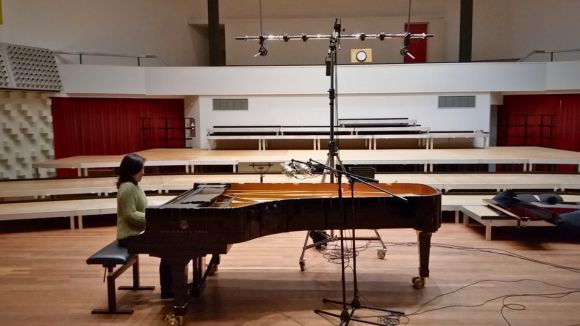
Engineer Frans de Rond utilized a Decca Tree setup with the piano lid removed, allowing the instrument to breathe as if it were an orchestra. By eschewing multiple takes and technical adjustments, the production team allowed Kohashi to find a "flow state." The result is a recording of startling honesty—a rare, unvarnished look at a musician in the act of discovery.
The Refinement of Britten: Lawrence Foster
Challenging Conventions
The final entry in this list, Britten: Young Person’s Guide to the Orchestra (Alpha Classics, 2026), conducted by Lawrence Foster, proves that even well-trodden repertoire can feel new. Foster approaches Britten with a lighter, more transparent touch, avoiding the "Edwardian grandeur" often associated with British interpretations.
The Orchestre Philharmonique de Monte-Carlo provides a leaner sound that allows for exceptional clarity. In a work designed to isolate and demonstrate orchestral color, this analytical approach is a revelation. Even those hesitant about Britten’s music may find themselves converted by the wry humor and precision of this performance.
Conclusion: Implications for the Audiophile
These eight releases underscore a broader trend in the high-resolution music market: a move toward "holistic" recording practices. Whether it is the acoustic architecture of the Jar Church in the 2L release or the "Decca Tree" approach used by Sound Liaison, modern labels are increasingly prioritizing the natural space and the unforced performance over digital manipulation.
For the listener, this means a more immersive experience. We are not just hearing notes; we are hearing the physical presence of the instruments and the intent of the performers. As these recent finds demonstrate, when technology serves the music rather than the other way around, the results are nothing short of transformative. These albums are not just additions to a collection; they are invitations to listen more deeply, to understand the history behind the scores, and to appreciate the fragile, beautiful process of capturing a performance in time.