In an industry often obsessed with massive infrastructure, sprawling corporate rosters, and the cold metrics of algorithmic dominance, True Panther Records stands as a defiant outlier. Operating out of New York City with a core staff of just four people, the label has managed to punch significantly above its weight class, culminating in its recent crowning as the 2026 Libera Award winner for Label of the Year (five or fewer employees).
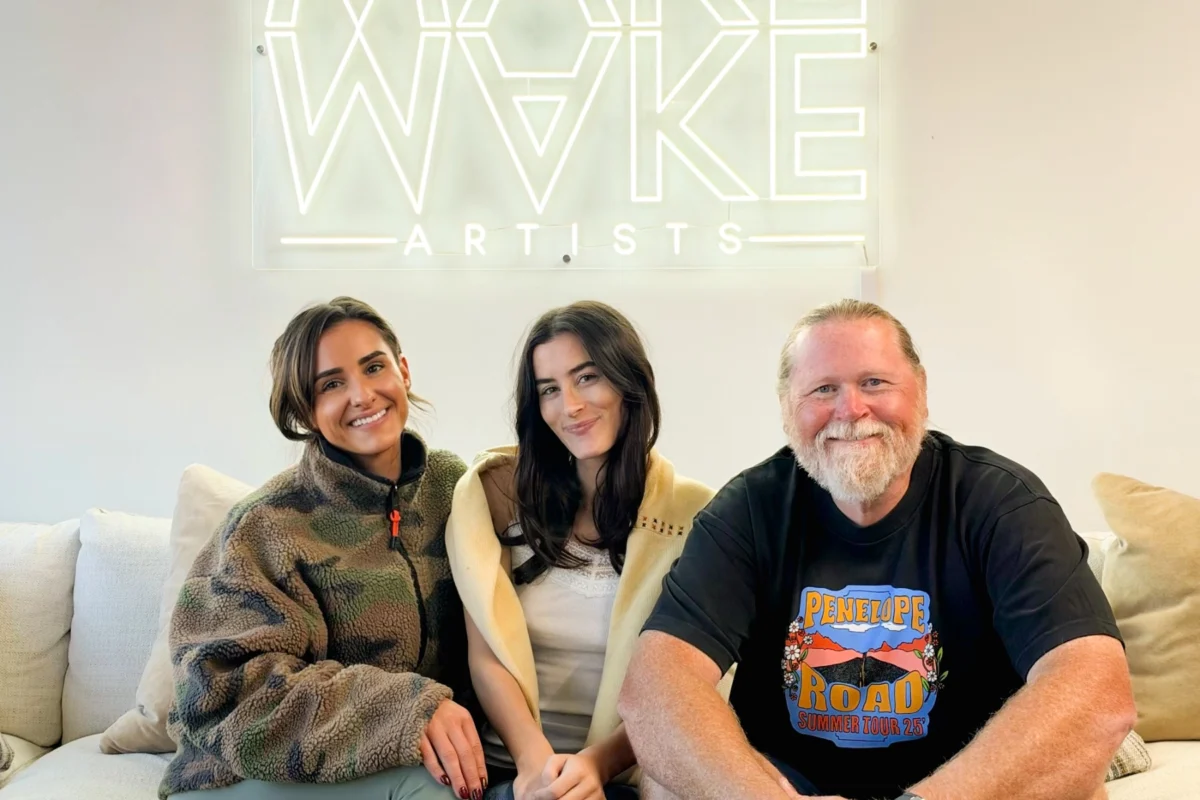
For founder and CEO Dean Bein, marketing head Jonah Kolik, A&R lead Isabel Levin, and label manager Kelley Lin, the secret to success isn’t found in vast resources or bloated departments. Instead, it is rooted in a hyper-focused, "all-hands-on-deck" philosophy that prioritizes artist intimacy, strategic agility, and a refusal to gamble on projects that don’t provide clear, measurable value.
The Evolution of an Indie Powerhouse: A Chronological Journey
True Panther’s history is a testament to the fluid nature of modern independent music. Founded in 2007 by Dean Bein in San Francisco, the label began with humble origins: it was designed as a creative incubator for Bein’s own punk band and the work of his immediate circle of friends.
The label’s trajectory shifted in 2008 when it was acquired by the prestigious Matador Records, a division of the Beggars Group. This eight-year tenure provided True Panther with the foundational stability and industry muscle necessary to navigate the complexities of the global music business. However, as the industry shifted toward a more fragmented, digital-first landscape, the team recognized that the next phase of their evolution required a return to autonomy.
"The move happened before my time, but from what I’ve been told, it was a very peaceful transition," notes Kelley Lin, the label’s manager. "Matador/Beggars was an incredible era for our label, but in order to really expand on the vision and company, we eventually found a new partnership with Virgin Music. That move gave us more ownership, independence in our choices, and the resources to go bigger in scale while maintaining our identity."

By moving to a partnership model with Virgin, True Panther successfully balanced the creative freedom of an indie startup with the distribution and administrative horsepower of a global major. This "best of both worlds" approach has allowed them to scale without losing the personal touch that defines their artist relations.
Supporting Data: A Winning Roster and 2026 Milestones
The efficacy of True Panther’s model is best evidenced by its 2026 output. The label’s current roster reads like a "who’s who" of critical darlings and avant-garde innovators. From the electronic textures of Oklou and the high-energy output of Frost Children to the visceral rock of Model/Actriz and the thoughtful compositions of Elori Saxl & Henry Solomon, the label’s sonic palette is as diverse as it is cohesive.
The success of these projects is not merely anecdotal; it is quantified by the 2026 Libera Awards. Held in New York on June 8, the ceremony saw True Panther dominate:
- Label of the Year (5 or fewer employees): True Panther Records
- Best Electronic Record: Oklou, choke enough
- Best Pop Record: Oklou, choke enough
- Best Remix: Oklou
- Music Video of the Year: Oklou
- Best Heavy Record: Model/Actriz, Pirouette
These accolades are the direct result of a calculated release strategy. According to Lin, the 2025 releases—Oklou’s choke enough, Model/Actriz’s Pirouette, and Frost Children’s SISTER—were treated as high-priority "breakout" projects. By focusing on artists who had already built a foundation of grassroots support, the label was able to leverage that existing momentum into global festival appearances at Coachella, Primavera Sound, and Club to Club, alongside high-profile media spots like NPR’s Tiny Desk.
The Anatomy of a Four-Person Team: Roles and Responsibilities
When asked how a team of four navigates the workload that typically consumes entire departments, Lin highlights a culture of fluidity. While each member has a defined title, the reality is a constant cross-pollination of tasks.

The Team Breakdown:
- Dean Bein (Founder/CEO/A&R): The visionary and veteran of the team. Bein is credited with deep institutional knowledge and an uncanny ability to identify talent that fits the "left-of-center" aesthetic that defines the label.
- Kelley Lin (Label Manager): The operational heartbeat. Lin manages projects on both a micro and macro level—balancing budgets, overseeing physical production, and managing pitch campaigns. She describes her role with characteristic humility: "I jokingly call myself a combined intern and COO."
- Jonah Kolik (Marketing): A digital native with an expert grasp on online trends. Having come from industry peers like Mexican Summer and Bayonet Records, Kolik bridges the gap between the label’s heritage and the hyper-fast world of social media marketing.
- Isabel Levin (A&R): The scout and architect of the label’s taste. Beyond identifying emerging talent, Levin brings essential technical experience in tour production and video creation, allowing the label to offer artists comprehensive support that goes beyond traditional A&R duties.
Official Perspectives: The Philosophy of "Beating the DIY Allegations"
The "True Panther Ethos" is an evolving creature. As Isabel Levin famously puts it, the team is constantly working to "beat the DIY allegations." This means aiming for a level of professionalism, marketing reach, and creative quality that feels expansive and industry-standard, all while maintaining the "slightly weird" or "left-of-center" integrity that initially drew them to their artists.
"We constantly ask ourselves, ‘How do we add value?’" says Lin. "If we can’t add value, then we probably shouldn’t be involved. If we don’t know how exactly to add value, then it starts to feel too much like gambling, and ultimately we care too much and are too small a label to gamble."
This risk-averse, value-add approach is the reason artists are drawn to them. In an era where artists often feel like small cogs in a massive corporate machine, True Panther provides a high-touch environment. Every artist on the roster has direct access to every member of the team, from the CEO down to the marketing head. This level of communication ensures that every "win," no matter how small, is celebrated, and every problem is brainstormed collectively.
Implications: The Future of Small-Scale Success
The success of True Panther Records carries significant implications for the future of the independent music sector. It challenges the conventional wisdom that growth necessitates bureaucracy. By remaining small, the label maintains a "lean and mean" efficiency that allows them to pivot faster than their competitors and maintain deeper, more authentic relationships with their talent.
Looking toward the remainder of 2026, the label shows no signs of slowing down. With the successful releases of Elori Saxl & Henry Solomon’s Seeing Is Forgetting, Quiet Light’s Blue Angel Sparkling Silver 2, and Grace Ives’ Girlfriend, the label has proven that their development process is sustainable.

"It’s been really nice to surprise people with unexpected releases, and to also hear people say when someone fits perfectly into the True Panther roster," Lin explains. "This year has been a great year for us in terms of developing newer artists from earlier stages in their careers."
As the label prepares to announce a series of new, highly anticipated signings, the industry remains a spectator to their growth. True Panther’s trajectory suggests a compelling model for the future: one where music is made with absolute integrity, artists are supported by a sincere and dedicated team, and scale is viewed not as a goal, but as a byproduct of doing things right.
As Lin succinctly puts it, "Anything scaled properly can be a success. Music made with integrity, artists with a sincere vision, and the small committed teams who support them will always find a way." For True Panther, that way is clearly illuminated, proving that in the digital age, being small is not a limitation—it is a competitive advantage.