Introduction: A New Era of Sonic Excellence
In the rapidly evolving landscape of professional audio, the physical recording environment remains the cornerstone of creative expression. Despite the rise of "in-the-box" production, the year 2026 has witnessed a remarkable resurgence in high-end studio construction and refurbishment. This phenomenon, curated annually by Mix magazine in its "Class Of" series, highlights a global trend where architectural acoustics, immersive audio integration, and historical reverence converge.
The "Class of 2026" represents more than just a list of new facilities; it serves as a roadmap for the future of the industry. From the redwood forests of Northern California to the bustling corporate headquarters of Beijing, these studios demonstrate that the demand for precision-tuned environments is stronger than ever. This year’s selection features groundbreaking work from the world’s most renowned studio designers, including WSDG, Yanchar Design, and Sonic-Space, showcasing a diverse array of workspaces tailored for composers, engineers, and multimedia creators.
Main Facts: The Four Pillars of the 2026 Class
The latest installment of the "Class of 2026" focuses on four standout facilities, each representing a different philosophy in modern studio design.
1. Little Sur Studios (Monterey Bay, California)
Conceived as the ultimate artist retreat, Little Sur Studios is a masterclass in "destination" recording. Located on 70 acres of secluded redwood forest, the facility was designed by Carl Yanchar (Yanchar Design and Consulting) in collaboration with Jonathan Deans of Wavespace. The studio’s primary objective is to provide a sanctuary where the environment informs the creative process.
2. Embassy Studios (Midtown Manhattan, New York)
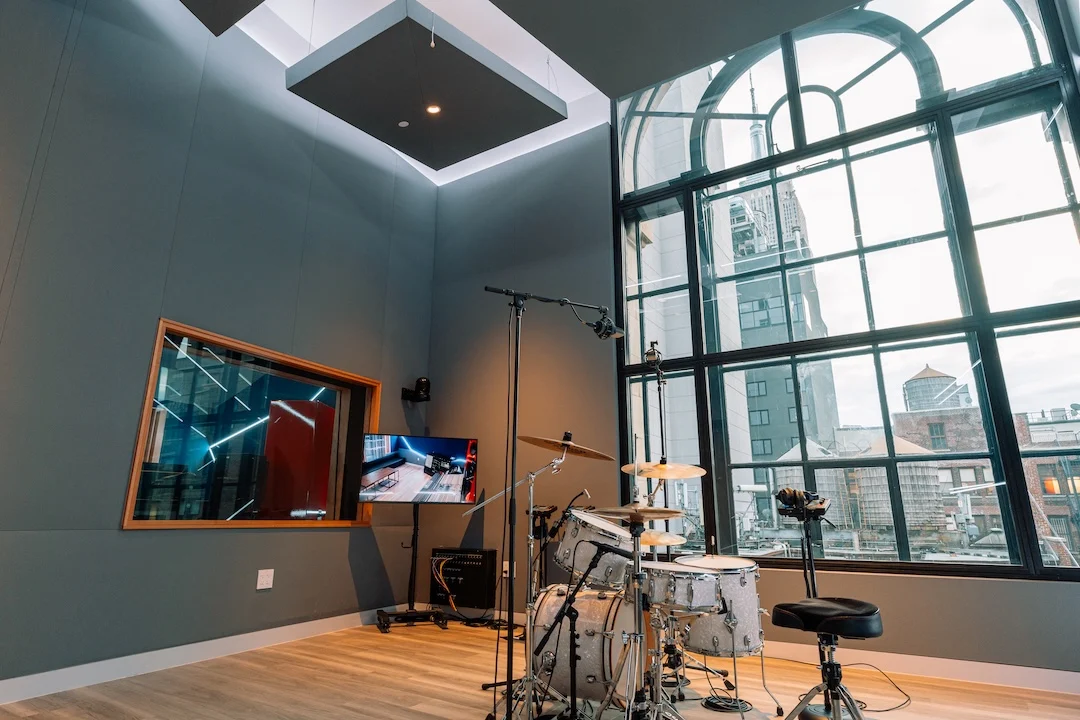
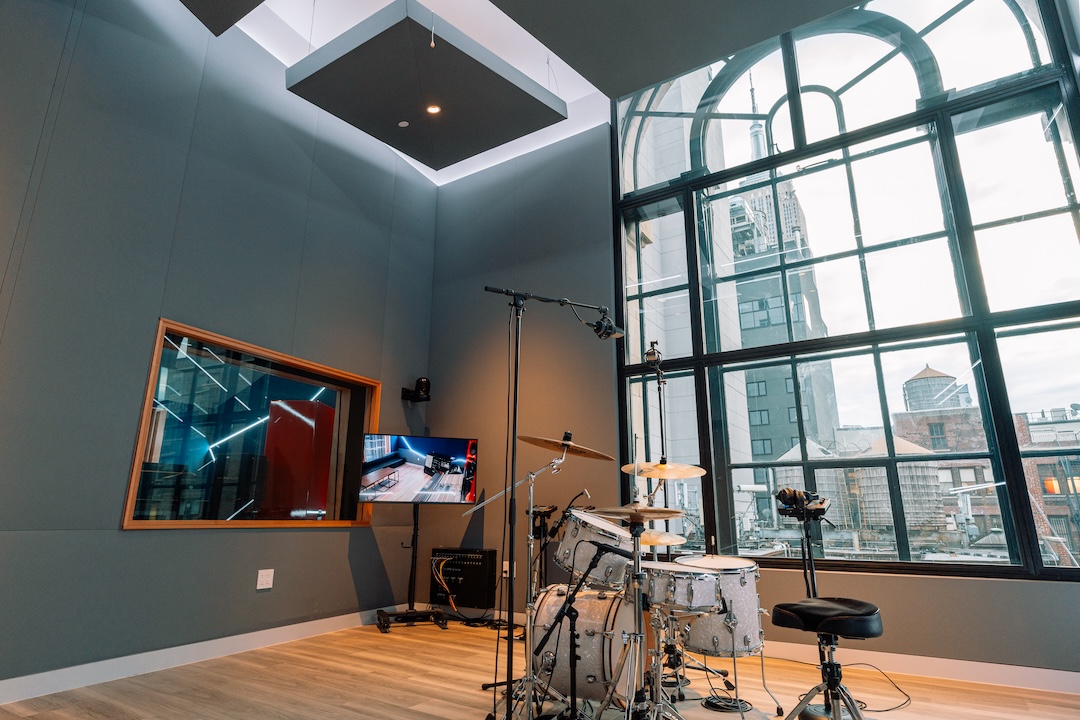
Situated in the historic Engineering Building, Embassy Studios brings high-concept production back to the heart of New York City. Unlike the retreat model of Little Sur, Embassy is designed as a high-traffic, full-service creative hub. It balances the grandeur of Midtown architecture—featuring 20-foot ceilings—with the cutting-edge requirements of a facility-wide Dante network.

3. Hujing Digital Media & Entertainment Group Studios (Beijing, China)
Commissioned by Alibaba for its YOUKU and Damai Entertainment divisions, this complex is a testament to the scaling of media production in Asia. Designed by the Walters-Storyk Design Group (WSDG) under the leadership of Silvia Molho, the facility is a massive multi-room complex built specifically for the demands of modern streaming, ADR, and immersive post-production.
4. Wingbeats Recording Studio (Brewster, Massachusetts)
Wingbeats represents the pinnacle of East Coast scoring facilities. Designed by Lou Clark of Sonic-Space, this studio focuses on large-scale tracking and sophisticated networking. With a 2,200-square-foot scoring stage and a fully integrated AES67 network, it bridges the gap between traditional orchestral recording and modern digital workflows.
Chronology: From Blueprint to Grand Opening
The journey of the "Class of 2026" began in the post-pandemic era of 2024, as the industry recalibrated its needs for hybrid workflows and immersive formats.
- Mid-2024 – Early 2025: Conceptualization and site selection. For Little Sur, this involved securing a 70-acre tract of land that offered both acoustic isolation and aesthetic inspiration. For Embassy, it meant a painstaking renovation of a historic Midtown space.
- Late 2025: The "Gear Hunt." A defining characteristic of the 2026 class is the blend of vintage and modern. Little Sur notably acquired rare Focusrite ISA110 modules and vintage 1176 compressors with direct lineage to John Lennon’s Ascot Sound Studios.
- March 2026: Little Sur Studios officially opens its doors, setting a new standard for boutique artist retreats.
- April – May 2026: Final commissioning of the Hujing complex in Beijing and Wingbeats in Massachusetts. This period saw the calibration of complex Dolby Atmos systems and the stress-testing of facility-wide AoIP (Audio over IP) networks.
- June 2026: Mix magazine publishes the official "Class of 2026" report, cementing these facilities’ status as the premier recording environments of the year.
Supporting Data: Technical Specifications and Infrastructure
The "Class of 2026" is defined by its commitment to high-resolution audio and immersive monitoring. Below is a breakdown of the technical benchmarks set by these facilities.
Immersive Audio as the Standard
Every studio in this year’s class features a dedicated Dolby Atmos or immersive monitoring environment.

- Little Sur: Features a 9.1.6 Atmos system powered by a soffit-mounted Augspurger Classic 215 system.
- Embassy: Utilizes a 7.1.4 PMC monitor setup in its dedicated Atmos suite.
- Hujing: Employs a variety of immersive setups across four control rooms, including Amphion, Genelec, and Kali Audio 7.1.4 systems.
- Wingbeats: Offers 7.1.4 Atmos monitoring in both Control Room A and B, using Genelec 8341 speakers.
The Hybrid Console Strategy
While digital control is ubiquitous, the 2026 class shows a strong preference for high-end analog front-ends:
- Little Sur: Rupert Neve Designs 5088 (32 channels).
- Embassy: A fleet of SSL consoles, including the Origin, AWS 948, and Matrix2 Deltas.
- Hujing: AMS Neve Genesys Black G4.
- Wingbeats: Neve Genesys G64.
Networking and Connectivity
The transition to networked audio is complete. Embassy Studios utilizes a facility-wide Dante network, while Wingbeats has opted for an AES67 backbone using Merging Technologies conversion and Anubis monitor controllers. This allows for seamless routing of hundreds of audio channels between tracking rooms and control suites with near-zero latency.
Official Responses: Designer Philosophies
The success of these studios is a reflection of the visionaries behind them.
Silvia Molho (WSDG), lead designer for the Hujing project, emphasized the importance of visual and acoustic harmony. She noted that for the Alibaba project, the goal was to deliver a "complete systems package" that maintained a "warm interior aesthetic" through curved ceilings and natural light, ensuring that the technology never felt sterile or intimidating to the artist.
Lou Clark (Sonic-Space), discussing the Wingbeats facility, highlighted the necessity of sightlines. In a large scoring environment, the ability for the conductor, engineer, and musicians to maintain visual contact is paramount. Clark’s design for the 500-square-foot Control Room A provides expansive views into the 2,200-square-foot stage, a feature he considers essential for high-stakes film scoring.
The Mix Staff editors noted in their introduction that this year’s class was particularly "innovative," focusing on "workspaces for composers, musicians, engineers and producers all around the globe." The inclusion of Steve Harvey’s text underscores a commitment to documenting the specific gear choices that define these spaces.
Implications: The Future of Studio Design
The "Class of 2026" highlights several critical shifts in the professional audio industry that will likely dictate trends for the remainder of the decade.
1. The "Retreat" as a Competitive Advantage
As home recording quality improves, professional commercial studios are leaning into "experience-based" recording. Little Sur Studios proves that artists are willing to travel for an environment that offers both world-class gear (like the Ascot Sound vintage compressors) and a profound connection to nature.
2. Corporate Media Ownership
The Hujing facility in Beijing represents the growing trend of tech giants (like Alibaba) building in-house, world-class production facilities. This suggests that the future of high-end studio design may be increasingly funded by streaming platforms and digital media conglomerates rather than traditional record labels.
3. The Death of the "Stereo-Only" Room
In 2026, a new studio opening without Atmos capability is an anomaly. The standard has moved from 5.1 to 7.1.4 and even 9.1.6. This shift is driving a boom in the monitor market and requiring acoustic designers to rethink low-frequency control, as evidenced by the dual 18-inch Augspurger subs at Little Sur.

4. Integration of Video and Content Creation
Embassy Studios’ inclusion of a versatile multimedia room for podcasts, live streaming, and video sessions signals the end of the "audio-only" studio. Modern facilities must be "content-ready," providing the infrastructure for artists to document their process for social media and marketing while they record.
Conclusion
The Mix "Class of 2026" serves as a powerful reminder that the recording studio is not merely a box full of gear, but a living, breathing instrument. Whether it is the historic echoes of John Lennon’s compressors in a California forest or the ultra-modern Dante networks of a Manhattan skyscraper, these facilities represent the pinnacle of human ingenuity in the pursuit of perfect sound. As we look toward the future, these four studios stand as the standard-bearers for the next generation of music and media creation.