The podcasting industry, once a niche medium for hobbyists, has cemented itself as a cornerstone of modern digital media. From celebrity-led conversational shows to deeply niche, educational deep-dives, the breadth of content available today is unprecedented. This week’s developments in the podcasting sphere reveal a medium that is increasingly aggressive in its pursuit of audience attention, platform loyalty, and cross-media synergy.
Main Facts: A Wave of High-Profile Launches and Migrations
The most significant news this week concerns the strategic migration of high-profile talent and the debut of major new productions.

The industry is seeing a notable trend of "platform hopping"—where established shows move their homes to optimize reach. Most notably, The Adam Friedland Show has announced its departure from the All Things Comedy network, finding a new home on Spotify. This move is not merely a change in distribution; it is accompanied by a creative pivot. The show is launching a mini-series titled The Beautiful Pod within its feed, designed to capture the fervor surrounding the World Cup. By leveraging a high-intensity, time-bound event, the show aims to cement its relevance through real-time, comedic reaction-based content.

Concurrently, Bauer Media Group has launched Judgemental, a high-production-value show featuring the familiar faces of Strictly Come Dancing judges Anton Du Beke and Craig Revel Horwood. The show is positioned as a sophisticated mix of pop-culture commentary and lighthearted debate. It underscores a growing industry preference for established television talent, which brings built-in, loyal audiences to the podcast format.

Other significant shifts include:

- The Louis Theroux Podcast: Returning for a new season with an A-list guest lineup, including Gary Lineker and Mel C.
- Banned Camp: Entering its 11th season, this show has chosen to tackle Margaret Atwood’s The Handmaid’s Tale, tapping into current socio-political discourse surrounding censorship.
Chronology of the Week’s Major Industry Movements
The pace of the podcasting industry is relentless, with new episodes, network shifts, and strategic pivots occurring daily. Below is a timeline of the key developments:

- Monday: The Adam Friedland Show confirms its transition to Spotify, setting the stage for its World Cup coverage.
- Tuesday: Bauer Media Group officially launches Judgemental. The marketing strategy is heavily focused on the chemistry between the two hosts, signaling a shift toward personality-driven "buddy" podcasts.
- Wednesday: Banned Camp launches its 11th season. The choice of subject matter highlights the power of audience participation, as listeners voted on the specific book to be featured.
- Thursday: The Louis Theroux Podcast returns to the charts. The guest strategy for this season—mixing high-profile athletes, musicians, and internet personalities—demonstrates a "broad tent" approach to guest booking.
- Friday: Data updates reveal significant chart movements, particularly in the Australian and Irish markets, showing the global appetite for localized content alongside international juggernauts.
Supporting Data: Chart Performance and Audience Reach
The data reflects a market that is simultaneously dominated by legacy heavyweights and hungry for fresh, niche-specific content.

In the United States, the leaderboard remains consistent, with The Daily holding the top spot on Apple Podcasts and The Joe Rogan Experience maintaining its dominance on Spotify. These shows remain the "gold standard" for the industry, proving that daily, high-frequency content (like The Daily) and long-form, personality-driven conversations (like Rogan) are the two most viable models for mass-market success.

However, the "long tail" of the industry is where the real growth is happening. In Ireland, WoolWork has seen the biggest gain in the "Hobbies" category, while Islampodcasts has secured the highest new entry in the "Judaism" category. These data points suggest that listeners are increasingly using podcasts to deepen their engagement with specific interests, faith, and niche communities.

Furthermore, the prominence of Tara Brach in the UK’s Buddhism category highlights the continued strength of the "wellness and self-help" sector, which has become a permanent, high-engagement pillar of the podcast economy.

Official Responses and Strategic Implications
What do these shifts mean for the future of the medium? The industry is responding to several key pressures:
The Shift Toward "Event" Podcasting
The move by The Adam Friedland Show to create a mini-series around the World Cup is a blueprint for the future. Networks are moving away from the "endless stream" model toward "event-based" content. By creating finite, high-energy seasons that coincide with global events, creators can drive higher engagement and urgency, making their shows easier to market to sponsors.

The Power of "Lo-Fi" Marketing
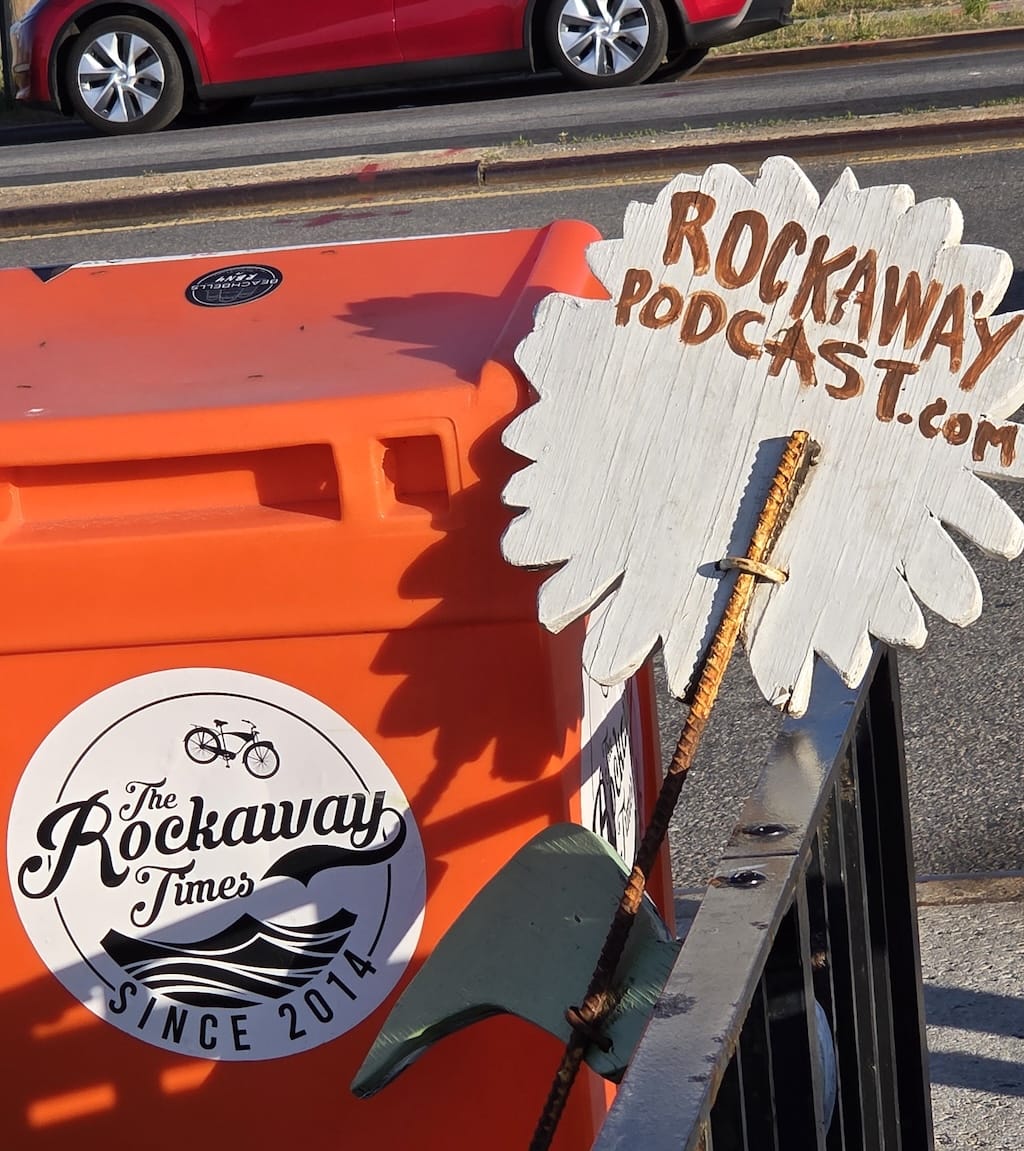
While massive advertising budgets are often discussed, a fascinating case study emerged this week from the Rockaway Podcast. A reader reported seeing a simple, localized advertisement for the podcast placed directly next to a local newspaper vending machine. This "lo-fi" approach—meeting the audience where they physically reside—is a reminder that for local and community-focused podcasts, hyper-local marketing is often more effective than digital saturation.

Nervous System Regulation and Science-Based Content
The launch of Wired Divergent, hosted by Jen deHaan, reflects a massive shift in how the industry handles mental health. Rather than generic "feel good" advice, audiences are demanding specialized, science-backed content. By targeting the neurodivergent community specifically, Wired Divergent illustrates how creators can carve out massive, loyal audiences by addressing the specific, underserved needs of specific demographic groups.

Implications for the Future: A Mature Medium
The podcasting industry has reached a state of maturity that requires a sophisticated understanding of both content and community. The implications for the near future are threefold:

- Talent Acquisition is Paramount: As networks like Spotify and The Ringer continue to fight for exclusivity, the value of high-profile hosts who can bridge the gap between television and audio will continue to skyrocket.
- The Rise of the "Niche Professional": The success of shows like Wired Divergent and Conversations with Stephen Kamugasa suggests that professional, expert-led content is becoming more valuable than amateur commentary. Listeners are looking for hosts who offer specialized knowledge, somatic tools, or unique perspectives on resilience and advocacy.
- Community-Led Curation: The success of Banned Camp—which allows its audience to vote on the content—is a harbinger of a more participatory future. Podcasts that treat their listeners as stakeholders rather than passive consumers will see higher retention rates.
Conclusion: Navigating the Noise
As the barrier to entry for podcasting remains low, the "noise" in the industry continues to rise. Success in this environment is no longer just about having a microphone and an internet connection. It is about strategic placement, understanding the specific desires of a target audience, and leveraging cross-platform synergies. Whether through the lens of a high-stakes World Cup series or the intimate, science-based discussions of neurodivergent lived experiences, the podcasts that thrive in the coming year will be those that offer clarity, community, and a sense of purpose in an increasingly fragmented media landscape.

The industry is no longer in its infancy; it is a professionalized, data-driven, and culturally influential powerhouse. Creators, producers, and platforms that ignore the shift toward these "intentional" and "event-driven" models risk being left behind in the ever-expanding audio library.