The landscape of digital audio is undergoing a profound transformation. As podcasting matures from a niche medium into a dominant pillar of the global media economy, the platforms facilitating this growth—most notably Apple Podcasts—are aggressively redefining the boundaries of the medium. Recent developments have highlighted a concerted effort by Apple to push video-first content across its surfaces, signaling a strategic shift that could fundamentally alter how creators produce content and how audiences consume it.
Main Facts: The Video Pivot
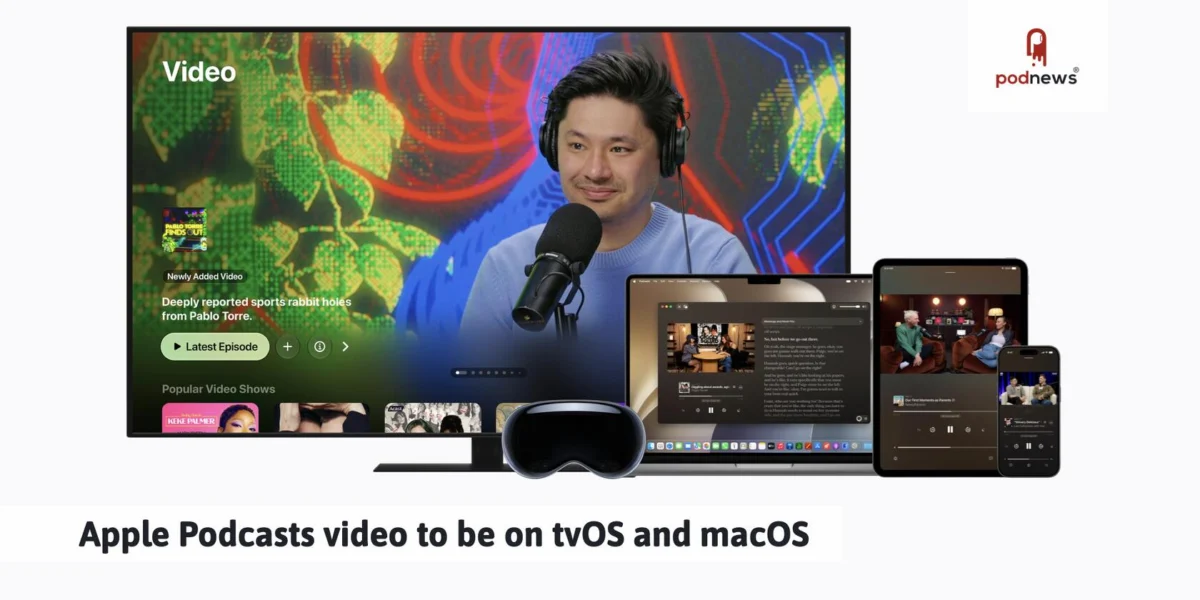
The most significant development in the current podcasting landscape is Apple’s intensified focus on video integration. By prioritizing video-enhanced content across its various user interfaces, Apple is signaling that the distinction between "audio-only" and "video-on-demand" is increasingly irrelevant to the average listener.
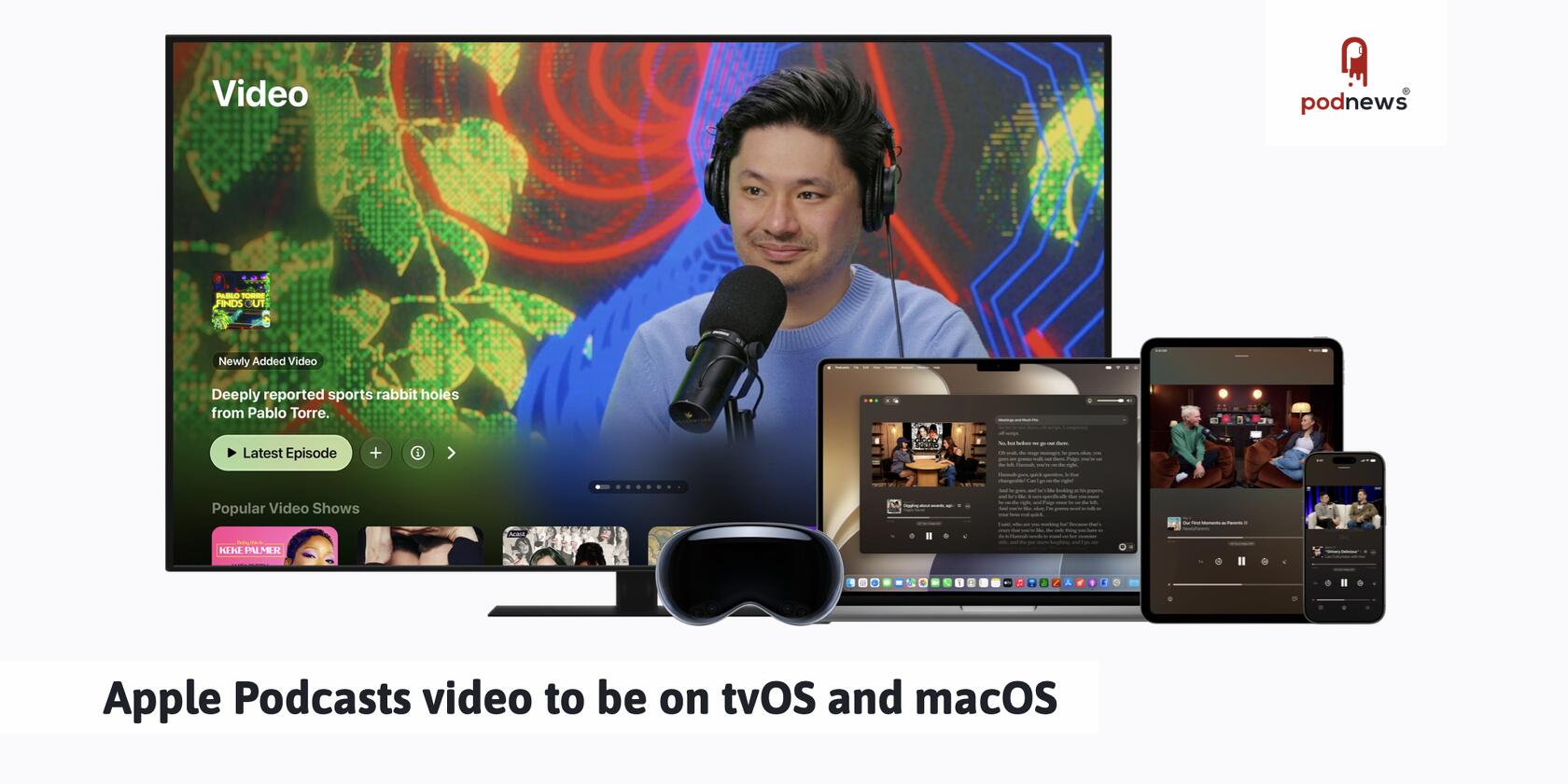
This shift is not merely cosmetic; it is a structural redesign intended to keep users within the Apple ecosystem for longer durations. Historically, podcasts were defined by their portability and the "background" nature of audio consumption. However, as platforms like YouTube have successfully captured massive podcast audiences through video, Apple has been forced to adapt. By integrating video-across-surfaces, Apple is positioning its Podcasts app to compete directly with social media video giants, essentially betting that the future of the podcast industry is a hybrid model where the visual experience complements, rather than distracts from, the narrative.
Chronology of Market Shifts
The transition toward a visual-first podcast environment did not happen overnight. To understand the current climate, one must look at the timeline of the industry’s evolution over the last 24 months:

- Early 2023: The rise of "Video Podcasting" on YouTube leads to a measurable shift in consumption habits. Platforms realize that Gen Z audiences prefer the "face-to-face" connection provided by video-recorded episodes.
- Late 2023: Apple Podcasts begins testing backend support for video files, allowing creators to upload visual components that sync with RSS feeds.
- Early 2024: The introduction of "Apple Podcasts Video Surfaces" begins appearing in major app updates, optimizing the mobile experience to feature video prominently.
- Present Day: The integration is now seamless. Creators are no longer just thinking about audio fidelity; they are investing in studio lighting, camera angles, and visual branding as core requirements for a successful launch.
Supporting Data: The Current Podcast Landscape
Market data reveals a fragmented but robust ecosystem. In the United States, the dominance of established giants remains undisputed, but the "long tail" of the industry continues to show immense growth in specialized niches.
US Market Leaders
- The Daily: Consistently holding the #1 spot on Apple Podcasts, this flagship news production remains the benchmark for daily topical podcasts.
- The Joe Rogan Experience: Retaining its grip on the #1 spot on Spotify, proving that long-form conversational content remains the most reliable driver of massive, dedicated listenership.
Emerging Trends in Ireland and the UK
Looking at international metrics provides a window into what is catching on outside the North American bubble:

- Visual Arts: Battle of the Atom has seen massive gains in the Irish market, highlighting that niche-interest shows are finding high engagement rates when they lean into specific subcultures.
- Non-Profit Sector: The Sustainability Options Podcast recently saw the highest new entry in the Irish non-profit category, signaling that mission-driven audio is finding a receptive audience.
- Society & Culture: In the United Kingdom, We Need To Talk with Paul C. Brunson holds the top spot, demonstrating the continued cultural power of relationship-focused and social-commentary content.
Featured Industry Voices
The industry remains a vibrant community of creators who are pushing the medium in new directions. Several notable projects exemplify the current creative surge:
- Travel Tales by AFAR: This series focuses on the transformative power of travel. By digging into stories of individuals who returned from trips with a shifted worldview, the show provides a high-fidelity narrative experience that proves audio is still the best medium for immersive storytelling.
- We Choose To Go To Kennedy: A fresh entry from the Kennedy Space Center Visitor Complex, this show represents the growing trend of "branded podcasts" that offer genuine insider value. It takes listeners behind the scenes of spaceflight history, turning a corporate entity into a credible, engaging content producer.
- Not a Climate Scientist: This show is pushing boundaries by connecting abstract environmental data to everyday American life. Their recent episode featuring disease detective Neil Vora—discussing the link between deforestation and Ebola—is a prime example of how podcasts serve as an essential educational tool.
- An American Game: As the US prepares for the 2026 FIFA World Cup, this show is perfectly timed. By exploring the history of "ultras" and supporter culture, it offers a deep dive into the sociological aspects of the world’s most popular sport.
Official Responses and Strategic Implications
The strategic pivot by Apple and the sustained success of independent networks like Airwave reveal several critical implications for the future of the medium.

1. The Death of the "Pure" Audio Podcast
The era of the "audio-only" production is entering a decline. Producers who refuse to engage with video are finding themselves at a competitive disadvantage in terms of discoverability. The algorithms that power Apple Podcasts and other aggregators are increasingly rewarding content that includes visual assets, as these assets lead to higher user retention.
2. The Professionalization of Production
With the rise of video-first podcasting, the barrier to entry has risen. It is no longer enough to have a good microphone and a quiet room. Successful creators now need to manage studio spaces, handle video editing, and understand the nuances of visual framing. This professionalization is attracting higher-level advertisers but is also creating a wider gap between hobbyist creators and established professional networks.

3. Data-Driven Programming
The success of shows like The Daily and The Joe Rogan Experience is no longer just about content quality; it is about data. The ability to monitor exactly where listeners drop off, how they interact with video clips, and how they navigate between platforms has turned podcasting into a science. Creators who ignore these analytics are effectively flying blind.
4. The Sustainability of Growth
Can the industry sustain this pace? The market is becoming saturated. For every The Daily, there are thousands of podcasts that never gain traction. The implication is that we are heading toward a period of consolidation. Larger networks will likely acquire the most successful independent shows, while smaller creators will need to lean into "micro-niches"—like the Battle of the Atom (Visual Arts) or Sustainability Options—to find a loyal, defensible audience.

Conclusion: Looking Ahead
The integration of video into Apple Podcasts is not the end of the medium, but rather its next evolution. As the industry moves toward 2026 and beyond, the focus will likely remain on enhancing the "surfaces" of discovery. Whether it is through short-form video clips on social media driving traffic to full-length audio episodes, or integrated video-in-app experiences, the goal remains the same: capturing the listener’s attention in an increasingly crowded media landscape.
For creators, the message is clear: diversify your output. The podcasts of the future will be multimedia experiences that leverage audio for intimacy and video for engagement. As we look at the data—from the top-tier rankings in the US to the niche breakouts in Ireland and the UK—it is evident that the audience is ready for this shift. The question is no longer whether podcasts will survive in a video-first world, but how effectively creators will adapt to thrive within it.

Note: This article incorporates current industry data and highlights recent podcast developments, including the latest trends in the US and international markets, to provide a comprehensive look at the state of the industry.