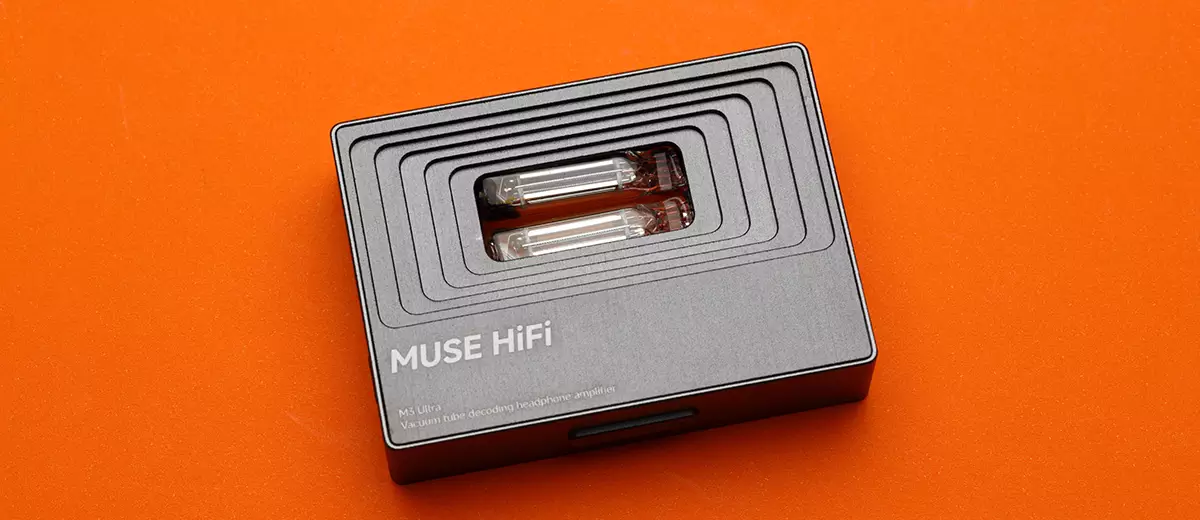
In the rapidly evolving landscape of portable high-fidelity audio, the pursuit of "the tube sound" has traditionally been a luxury reserved for those willing to invest significantly in high-end, bulky hardware. However, MUSE HiFi aims to disrupt this paradigm with the launch of the M3 Ultra, a compact, integrated DAC and headphone amplifier that promises the vintage charm of vacuum tubes at an accessible price point of $109.99.
Main Facts: A Technical Overview
The M3 Ultra is engineered to provide a sophisticated audio experience within a pocketable form factor. At its core, the device utilizes a dual JAN6418 vacuum tube architecture—American-made, military-grade miniature pentodes—which are known for their longevity and unique harmonic distortion characteristics.
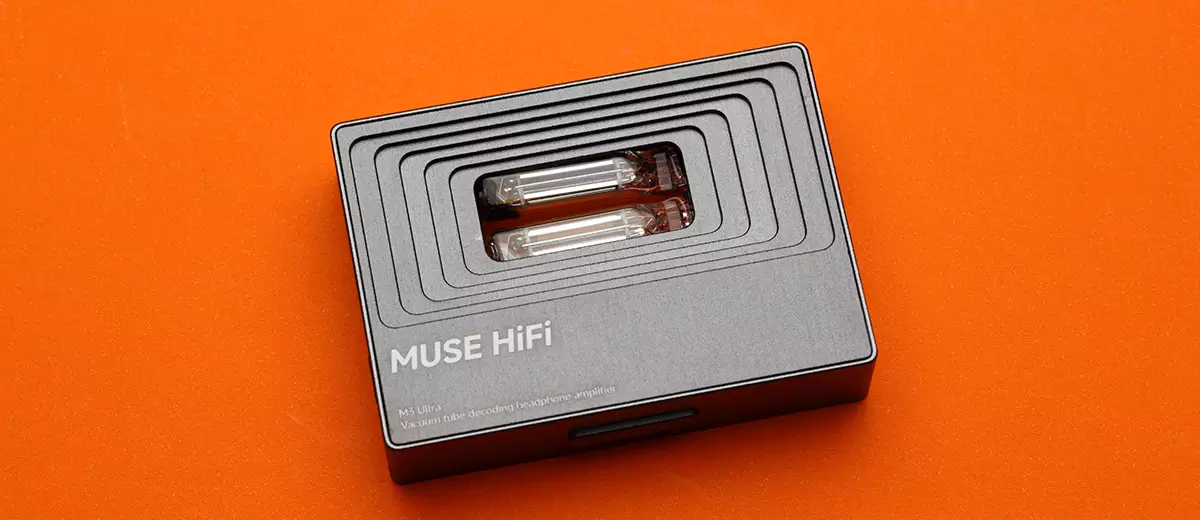
Unlike many budget offerings that prioritize aesthetics over substance, MUSE HiFi has opted for a "pure sound" design philosophy. The device eschews power-hungry screens or extraneous features in favor of a clean signal path. The digital-to-analog conversion is handled by the ESS SABRE ES9028Q2M chip, which feeds into an ES9603Q op-amp driver before the signal reaches the tubes.
Key Specifications:

- DAC Chip: ES9028Q2M
- Amplification: Dual JAN6418 tubes
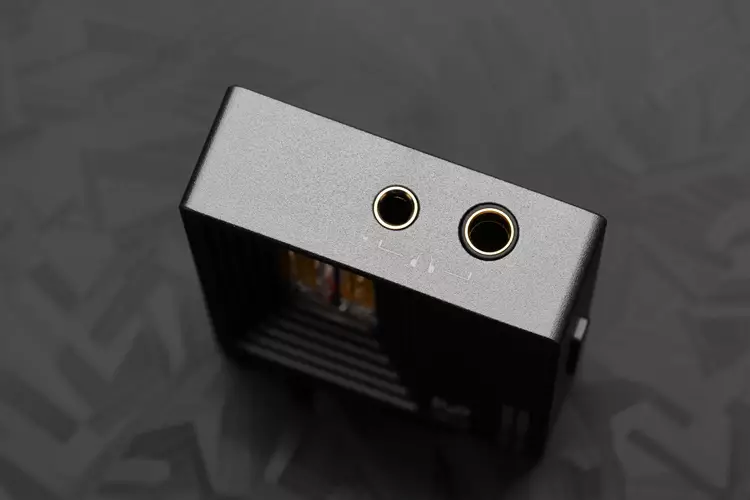
- Output Power: 460mW (3.5mm) / 480mW (4.4mm) at 32Ω
- Decoding: PCM 32-bit/384kHz, DSD256
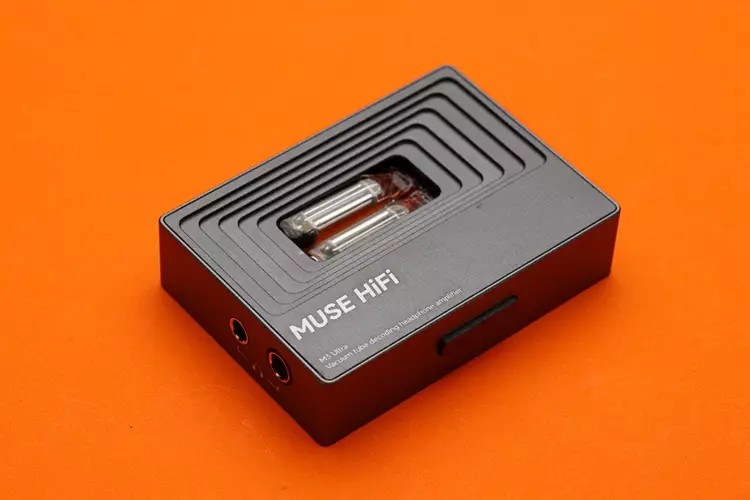
- Weight: 55 grams
- Dimensions: 65mm x 16mm x 46.5mm
Chronology: The Evolution of the MUSE HiFi Lineup
MUSE HiFi has steadily built a reputation within the audiophile community through its previous releases, most notably the M6 Double and the M5 Ultra. These earlier, more expensive flagship models established the brand’s identity, characterized by a commitment to authentic tube integration.
The development of the M3 Ultra represents a strategic pivot toward the "budget audiophile" segment. Recognizing that the market was saturated with high-priced tube alternatives—such as the Cayin RU9 or the iBasso Nunchaku—MUSE HiFi sought to distill its proprietary tube technology into a smaller, more cost-effective package. By utilizing the lessons learned from the engineering of the M6 and M5, the company successfully miniaturized the amplification stage without sacrificing the signature "mellow" quality that enthusiasts seek.

Supporting Data: Performance and Sound Character
Following a mandatory 24-hour burn-in period to allow the tubes to settle, the M3 Ultra displays a sound signature that defies common misconceptions about tube amplification.
A New Interpretation of "Warmth"
Contrary to the expectation that tubes inherently produce a dark, sluggish, or overly warm sound, the M3 Ultra offers a surprising level of transparency. The device delivers an airy, extended treble that maintains resolution even in complex musical passages. While the bass does not possess the clinical, "staccato" impact of certain solid-state designs, it offers a "larger-than-life" thickness that makes the listening experience more engaging and lifelike.
Staging and Dynamics
The spatial performance is arguably the M3 Ultra’s greatest strength. It provides a vast, holographic soundstage that is rare at the $109.99 price point. Instrument separation is distinct, and the background micro-details remain audible, creating a sense of depth and height that grounds the music in a natural environment.
The Limitation of Power
While the M3 Ultra excels with In-Ear Monitors (IEMs), providing a clean, undistorted, and dynamic output, its performance with full-sized headphones is more constrained. During testing, it became clear that the device struggles to drive power-hungry, high-impedance headphones at elevated volume levels. For the casual listener using IEMs like the DUNU Falcon Ultra or the Kiwi Ears Astral, the M3 Ultra provides ample headroom, often reaching peak loudness at roughly 75% volume. However, those seeking to power demanding planar magnetic or high-impedance dynamic headphones should consider this a limitation.
Official Responses and Engineering Philosophy
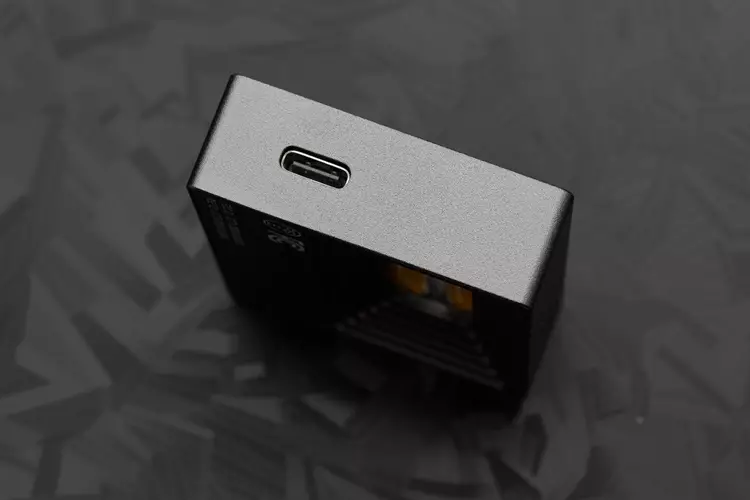
MUSE HiFi has been transparent regarding the design choices behind the M3 Ultra. By utilizing the SA9137L USB chipset, the company has prioritized a reliable, low-latency connection that works seamlessly with modern smartphones, laptops, and digital audio players (DAPs).
A noteworthy inclusion is the "Triple Anti-Vibration" technology. Because vacuum tubes are inherently sensitive to physical shocks, which can induce microphonic noise, MUSE HiFi implemented a structural damping system to isolate the JAN6418 tubes. This design choice highlights the company’s commitment to longevity and noise floor management, ensuring that the device remains quiet even in mobile environments where vibrations are frequent.
Implications for the Portable Audio Market
The release of the M3 Ultra carries several implications for the future of portable hi-fi:
- Democratization of Tube Sound: By pricing the M3 Ultra at just over $100, MUSE HiFi is forcing competitors to reconsider the "premium tax" often associated with vacuum tube gear. This could lead to a broader adoption of analog-hybrid technology among entry-level hobbyists.
- The "Dongle" vs. "Portable Amp" Divide: The M3 Ultra occupies a unique space—it is larger than a standard thumb-sized DAC dongle but significantly smaller than a traditional desktop amplifier. It serves as an ideal bridge for commuters who want more power than a phone can provide but refuse to carry a bulky, dedicated stack.
- The Persistence of Wired Fidelity: The absence of Bluetooth in the M3 Ultra is a deliberate choice. In an era where wireless audio is the norm, MUSE HiFi is doubling down on the "purist" market, suggesting that there is still a significant demographic of users who prioritize the signal integrity of a wired, UAC 2.0-compliant connection over the convenience of Bluetooth.
Conclusion: Is It Right for You?
The MUSE HiFi M3 Ultra is an impressive feat of engineering, successfully delivering a refined, holographic, and engaging sound signature in a portable form factor. It is particularly well-suited for the enthusiast who uses IEMs and desires the subtle harmonic richness of tubes without the associated bulk or high cost.

While it is not a "do-it-all" device—those requiring high-power delivery for full-sized desktop headphones or those who rely on wireless connectivity may find it lacking—it remains a standout option in its category. For the listener who values transparency, soundstage, and that quintessential, "larger-than-life" musical presentation, the M3 Ultra is a compelling addition to any portable audio kit. Its ability to maintain a neutral, highly resolving midrange while offering just enough tube-driven warmth makes it one of the most interesting budget-friendly releases of the year.