Nineteen years ago, Radiohead’s In Rainbows experiment—a pay-what-you-want release strategy—sent shockwaves through a music industry then crippled by digital piracy and the rapid evaporation of physical record sales. At the time, the narrative was one of desperation: the old guard was dying, and artists were forced to devalue their craft to survive in a landscape defined by free content.
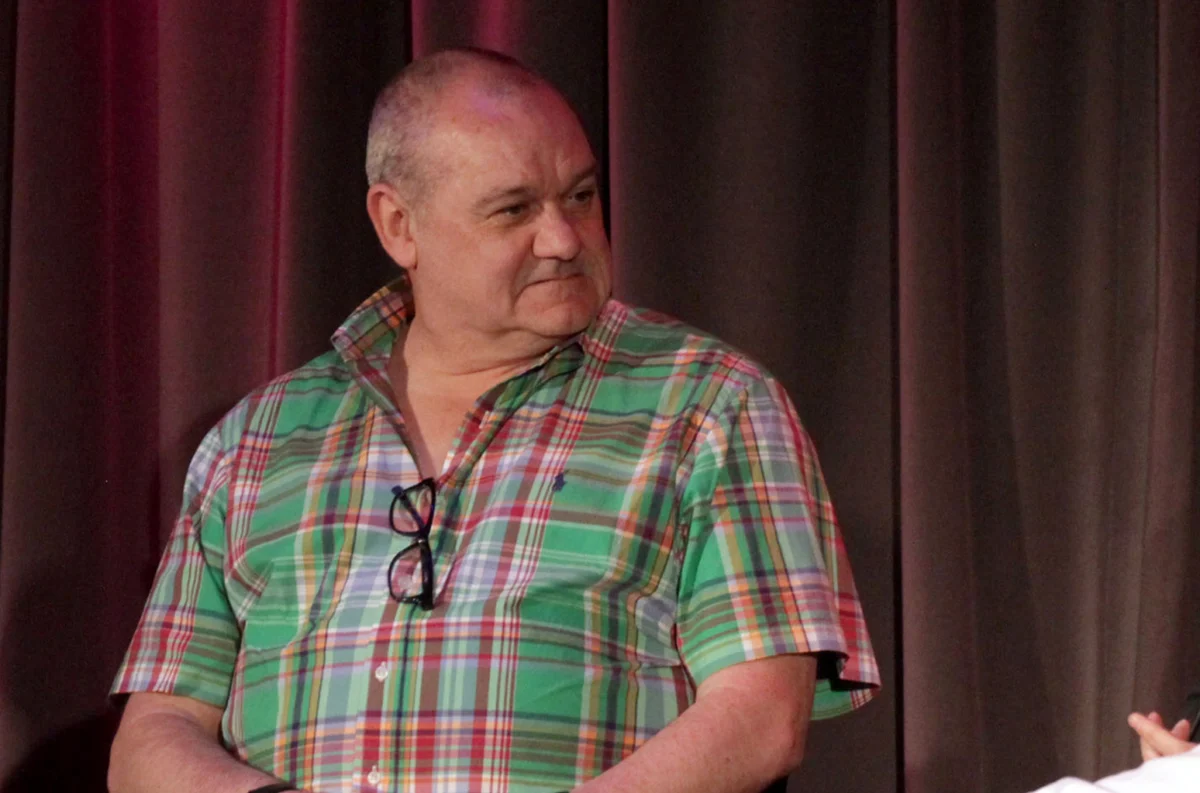
However, during a keynote at the 2026 Amsterdam Dance Event (ADE), Cliff Fluet, the esteemed co-head of media and entertainment at the U.K.-based law firm Lewis Silkin LLP, offered a radical reappraisal of that pivotal moment. Speaking to a capacity crowd during his session, "The State Of Things With Cliff Fluet," he argued that the industry had misinterpreted the lesson of 2007 for nearly two decades.
"The question was never really about price or value," Fluet asserted. "It was about who owns the relationship with the fan."
The New Hierarchy of Power: A Chronological Evolution
To understand where the music industry is heading, one must map how it arrived at its current, volatile crossroads. The trajectory of power has been a slow migration from the institutional to the individual.
1. The Era of Gatekeeping (Pre-2007)
For decades, the "Big Four" labels held total sovereignty. Power was predicated on physical distribution, radio airplay, and retail shelf space. An artist’s success was inextricably tied to their ability to secure a label contract. The fan was a passive consumer, and the relationship was mediated entirely by corporations.
2. The Great Unbundling (2007–2015)
The release of In Rainbows marked the beginning of the end for top-down control. As digital platforms began to emerge, the barrier to entry collapsed. Artists realized that they could reach global audiences without the traditional machinery of a major label, provided they could cultivate a direct, digital connection with their listeners.
3. The Algorithmic Dominance (2016–2023)
As streaming services like Spotify and Apple Music matured, the power dynamic shifted again—this time toward the platforms themselves. Discovery became automated. Playlists became the new radio, and those who controlled the algorithms controlled the cultural zeitgeist.
4. The Era of Engagement (2024–Present)
We are now entering a phase where the algorithm is no longer the final arbiter. With the saturation of content, attention has become the world’s most precious commodity. As Fluet articulated at ADE 2026, the current power lies with those who can foster "communities of intent" rather than just passive listeners.
Supporting Data: Why Engagement is the New Currency
Fluet’s insights at ADE underscore a reality backed by current market data. In the current fiscal climate, the traditional metrics of success—total streams and chart positions—are becoming increasingly decoupled from actual revenue generation.
Data from the past 24 months suggests a fundamental shift in fan behavior:
- Direct-to-Fan Revenue: Independent artist platforms have seen a 22% year-over-year increase in revenue, while traditional streaming royalties for mid-tier artists have stagnated or declined.
- The "Community Premium": Research presented during ADE Pro indicates that fans are 3.5 times more likely to purchase high-margin merchandise, exclusive experiences, or digital assets from an artist if they feel a "direct dialogue" exists.
- Platform Fatigue: User engagement metrics show that "passive listening" (background streaming) is peaking, while "active community participation" (Discord servers, gated fan-clubs, and direct-messaging features) is growing at an unprecedented rate.
The data confirms Fluet’s thesis: The industry is moving away from a model of mass distribution and toward a model of mass engagement.

Official Perspectives: The Industry’s Pivot
The sentiment expressed by Fluet resonates with a broader shift within the industry’s elite. During the 188 sessions hosted at ADE Pro this year, a recurring theme emerged among labels, tech executives, and independent managers: the need to reclaim the data.
"We are moving from a world where we rent our fans from platforms to a world where we own our relationship with them," said one senior executive from a global distribution firm during a panel discussion. "The Radiohead move in 2007 wasn’t a charity act; it was the first modern attempt to harvest email addresses and direct contact details—the foundational assets of the new music economy."
This perspective is bolstered by the rise of AI. While AI creates the risk of infinite content saturation, it also provides the tools for hyper-personalization. Industry leaders at ADE discussed how AI-driven tools are being utilized not just to create music, but to manage fan interactions at scale—allowing even the smallest acts to offer personalized engagement that was once the exclusive domain of the world’s biggest stars.
Implications for the Future: Who Holds the Keys?
If the power is shifting from the platform back to the artist-fan nexus, what does this mean for the traditional players?
The End of the "One-Size-Fits-All" Strategy
Labels that survive the next decade will be forced to pivot from "gatekeepers" to "infrastructure providers." Their value proposition will no longer be "we provide distribution," but rather "we provide the tools for you to build your community." The labels that succeed will be those that prioritize data ownership and fan-experience design.
The Rise of the "Super-Fan" Economy
Fluet’s analysis highlights that the most valuable segment of the music market is the "super-fan"—the 5% of a listener base that drives 80% of revenue. Future business models will focus on incentivizing this cohort. We are seeing a move away from the "all-you-can-eat" subscription model toward tiered access, where super-fans pay for closer proximity to the artist.
The Ethical AI Mandate
As the industry integrates AI, the question of "relationship ownership" becomes even more fraught. Who owns the voice, the persona, and the digital avatar of the artist? Fluet and other legal experts at ADE warned that the next frontier of music law will not be about copyrighting a melody, but about protecting the "digital identity" of the artist as they interact with fans in virtual spaces.
Conclusion: The Radiohead Legacy
Nearly two decades after Radiohead’s experiment, the music industry has come full circle. We are moving away from the era of digital abundance—where everything was available, and therefore, nothing felt special—and back toward an era of scarcity and intimacy.
Cliff Fluet’s takeaway for the delegates at ADE 2026 was a call to arms for the creative class: The tools for independence are better than ever, but they require a strategic mindset. It is no longer enough to simply release music into the digital void. In an age of AI-generated noise and platform dominance, the only way to retain power is to build a wall around one’s community.
As the industry looks toward 2027 and beyond, the winners will not necessarily be the ones with the most streams or the largest marketing budgets. The winners will be the ones who recognize that the music is merely the catalyst for the connection. The real asset is the relationship, and as history has shown, those who own the relationship own the future.