October 26, 2026 — As the podcasting landscape matures, the medium finds itself at a critical crossroads. From the technical infrastructure underpinning our favorite shows to the creative experiments popping up in the "wild," the industry is currently grappling with questions of longevity, monetization, and the very nature of how we consume digital audio. This report dives deep into the latest developments, from the contentious debate surrounding the future of RSS to the innovative ways creators are engaging with their audiences.
The Core Conflict: Is RSS Still the Future?
The foundation of modern podcasting has long been the Really Simple Syndication (RSS) feed. It is the decentralized backbone that allows listeners to subscribe to shows across an array of platforms, from Apple Podcasts and Spotify to independent players. However, in the latest Podnews Weekly Review, industry veteran Steven Goldstein sparked a firestorm of debate by suggesting that the current reliance on RSS may be a ticking clock.
"It won’t stand the test of time," Goldstein argued, noting that while RSS has served the industry faithfully since the early 2000s, the evolving demands of dynamic ad insertion, interactive content, and sophisticated analytics may require a more robust, modern framework. "That’s not necessarily great news for those of us who cherish the open, democratic nature of the format, but we have to be realistic about where the technology is heading."
The Implications for Creators
For independent creators, the suggestion that RSS might be on its way out is both daunting and intriguing. If the industry shifts toward proprietary, platform-specific ecosystems, the "open" nature of podcasting could be compromised. Conversely, proponents of innovation argue that a new standard could solve long-standing headaches, such as fragmented listener data and the difficulty of implementing true cross-platform interactivity.

Podcast News: A Roundup of Creative Growth
While the infrastructure debate simmers, the content itself continues to flourish. The Airwave network, in particular, is highlighting shows that push the boundaries of narrative and utility.
- Zero to Travel: As global mobility increases, this show remains a vital resource. It bridges the gap between the nomadic dream and the practical reality, offering listeners actionable advice on how to sustain a lifestyle of travel.
- Hyperfixed: A standout in the curiosity space, Hyperfixed recently took a deep dive into the "Popcorn" button found on almost every microwave. By interviewing industry insiders and the very engineer who patented the sensor technology, the show exemplifies the power of "deep-dive" investigative podcasting.
- PodBiz: In the professional arena, host Richard Fawal (founder of Voxtopica) recently discussed why mission-driven and educational sectors are the new frontier for professional-grade podcasting.
- Take It From Us: In New Zealand, this show is capturing the human side of politics. By interviewing former Deputy Prime Minister Grant Robertson and former National Party leader Todd Muller, the podcast moves away from partisan bickering to explore the personal psychological toll of political leadership.
Chronology of Trends: 2026
To understand where we are, we must look at the trajectory of the year so far:

- Q1 2026: A massive surge in short-form, trailer-heavy content leads to a record number of new entries on top charts.
- Q2 2026: AI-assisted production tools become the industry standard for mid-sized networks, drastically reducing editing times.
- Q3 2026: The first "interactive narrative" games begin to surface, blurring the line between audio dramas and tabletop gaming.
- Q4 2026: The current "Infrastructure Debate" takes center stage, as major platforms begin testing proprietary delivery formats alongside traditional RSS.
Supporting Data: Chart Performance and Market Shifts
The data from the week of October 26, 2026, provides a snapshot of listener preferences in key English-speaking markets.
| Market | Top Show (Apple) | Top Show (Spotify) | Notes |
|---|---|---|---|
| USA | The Daily | The Joe Rogan Experience | Traditional news and personality-led long-form remain dominant. |
| Australia | N/A | Casefile True Crime | True Crime continues to hold the top spot in the Australian market. |
| Ireland | Indo Sport | N/A | Niche sports content is seeing significant year-over-year growth. |
Key Takeaway: The "Long Tail" is alive and well. While mega-hits like The Daily dominate the top spots, we are seeing "Highest New Entries" in categories like gaming and fitness, proving that listeners are increasingly seeking specialized, high-quality content rather than just general interest shows.

Innovation in the Wild: "String Theory"
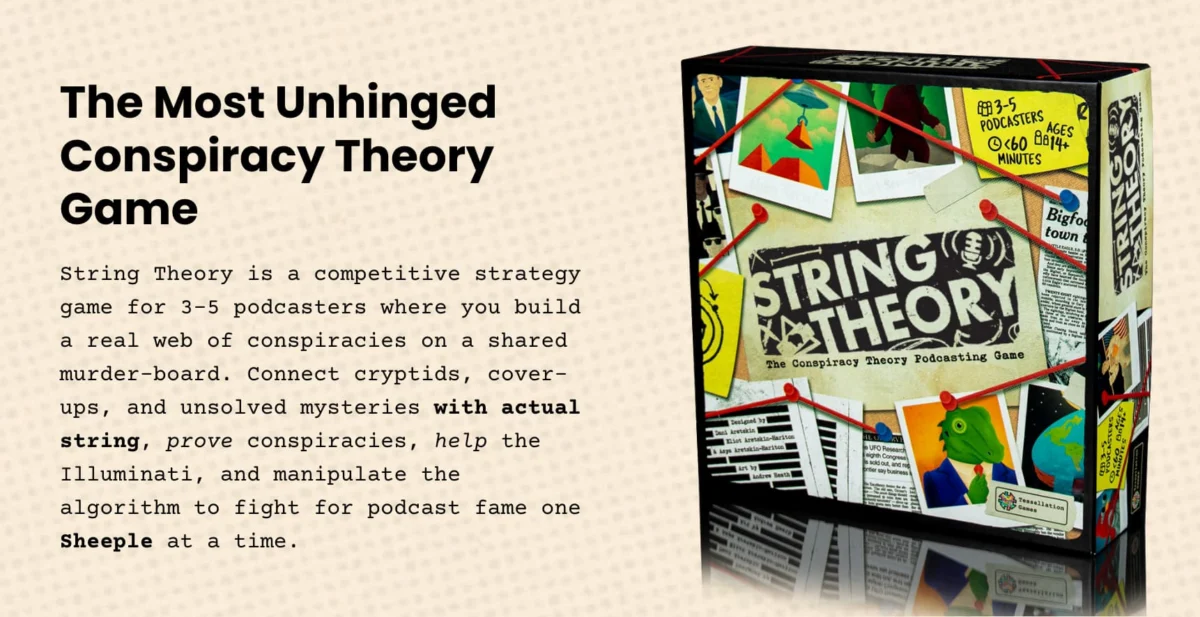
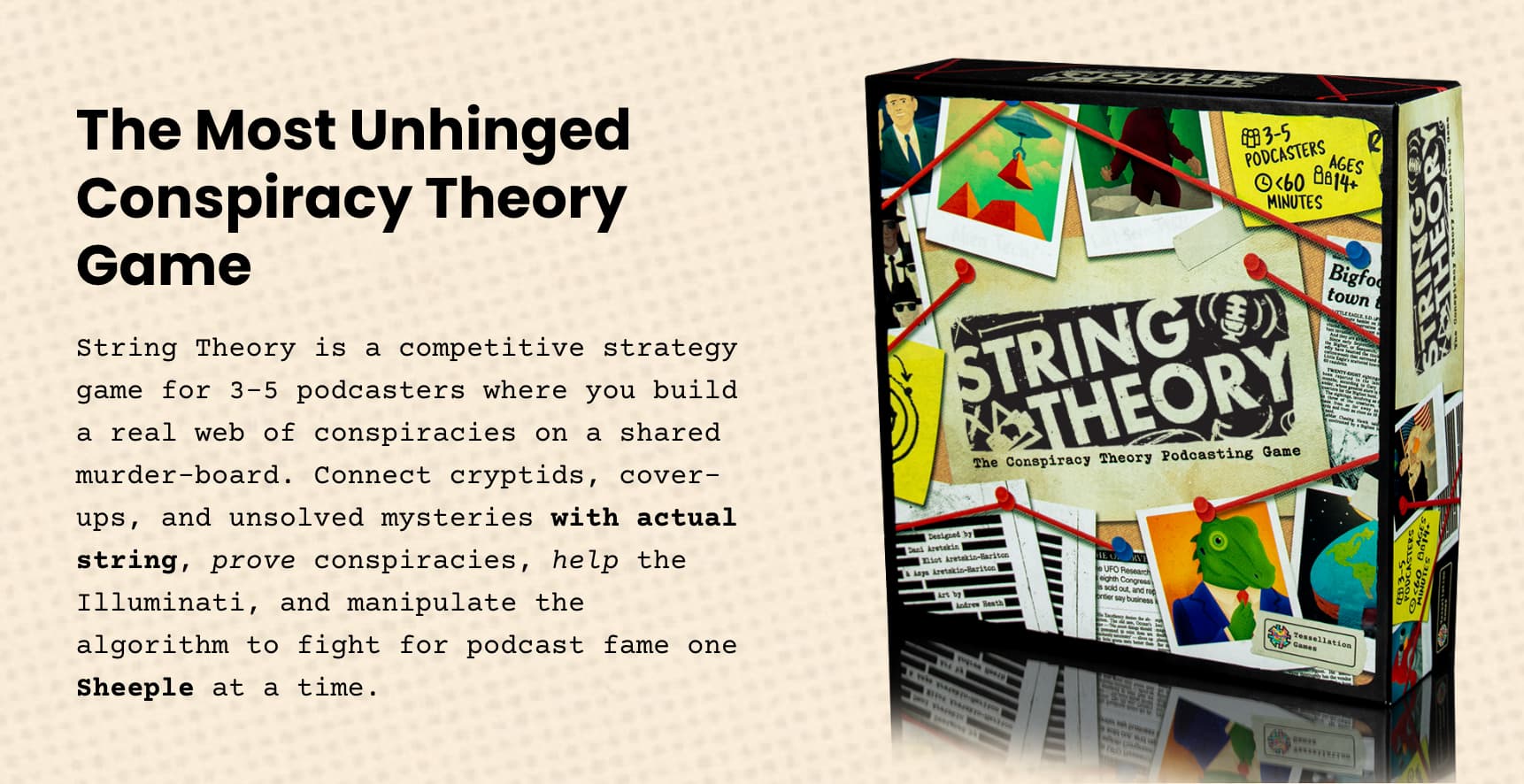
Perhaps the most curious development this week is the emergence of a "conspiracy theory podcasting game" spotted by a Podnews reader. Developed by Tessellation Games, the project is designed for 3-5 players and treats the world of podcasting as a competitive, tactical landscape.
While it is essentially a piece of pop-culture meta-commentary, its existence highlights how deeply podcasting has woven itself into the cultural fabric. We are no longer just listening to podcasts; we are playing with the tropes, the production cycles, and the absurdities of the medium itself.

Official Responses and Industry Sentiment
The discourse regarding the potential obsolescence of RSS has drawn reactions from across the spectrum.
Pro-RSS Advocates: Many developers argue that the "openness" of RSS is exactly what has prevented podcasting from suffering the same fate as the music industry or traditional radio, where content is locked behind walled gardens. They argue that "improving" RSS—rather than replacing it—is the only path forward.

The Tech-Forward Camp: Companies looking to monetize at scale are, unsurprisingly, more supportive of "modernized" delivery methods. They point to the need for better metrics, real-time ad serving, and security as reasons to move toward a more centralized—or at least more proprietary—standard.
Note: The Editor of Podnews serves as an advisor to RSS.com, which is currently invested in the development of these technical standards.
Implications: What Happens Next?
The next twelve months will likely be defined by a "fork in the road" for the industry.
- The Hybrid Era: We may see a period where RSS remains the standard for distribution, but is augmented by "companion" data packets that allow for the high-end ad targeting and interactive features that platforms desire.
- Platform Divergence: If major players decide to move away from RSS, the podcast ecosystem could fragment. Listeners might find themselves needing different apps for different types of content, much like the current streaming video landscape.
- Content Consolidation: As monetization tools become more sophisticated, smaller, mission-driven podcasts—like those highlighted in our news section—may find it easier to thrive, provided they can tap into these new, more efficient distribution networks.
Final Thoughts
Podcasting is clearly in a state of productive tension. The debate over its technological future is not a sign of decline, but rather a symptom of success. Because the medium has become so significant, the plumbing that keeps it running is finally being scrutinized with the seriousness it deserves.

Whether we are listening to a deep-dive on microwave popcorn sensors or a candid interview with a former politician, the core value of podcasting remains the intimacy of the audio connection. As long as that connection remains, the industry will find a way to thrive, regardless of what the underlying technical standard looks like in 2027 and beyond.
Disclaimer: This report is for informational purposes only. The views expressed by industry commentators are their own and do not necessarily reflect the position of the editorial board. For the latest job listings, event schedules, and up-to-the-minute data, please visit our resources page.