Main Facts
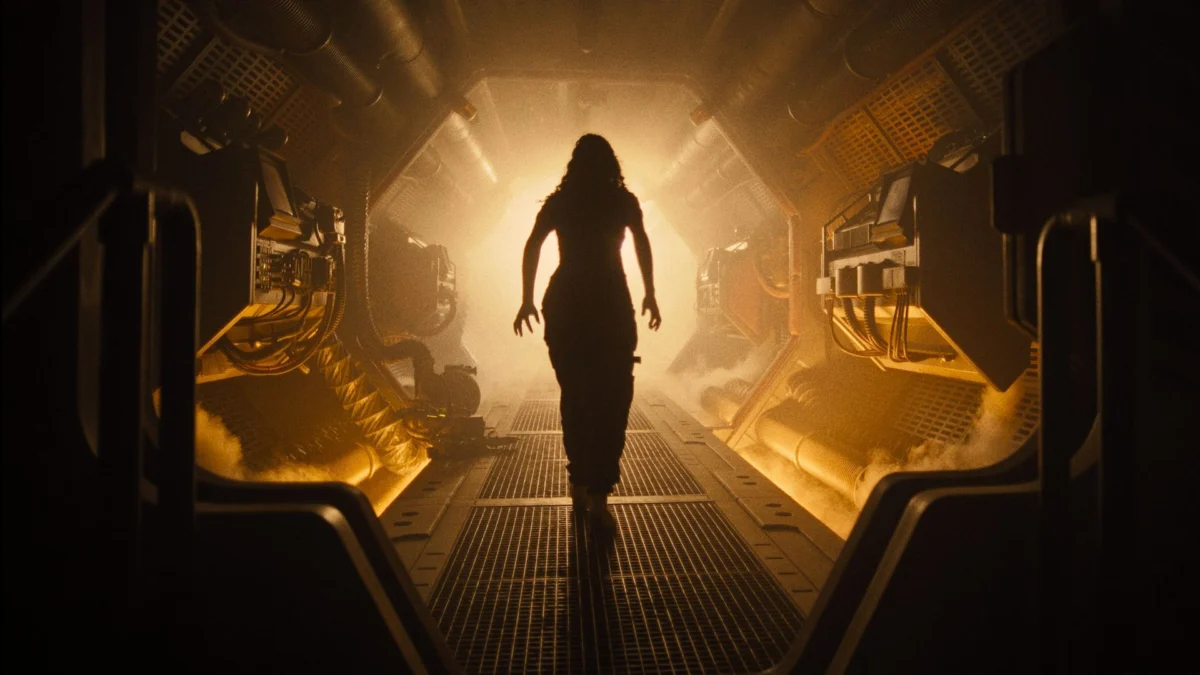
For enthusiasts of home cinema, few genres capture the audiovisual majesty of a high-end setup quite like science fiction. From the sweeping orchestral scores of space operas to the bass-heavy sub-woofer workouts of dystopian thrillers, sci-fi and home theater equipment go together like Han Solo and Chewbacca. Now, cinematic aficionados have a chance to prove the depth and breadth of their fandom.
A newly launched, comprehensive 30-question trivia challenge is putting movie buffs to the test, spanning the entire A-to-Z of science fiction cinema. Unlike traditional trivia that digs into obscure, microscopic plot details—such as the exact serial number of a replicant or the precise coordinates of a fictional star system—this assessment is designed to measure pure cinematic mileage. It rewards participants for the sheer volume of science fiction motion pictures they have experienced over a lifetime of viewing.
However, what sounds like a straightforward walk through cinematic history comes with a severe catch: a ticking clock. To prevent participants from consulting search engines, online databases, or film encyclopedias, organizers have implemented a strict three-minute timer. This means contestants have an average of just six seconds per question, transforming the quiz from a leisurely stroll through movie memory lane into a high-octane test of instinct, cultural osmosis, and ingrained genre expertise.
To heighten the stakes, the challenge features a global leaderboard, allowing participants to compare their scores against fellow cinephiles and determine who is truly light-years ahead of the competition.
Chronology
To understand the cultural momentum behind this new interactive challenge, one must look at the evolution of how audiences interact with sci-fi cinema and home entertainment technology.
The Evolution of Sci-Fi Fandom and Home Viewing
- The Analog Era (1970s–1990s): The release of landmark films like Star Wars (1977) and Alien (1979) established sci-fi as a dominant box-office force. During this period, trivia was shared through magazines, fan clubs, and word-of-mouth. Home viewing was restricted to VHS tapes and laserdiscs, where pausing a film to examine background details required physical effort and often degraded picture quality.
- The Digital Revolution (2000s–2010s): The advent of DVD, Blu-ray, and eventually 4K Ultra HD Blu-ray transformed home cinemas into high-fidelity environments. Cinephiles could suddenly pause, rewind, and analyze frames with crystal clarity. Online forums and message boards gave rise to digital trivia communities, where fans debated continuity errors, easter eggs, and cinematic timelines.
- The Streaming and Interactive Age (Present Day): Modern home entertainment is defined by instant access and interactive engagement. Streaming platforms and enthusiast websites have shifted from passive content consumption to active community participation. The introduction of timed, gamified trivia marks the latest step in this evolution, merging the instant-gratification culture of the digital age with the timeless passion for cinematic storytelling.
The development of the current 30-question sci-fi challenge followed a structured timeline within the digital editorial space:
- Conception and Scope Definition: Content planners recognized a gap in the market for a quiz that favored cinematic breadth over hyper-specific trivia. The decision was made to cover the entire alphabetical spectrum of the genre—from foundational silent-era milestones to modern blockbusters.
- Question Curation and Balancing: Editors curated a pool of questions designed to be instantly recognizable to dedicated film fans, ensuring that the barrier to entry was low enough to encourage participation, yet broad enough to trip up casual viewers.
- Integration of the Speed Mechanic: Recognizing that modern internet users could easily look up answers, developers instituted the strict three-minute limitation. This forced a reliance on instantaneous recall and gut instinct.
- Platform Launch and Leaderboard Integration: The quiz went live alongside interactive tracking tools, allowing real-time score logging and global competition scaling.
Supporting Data
The appetite for science fiction cinema and interactive digital engagement is supported by extensive data tracking global entertainment trends, box-office performance, and consumer behavior in the home entertainment sector.
Science Fiction Box Office Dominance
- Market Share: Over the past two decades, science fiction and fantasy films have consistently commanded the highest global box-office revenues. According to industry tracking data from major box-office analysts, sci-fi titles regularly account for roughly 30% to 40% of the annual global top-grossing films.
- Home Media Performance: Sci-fi titles disproportionately drive hardware and software sales in the home cinema market. Industry surveys indicate that consumers purchasing 4K Ultra HD televisions, Dolby Atmos sound systems, and OLED displays frequently test their equipment using visually and aurally demanding sci-fi reference discs, such as Blade Runner 2049, Interstellar, and Dune.
Quiz Mechanics and Psychological Engagement Metrics
- The Three-Minute Constraint: Digital media consumption studies show that user retention drops significantly on tasks exceeding five minutes. By capping the challenge at three minutes for 30 questions, engagement algorithms secure higher completion rates while generating a rush of adrenaline associated with competitive gaming.
- Breadth vs. Depth in Trivia: Educational and psychological studies on memory retrieval indicate that "recognition-based breadth tests" trigger faster neural pathways than "recall-based depth tests." When participants are presented with familiar imagery or foundational titles under time pressure, their brains rely on implicit memory—the ingrained cultural familiarity built up from a lifetime of movie-watching—rather than conscious, analytical deduction.
Official Responses
Industry commentators, home cinema experts, and community managers have weighed in on the cultural impact and design philosophy behind the new sci-fi challenge.
Industry analysts specializing in home entertainment culture have praised the initiative for shifting the focus away from gatekeeping trivia. A senior digital content strategist noted:
"For too long, fan communities have been bogged down by hyper-niche gatekeeping—where unless you know the middle name of a background extra from a 1980s direct-to-video release, you aren’t considered a ‘real fan.’ This quiz completely flips the script. It celebrates the joy of watching movies. If you’ve spent your life devouring cinematic adventures, this test rewards your sheer passion and dedication to the medium."
Furthermore, user experience designers involved in the implementation of the timed format emphasized the psychological necessity of the clock:
"In the age of search engines and AI assistants, un-timed trivia has lost its integrity. Anyone can find an answer in two seconds. By imposing a strict three-minute limit across thirty questions, we have stripped away the digital crutch. What is left is pure, unadulterated movie memory. It’s exhilarating, it’s humbling, and it forces you to trust your cinematic instincts."
Community feedback gathered during the initial rollout indicates an overwhelmingly positive response, with participants taking to social media to share their leaderboard rankings and debate which letters of the alphabet proved most challenging.
Implications
The launch of this high-speed A-to-Z science fiction quiz carries several broader implications for the future of digital entertainment, fan communities, and home cinema engagement.
1. The Gamification of Editorial Content
Traditional media outlets are increasingly moving away from static articles toward interactive, gamified experiences. By turning a standard movie quiz into a timed competitive sport with a global leaderboard, publishers are discovering new ways to drive user engagement, extend time-on-page metrics, and foster active online communities. This trend suggests that future entertainment journalism will rely heavily on interactive participation rather than one-way broadcasting.
2. Redefining Film Fandom in the Digital Age
As streaming libraries expand to include tens of thousands of titles, the nature of cinephilia is shifting. Depth of knowledge is becoming less important than cultural literacy and experiential breadth. A fan who has seen hundreds of films across various subgenres—from cyberpunk and space opera to apocalyptic thrillers and satirical sci-fi—now holds a distinct advantage over the hyper-specialized purist. This inclusivity broadens the appeal of film culture to a wider, more diverse audience.
3. Boosting Home Cinema Appreciation
By implicitly connecting the love of sci-fi movies to the hardware and environment of the home cinema, initiatives like this reinforce the symbiotic relationship between content creators and hardware manufacturers. When fans are reminded of their favorite cinematic journeys, it naturally sparks a desire to re-experience those films in the highest possible fidelity—driving renewed interest in physical media, high-end display technologies, and immersive audio systems.
Conclusion
Whether you are a seasoned audiophile with a state-of-the-art Dolby Atmos setup or a casual viewer who simply enjoys a good interstellar adventure on a Friday night, the ultimate sci-fi movie quiz offers a thrilling test of cinematic instinct. With 30 questions, a relentless three-minute timer, and a global leaderboard to conquer, the only remaining question is: do you have what it takes to prove you are light-years ahead of the competition?