In the rapidly evolving landscape of artificial intelligence, a silent crisis has been brewing within the field of robotics. While Large Language Models (LLMs) and computer vision systems have achieved human-like fluency in processing text and imagery, robots have remained largely "numb" to the physical world. They can see an object, identify its purpose, and calculate its coordinates, but the moment they make contact, the feedback loop often breaks down.
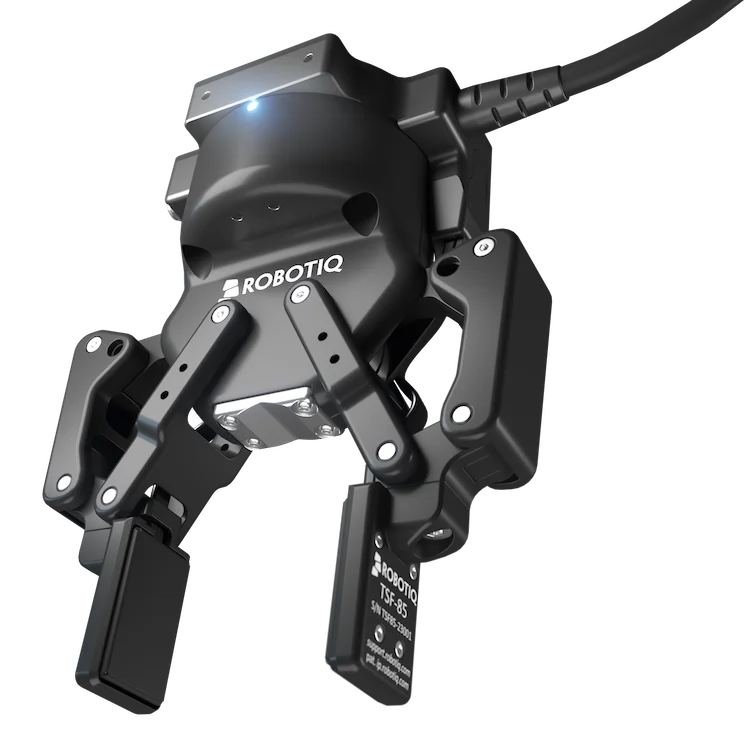
Robotiq, a global leader in end-of-arm tooling, is looking to solve this fundamental "blind spot" with the launch of the 2FC Physical AI Gripper. Announced this week, the 2FC is a production-ready, adaptive gripper equipped with advanced tactile sensing and embedded intelligence. By enabling robots to "feel" what they grasp, Robotiq is positioning itself as the critical infrastructure layer for the next generation of physical AI.
Main Facts: The Anatomy of the 2FC
The 2FC is not merely a hardware upgrade; it is a comprehensive ecosystem designed to bridge the gap between digital training models and real-world deployment. Based on the architecture of the legendary 2F adaptive gripper—a workhorse with over 30,000 units currently in operation worldwide—the 2FC integrates three distinct technological pillars:
- Tactile Sensing Hardware: The gripper utilizes high-fidelity sensors capable of detecting pressure, slip, force, and precise spatial orientation.
- The AI Hub (Wrist Compute): By moving processing power directly to the "wrist" of the robot, the 2FC eliminates the latency associated with cloud-based processing, allowing for near-instantaneous reflexive behavior.
- Contact Core Software: This proprietary software stack provides the "brain" for the hardware, synchronizing raw contact data and automatically labeling it. This allows AI teams to move seamlessly from data collection and training to high-speed execution on the factory floor.
Pre-orders for the 2FC are officially open, with the first wave of units scheduled to ship in Q1 2027. Crucially, Robotiq has designed the system to be modular. Owners of existing 2F grippers do not need to discard their current hardware; they can simply integrate the TSF tactile sensors and the AI Hub to transition their legacy systems into sophisticated physical AI development platforms.
The Chronology of Tactile Evolution
To understand the significance of the 2FC, one must look at the trajectory of Robotiq’s innovation over the last decade and a half.
2008–2012: The Foundation
Founded in Lévis, Quebec, Robotiq entered the market with a singular mission: to provide the "contact layer" for industrial automation. During these formative years, the focus was on standardizing robotic gripping. The goal was reliability and versatility—creating tools that could handle a wide variety of parts without constant manual reconfiguration.
2013–2016: The First Tactile Experiments
Twelve years ago, Robotiq launched its first generation of tactile sensors. At the time, the industry was captivated by the promise of sensing, but the ecosystem was immature. "When we built our first tactile sensors 12 years ago, the problem wasn’t sensing," explains Samuel Bouchard, CEO of Robotiq. "The problem was what to do with all that information." The data was there, but the machine learning algorithms of the mid-2010s were not equipped to interpret the nuanced feedback of a physical grasp in real-time.
2017–2023: The Rise of Simulation and Vision
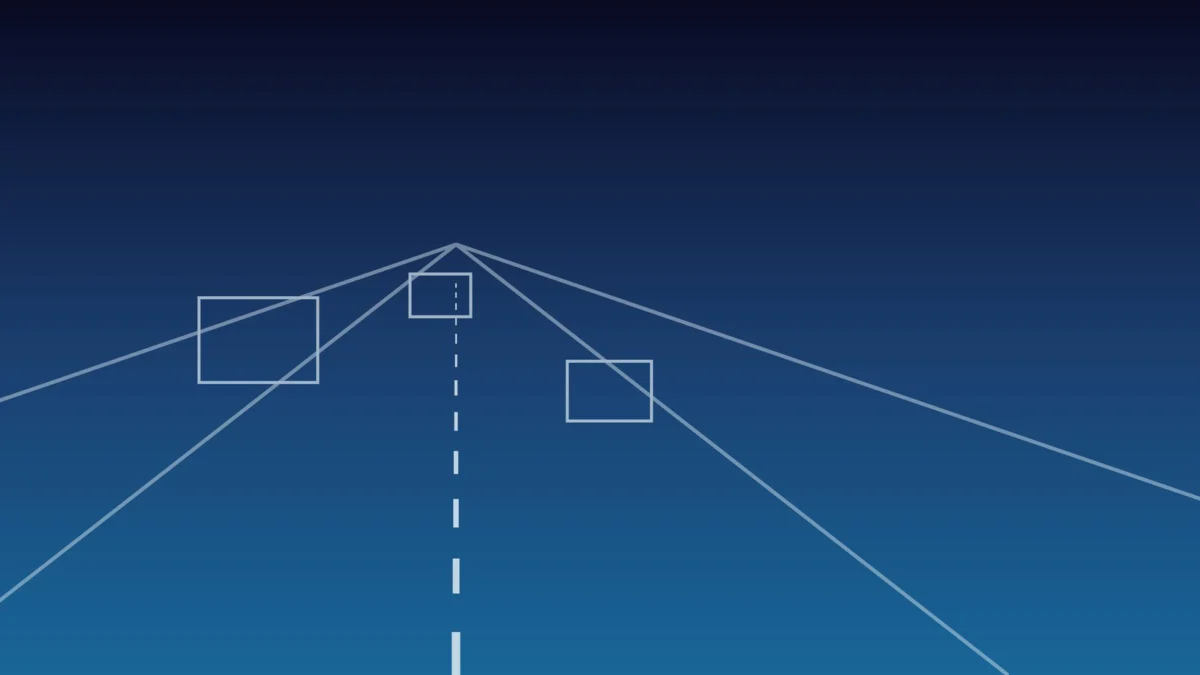
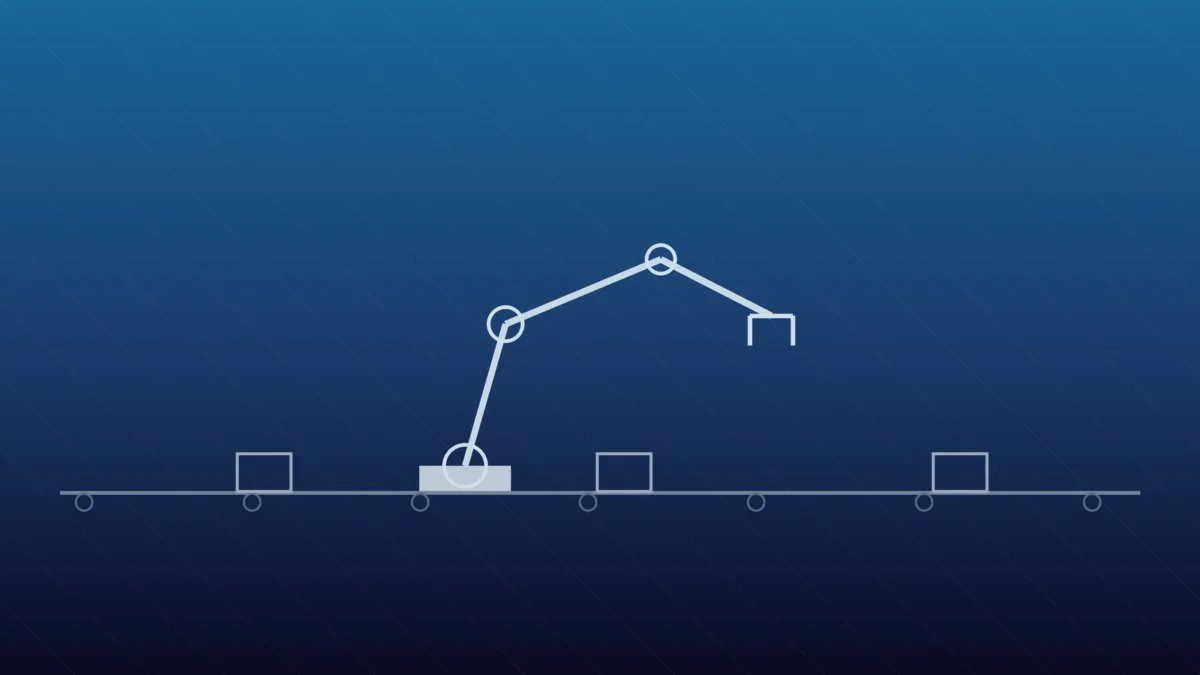
As the industry pivoted toward deep learning, massive investments were poured into vision systems and synthetic simulation environments. While this allowed robots to "see" better, the physical interaction remained a series of "blind" moves—robots relied on pre-programmed coordinates rather than sensory feedback.
2024–2027: The Era of Physical AI
With the advent of advanced reinforcement learning and foundation models for robotics, the industry has hit a bottleneck. Robots trained in simulators often fail in the "real world" because simulation cannot perfectly replicate the complex physics of surface friction, material deformation, and subtle slippage. The 2FC represents the culmination of this cycle—a product designed specifically to capture the "ground truth" data that physical AI models need to bridge the simulation-to-reality gap.
Supporting Data: Why "Touch" is the Final Frontier
The reliance on vision alone is the primary reason many robotic projects stall during the transition from the lab to the factory floor. According to recent industry data, over 60% of manipulation tasks in unstructured environments—such as bin picking, delicate assembly, or kitting—require active force feedback.
The Problem of Latency
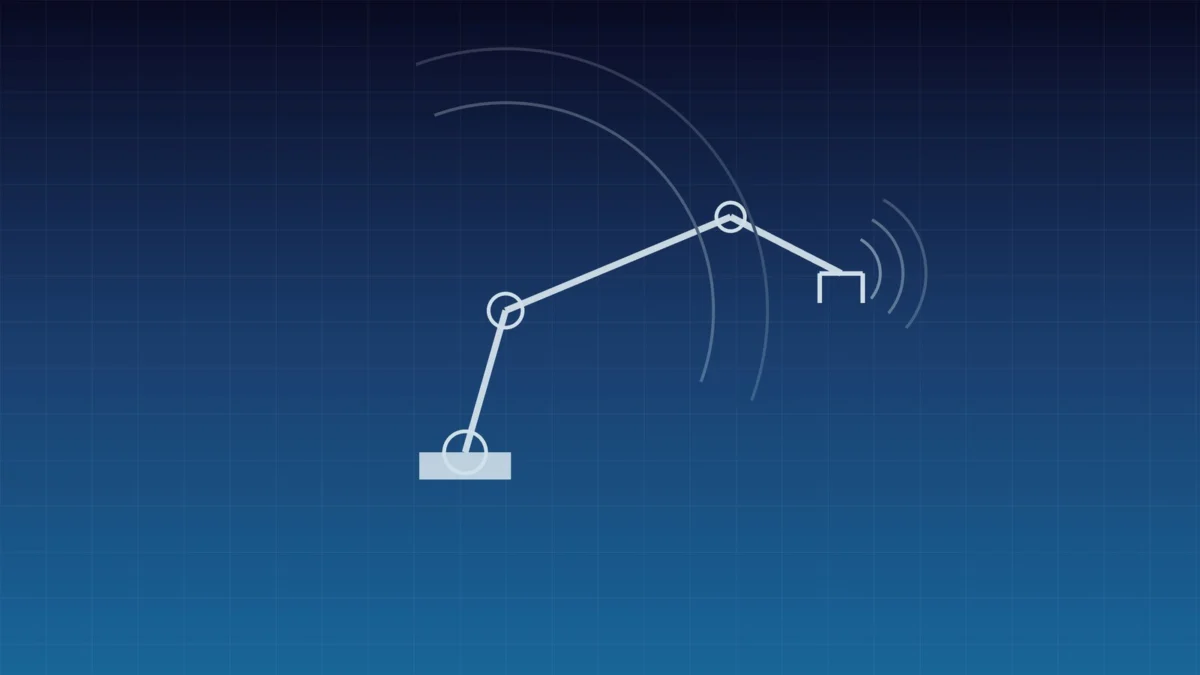
In traditional systems, tactile data is often processed via a central controller or cloud interface. This introduces a delay of 50 to 200 milliseconds. In a dynamic task, like catching a falling object or adjusting a grip on a delicate part, this delay is catastrophic. By embedding compute at the wrist, the 2FC processes tactile data locally, achieving microsecond response times.
The Data Quality Bottleneck
AI models are only as good as their training data. Raw tactile data is noisy and difficult to categorize. The 2FC’s "Contact Core" software solves this by providing:
- Auto-Labeling: Converting raw pressure maps into structured datasets that can be ingested by neural networks.
- Synchronized Streams: Ensuring that vision data (from cameras) and tactile data (from the gripper) are perfectly aligned in time, providing a holistic view of the interaction.
Official Responses: The Vision of Robotiq
"We’ve spent decades teaching robots to see the world better," says Samuel Bouchard, CEO of Robotiq. "Now we’re starting to understand how much intelligence comes from what happens when they actually touch it."
Bouchard’s perspective highlights a fundamental shift in the robotics philosophy. For years, the industry treated the robot as a camera-mounted arm that happens to have a gripper at the end. Robotiq is shifting this hierarchy. By embedding the intelligence within the gripper, the company is treating the hand as a sensory organ, akin to human touch, rather than just a mechanical clamp.
"This time," Bouchard adds, "the intelligence needed to make use of touch data is finally catching up. With the 2FC, we are embedding that tactile intelligence directly into our products, ensuring that the robots of tomorrow don’t just ‘do’—they ‘understand.’"
Implications: The Future of Industrial and Research Robotics
The introduction of the 2FC has profound implications for several sectors, from high-precision manufacturing to the burgeoning field of domestic robotics.
1. Scaling "Physical AI" Teams
Until now, teams working on physical AI have had to build custom, fragile sensor rigs to gather the data they need. By offering a production-ready, standardized platform, Robotiq is lowering the barrier to entry. Researchers and engineers can now focus on developing better neural architectures rather than spending months building proprietary hardware for data collection.
2. The Shift to "Unstructured" Environments
Most current factory robots operate in highly structured, predictable environments. If a part is moved by even a few millimeters, the robot often fails. With the 2FC, robots can perform "active exploration." If a robot picks up a part and senses it is slipping, it can dynamically adjust its force without needing to stop and re-calculate its vision coordinates. This unlocks the possibility of robots working alongside humans in environments that are messy, variable, and unpredictable.
3. Sustainability and Modular Upgrades
In an era of industrial waste, Robotiq’s decision to allow upgrades for existing 2F units is a significant departure from the "rip-and-replace" cycle common in tech hardware. By enabling thousands of existing users to upgrade their current fleet, Robotiq is accelerating the deployment of tactile-enabled AI across the global manufacturing base, rather than forcing companies to wait for a full hardware replacement cycle.
4. The Path to Humanoid Autonomy
While the 2FC is currently targeted at industrial manipulators, the technology is a precursor to the tactile requirements of humanoid robotics. As companies like Tesla, Figure, and Agility Robotics move toward general-purpose humanoids, the need for human-like haptic feedback will become the defining feature of success. Robotiq is essentially building the "skin" and "nerves" for the next generation of robotic workers.
Conclusion: A New Era of Tactile Intelligence
The launch of the 2FC Physical AI Gripper marks a definitive turn in the history of automation. By acknowledging that vision alone is insufficient for true autonomy, Robotiq is forcing a reckoning within the industry.
As we look toward 2027 and beyond, the success of the 2FC will likely be measured not just by how many units are sold, but by how significantly it accelerates the training of physical AI models. If the last decade was defined by robots that could "see," the next will be defined by those that can "feel." Through the integration of high-fidelity tactile sensing, wrist-mounted compute, and streamlined data labeling, Robotiq has provided the missing link that may finally allow robots to step out of the controlled laboratory and into the complex, tactile reality of our everyday lives.