By Editorial Staff
The heartbeat of the modern city is often found long after the sun goes down. From the neon-drenched alleys of Seoul to the underground jazz clubs of New York and the vibrant dance floors of Lagos, nightlife serves as a critical engine for urban culture, economic vitality, and social cohesion. However, a landmark study unveiled on Thursday (Oct. 22) at the Amsterdam Dance Event (ADE)—which is currently celebrating its 30th anniversary—suggests that this vital sector is facing an existential crisis of affordability, safety, and systemic inequality.
The Nighttime Culture Index, a comprehensive report developed through a partnership between VibeLab and ADE, provides a granular assessment of nightlife health across six major global cities: Amsterdam, Lagos, New York, São Paulo, Seoul, and Sydney. By analyzing over 12,000 event line-ups, 3,000 venues, and 30,000 non-music cultural events, the report paints a complex picture of a sector that is creatively thriving while economically buckling under the weight of global inflation and shifting urban policy.
A Chronology of the Study: Methodology and Scope
The Nighttime Culture Index is the culmination of extensive, multi-year research efforts aimed at quantifying the often-elusive "value" of the night. Recognizing that traditional urban planning often ignores the nocturnal economy, VibeLab and ADE initiated a rigorous data-collection process to provide a benchmark for city officials and stakeholders.
The project spanned several months, involving:
- Data Collection: A deep dive into 12,000 event line-ups and 30,000 non-music cultural events.
- Public Engagement: A survey of over 700 regular nightlife participants.
- Expert Consultation: In-depth interviews with 14 global nighttime culture experts.
- Qualitative Analysis: 67 focus group sessions conducted with promoters, artists, and venue owners to understand the daily realities of operating after dark.
The study utilized a specific framework to evaluate each city, focusing on six key pillars: creative ecology, space and infrastructure, diversity and representation, community and belonging, policy and civic health, and sustainability and environment. The unveiling at ADE 2026 served as a focal point for industry leaders, policymakers, and artists to digest these findings and discuss potential paths forward.
Supporting Data: The High Cost of the Night
Perhaps the most striking finding of the Index is the alarming disparity in the financial accessibility of nightlife. The report highlights that a night out is becoming a luxury reserved for the elite, effectively pricing out the very demographics that historically build and sustain these scenes.
In Sydney, the cost of entry to a nightclub is equivalent to approximately one hour of minimum-wage labor. That figure jumps to nine hours in São Paulo and a staggering 25 hours in Lagos. These figures are sobering, as they exclude the additional, often mandatory costs of transportation, drinks, and incidentals. When a single night of social connection requires more than a full day of labor, the "right to the city" becomes a theoretical concept rather than a lived reality.

Beyond entry fees, the index highlights a significant gender and diversity gap. Across all six cities, female and gender-diverse artists account for a mere 27% to 32% of event line-ups. Furthermore, experts across five of the six cities categorized the diversity of venue ownership and leadership as "poor," suggesting that the people controlling the spaces do not reflect the demographics of the crowds they serve.
Safety and the "Street-to-Venue" Gap
The report also uncovers a disturbing psychological divide between the interior of a venue and the public space surrounding it. In many cities, the sense of safety vanishes the moment a patron steps outside the club door.
In São Paulo, for example, 73% of respondents reported feeling safe inside venues, yet that number plummeted to 11% when considering the surrounding streets. A similar trend emerged in Lagos, where 74% of participants felt safe within the venue, compared to only 20% in the immediate vicinity. These figures indicate that even if individual venues are managed effectively, the lack of "night-time infrastructure"—such as adequate lighting, public transit, and safe corridors—is acting as a deterrent to participation.
The New York Case Study: A Tale of Two Cities
The report dedicates significant attention to New York, characterizing the city as a bastion of creativity struggling with the harsh realities of gentrification and administrative costs.
The Struggles: Costs and Overpolicing
The Index notes that for New York promoters, the primary barrier to entry is the prohibitive cost of venue hire and the labyrinthine permit process. "As with many major cities, cost was regularly raised as a barrier to entry for both promoters… and audiences," the report states. This environment makes it increasingly difficult for the DIY (Do-It-Yourself) scene to sustain itself.
Furthermore, the report highlights a fear of "overpolicing" among marginalized communities. One participant noted that she would be hesitant to host a DIY event with Black attendees for fear that if the event were shut down by authorities, the consequences for those present could be severe. This climate of fear hinders the natural evolution of underground scenes, which have historically been the lifeblood of New York’s cultural identity.
The Strengths: Diversity and Resilience
Despite these systemic hurdles, the report offers a glowing review of New York’s cultural output. An overwhelming 94% of respondents agreed that the city offers a vast variety and diversity of scenes, styles, and sounds.
When asked to identify the "next big thing" or trending artists, the responses were so varied that no single artist or genre was named twice. This suggests that New York remains a fertile, if expensive, soil for artistic innovation. The report also highlights that the community places a high value on public spaces, with free and outdoor events being ranked nearly as highly as traditional nightclubs.

Official Responses and Strategic Implications
The release of the Index has sparked a necessary conversation among industry leaders about the responsibility of the private sector in maintaining the public good.
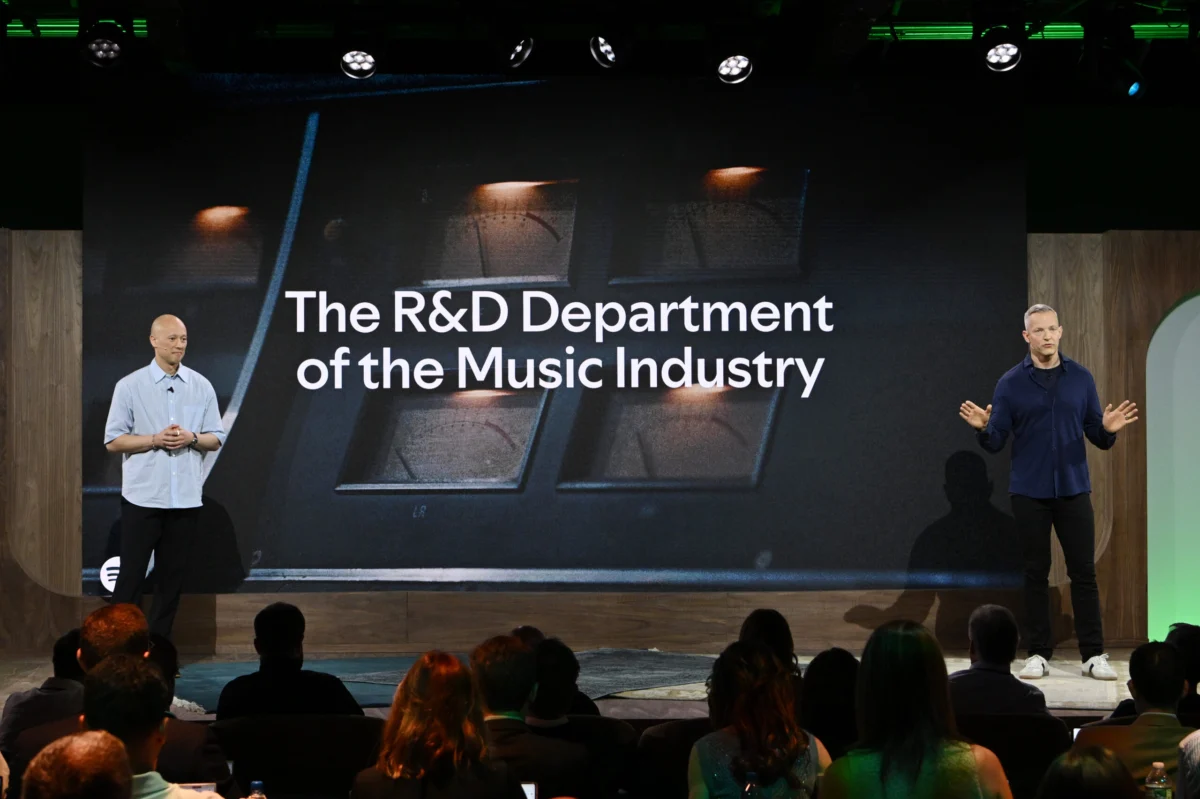
Mirik Milan, co-founder of VibeLab, emphasized the resilience of the scene during the presentation. "Behind the numbers is a night culture that is thriving, even as the business around it is under immense pressure," Milan said. "New ideas often come out of crisis. Let’s give nightlife culture the space to do what it does best: bring people together."
Jan-Willem van de Ven, managing director of ADE, took a more critical stance regarding the economics of the industry. "You can’t have a nighttime industry without a nighttime culture, and that culture depends on people being able to take part," van de Ven noted. "When a club night costs a day’s wages or more in some cities, that is a question for all of us, including the industry."
Looking Ahead: The Future of Nighttime Policy
The implications of the Nighttime Culture Index are clear: without deliberate policy interventions, the global nightlife ecosystem risks becoming a homogenized, high-cost sector that excludes the creative youth and marginalized communities who provide its energy.
To address these challenges, the report implicitly calls for:
- Subsidized Access: Greater public and private funding for DIY spaces and events that serve marginalized groups.
- Infrastructure Investment: Improved public safety, lighting, and transit services in "nighttime districts" to bridge the gap between venues and the streets.
- Regulatory Reform: Simplifying the permit processes for promoters to reduce the financial burden on small-scale, innovative event organizers.
- Wage Stability: Addressing the sustainability of wages for workers who keep these cities running until dawn.
As the global community reflects on these findings, it is evident that nightlife is not merely a form of entertainment—it is a vital component of a healthy, democratic urban life. Whether the findings of the 2026 Index will catalyze policy changes remains to be seen, but the data is now indisputable: the night is under pressure, and its future requires as much attention as the day.