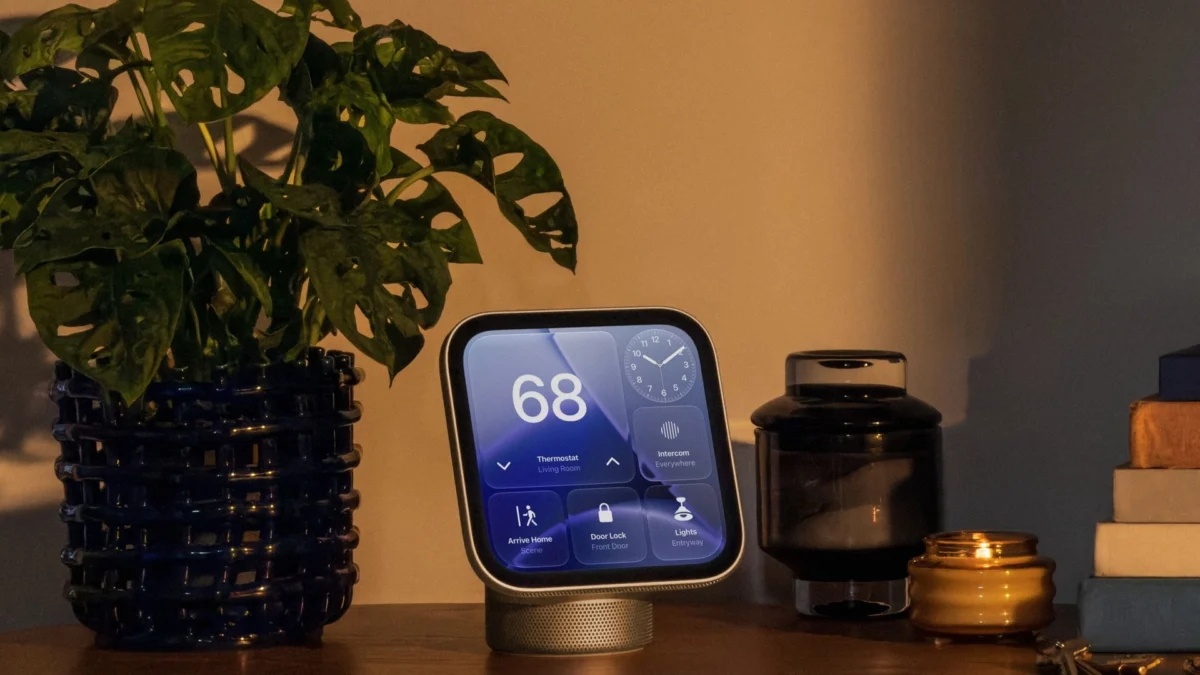
After years of relentless speculation and industry rumors regarding a screen-equipped smart speaker, Apple has officially pulled back the curtain on its newest hardware category. Dubbed the Apple HomeView, the device bridges the gap between high-end spatial audio systems and intelligent home automation hubs.
Priced at £299 / $299 / AU$449 and available for pre-order ahead of a November 13 shipping date, the HomeView represents Apple’s most aggressive push yet into the connected home ecosystem. Equipped with a 7-inch Liquid Retina display, sophisticated acoustic engineering, and deep integration with Apple Intelligence, the device is designed to be the definitive centerpiece of the modern automated household.
Main Facts
The Apple HomeView is engineered as a multi-functional smart home hub that combines the ambient computing features of a tablet with the robust acoustic performance traditionally associated with high-end wireless speakers.
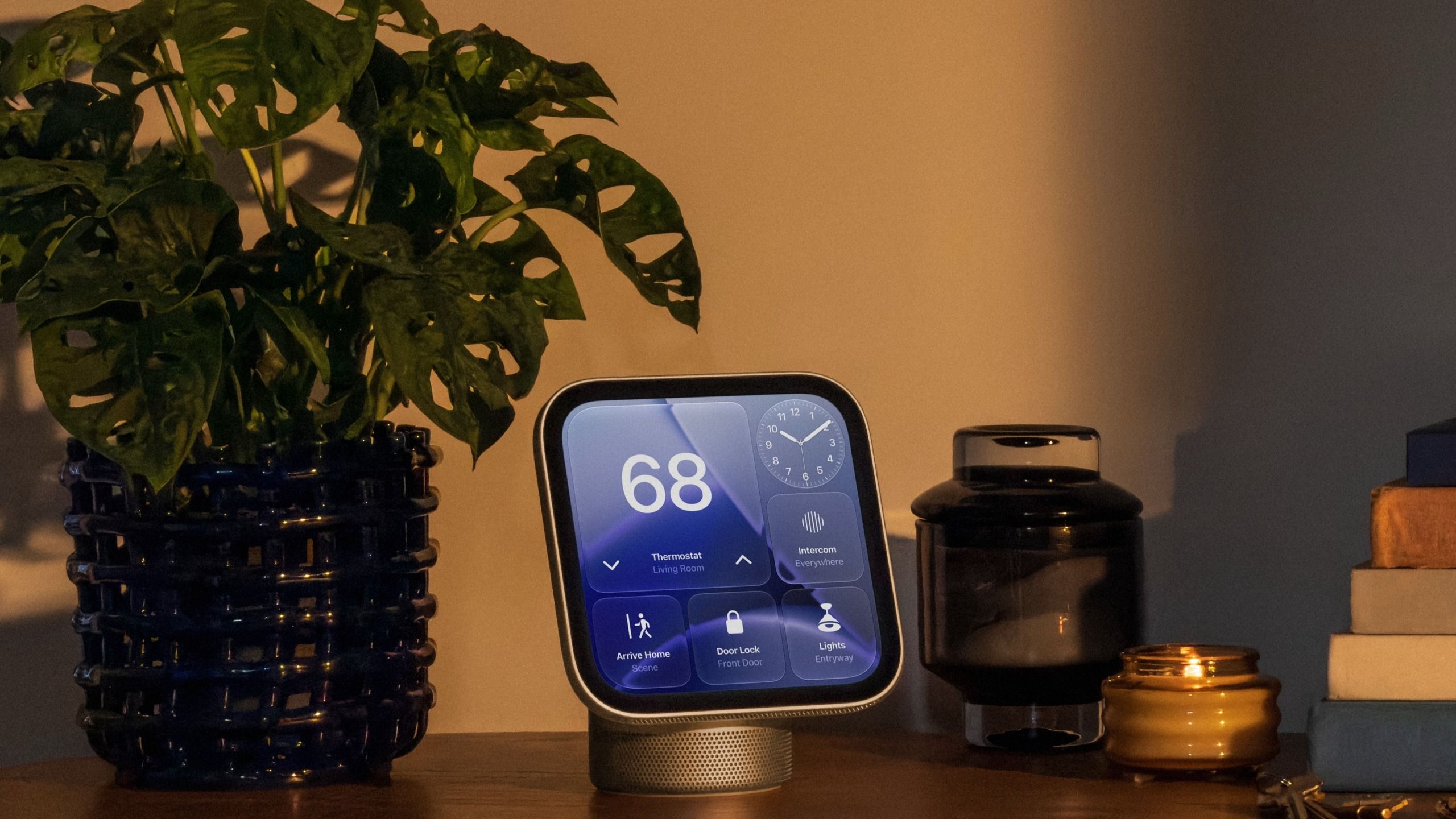
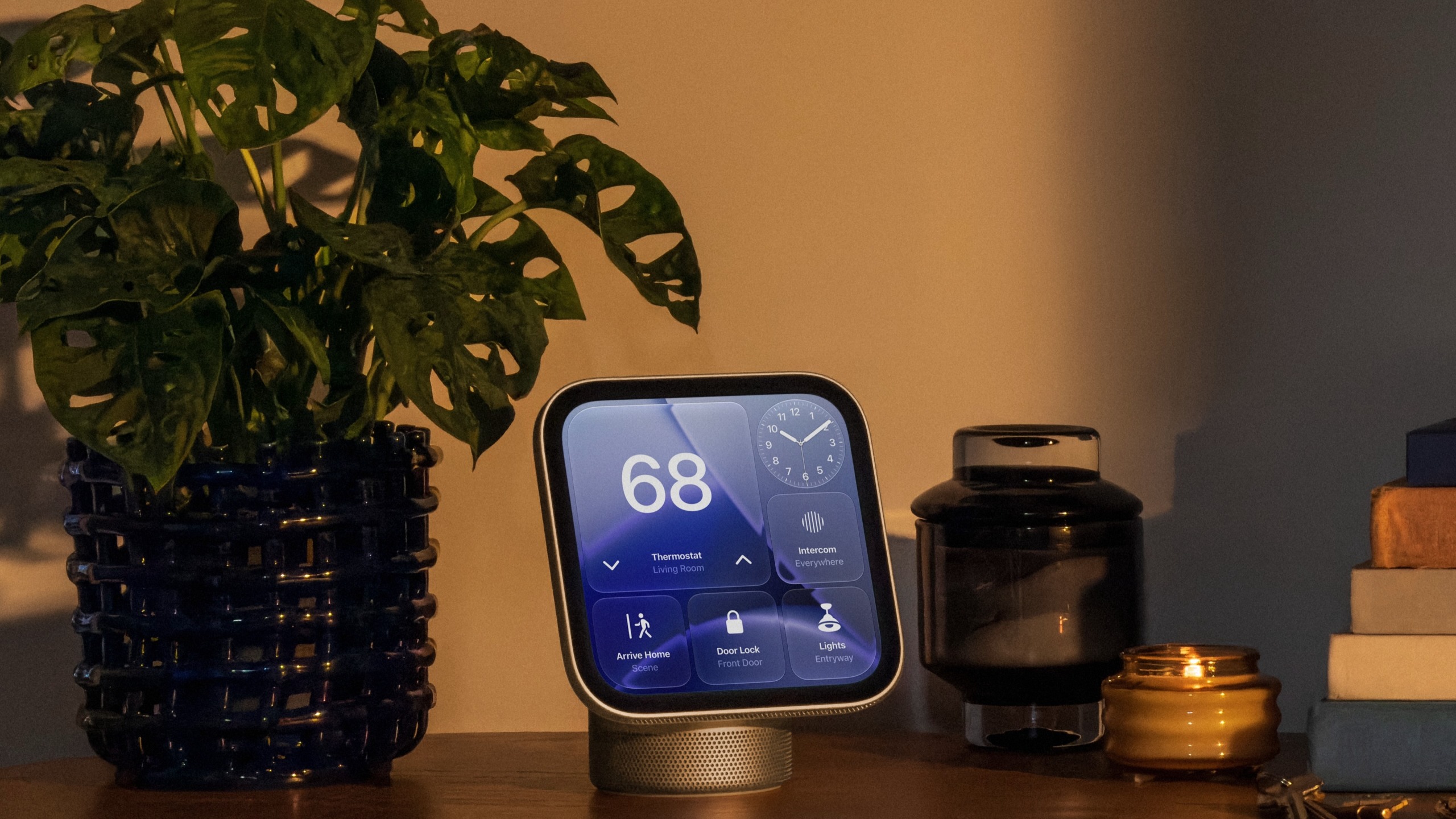
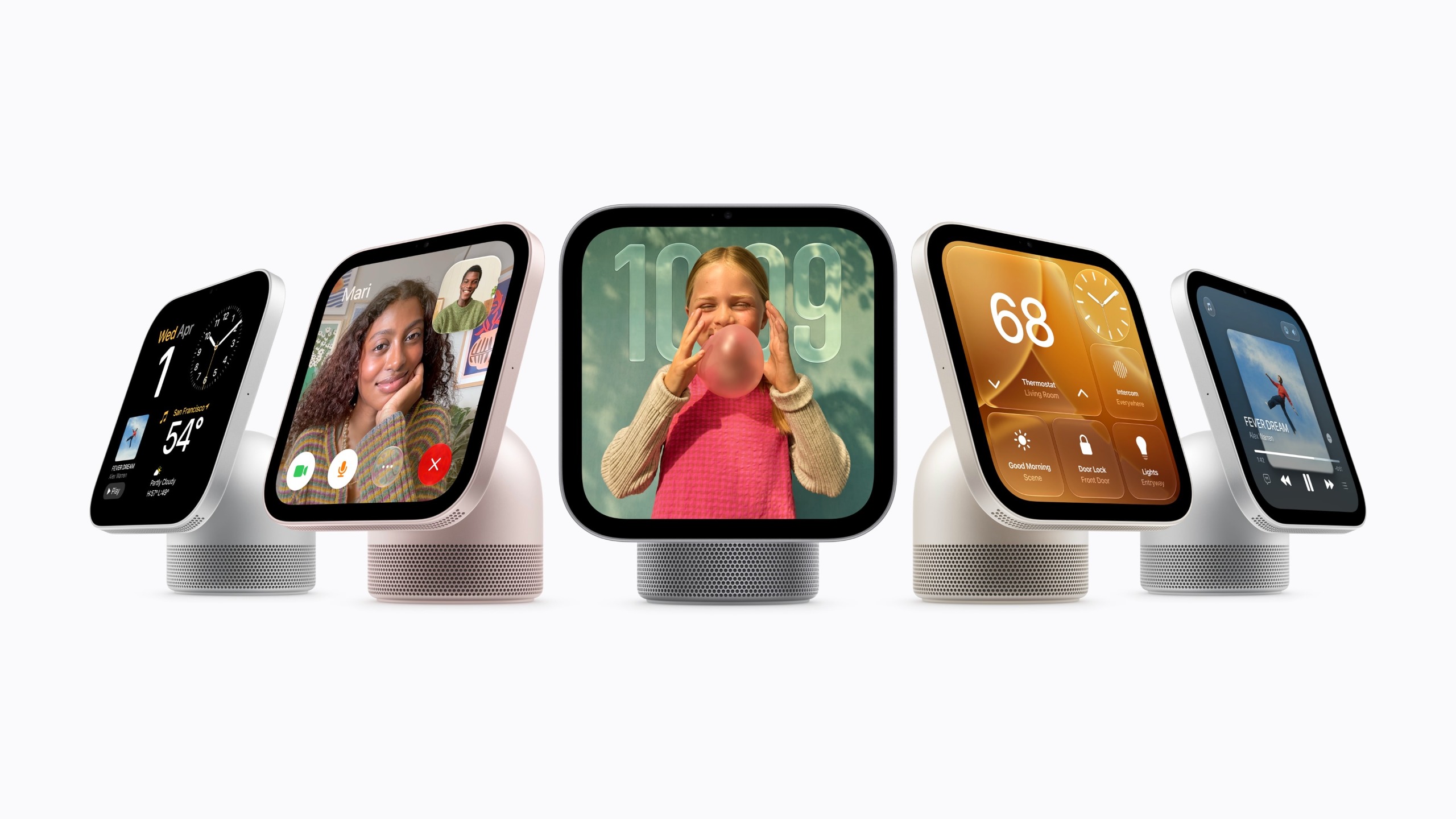
- Display and Design: The centerpiece of the HomeView is a 7-inch Liquid Retina touchscreen featuring TrueTone technology, which dynamically adjusts color temperature based on ambient lighting conditions. The display features an auto-brightness range spanning from a brilliant 500 nits down to a dim 0.3 nits for nighttime viewing. It is available in four finishes: silver, starlight, rose pink, and space grey.
- Configurations: Consumers can purchase the HomeView in two distinct configurations for the same price (£299 / $299 / AU$449):
- Surface Model: Features a weighted base connected via a stainless-steel hinge that allows the screen to tilt to optimal viewing angles.
- Wall-Mounted Model: Designed for flush wall placement (though mounting fittings and the power supply require separate purchases).
- Audio Engineering: Despite its compact screen, the surface-mounted HomeView houses two custom full-range drivers behind the display for Spatial Audio, alongside a down-firing woofer and two force-cancelling passive radiators in the base. Computational audio powered by Apple silicon and real-time sensors continuously optimizes loudness and bass response. The wall-mounted version adapts its computational audio profiles specifically for on-wall acoustics.
- Smart Features & AI: Powered by Apple Intelligence, the HomeView utilizes facial recognition to serve personalized home screens for up to six individual users. Control is managed via touch inputs or voice commands through Siri. The device also supports Apple Handoff, allowing users to seamlessly transfer media playback from an iPhone simply by holding the handset near the display.
- Ecosystem Hardware: Alongside the HomeView, Apple introduced the "Apple Home Collection"—a new suite of smart home accessories including cameras, thermostats, and smart locks developed in collaboration with LG Electronics and Schneider Electric.
Chronology of the Rumor Mill: From "HomeAccessory" to HomeView
To understand the significance of the HomeView launch, it is necessary to retrace the multi-year development timeline that led to its release. For nearly half a decade, supply chain analysts, patent filings, and code leaks pointed toward Apple developing a screen-based home device.
2020–2021: Early Code Discoveries
Shortly after the launch of the second-generation HomePod and the continuous success of the HomePod mini, developers diving into early iOS beta code began noticing references to an unreleased operating system framework tentatively dubbed "homeOS." Analysts speculated that Apple was laying the groundwork for a dedicated tablet-style interface meant to run stationary smart home devices.
2022–2023: The Wall-Mounted Tablet Speculation
By 2023, reports from reliable supply chain insiders suggested that Apple was experimenting with low-cost smart home displays. These early rumors painted a picture of a magnetic, wall-mountable tablet designed primarily for controlling HomeKit accessories, viewing security camera feeds, and facilitating household FaceTime calls. Industry watchers frequently compared the concept to Amazon’s Echo Show or Google’s Nest Hub lines, though analysts insisted Apple would position the device further upmarket.
Early–Mid 2024: Apple Intelligence and the Pivot to AI
The trajectory of the device shifted internally with the maturation of Apple Intelligence. As generative AI features rolled out across iOS, iPadOS, and macOS, Apple realized that a stationary home hub required robust, on-device processing capabilities to manage complex contextual data securely. Development accelerated on a device codenamed internally with hybrid smart-speaker-meets-display capabilities.
Late 2024–Present: Official Unveiling
The culmination of these years of iteration arrived with the official announcement of the HomeView. By offering both desktop-base and wall-mounted variants at a competitive entry price point of $299, Apple has finally answered years of consumer demand for a native visual interface within its smart speaker ecosystem.
Supporting Data and Technical Specifications
A closer examination of the HomeView’s hardware reveals how Apple intends to justify its price point relative to competing smart displays in the market.
| Feature / Specification | Apple HomeView Details |
|---|---|
| Price | £299 / $299 / AU$449 (Same price for both base and wall-mounted models) |
| Display | 7-inch Liquid Retina Display with True Tone; 0.3 to 500 nits auto-brightness |
| Audio Architecture | 2x custom full-range drivers (in-display); 1x down-firing woofer & 2x force-cancelling passive radiators (base model only) |
| Computational Audio | Real-time sensor-driven loudness and bass optimization; custom profiles for wall mounting |
| Smart Controls | Touchscreen interface, Siri AI voice recognition, facial recognition for up to 6 distinct users |
| Finishes | Silver, Starlight, Rose Pink, Space Grey (with color-matched cables) |
| Ecosystem Integration | Apple Music (animated album art & lyrics), Apple TV, FaceTime, Calendar, iMessage, Handoff, Apple Home Collection accessories |
| Release Schedule | Pre-orders open now; official shipping begins November 13 |
The user interface of the HomeView is dynamically responsive. Thanks to built-in proximity and spatial awareness sensors, the level of detail displayed on the 7-inch screen adjusts depending on how far away the user is standing. When viewed from across the room, it presents large, glanceable widgets—such as clock faces, weather updates, or animated characters like Snoopy interacting with local events. As the user approaches, the interface expands to reveal detailed calendar entries, message threads, or granular smart home controls.
Official Responses and Industry Reactions
Initial reactions from audio-visual critics and industry analysts have been generally positive, though experts highlight that the device’s true utility depends heavily on a consumer’s existing investment in the Apple ecosystem.
Speaking on the audio capabilities, hardware reviewers have praised the inclusion of force-cancelling passive radiators in the base model, noting that it addresses the historic weakness of small-form-factor smart displays: weak, tinny sound reproduction.
"The HomeView is designed as a smart home hub first, but it refuses to compromise on audio quality," noted one early audio reviewer. "By borrowing acoustic engineering principles from the larger HomePod line, Apple has created a device that can comfortably double as a kitchen or bedside music system without sounding like an intercom."
From a software perspective, privacy advocates and tech analysts have commended Apple’s use of on-device facial recognition to manage multi-user profiles. By keeping user context local and leveraging Apple Intelligence securely, the HomeView avoids routing private household calendar and messaging data through external cloud servers—a key selling point for privacy-conscious consumers wary of smart home surveillance.
However, some market researchers have noted potential friction points. The wall-mounted version, while priced identically to the base model at $299, requires separate purchases for specialized mounting hardware and power supplies, which may deter casual buyers looking for a simple out-of-the-box installation. Furthermore, the device’s deepest contextual features—such as personalized briefs drawing on iMessage and Calendar data—require pairing with an Apple Intelligence-compatible mobile device, such as an iPhone 18 Pro.
Implications for the Smart Home Market
The arrival of the Apple HomeView signals a significant maturation phase for the smart home industry. For years, the market has been dominated by low-cost, ad-supported, or data-harvesting smart displays from companies like Amazon and Google. Apple’s entry establishes a premium alternative that prioritizes high-fidelity audio, robust local privacy controls, and seamless ecosystem integration.
1. Consolidation of the Smart Home Control Center
For households already invested in iPhones, iPads, and Apple TV, the HomeView eliminates the friction of opening a phone app to check security camera feeds, adjust thermostats, or answer a video call. By consolidating these functions into a dedicated, stationary display with a high-end speaker system, Apple has created a unified control center that anchors the living space or kitchen.
2. Pushing Hardware Standards Upward
Competitors in the smart display space will likely be forced to re-evaluate their acoustic engineering and privacy standards. As consumers experience the spatial audio performance and computational audio tuning of the HomeView, expectations for what a "smart speaker with a screen" should sound like will rise correspondingly.
3. Deepening Ecosystem Retention
Perhaps most importantly, the HomeView acts as a powerful gravitational pull within the Apple ecosystem. Features like Handoff, animated Apple Music lyrics, personalized Siri voices via facial recognition, and integration with the new Apple Home Collection lock-in users further into Apple’s proprietary hardware and software services.
As pre-orders roll out and shipments commence on November 13, the tech world will be watching closely to see how consumers embrace Apple’s vision of the connected home. Whether the HomeView becomes a ubiquitous household appliance or remains a niche luxury for dedicated Apple enthusiasts will depend on how fluidly its hardware and AI capabilities perform in real-world living environments.