Introduction and Main Facts
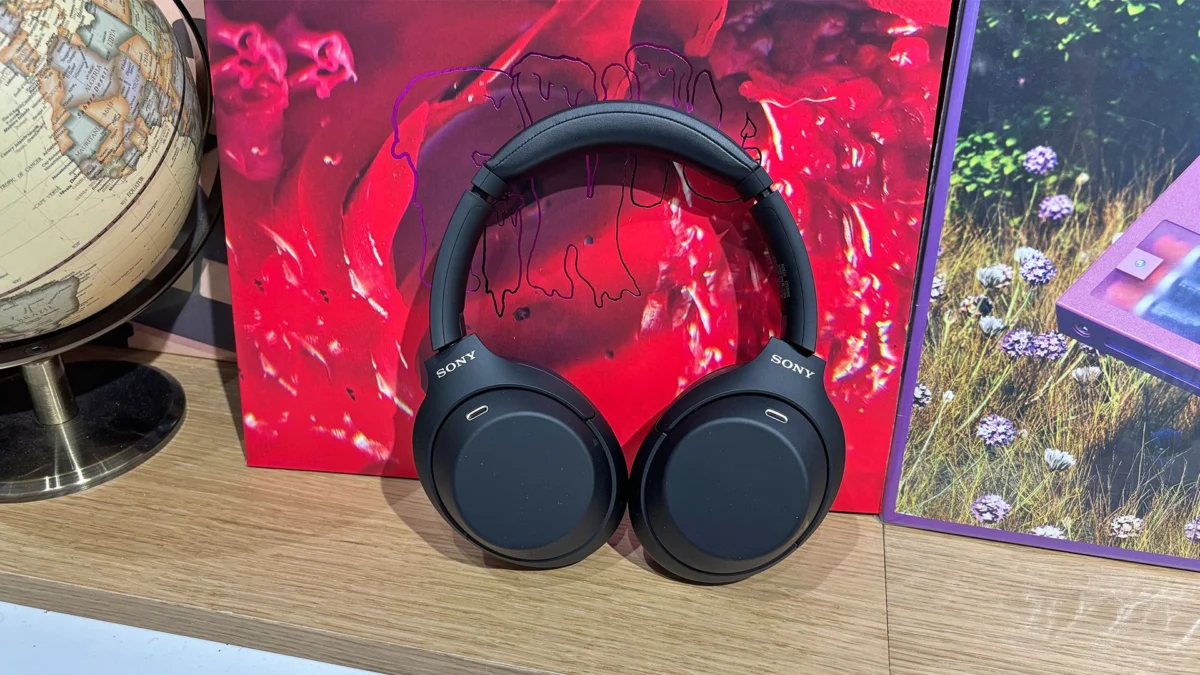
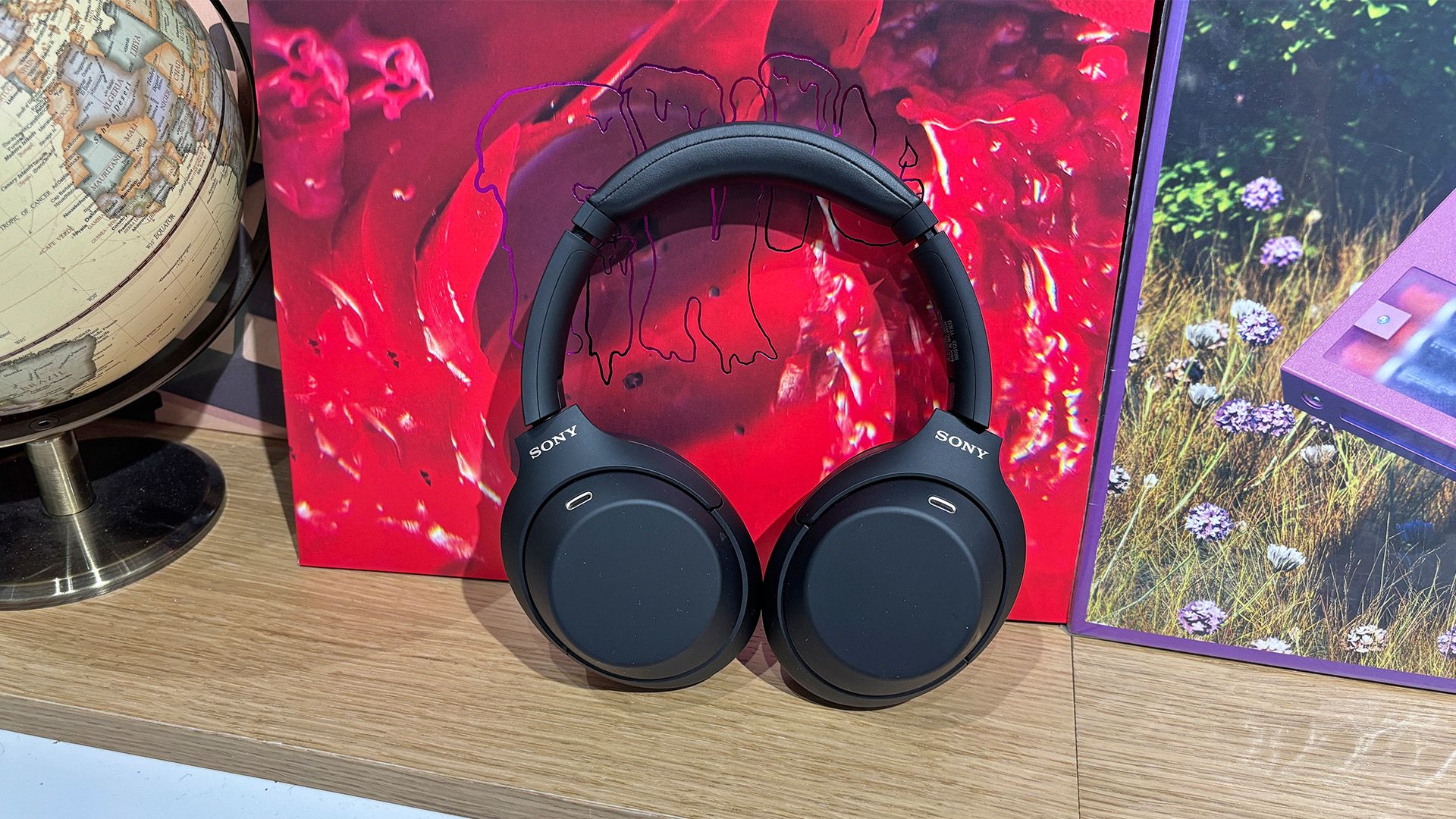
In an unexpected move that has caught the consumer electronics industry completely off guard, Sony has announced the launch of the WH-1000XM4C. Reintroducing a discontinued classic is a rare strategy in the fast-paced world of personal audio, but Sony’s latest release breathes new life into one of its most celebrated designs. Priced at £219 / $300 / AU$450, the WH-1000XM4C successfully bridges the gap between mid-range audio equipment and high-end flagship products.
The original WH-1000XM4 holds a legendary status as the first and only wireless headphone model featured in the prestigious What Hi-Fi? Hall of Fame. By bringing back this much-loved design with subtle, modern updates, Sony has created an entry-level premium option that undercuts heavy-hitting flagships from competitors like Bose, Sennheiser, and Technics. Equipped with Bluetooth 6.0, LDAC codec support, and a redesigned internal layout to meet upcoming environmental regulations, these headphones prove that classic designs can still dominate the market.
Chronology and Regulatory Catalysts: Why the XM4 Returned
The journey of the WH-1000XM4C is heavily tied to both consumer demand and impending European Union legislation.
- August 2020: Sony launches the original WH-1000XM4 headphones to critical acclaim, establishing them as the gold standard for active noise-cancelling (ANC) over-ear devices.
- May 2022: The successor model, the WH-1000XM5, debuts with a redesigned, non-folding aesthetic, shifting Sony’s design language forward.
- Subsequent Years: The original XM4 models remain ubiquitous in public spaces, retaining immense popularity among commuters and audiophiles alike, eventually earning a spot in the What Hi-Fi? Hall of Fame.
- 2025–2026: Sony develops the WH-1000XM4C specifically to address regulatory changes while keeping production costs efficient.
- October 2026: Sony officially releases the WH-1000XM4C to the global market, positioning them as a value-oriented alternative to the newer WH-1000XM6 and the ultra-exclusive 1000X The Collexion.
The primary driving force behind the physical modifications of the XM4C is EU Battery Regulation (EU) 2023/1542. Set to take full effect in February 2027, this mandate stipulates that portable electronic devices must feature user-removable batteries. Because the original XM4 possessed a permanently sealed power source, Sony had to re-engineer the internal architecture. The engineers integrated a slightly smaller, removable battery to ensure compliance, proving that regulatory pressures can directly shape hardware lifecycles in unexpected ways.

Design, Build, and Technical Specifications
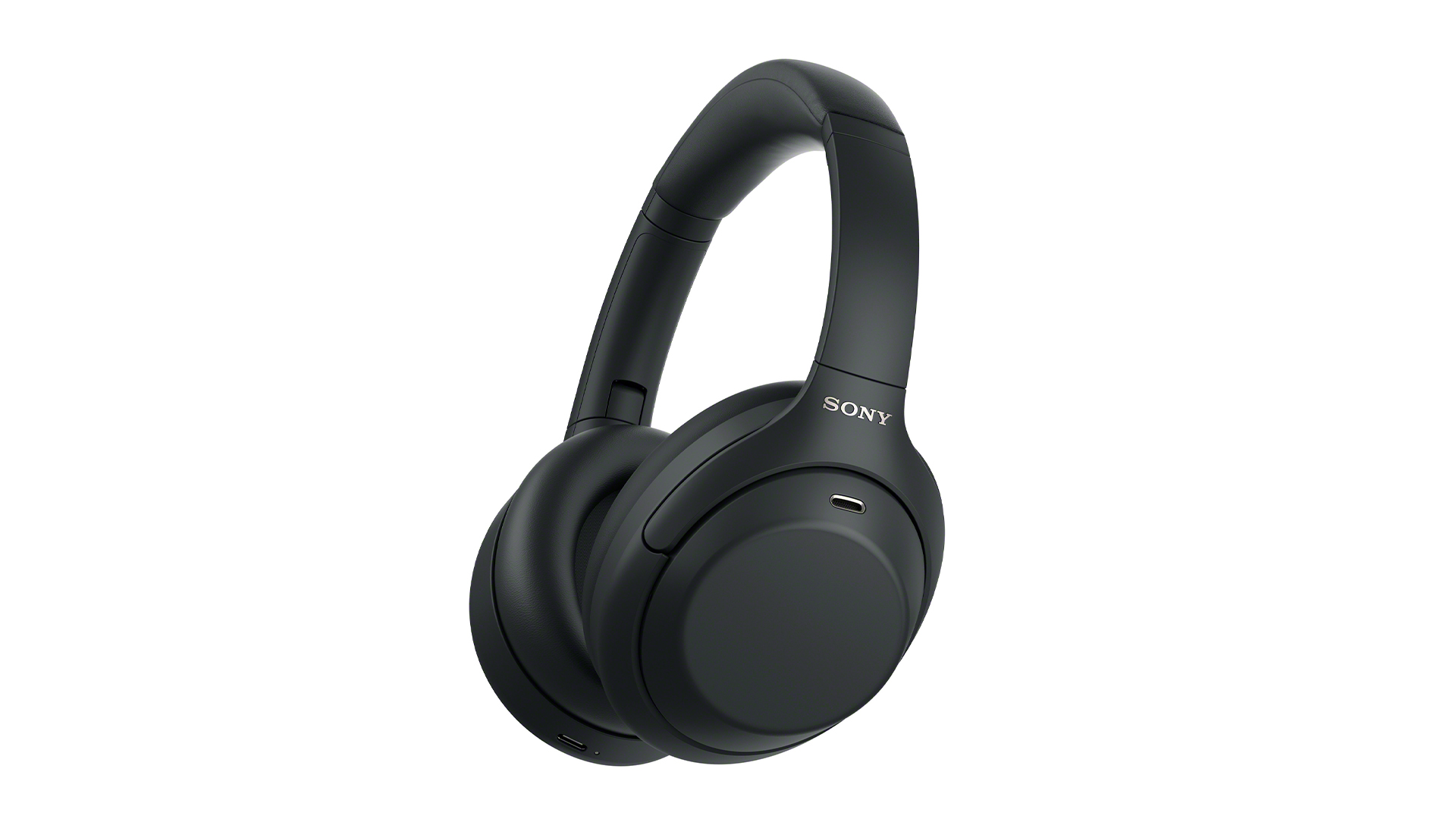
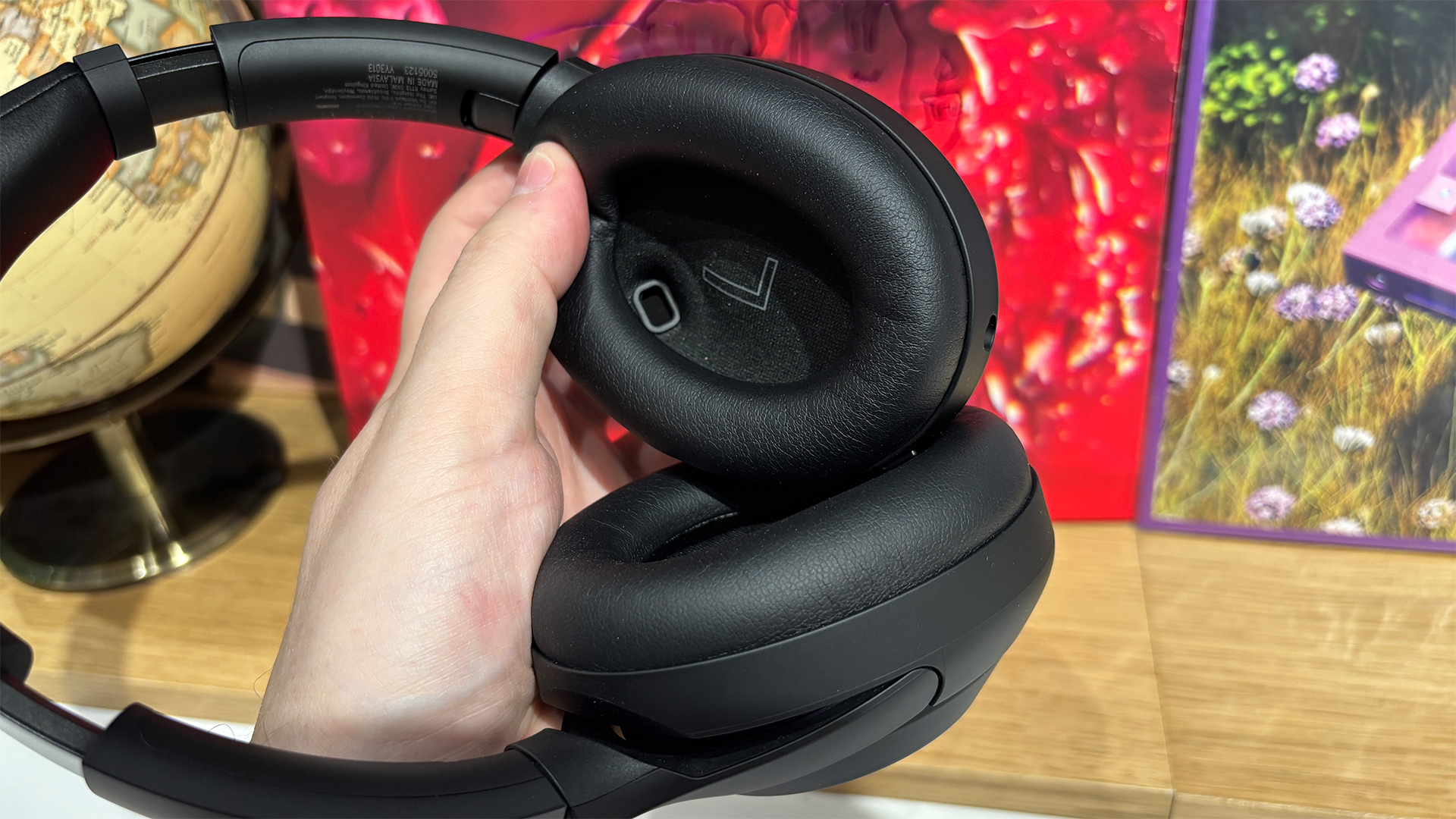
At first glance, telling the WH-1000XM4C apart from the original XM4 is a game of microscopic spot-the-difference. The iconic silhouette, foldable hinge mechanism, and plush synthetic leather padding remain completely intact, ensuring the same exceptional long-term wearing comfort.
However, closer inspection reveals several refined touches:
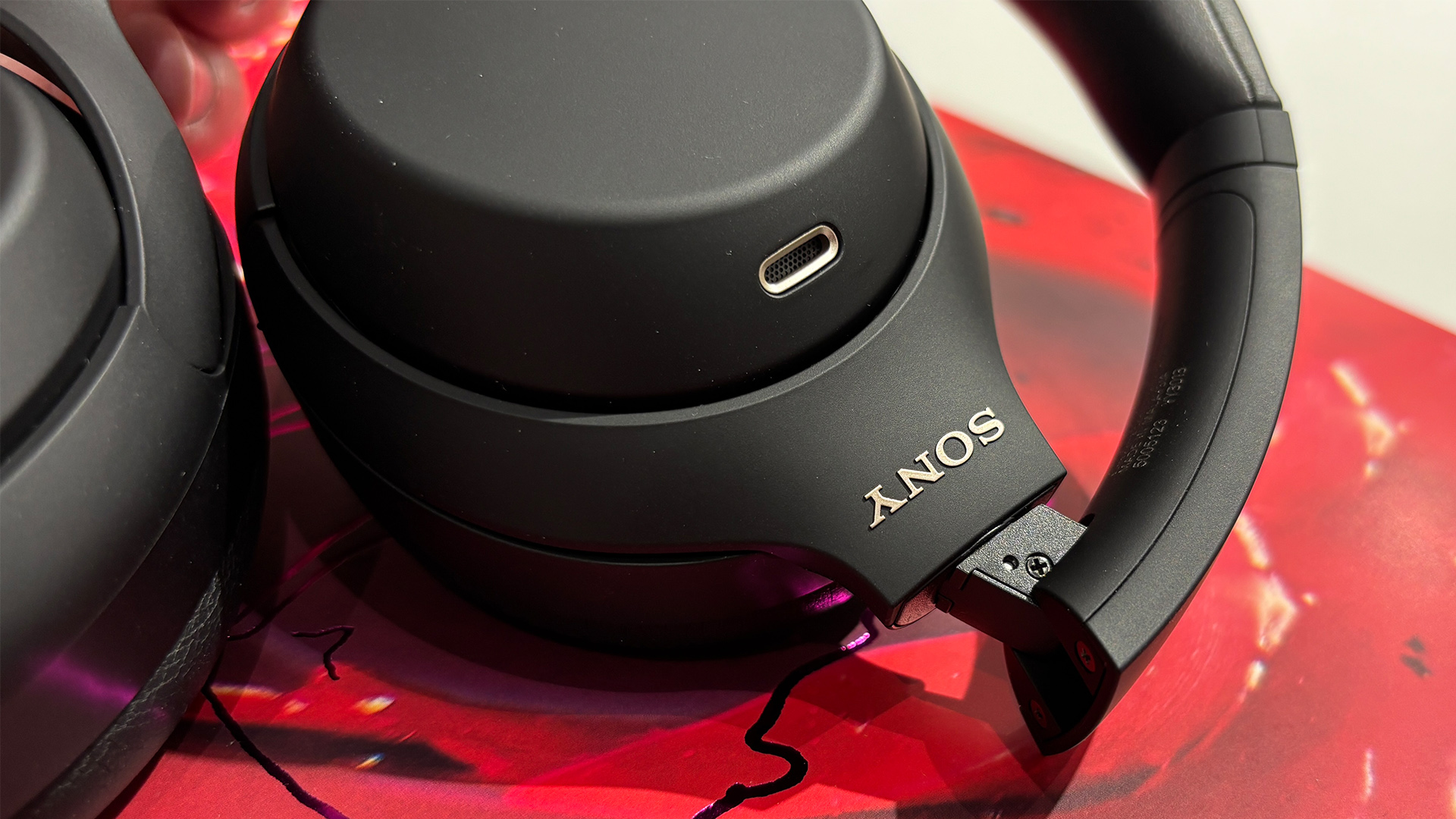
- Branding and Markings: The Sony logo now features a cooler silver finish rather than the rose-gold tint of the past. Clear "L" and "R" directional markers are stamped onto the inner mesh of each earcup for effortless orientation.
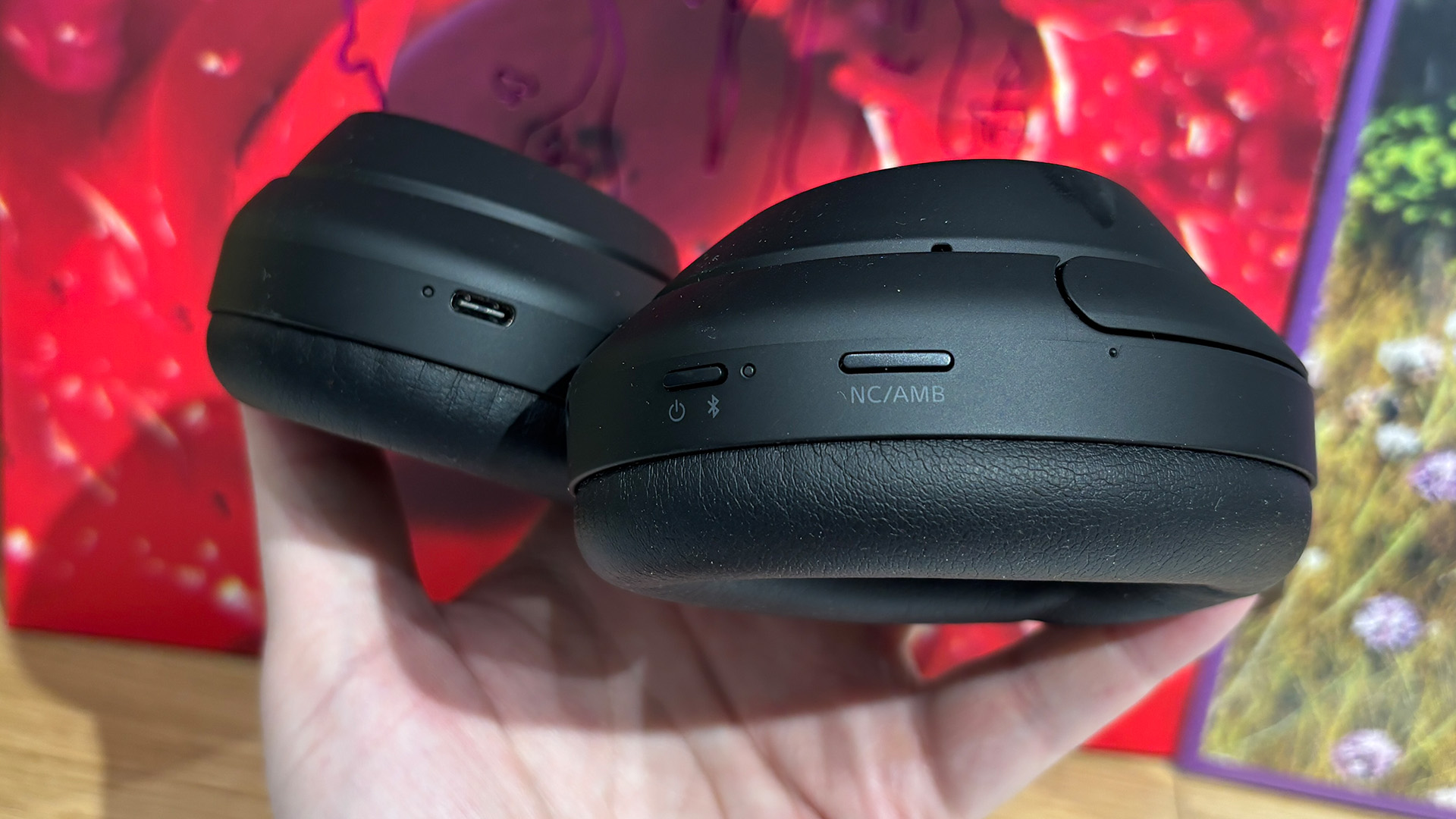
- Nomenclature Updates: The model name has been cleanly removed from the lower headband edge, and the custom function button has been renamed to "NC/Ambient" to accurately describe its primary duty.
- Color Options: Alongside the classic Black and Platinum Silver (which features a slightly lighter hue than before), Sony has introduced a brand-new Lavender colorway.
Key Technical Specifications Table
| Feature | Specification |
|---|---|
| Connectivity | Bluetooth 6.0 with Multipoint Support |
| Supported Codecs | SBC, AAC, LDAC (No aptX/aptX HD) |
| Driver Units | 40mm Dynamic Drivers |
| Battery Life | Up to 27 hours with Active Noise Cancelling (ANC) enabled |
| Weight | 253g (1 gram lighter than the original) |
| Color Finishes | Black, Platinum Silver, Lavender |
Performance Deep Dive: Features, ANC, and Sound Quality
Features and Battery Performance
The introduction of a smaller, removable battery has reduced overall playback stamina from 30 hours down to 27 hours with ANC turned on. While a three-hour reduction is noticeable on paper, it remains more than adequate for daily commutes and long-haul flights.
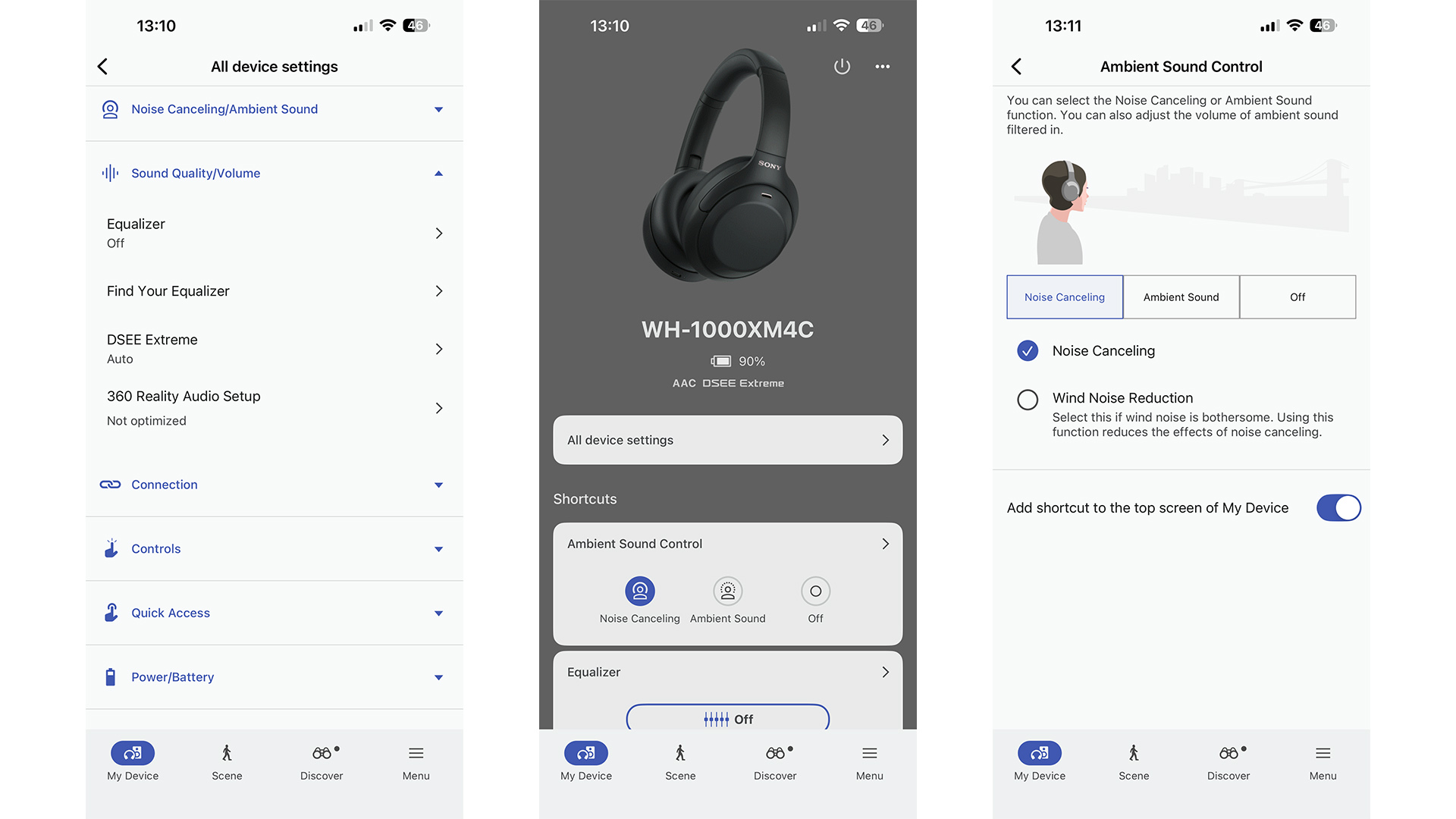
The headphones continue to utilize Sony’s proprietary DSEE Extreme engine, which employs Edge-AI technology to upscale compressed audio files in real-time. Furthermore, convenience features like Speak-To-Chat (which automatically pauses music and enables ambient pass-through when you speak) and Quick Attention (lowering music volume when you cover the right earcup with your hand) make a welcome return.
Noise-Cancelling and Call Quality
Driven by the tried-and-tested HD Noise Cancelling Processor QN1, the WH-1000XM4C excel in noisy environments. Utilizing Sony’s Personal NC Optimiser—activated via a long press on the NC/Ambient button—the headphones emit a series of test tones to auto-calibrate noise suppression based on your unique ear shape and physical surroundings.
Whether tackling the clatter of a bustling café or the low-frequency rumble of a train engine, the ANC performs admirably. Call quality is similarly reliable; voices are transmitted with clarity and natural expression, steering clear of the robotic distortion common in lower-end headsets. Notably, the XM4C exhibits superior wind-noise suppression compared to its predecessor.
Sonic Performance
Sonically, the WH-1000XM4C capture the infectious musicality that made the original line famous, with a few refined upgrades.
- Electronic Music: Tested with Fred again..’s Turn On the Lights Again, the headphones deliver deep, wallowing bass notes that remain dextrous, tightly controlled, and neatly defined, all while maintaining an infectious sense of timing and rhythm.
- Rock and Alternative: On Rage Against The Machine’s Killing In The Name, the XM4C offer powerful drum thwacks, sharp guitar strings, and expressive vocals set against an impressively quiet background.
- Orchestral and Soundtracks: Listening to Hans Zimmer’s Day One from the Interstellar soundtrack highlights the delicate low-level dynamics of the opening piano keystrokes. As the orchestra swells, the headphones step up effortlessly, offering an open soundstage with well-defined instrument separation.
Official Responses and Market Positioning
Sony’s decision to revive a legacy product as an entry-level luxury offering has sparked significant industry commentary. Company representatives have emphasized that the WH-1000XM4C are designed to democratize high-end wireless audio, offering consumers world-class features without demanding flagship-tier expenditures.
Market analysts note that the launch creates a fascinating internal rivalry. With the newer WH-1000XM5 currently discounted heavily at major retailers—putting them in the exact same price bracket as the fresh WH-1000XM4C—buyers face a unique dilemma. Sony has indicated that legacy inventory of older models will phase out completely by February 2027, leaving the XM4C as the definitive baseline premium option going forward.
Broader Implications for the Audio Industry
The launch of the Sony WH-1000XM4C carries several major takeaways for the consumer electronics market:
- The Precedent of Right-to-Repair Legislation: By redesigning a historical product specifically to integrate a removable battery, Sony has shown that major manufacturers are willing to adapt hardware architectures ahead of strict EU mandates. This could signal a wider industry shift away from permanently glued, disposable electronics.
- Redefining Product Lifecycles: Instead of pushing continuous, radical redesigns that occasionally alienate consumers (such as the non-folding move of the XM5), manufacturers may look toward "retro-refreshes" that optimize proven hardware formulations.
- Value Realignment: At £219 / $300, the XM4C successfully pressure competitors to rethink their mid-tier pricing strategies, providing premium sound quality and robust ANC at a fraction of the cost of modern 2026 flagship releases.
Ultimately, the Sony WH-1000XM4C prove that you do not always need to reinvent the wheel to deliver a stellar product. By combining a classic, comfortable design with minor sonic polish and regulatory compliance, Sony has secured another triumph in the personal audio space.