Main Facts: Stepping Into a Saturated Soundbar Arena
In the contemporary home entertainment landscape, standing out as a soundbar manufacturer is akin to being a single mackerel in an expansive, fast-moving shoal. The market is thoroughly oversaturated with sleek hardware promising cinematic immersion, yet many promising options ultimately fail to leave a lasting impression. Entering this hyper-competitive fray is Samsung’s latest offering: the HW-QS90H.
Priced competitively at £799 / $899 (approximately AU$1500), the QS90H is engineered to capture a significant share of the mid-to-high-end Dolby Atmos soundbar market. Samsung boldly claims that the device is capable of delivering "cinema-quality sound from one sleek soundbar."
However, it faces fierce, multi-award-winning competition. Its primary adversaries include the stellar Sonos Arc Ultra (priced around £849 / $899 / AU$1585) and the critically acclaimed Sony Bravia Theatre Bar 9 (retailing at roughly £999 / $1499 / AU$1799). To justify its place in your living room, the Samsung HW-QS90H must balance high-end specifications—such as a 7.1.2-channel layout, 13 distinct drivers, physical up-firing height channels, and integrated DTS:X support—against nuanced audio fidelity and dynamic finesse.
Chronology and Development: Samsung’s Evolution in Immersive Audio
Samsung has cultivated a robust reputation for designing immersive home cinema audio packages over recent years, most notably highlighted by the five-star HW-Q990H flagship system. Building on this engineering heritage, the development of the HW-QS90H focused heavily on versatility, spatial audio expansion, and modern smart integration.
Design and Physical Build Evolution
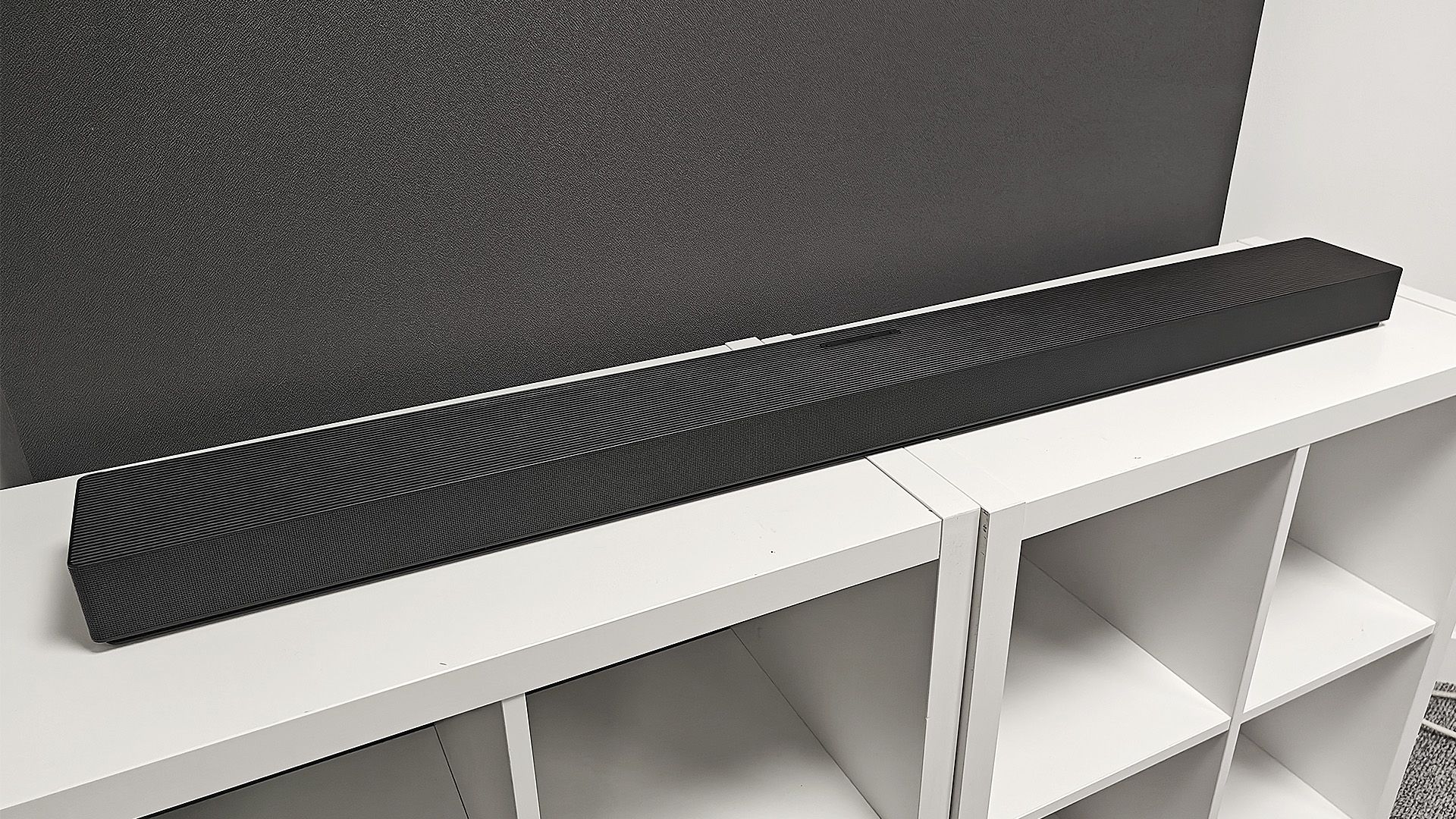
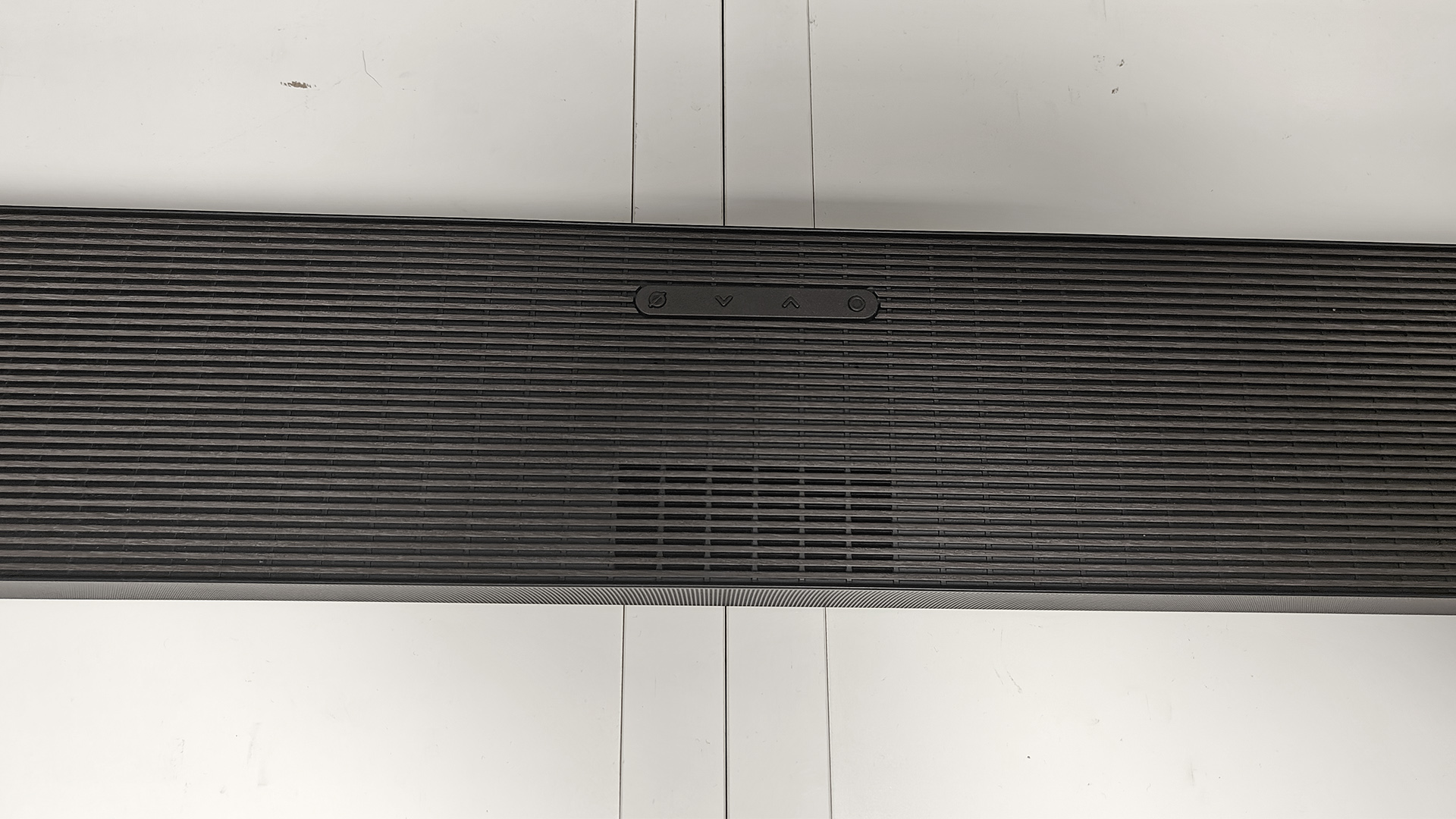
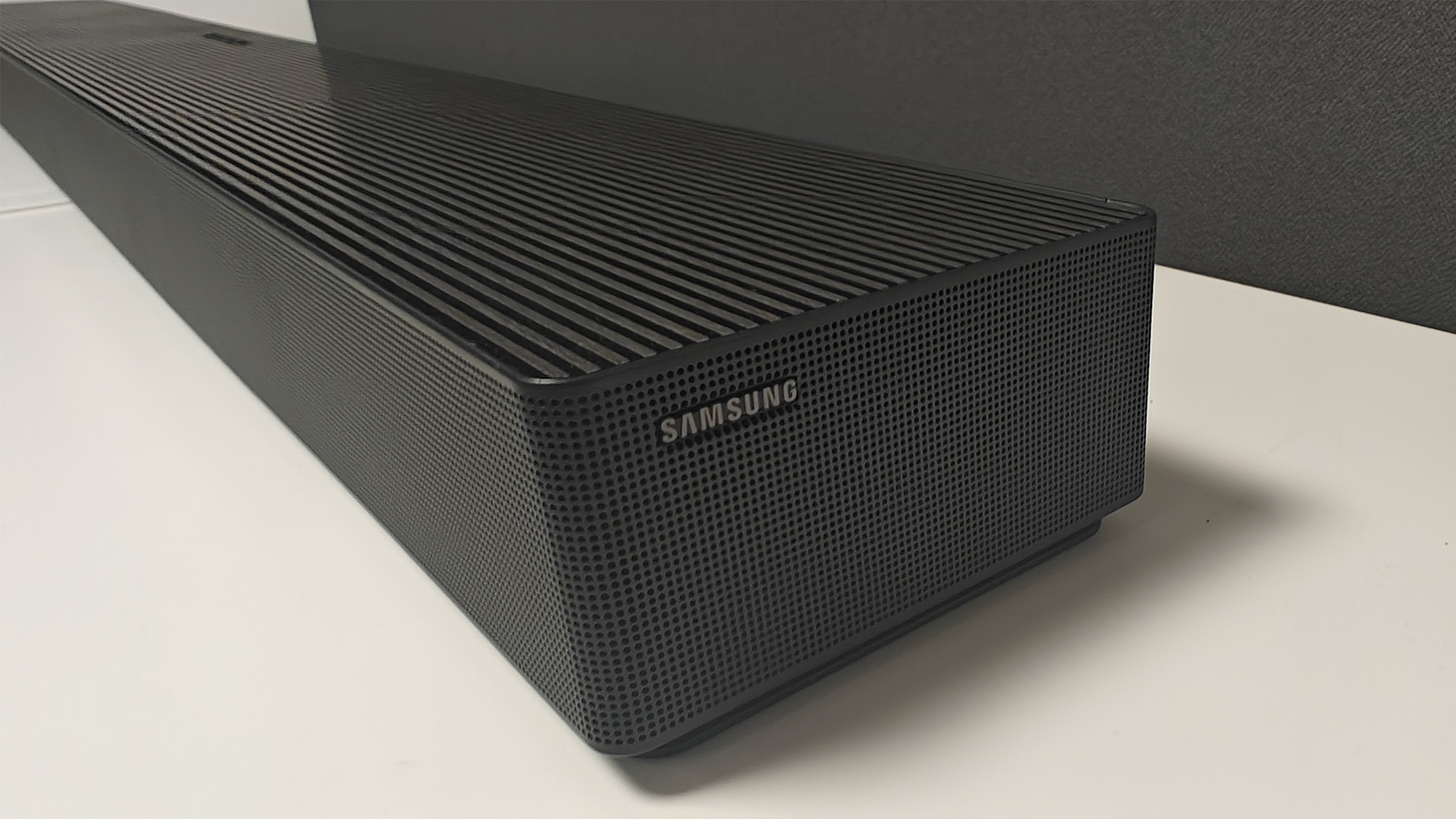
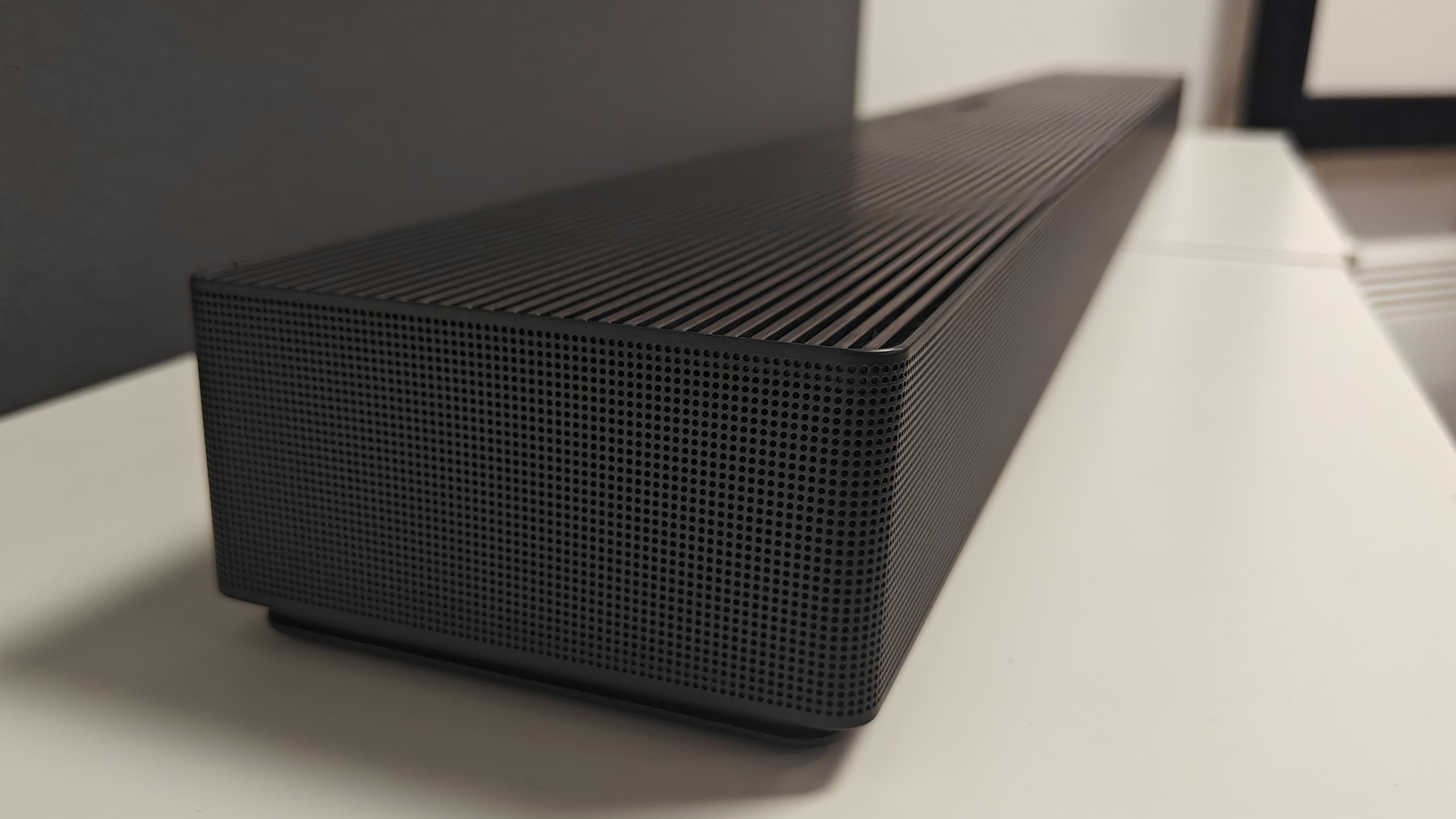
Unpacking the QS90H reveals a design language that will immediately comfort anyone familiar with Samsung’s recent audio hardware. It mirrors the aesthetic of the Q990H system bar, sporting a familiar grey plastic grille on its upper surface alongside a perforated wrap-around finish.
- Dimensions: Measuring 7cm high, 125cm wide, and 13cm deep, the bar weighs in at 6.7kg.
- Compatibility: At 125cm wide, it neatly complements a 65-inch television while remaining visually proportionate to 50-inch and 55-inch screens.
- Placement: Standing 7cm tall, it is low-profile enough to sit comfortably in front of most modern TVs without obstructing the bottom edge of the display, provided adequate clearance is maintained for non-wall-mounted setups.
Despite its solid build quality and premium finish, some critics note that Samsung’s design ethos is beginning to feel somewhat familiar, suggesting that the brand’s soundbar lineup could benefit from a visual "glow-up."
Supporting Data and Technical Specifications
A deep dive into the hardware specifications of the Samsung HW-QS90H reveals a robust, feature-rich audio system designed for modern media consumption.
Core Hardware Specifications
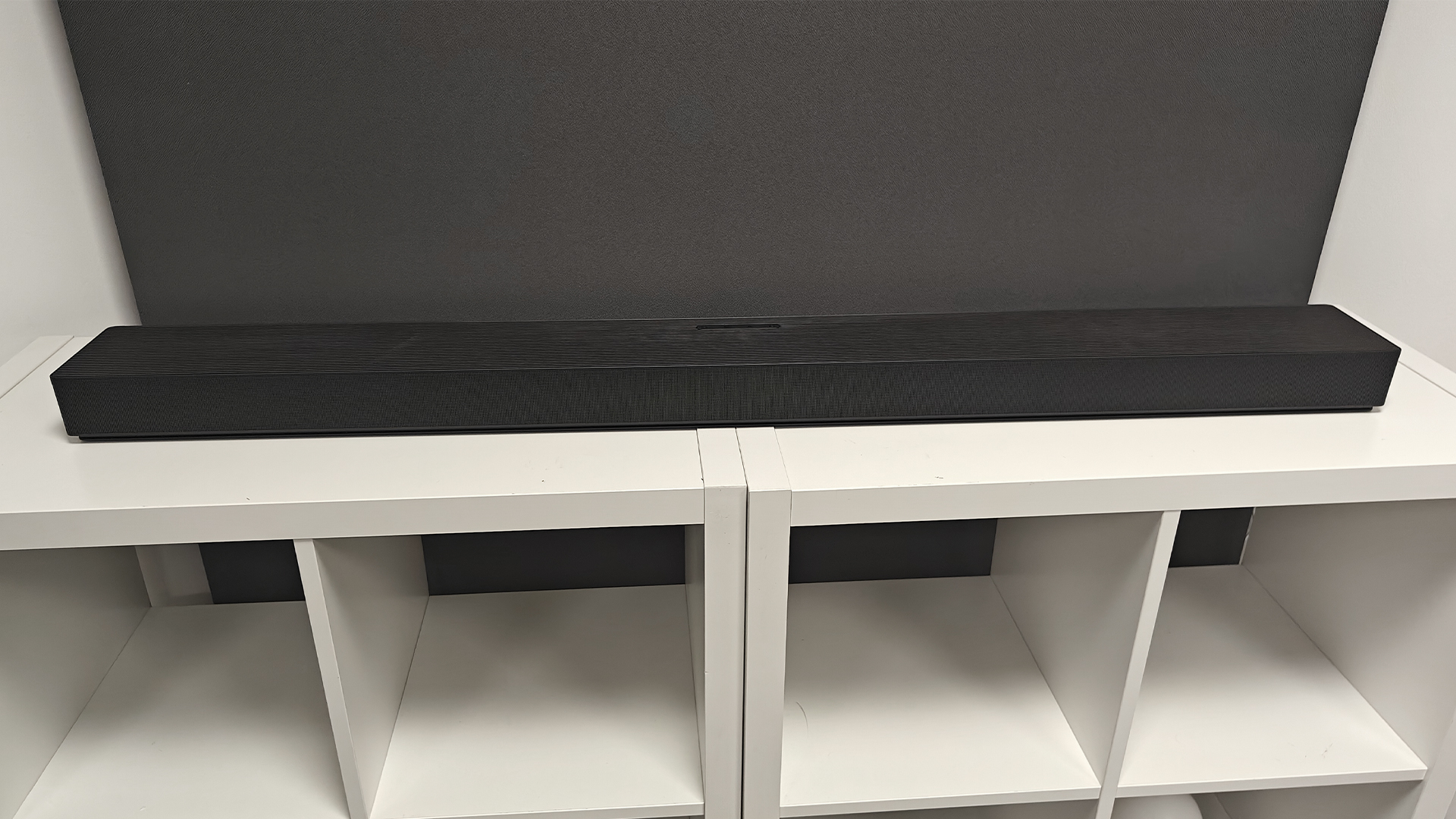
- Connectivity: HDMI eARC, 1x HDMI input, Wi-Fi, Bluetooth 5.3, and AirPlay 2.
- Audio Format Support: Dolby Atmos, DTS:X, and Eclipsa Audio (Samsung’s proprietary spatial format, currently utilized primarily for YouTube content).
- Streaming Protocols: Spotify Connect, Tidal Connect.
- Smart Ecosystem & Voice Control: Integration with the SmartThings app, Amazon Alexa, and Google Assistant.
- Driver Configuration: 7.1.2-channel layout featuring 13 total drivers (nine wide-range drivers supported by four dedicated woofers).
Flexible Positioning and Smart Calibration
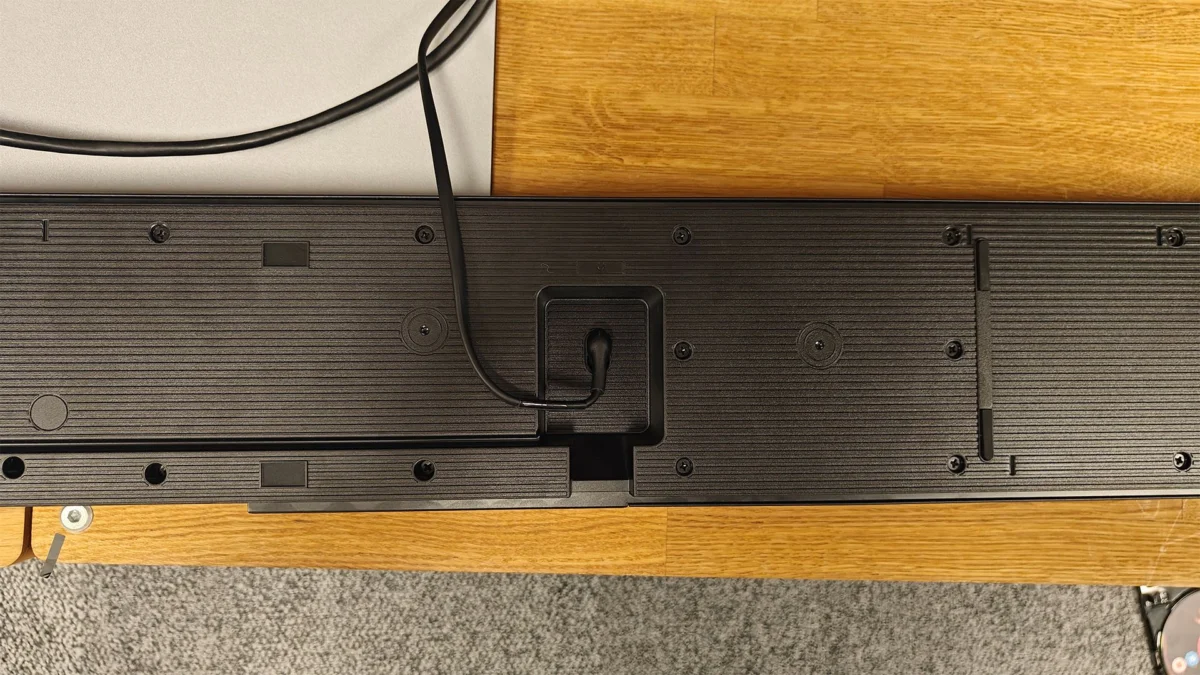
One of the standout hardware features of the QS90H is its flexible placement capability. Users can position the bar flat on a media unit in a traditional orientation, or rotate it 180 degrees to mount the base flush against a wall. An onboard internal gyroscope automatically detects the orientation and reconfigures the roles of the front-facing and upward-firing drivers accordingly.
Furthermore, integrating the soundbar with Samsung’s SmartThings app unlocks advanced utility. The Smartfit Sound Pro feature utilizes the soundbar’s built-in microphones to automatically calibrate acoustic output to the unique dimensions of your living space. Additional AI-driven inclusions feature Active Voice Amplifier Pro, designed to lift and clarify spoken dialogue in acoustically challenging or noisy environments.
Official Responses and Performance Analysis
To properly evaluate Samsung’s claims of "cinema-quality sound," expert listening rooms subjected the HW-QS90H to rigorous testing across a variety of demanding cinematic and musical sources.
Movie Performance: Scale vs. Finesse
When booting up Top Gun: Maverick encoded in Dolby Atmos (running in the soundbar’s Surround mode), the QS90H immediately impresses with scale. The thrum of jet engines roaring across the soundfield is delivered with immense width, wrapping around the listening position. The bar’s spatial tracking is precise, and the physical up-firing drivers project height effects effectively—creating a convincing illusion of overhead audio presence that mimics actual ceiling-mounted speakers.
However, shifting to dialogue-heavy and dynamic scenes—such as Baby Driver—reveals minor shortcomings. While dialogue remains crisp and clean, the soundbar lacks the delicate dynamic finesse required to capture the full emotional and expressive subtleties of spoken word when compared directly to rivals like the Sonos Arc Ultra. Activating the built-in Voice Enhancement mode pulls vocals forward, but doing so compromises the natural timbre of the mix, leading most purists to leave the feature switched off.
Bass and Low-End Delivery
The QS90H boasts a remarkably deep low-end response. During action sequences, engine revs and explosions vibrate satisfyingly through the floorboards. Yet, this bass leans toward sheer power over absolute refinement. When pushed to maximum limits, the soundbar can become harsh and edgy, though it remains composed at sensible, everyday listening volumes.
Music Playback
Streaming music via Qobuz over Bluetooth in Standard mode demonstrates the bar’s solid rhythmic foundation. Tracks like Renee Rapp’s At Least I’m Hot benefit from a punchy bassline that immediately engages the listener. Nevertheless, at peak volumes, vocals can occasionally exhibit slight harshness. While the Sonos Arc Ultra cannot match the absolute depth of the Samsung’s bass extension, it counters with a more cohesive, emotive, and musically expressive overall presentation.
Implications for Consumers and the Market
The arrival of the Samsung HW-QS90H solidifies the brand’s commitment to delivering feature-rich, high-impact home cinema audio at a competitive mid-tier price point (£799 / $899).
Pros and Cons Summary
- Reasons to Buy:
- Expansive, room-filling soundstage with genuine physical Dolby Atmos height effects.
- Exceptional low-end bass depth and power.
- Highly versatile physical positioning supported by automated gyroscope reorientation.
- Comprehensive feature set including DTS:X support, HDMI eARC, Wi-Fi, and smart calibration via SmartThings.
- Reasons to Avoid:
- Lacks the dynamic finesse and absolute vocal refinement of top-tier rivals like the Sonos Arc Ultra.
- HDMI video passthrough is capped at 60Hz rather than 120Hz, limiting hardcore gamers with 4K/120Hz requirements.
- Industrial design feels iterative and may lack visual novelty for some buyers.
Final Verdict
For consumers currently relying solely on flat-screen television built-in speakers, the Samsung HW-QS90H represents a massive, crowd-pleasing upgrade. While it falls slightly short of unseating the best-in-class market leaders in terms of sheer musicality and micro-dynamic expression, its impressive spatial immersion, robust connectivity, and competitive pricing make it a worthy contender—particularly if found discounted in seasonal sales.