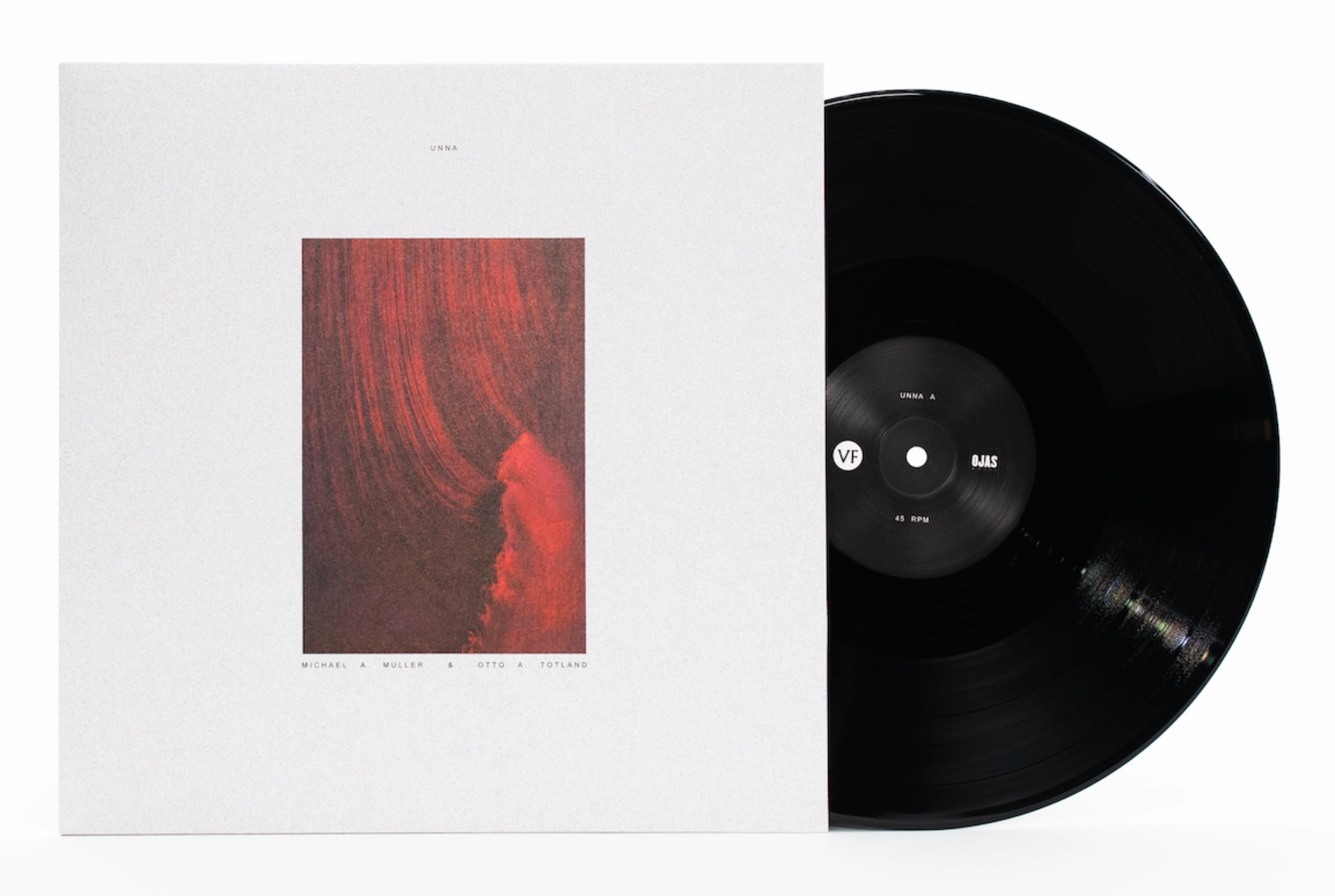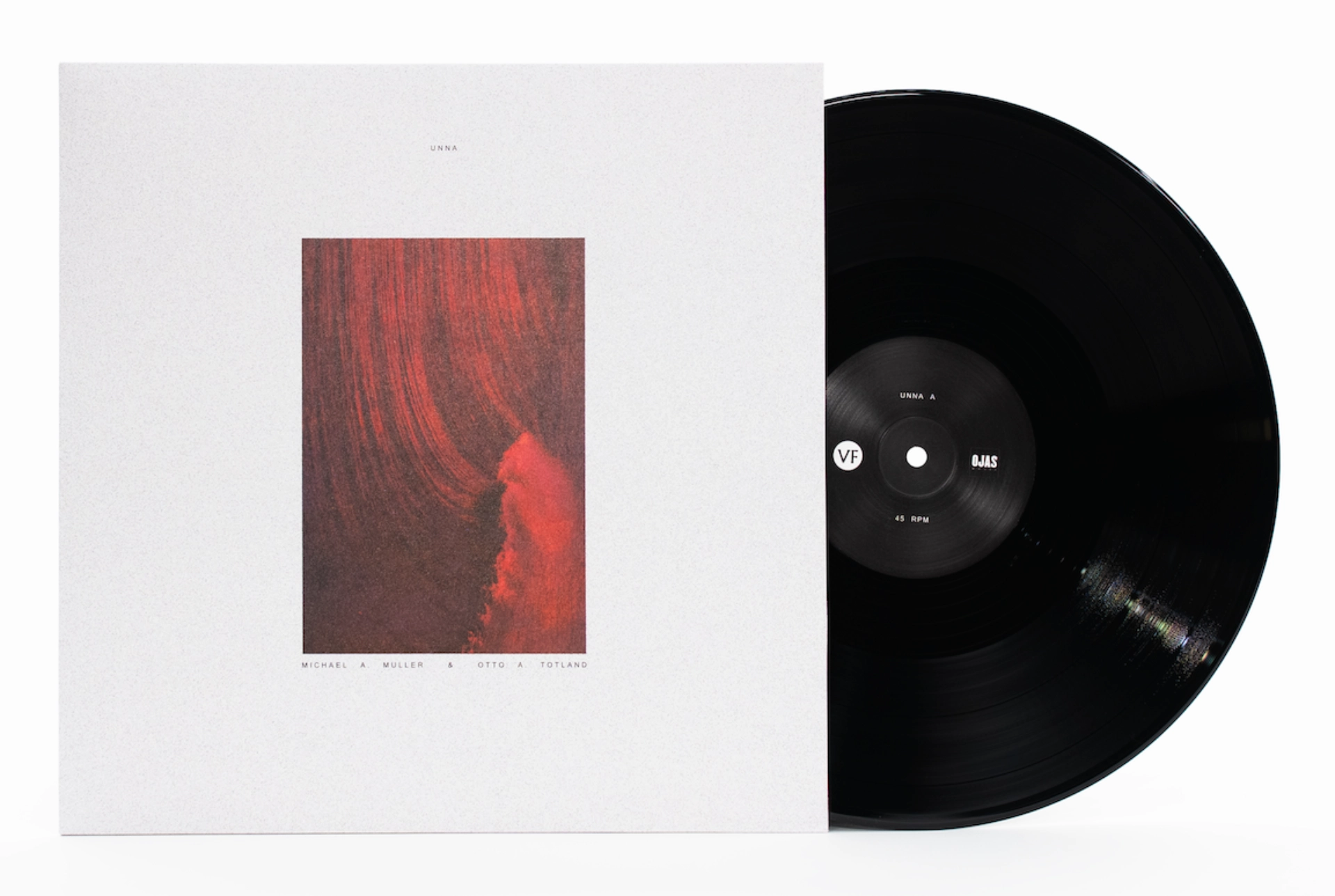
In the realm of high-fidelity audio and minimalist composition, the intersection of equipment and atmosphere has long been a pursuit of the obsessive. This week, that pursuit finds a new home with the launch of Ojas Music, the record label arm of Devon Turnbull’s acclaimed audio and design company, Ojas. To mark its debut, the label has partnered with The Vinyl Factory to release Unna, a breathtaking collaborative EP from two of modern ambient music’s most revered figures: Michael A. Muller of Balmorhea and Otto A. Totland of Deaf Center.
The release is more than a collection of songs; it is a statement of intent for a label dedicated to the intersection of pristine sound reproduction and deeply emotive, minimalist artistry.
The Genesis of Ojas Music: A New Audiophile Standard
For those who have followed Devon Turnbull’s career, the transition into record label management feels like a natural evolution. Turnbull, known for his bespoke speakers and the immersive "HiFi Listening Room Dream No. 1" installation at London’s 180 Studios, has spent years curating spaces that prioritize the listener’s relationship with sound. By launching Ojas Music, Turnbull is closing the loop between the hardware—the speakers, the amplifiers, the cabinets—and the software, the music itself.
Unna, a Norwegian word meaning "away," serves as the inaugural artifact for this endeavor. It is a work designed to be heard in spaces that respect the silence between the notes, much like the listening rooms Turnbull has meticulously crafted.
Chronology of an Ambient Collaboration
The collaboration between Michael A. Muller and Otto A. Totland did not emerge overnight; it is the culmination of decades of distinct, yet parallel, musical evolution.
The Path of Michael A. Muller
Muller first gained international recognition as a co-founder of the minimalist instrumental duo Balmorhea. His career has been defined by a restless exploration of texture and space. Beyond his work with Balmorhea, Muller has cultivated a prolific solo career, characterized by his ability to bridge the gap between neoclassical piano and ambient soundscapes. His discography includes collaborations with titans of the avant-garde, such as Alva Noto, Hania Rani, and Víkingur Ólafsson. His work frequently features on prestigious labels like Deutsche Grammophon, cementing his status as a composer capable of profound emotional resonance.
The Path of Otto A. Totland
Parallel to Muller’s rise, Otto A. Totland was carving out his own legacy in Norway. As one half of the experimental duo Deaf Center, Totland helped define the "Type Records" sound—a blend of decaying piano loops, crackling tape hiss, and melancholic resonance that served as a blueprint for a generation of ambient artists. His solo piano trilogy, produced under the watchful eye of Nils Frahm, is widely considered a modern classic of the genre, showcasing a minimalist aesthetic that favors the "breath" of the instrument over technical flourish.
The Convergence: Creating ‘Unna’
The creative process for Unna was born out of both physical distance and a shared philosophical approach. The album functions as a double entendre: it refers to the literal miles between the American-based Muller and the Norwegian-based Totland, but it also describes the "inward pull" of the creative flow state. When the two artists entered their respective studios, they sought to reach a place where time recedes and the only thing that remains is the texture of the sound.
Supporting Data: The Sound of ‘Unna’
Unna is an exercise in restraint. The EP’s production methodology relies on a deliberate contrast between Totland’s intimate, close-miked piano and the expansive, organic textures introduced by Muller.
- The Piano: Totland’s piano is captured with such clarity that the mechanical sounds—the felt hitting the strings, the creak of the sustain pedal—become rhythmic elements in their own right. This aligns with the "audiophile" ethos of the Ojas label, which demands that the listener experience the instrument as if they were sitting at the bench with the performer.
- The Textural Counterpoint: To ground Totland’s piano, Muller contributes layers of double bass, glockenspiel, Mellotron, and Rhodes. These are not used as traditional accompaniment but rather as atmospheric "paint." The double bass provides a grounding frequency, while the Mellotron adds a ghostly, vintage warmth that anchors the EP in a timeless aesthetic.
- Physical Specifications: The release is limited to 500 copies on 180g vinyl. This weight was chosen not merely for prestige, but for the physical stability of the playback, ensuring that the subtle dynamic shifts within the compositions are preserved without the interference of excessive surface noise.
Official Responses and Philosophical Alignment
In conversations surrounding the release, Devon Turnbull has emphasized that Ojas Music is not intended to be a label of high volume, but one of high impact. "The listening environment is part of the composition," Turnbull noted in recent press materials. By partnering with The Vinyl Factory, he has ensured that the physical manifestation of the music matches the sonic excellence of the production.

For Muller and Totland, the partnership with Ojas was a rare opportunity to focus exclusively on sound quality. In an era where music is often consumed via compressed streams and mobile speakers, the collaborative nature of this project serves as a reminder that the medium remains the message.
"We wanted to make something that exists in the room," says Totland regarding the recording process. "The goal wasn’t to write a ‘song’ in the conventional sense, but to create a space that the listener could inhabit for twenty minutes."
Implications: The Future of High-Fidelity Music
The launch of Ojas Music carries significant implications for the contemporary music industry, particularly in the niche of ambient and neoclassical composition.
1. The Resurgence of the Audiophile Label
There is a growing market for labels that curate not just artists, but listening experiences. By linking the equipment—the "Ojas" brand—to the music, Turnbull is creating an ecosystem. This shift suggests that the future of independent music may lie in "vertical integration," where labels provide the hardware and the specialized physical media (high-quality vinyl) to ensure the music is heard as the artist intended.
2. The Return to Slow Listening
Unna is a deliberate rebuke to the "playlist culture" of modern streaming, where ambient music is often relegated to the background of productivity apps. By presenting the music as a limited-edition, 180g vinyl experience, the label demands the listener’s undivided attention. This encourages a return to "active listening," a practice that has seen a resurgence among a younger demographic interested in high-fidelity audio.
3. The Cross-Pollination of Design and Music
The success of 180 Studios and the HiFi Listening Room Dream installation demonstrates that there is a hunger for communal, focused listening. As Ojas Music grows, it will likely bridge the gap between architecture, design, and music. We can expect future releases to continue this trend, prioritizing albums that possess a physical weight and a sonic depth that requires—and rewards—the listener’s time.
Conclusion
With the release of Unna, Michael A. Muller and Otto A. Totland have provided a blueprint for how ambient music can function in an increasingly digitized world. It is a record that insists on its own materiality—the weight of the vinyl, the intimacy of the recording, and the silence of the listening room.
As Ojas Music looks toward the future, it does so with a clear mission: to honor the music and the listener in equal measure. Unna is not just the first record from a new label; it is the opening movement of a broader effort to elevate the standard of how we experience sound. For those willing to set aside the noise of the world and engage with the compositions on their own terms, Unna offers a rare, immersive sanctuary.
For further exploration:
- Listen: The visualiser for the lead track, "Rolig," is available on the Ojas Music and The Vinyl Factory platforms.
- Purchase: Unna is available now via The Vinyl Factory shop, limited to 500 copies.
- Context: To understand the philosophy behind the label, revisit the December 2023 interview with Devon Turnbull regarding the 180 Studios installation.