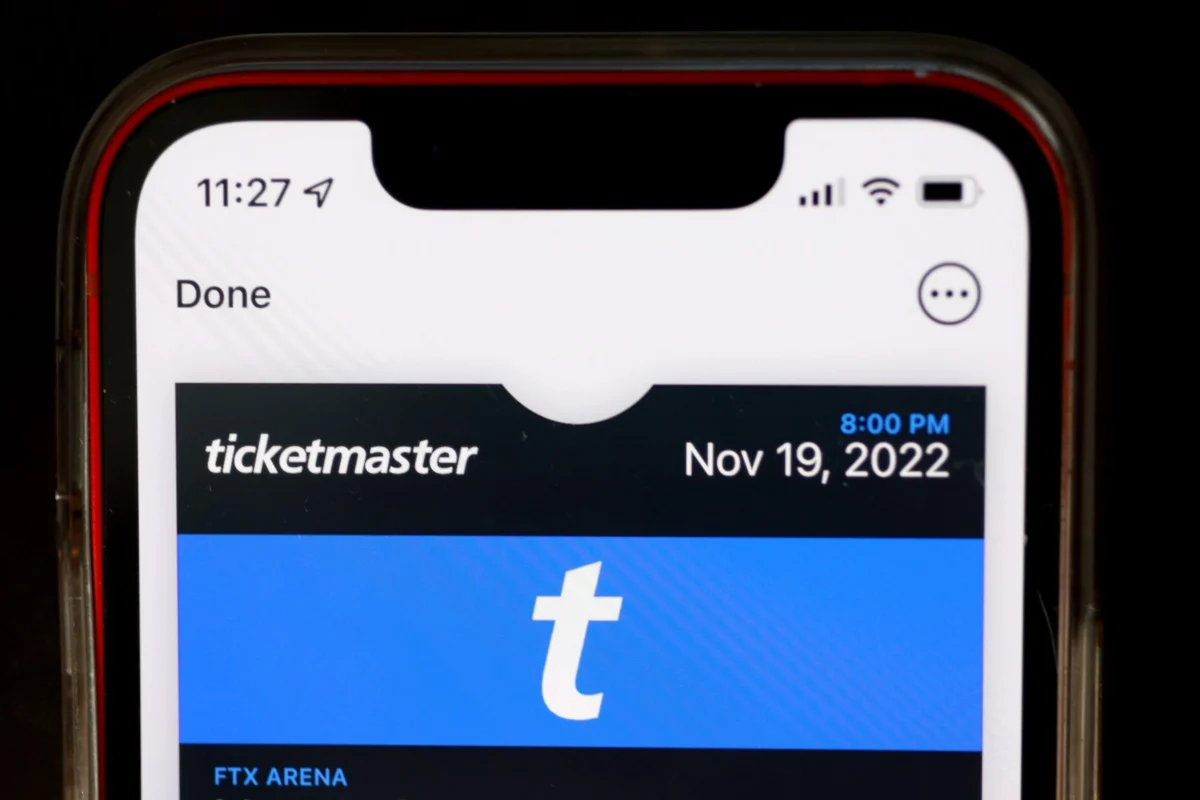
In a landmark decision that could reshape the landscape of the multi-billion-dollar live entertainment industry, a federal judge has ruled that Ticketmaster, the world’s largest ticketing platform, must face a lawsuit from the Federal Trade Commission (FTC) alleging systemic enabling of mass-scale ticket reselling and deceptive pricing practices.
The ruling, issued Monday (Sept. 28) by Judge Maame Ewusi-Mensah Frimpong, serves as a significant blow to Live Nation Entertainment, the parent company of Ticketmaster. By denying the company’s motion to dismiss, the court has paved the way for the FTC to present evidence that Ticketmaster knowingly facilitated the circumvention of security measures to profit from the secondary market. This development marks a pivotal moment in the ongoing battle between federal regulators and the powerhouse platform that has long been accused of monopolistic behavior.
The Core Allegations: The BOTS Act and “Turning a Blind Eye”
At the heart of the litigation is the Better Online Ticket Sales (BOTS) Act, a federal statute enacted to prevent the use of automated software to bypass security measures on ticket-selling websites. The FTC’s complaint contends that Ticketmaster—the very entity responsible for enforcing these protections—has actively undermined them to boost its bottom line.
The FTC alleges that Ticketmaster permitted professional ticket brokers to utilize thousands of fake accounts to bypass ticket purchasing limits. The agency posits that Ticketmaster’s primary motivation for this conduct was the generation of exorbitant resale fees. By allowing brokers to snap up massive inventories of tickets, Ticketmaster ensured those tickets would eventually be relisted on its own secondary market platform, where the company could double-dip on service fees.
In her order, Judge Frimpong was firm in rejecting the defense’s argument that the BOTS Act only applies to individual scalpers. "The BOTS Act does not preclude platforms from facing liability, and the court will not read it as doing so," she wrote.
A Chronology of the Conflict
The legal collision between the FTC and Ticketmaster did not happen in a vacuum. It is the culmination of years of mounting public frustration and regulatory scrutiny:
- 2016: The BOTS Act is signed into law, explicitly outlawing the use of software to circumvent security measures and limiting the number of tickets one person or entity can purchase.
- 2022: Following the disastrous rollout of Taylor Swift’s "Eras Tour" tickets, which saw the Ticketmaster system crash under the weight of massive demand, the Department of Justice began an antitrust investigation.
- 2023: The FTC files its bombshell lawsuit, accusing Ticketmaster of enabling brokers to bypass the very rules meant to keep tickets accessible to fans.
- 2026 (Early): Live Nation’s executive vice president for corporate and regulatory affairs, Dan Wall, testifies before the U.S. Senate, asserting that the company has actively fought against brokers.
- September 2026: Judge Frimpong denies the motion to dismiss, allowing the case to move to the discovery phase.
Evidence of “Institutionalized” Scalping
Perhaps the most damaging aspect of the court’s ruling is the inclusion of internal evidence that paints a portrait of a company aware of, and complicit in, the circumvention of its own rules.
Judge Frimpong highlighted internal communications from Ticketmaster executives, including a message in which one senior staffer admitted that the company would "turn a blind eye as a matter of policy" toward brokers using multiple accounts. The judge noted that the FTC had provided sufficient evidence to suggest that Ticketmaster had the means and the opportunity to stop these violations but chose not to.

"The complaint illustrates that Live Nation and Ticketmaster had knowledge of the violations, had the opportunity and means to counter the violations, but elected to allow scalpers and brokers to bypass ticket purchase limits," the ruling stated. This finding effectively refutes the narrative that the company is a victim of sophisticated hackers, suggesting instead that it is an active participant in a lucrative, yet illegal, secondary market ecosystem.
Deceptive Pricing: The “Drip Pricing” Controversy
Beyond the BOTS Act violations, the court also granted the FTC the right to pursue claims regarding "drip pricing." This is the practice of advertising a base price for a ticket while hiding the total cost—including service, facility, and convenience fees—until the very end of the checkout process.
Ticketmaster has argued that it has moved toward "all-in" pricing, which displays the final cost upfront. However, Judge Frimpong ruled that the long-standing use of the "plus fees" disclaimer remains an issue of significant concern. She described the company’s previous practices as "vague and ambiguous," noting that the FTC’s claims of deceptive business practices are legally sufficient to warrant a trial.
Official Responses and Corporate Defense
Ticketmaster remains steadfast in its defense. Following the judge’s order, the company released a statement maintaining its innocence and criticizing the nature of the suit:
"Ticketmaster remains the leader in the fight against bots and other technical exploits that scalpers use to steal tickets from real fans. We continue to believe that this lawsuit is misguided and will ultimately fail."
The company’s legal team, led by Dan Wall, has consistently argued that Ticketmaster’s initiatives to protect artists and fans—such as verified fan programs—are evidence of a good-faith effort to maintain a fair marketplace. They argue that the FTC’s interpretation of the BOTS Act is overly broad and inconsistent with the realities of digital ticketing.
The FTC, for its part, has remained largely focused on its legal filings, with a representative declining immediate comment on the specific ruling. The commission is operating under a clear directive from the executive branch to clamp down on predatory ticketing practices that disenfranchise the American public.
The Broader Implications for the Live Entertainment Industry
The implications of this lawsuit extend far beyond Ticketmaster’s internal policies. If the FTC succeeds in trial, it could force a radical restructuring of how secondary ticketing markets operate globally.

1. Market Transparency and Regulation
A loss for Ticketmaster would likely usher in a new era of federal regulation regarding fee disclosure. Drip pricing has been a thorn in the side of consumer advocates for years, and a court-sanctioned mandate for transparency could serve as a model for other industries plagued by hidden junk fees.
2. The Potential Breakup of a Giant
This lawsuit is running parallel to a separate, high-stakes antitrust case concerning the 2010 merger between Ticketmaster and Live Nation. A jury has already ruled that the combined entities suppressed competition, and various state attorneys general are currently pushing for a court-ordered breakup of the company. A negative outcome in the FTC’s BOTS Act lawsuit would significantly weaken Ticketmaster’s position, potentially providing the leverage needed to finally split the ticketing giant from its parent concert-promotion company.
3. Strengthening the BOTS Act
For years, the BOTS Act has been criticized as a "toothless" piece of legislation because it was rarely enforced against platforms. A successful prosecution by the FTC would set a precedent that platforms have a fiduciary and legal responsibility to actively police their own environments. This would force other major players in the ticketing space to invest more heavily in fraud detection and account verification.
Looking Ahead: The Road to Discovery
With the motion to dismiss denied, the case now enters the discovery phase. This will involve a deep dive into millions of pages of internal emails, financial logs, and server records. The public will likely get a glimpse into how decisions were made at the highest levels of Ticketmaster regarding the balance between fan accessibility and corporate profit.
Unless a settlement is reached—which would likely require substantial concessions from Live Nation, such as structural changes to their fee models or a total overhaul of their secondary market policies—the case is headed toward a trial.
For the average concert-goer who has spent hours in a digital queue only to be greeted by astronomical resale prices, this ruling represents a glimmer of hope. For the legal and corporate teams at Live Nation, it is the beginning of a high-stakes fight for the company’s very survival in its current form. As the discovery process unfolds, the scrutiny on the live event industry will only intensify, marking a definitive shift in the power dynamic between the titans of entertainment and the federal government.