TOKYO — When engineering giants set out to redefine industry standards, the path is rarely straightforward. For Technics, the legendary audio brand with over six decades of heritage, creating its new flagship over-ear wireless headphones—the EAH-A1000—demanded a radical reimagining of acoustic physics. Scaling down technology meant for high-end home hi-fi systems and miniaturizing it for personal audio is a persistent challenge; however, scaling up a successful micro-acoustic driver from wireless earbuds to full-sized over-ear headphones proved to be an entirely different beast.
Ahead of the global rollout, Technics invited audio press to its headquarters in Tokyo for an exclusive, behind-the-scenes look at the exhaustive R&D, trial-and-error prototyping, and uncompromising acoustic philosophies that birthed the EAH-A1000.
Main Facts: The EAH-A1000 and the Magnetic Fluid Breakthrough
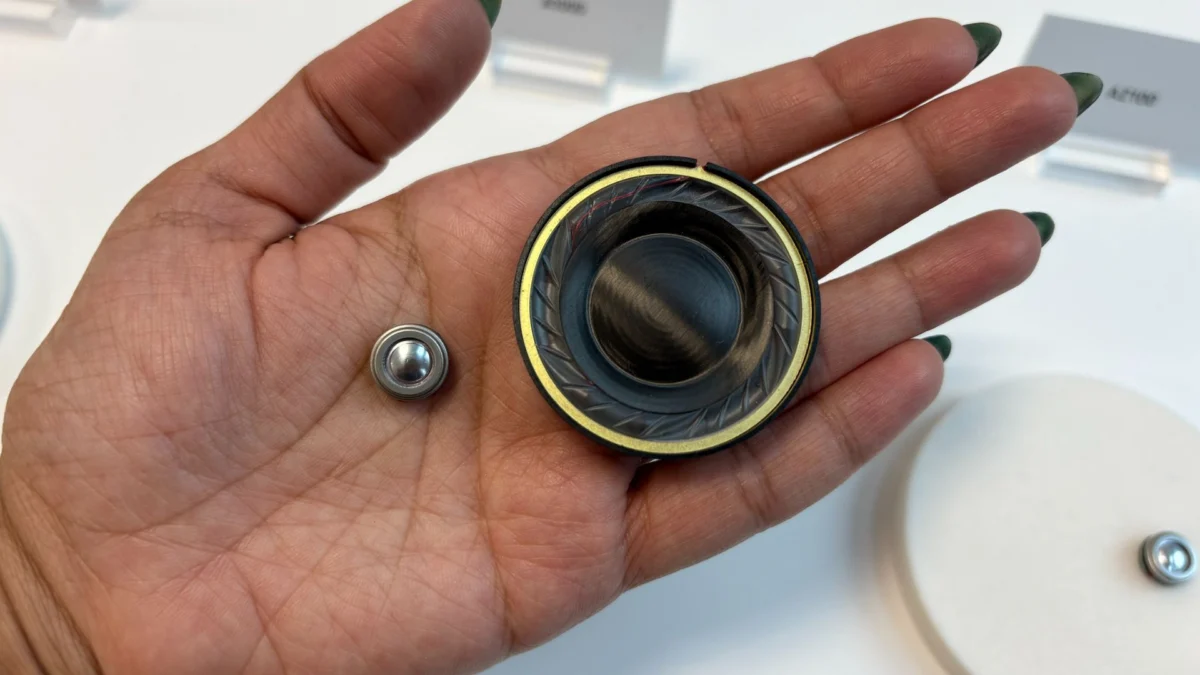
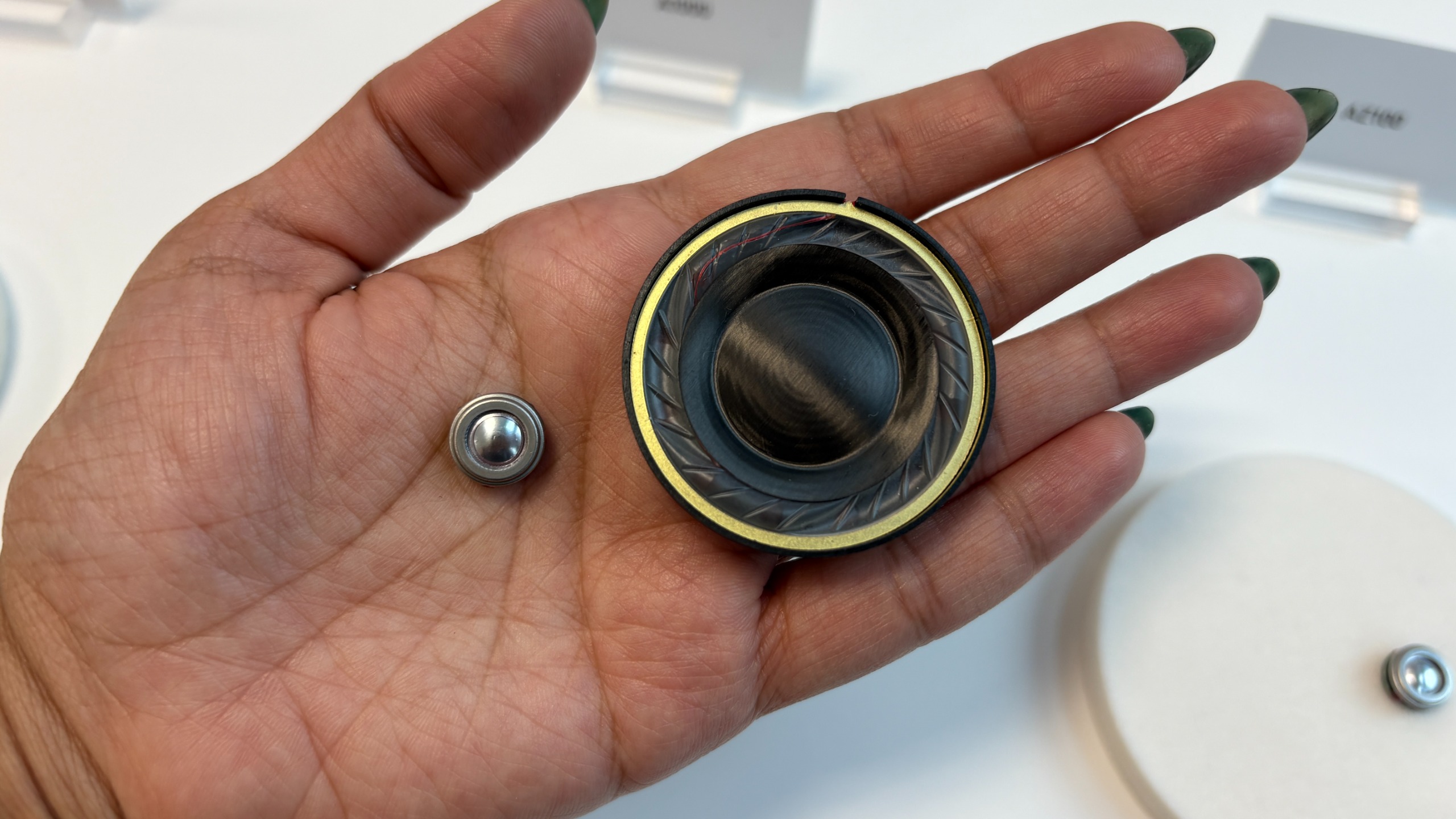
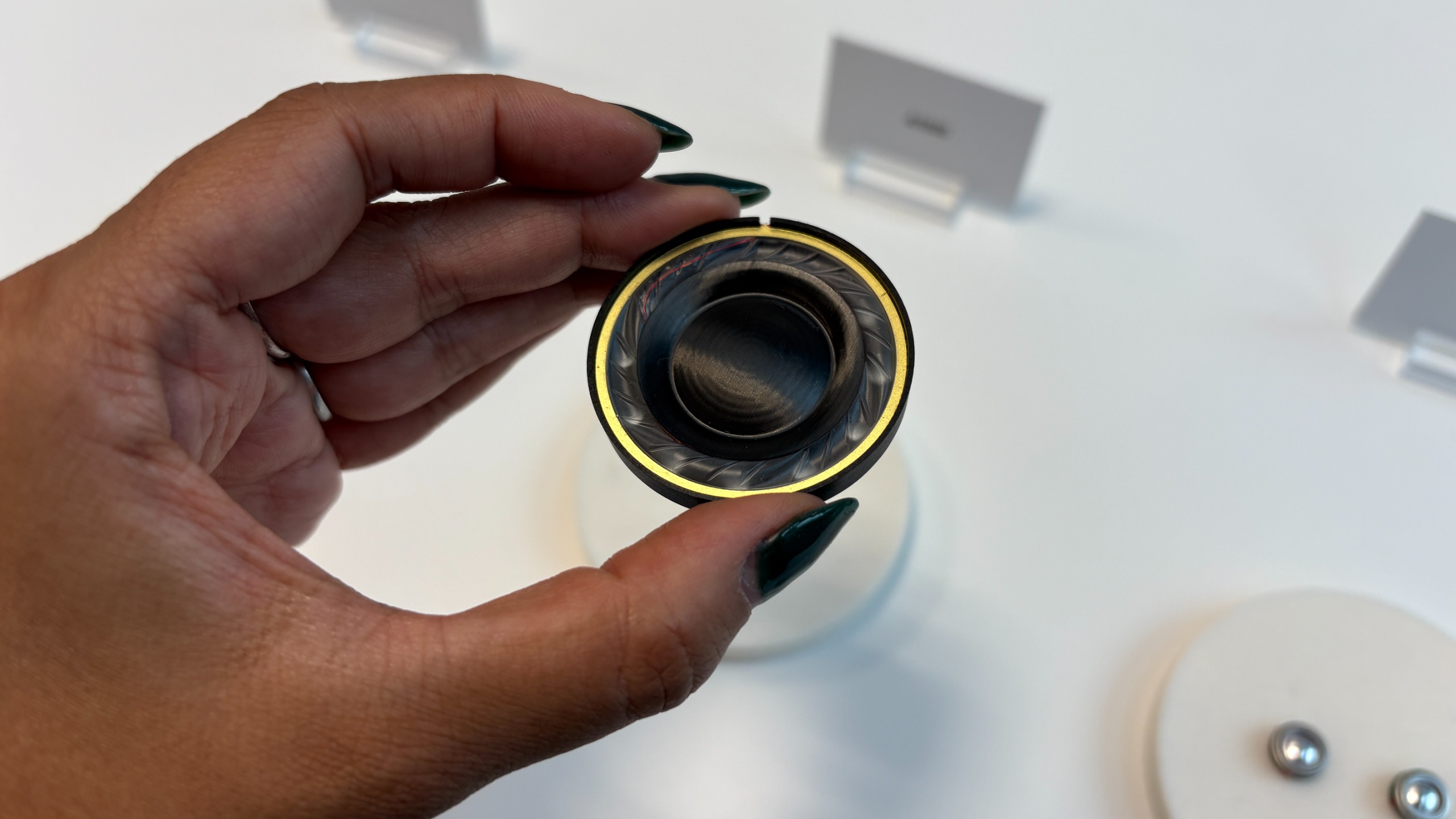
At the core of the Technics EAH-A1000 flagship wireless headphones is a newly developed 40mm magnetic fluid driver.
This technology inherits its lineage from the acclaimed, five-star EAH-AZ100 wireless earbuds, which utilize a 10mm magnetic fluid driver. Magnetic fluid—an ingenious, oil-like substance embedded with magnetic particles—is suspended between the voice coil and the driver magnet. Its primary function is to damp unwanted vertical rocking movements of the diaphragm without adding significant mass. In the AZ100 earbuds, this mechanism successfully slashed distortion while preserving microscopic details and clarity.
However, moving from a 10mm earbud diaphragm to a 40mm over-ear configuration exposed a cascade of new engineering hurdles:
- Amplified Excursion: Larger drivers require greater physical movement (excursion), vastly increasing the risks of mechanical flexing and audio distortion.
- Damping Dilemma: Simply applying more magnetic fluid caused excessive damping, smothering the natural expression and dynamic range of the music.
- Structural Integrity: Maintaining shape consistency across a complex 40mm cone-and-dome geometry without risking deformation during mass production pushed manufacturing tolerances to their absolute limits.
To overcome these obstacles, Technics did not merely enlarge a blueprint. Instead, acoustic engineer Riku Takeda and his team embarked on a mission to "create a new over-ear headphone driver that could go beyond hi-fi speaker performance."
Chronology: The Road to the EAH-A1000
The conception of the EAH-A1000 followed a rigorous, iterative timeline deeply rooted in Technics’ corporate history and engineering culture:
- The Success of the AZ100: Following the commercial and critical triumph of the EAH-AZ100 wireless earbuds, Technics engineers posed a foundational question: Could magnetic fluid work in a 40mm over-ear driver?
- Initial Prototyping Failures: Early experiments simply scaled up the 10mm concept. The results were unsatisfactory—the audio lacked the precision, openness, and low-frequency control demanded of a flagship product.
- Borrowing from High-End Hi-Fi: Turning to its loudspeaker division, Technics adapted innovations from its flagship SB-R1 home speakers, integrating an SST (Symmetrical Surround Technology) Edge to manage air displacement and minimize edge distortion.
- The Diaphragm Material Quest: The team experimented with various composite and laminated materials to simplify molding stability. Every alternative, however, compromised the soundstage or introduced muddy colorations. Technics ultimately chose a pure carbon fibre diaphragm—defined by the brand as a non-composite, non-laminated, ultra-thin yet exceptionally rigid structure.
- Refining Geometry: To combat the natural flexing of larger drivers, engineers adopted a complex cone-and-dome geometry, reinforcing the structure by altering the weave direction of the carbon fibers and introducing a stabilizing "rib" to the dome.
- Internal Review and Final Approval: Before receiving a green light, prototypes faced Technics’ internal Sound Committee—comprising acoustic leads and brand executives—where failure to meet stringent sonic targets would have resulted in immediate launch delays.
Supporting Data & Advanced Acoustic Technologies
The performance of the EAH-A1000 does not rely on a single breakthrough; rather, it is the result of a symbiotic ecosystem of advanced acoustic and mechanical design choices.
1. The SST Edge Surround
Derived directly from Technics’ high-end SB-R1 floorstanding speakers, the Symmetrical Surround Technology Edge features precision cuts along the driver’s surround. This geometry ensures that the exact same volume of air is displaced during both forward and backward excursions, substantially boosting edge flexibility while suppressing nonlinear distortion.
2. Pure Carbon Fibre Diaphragm
A larger surface area requires high rigidity to prevent breakup modes at higher frequencies. Technics opted for a pure, non-laminated carbon fibre construction. Because molding this material into a complex cone-and-dome shape at headphone scale risked structural deformation, engineers meticulously adjusted the orientation of the woven carbon fibers and added a central strengthening rib. This guarantees rapid transient response, articulate bass extension, and crystal-clear highs.
3. Baffle Flat Structure and Acoustic Control Chambers
Moving beyond the drivers themselves, Technics optimized the internal architecture of the ear cups:
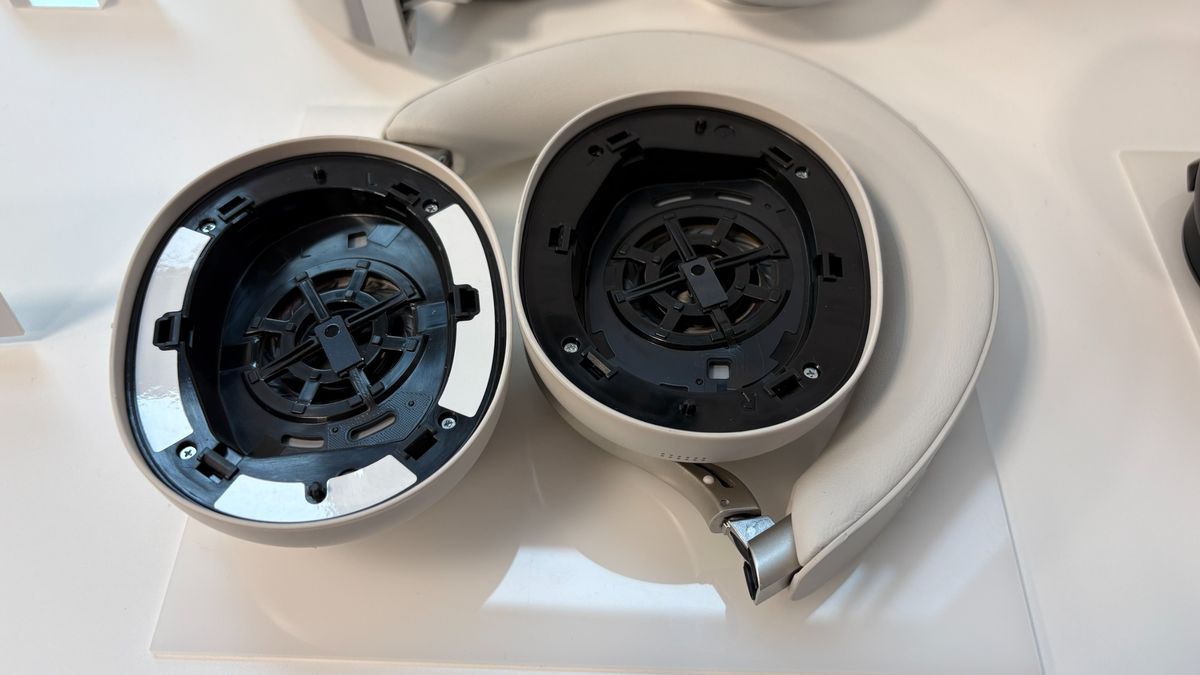
- Baffle Flat Structure: Minimizes uneven surfaces surrounding the driver, effectively mitigating unwanted acoustic reflections.
- Acoustic Control Chamber: Positioned directly behind the driver to precisely regulate internal airflow, yielding a natural sound field, pinpoint imaging, and a well-balanced frequency response without artificially boosted bass or piercing treble.
4. Ergonomics and Industrial Design
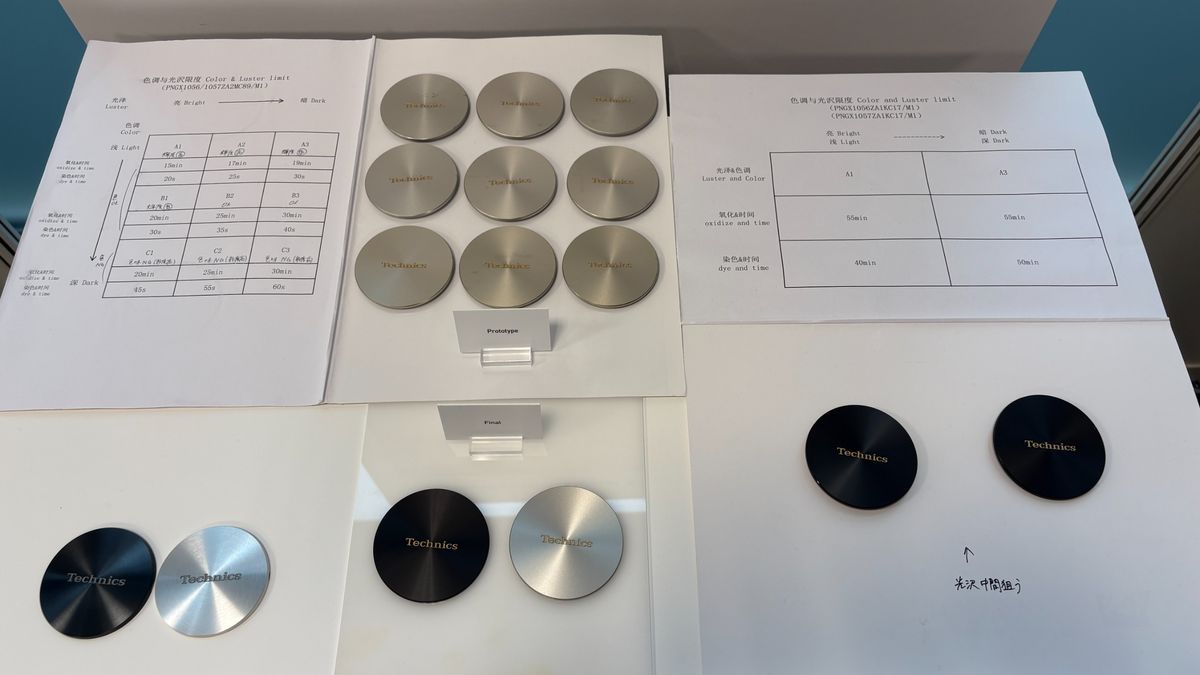
Aligning with Technics’ tripartite philosophy of Sound, Technology, and Design, the physical architecture of the EAH-A1000 underwent extensive prototyping. Over-ear headphones face intense public scrutiny compared to discreet earbuds. Consequently, the slender "flow arm" mechanism, headband clamping force, and plush, memory-foam ear cushions were rigorously tested to ensure long-term listening comfort and timeless aesthetic appeal.
Official Responses and Leadership Insights
During the pre-launch briefings in Tokyo, Technics executives emphasized that the company’s foundational philosophy remains uncompromisingly anchored in audio fidelity above all else.
"If sound quality isn’t achieved to our high standard level, we don’t bring it to the market," noted Technics representatives during the technical presentation.
Every audio product bearing the Technics badge is subjected to an unforgiving internal review by the brand’s Sound Committee. This elite panel includes Yu Tanaka—the acoustic architect behind the magnetic fluid driver in the A1000—and Brand Director Michiko Ogawa, who holds veto power over any product launch. If the acoustic targets are not met down to the finest nuance, the launch schedule is routinely postponed until perfection is attained.
Kazunori Otsu, Head of the Headphone Business Unit at Technics, reflected on the brand’s 60-plus-year evolution:
"While the way we listen to music has changed over the decades—shifting from dedicated hi-fi separates inside the home to portable, everyday experiences on the move—Technics’ core passion has never wavered."
Implications for the Personal Audio Market
The launch of the Technics EAH-A1000 signals a significant evolution in the premium wireless headphone segment. As consumers increasingly demand audiophile-grade performance from portable, active noise-canceling (ANC) over-ear gear, manufacturers are forced to look beyond off-the-shelf driver components.
By successfully bridging the gap between high-end loudspeaker engineering (via SST technology) and micro-acoustic fluid damping, Technics has set a new benchmark for driver control and distortion reduction in wireless form factors. The EAH-A1000 proves that mainstream convenience features—such as robust wireless connectivity, advanced ANC, and crystal-clear call quality—do not need to come at the expense of true high-fidelity heritage.
For audiophiles and tech enthusiasts alike, the EAH-A1000 is more than just a new flagship product; it stands as a testament to the power of relentless engineering, proving that even after sixty years, Technics remains willing to rewrite the rules of sound reproduction.